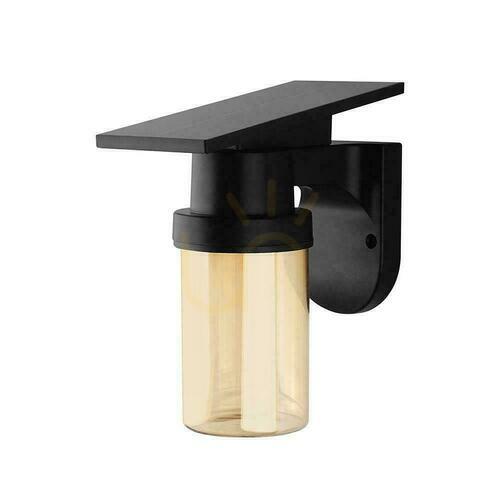
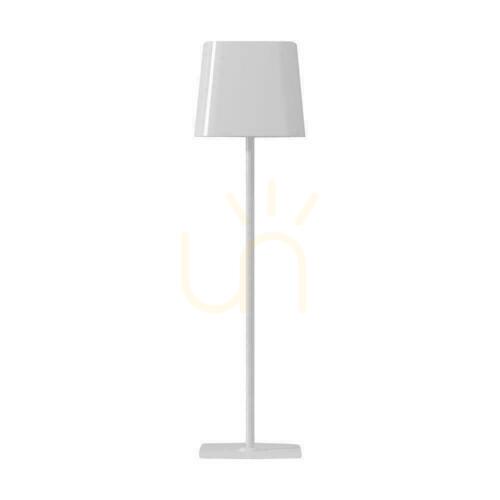
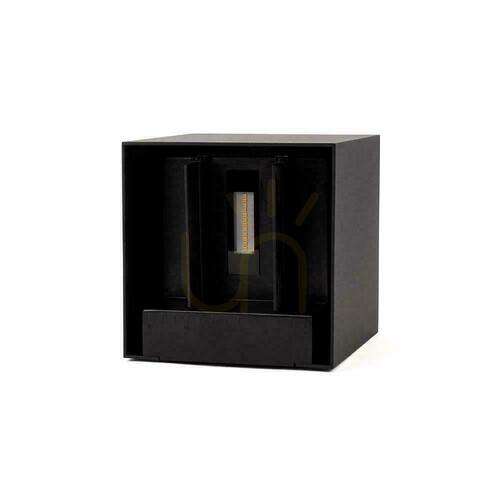
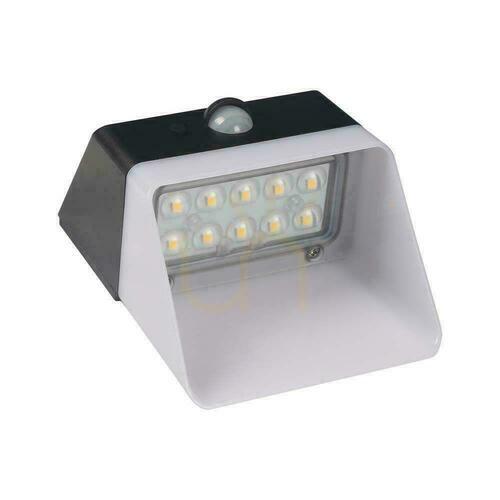
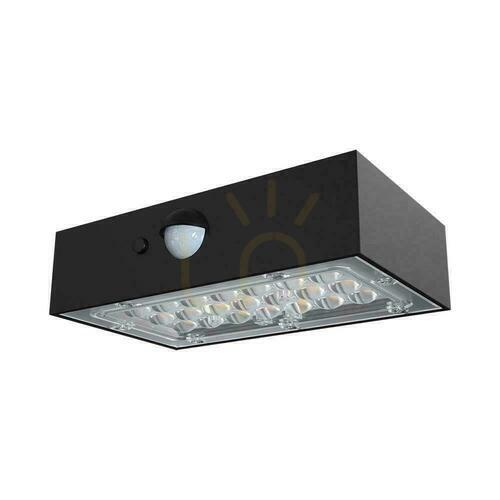
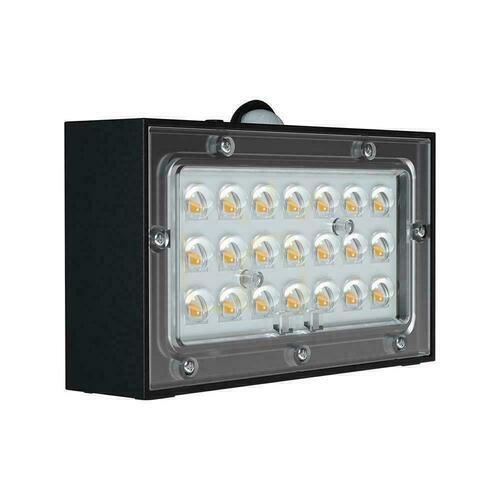
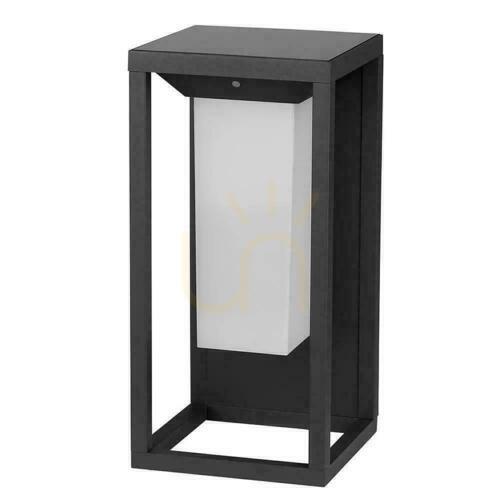
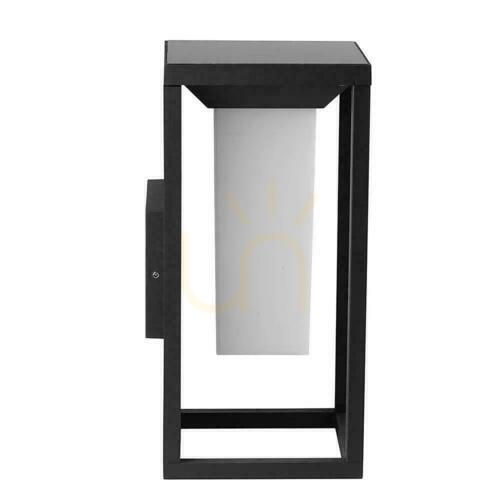
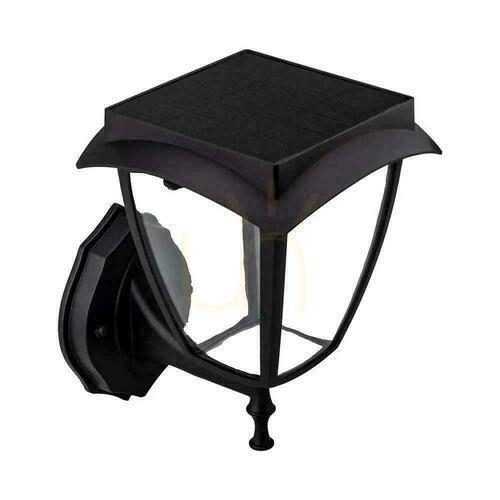
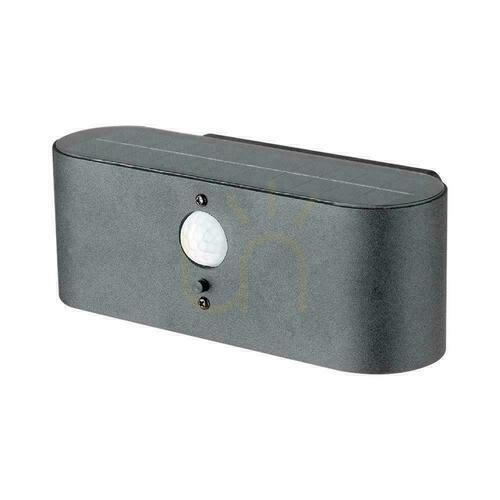
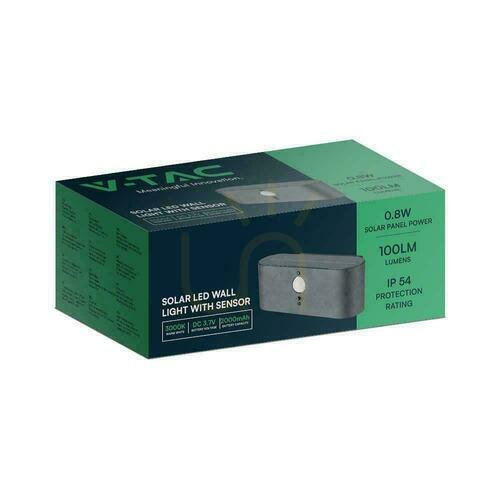
Indoor solar lights let you light a shed, summerhouse or detached garage without running mains power to it: a panel outside collects daylight, a battery stores it, and the lamp inside switches on when you need it. For indoor lighting, going solar mostly changes where the power comes from – the light hangs from the rafters, while its ‘socket’ is a panel on the roof or the south-facing wall.
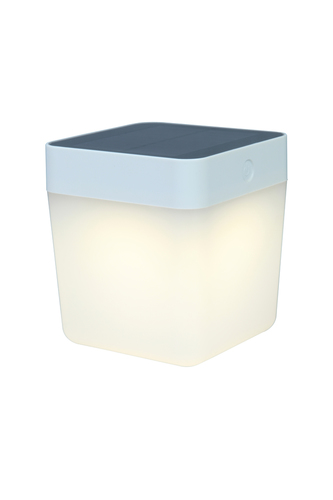
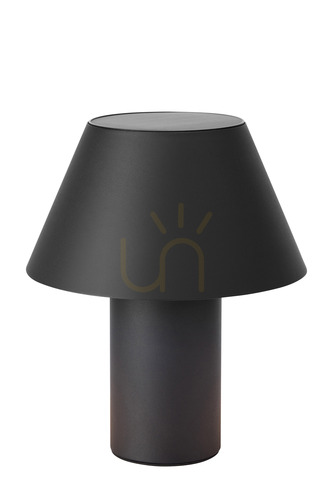
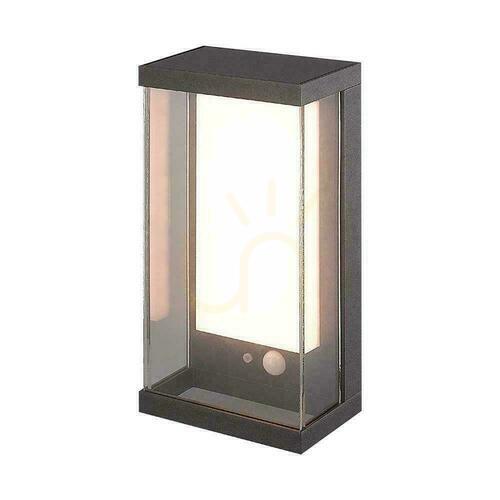
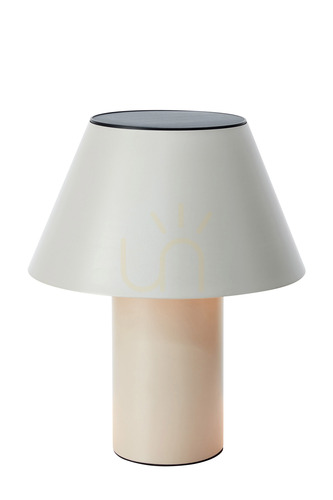
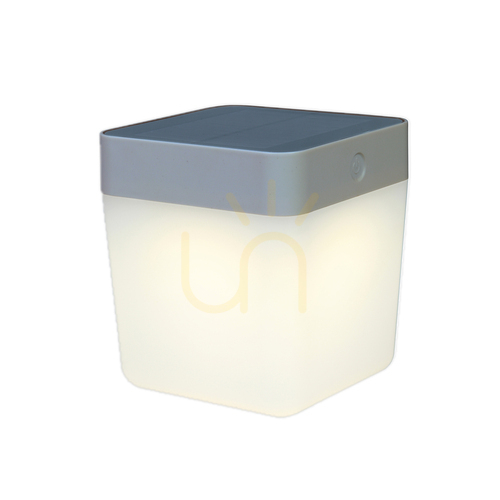
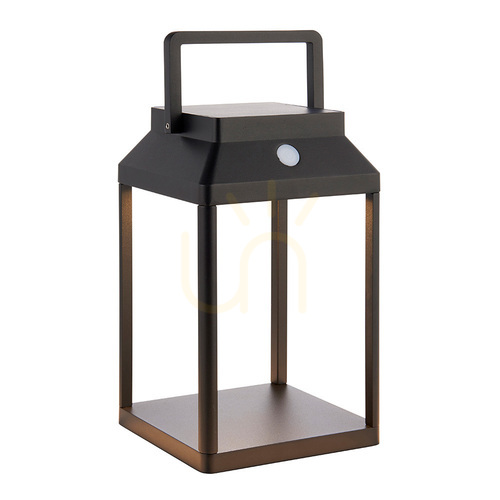
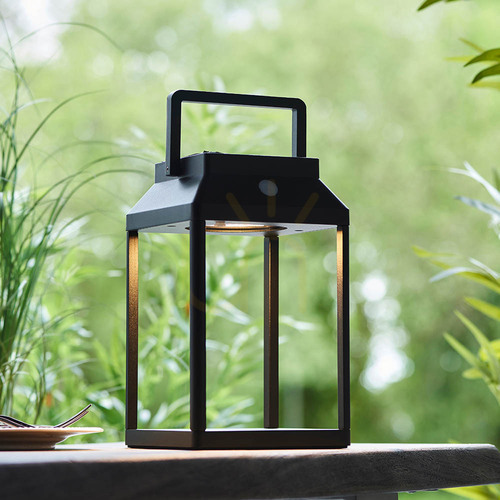
There is a quieter, decorative side too. Solar table lamps and lanterns can charge outside during the day and come in for the evening, giving a soft glow on a windowsill or dining table with no flex trailing to the wall.
Can you really put solar lights indoors?
Yes, as long as the solar cell gets proper daylight. That leads to three quite different designs:
-
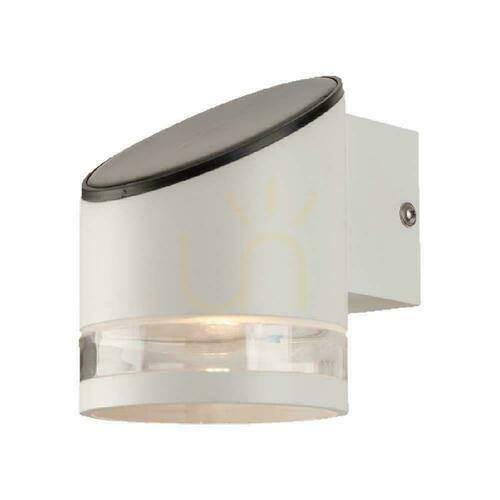
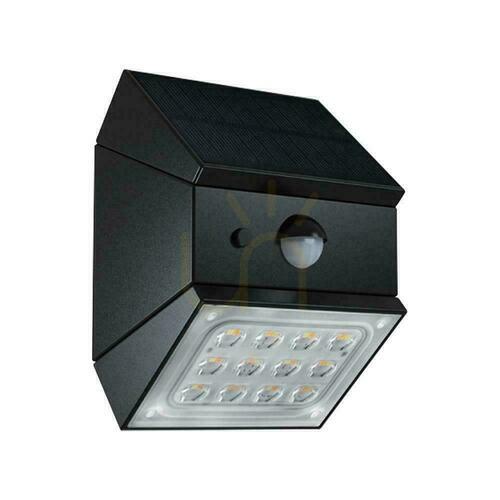
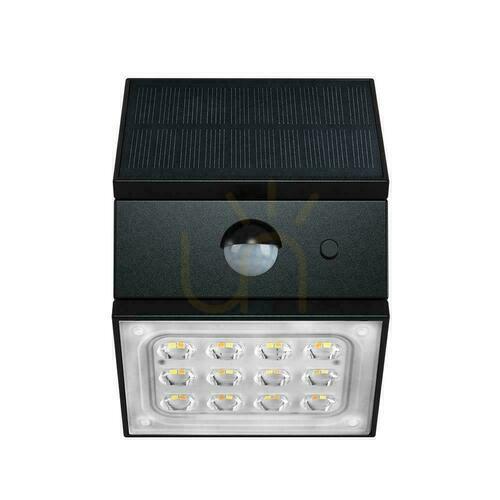
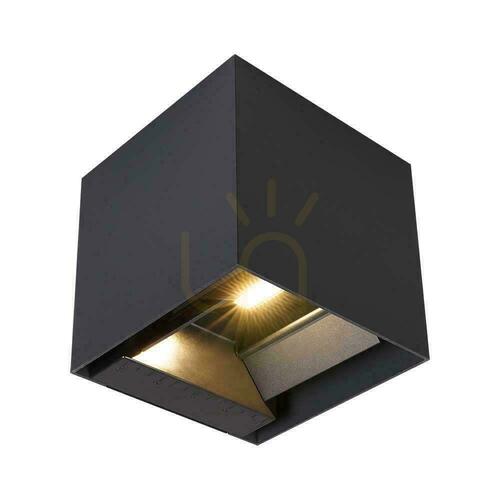
Remote-panel shed lights – a pendant, ceiling light, LED batten or wall spotlight inside, connected to an outdoor panel by a cable usually 3–5 m long. This is the workhorse for garden sheds, allotment sheds, stables, lofts and log cabins.
-
Hub kits – one larger panel and a battery box feeding several lamps, handy when an outbuilding has a workbench end and a storage end.
-
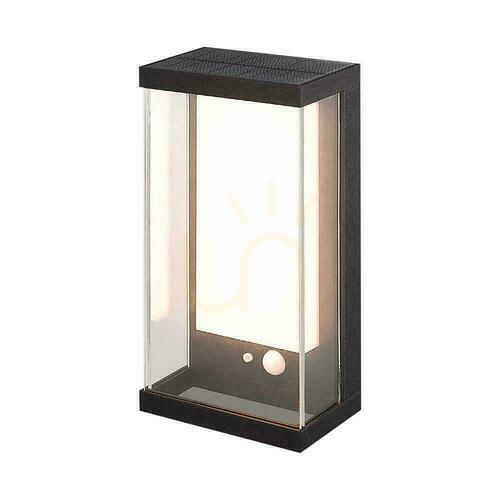
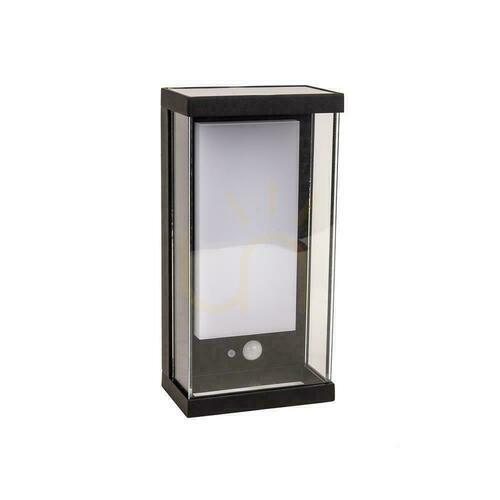
Decorative lamps with a built-in cell – table lamps, lanterns, globes. Charge them outdoors or at a bright window; many have a USB port as battery backup for dull weeks.
A window will charge a built-in cell, but more slowly than open sky. Glass takes a share of the light, low-emissivity and triple glazing take more, and net curtains or blinds cut it further still.
Choosing the right light for the job
Lumens tell you how bright a lamp is; the panel and battery decide how long it keeps going. A bright lamp on a small battery gives you a great half hour. These figures are typical for solar indoor lighting in a British setting:
| Where |
Light output |
Colour temperature |
Worth having |
| Garden or allotment shed |
200–400 lm |
4000 K |
pull cord or motion sensor |
| Summerhouse, log cabin |
150–400 lm |
2700–3000 K |
remote with dimming |
| Detached garage, workshop |
800–1500 lm |
4000–6000 K |
larger panel, LiFePO4 battery |
| Stable, chicken coop |
100–300 lm |
3000–4000 K |
IP44 or better, timer |
| Living room, windowsill, table |
5–100 lm |
2700–3000 K |
USB backup charging |
Battery chemistry matters when comparing figures. Small lamps tend to use 1.2 V NiMH cells, stronger ones 3.7 V lithium-ion, and bigger kits lithium iron phosphate (LiFePO4), which copes with many more charge cycles. That means 2000 mAh in a NiMH lamp holds far less energy than 2000 mAh in a lithium one. For a cosy living-room look, warm white around 2700 K reads best; for finding a spanner, 4000 K or cooler is easier on the eyes.
Fitting a shed light
Face the panel south and check for shade across the whole day – next door's roof, a tree that will be in full leaf by June, your own gutter. In the UK a steep tilt of around 60° works well if you want light through autumn and winter: the low sun hits it more squarely and rain does some of the cleaning. Drill a hole for the cable, fit a grommet and seal round it with silicone so water cannot track inside.
The lamp side runs at low voltage, typically 3.7–12 V, so connecting a kit is a plug-together job. Running mains power to an outbuilding is a different matter and belongs with a qualified electrician working to BS 7671.
Living with solar through a British winter
-
Set expectations – between November and February a full charge is rare. Switch on while you work rather than leaving the light burning.
-
Frost – lithium cells should not be charged below 0 °C. A battery inside the lamp, under a roof, is better protected than one sitting outside in the panel.
-
Weatherproofing – IP65 suits the outdoor panel; inside a damp shed or stable, look for IP44 at least.
-
Keep the panel clean – moss, pollen, bird droppings and leaf litter cut output noticeably. Wipe it a few times a year and brush off snow.
-
Replacing batteries – after a few seasons capacity drops. Swap in the same chemistry and size, never ordinary alkaline batteries.
FAQs
Can you put solar lights indoors?
You can. Remote-panel lights are designed for exactly that, and decorative solar lamps work indoors too, provided they get a day outside or a very bright window to charge.
What are the best indoor solar lights for home?
It depends on the room. For a living room, a warm-white table lamp or lantern with USB backup is the practical choice. For an outbuilding, a remote-panel kit sized to the job beats any lamp with a built-in cell.
Do indoor solar lights with battery backup make sense?
Yes, particularly in Britain. A USB port lets you top the battery up from a phone charger after a grey week, so the lamp is never just an ornament.
Will indoor solar lights charge on a cloudy day?
Slowly. Panels still work in diffuse light but collect only a fraction of what a sunny day gives, so run times shrink in long dull spells.
How bright are the best solar lights for indoor use?
Workshop kits can reach 1000 lm or more, enough for a bench. Decorative lamps sit far lower, often under 100 lm, and are meant for atmosphere rather than tasks.
Are there indoor solar lights with a motion sensor?
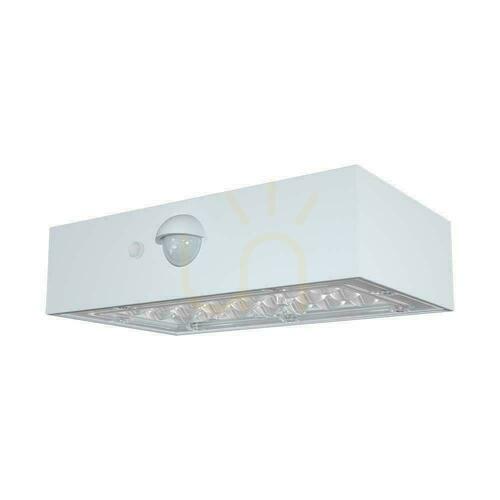
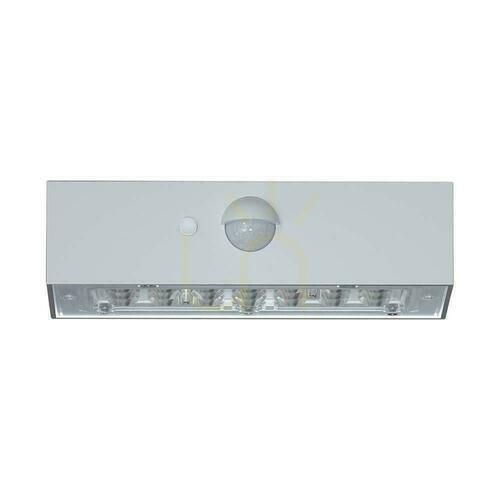
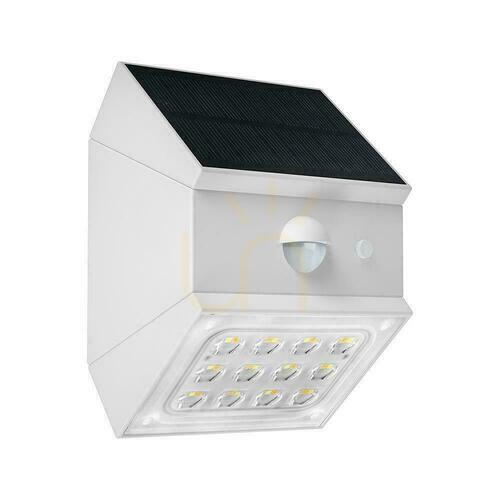
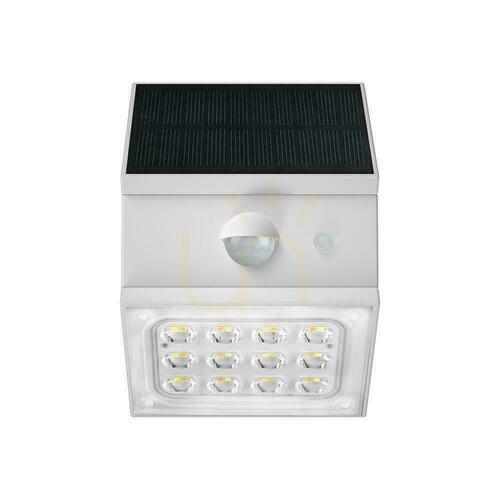
Yes, and they suit sheds well: the light comes on as you walk in and turns itself off, saving the battery for when it counts.
For lighting the house itself, from pendants to wall lights, browse indoor lights. If a cordless glow on the table is what you are after, see solar table lamps.