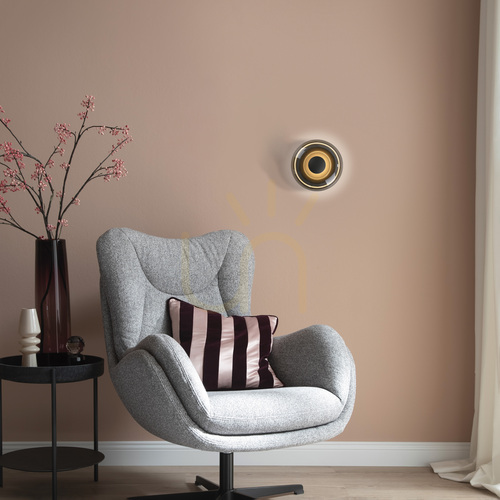
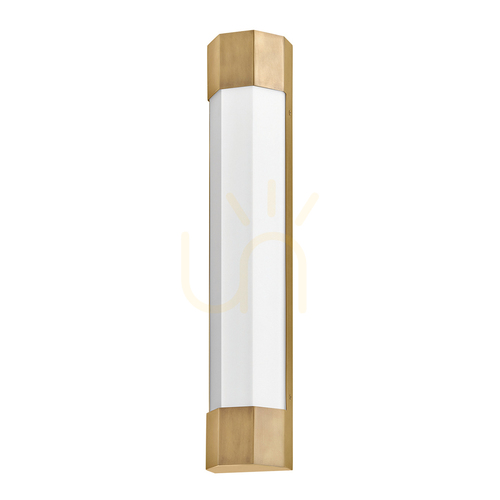
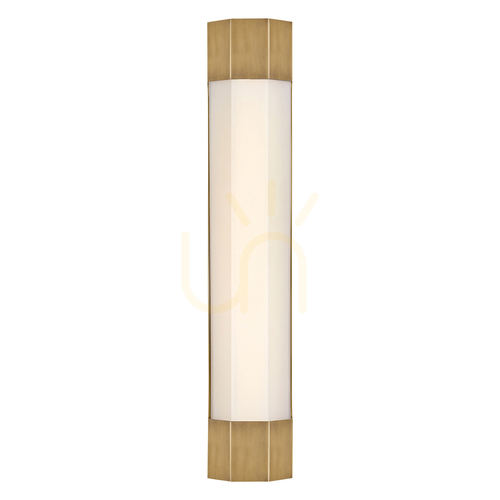
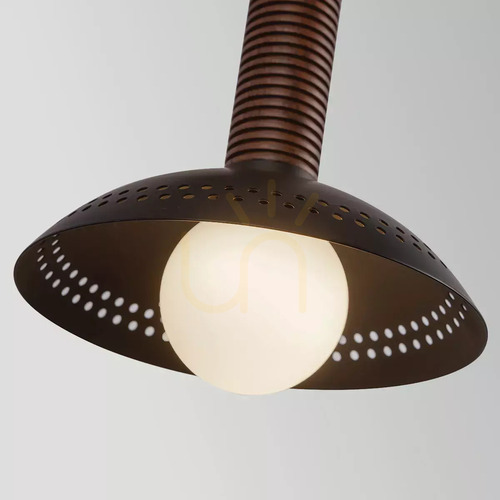
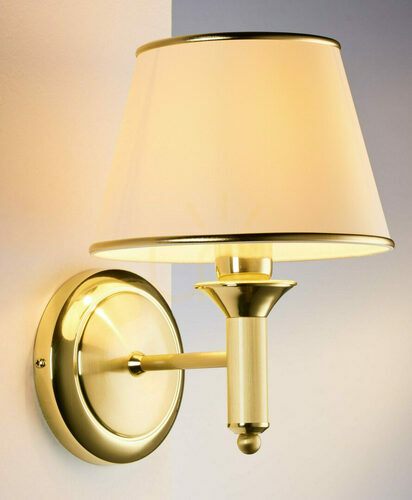
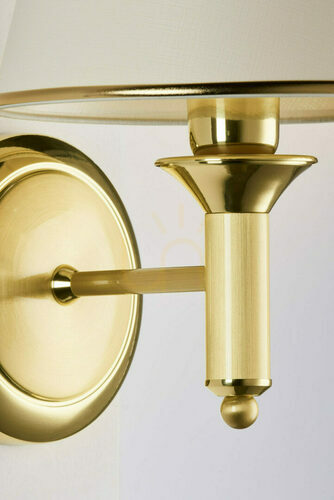
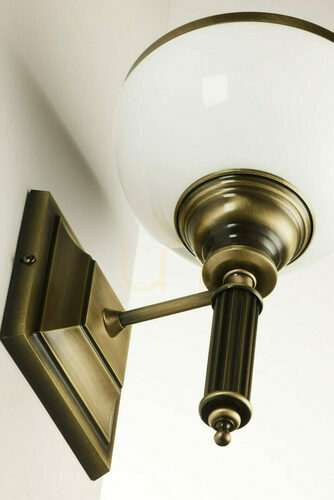
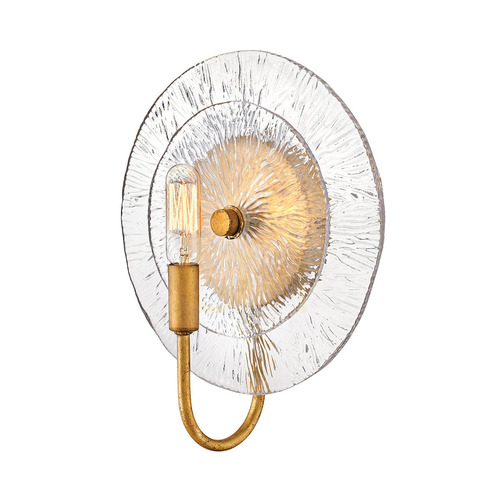
Glass is the material that decides how a wall light behaves, not just how it looks. The same lamp behind opal, clear, smoked or ribbed glass produces four different rooms — one soft, one sparkling, one dim and moody, one striped. Choosing glass wall lights is really choosing what happens to the light on its way out.
Opal, clear, smoked or ribbed
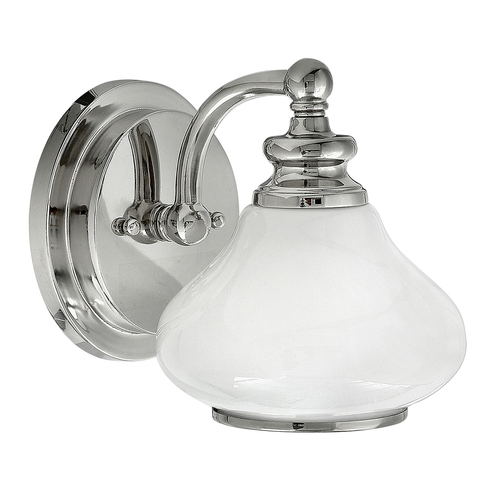
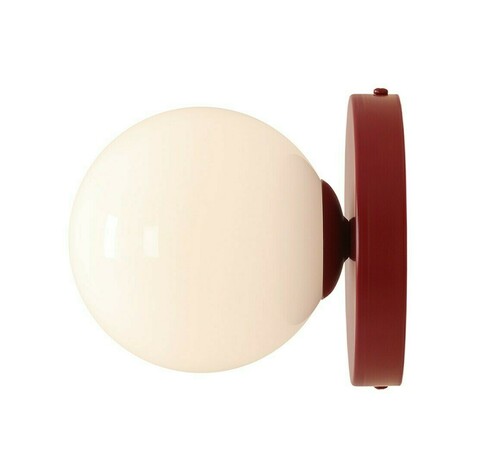
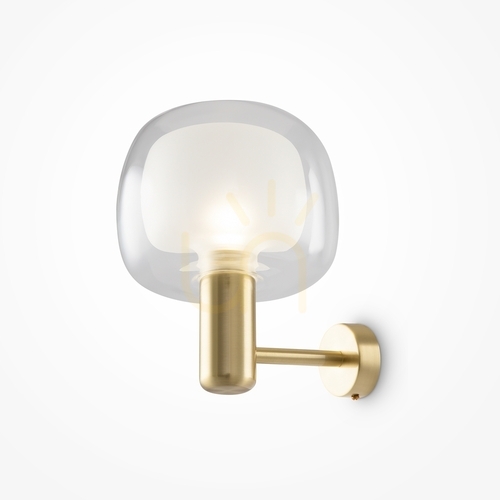
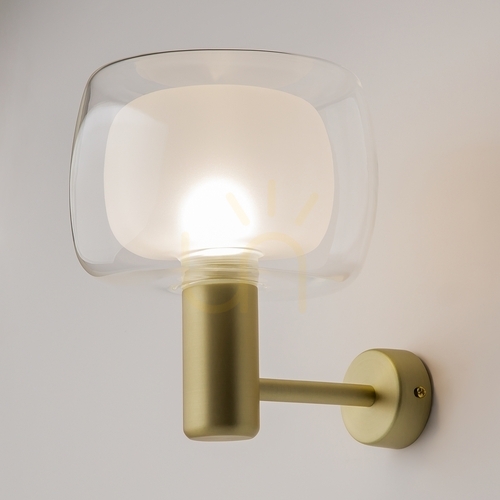
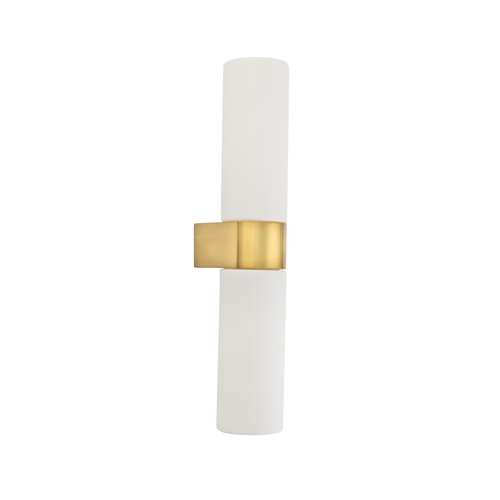
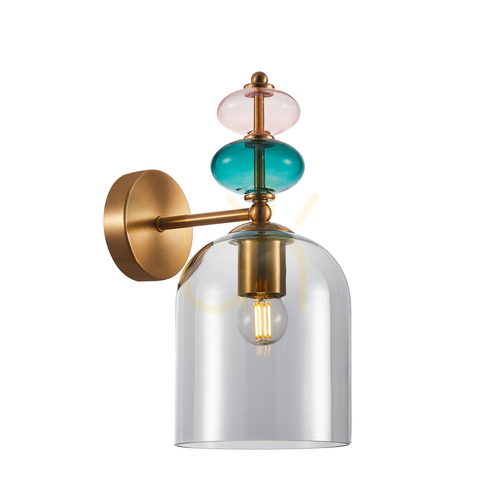
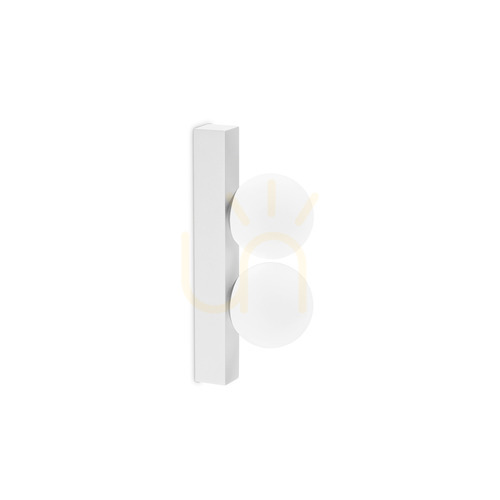
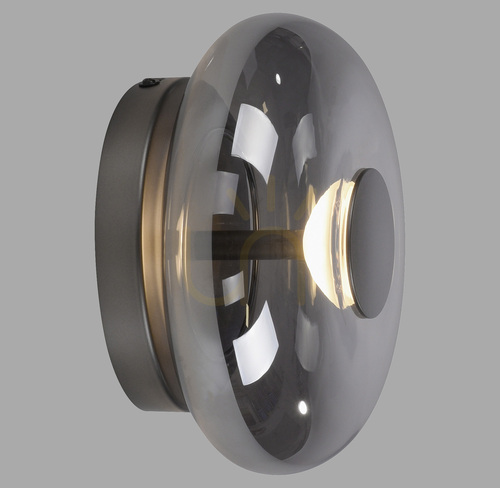
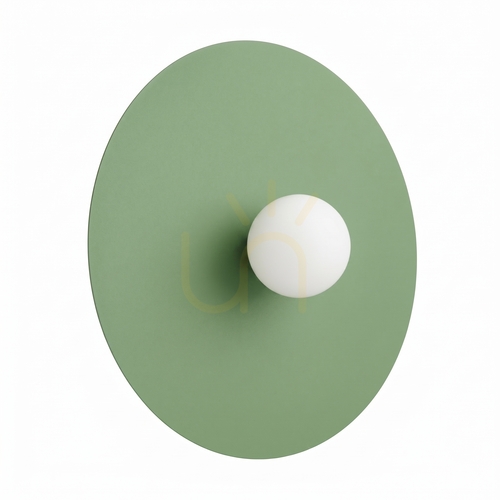
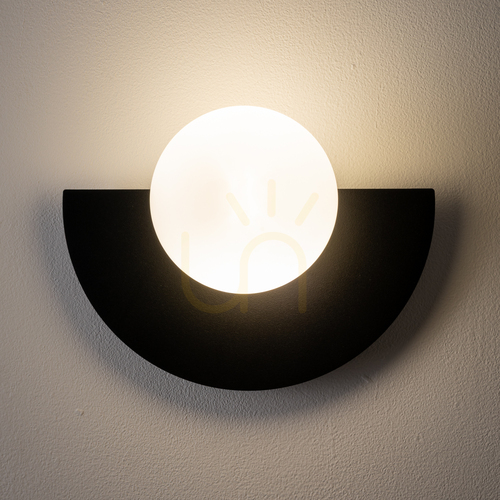
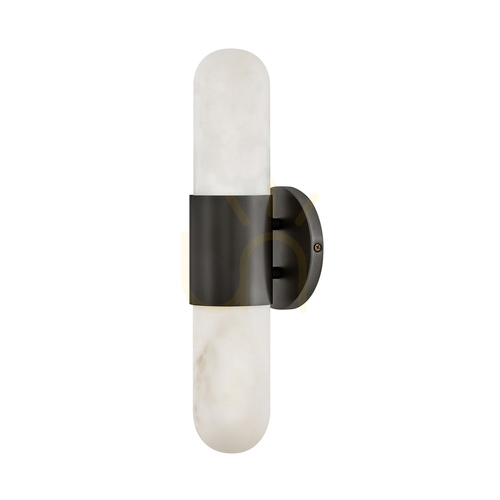
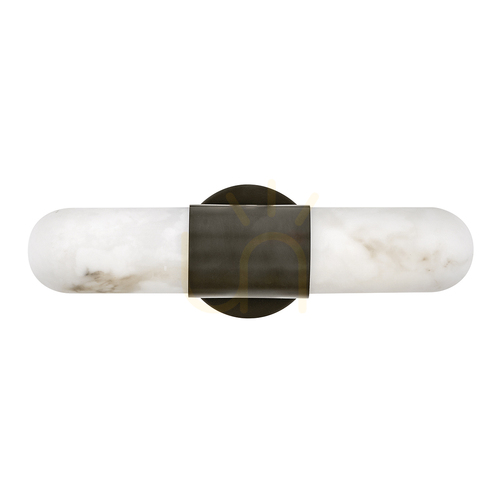
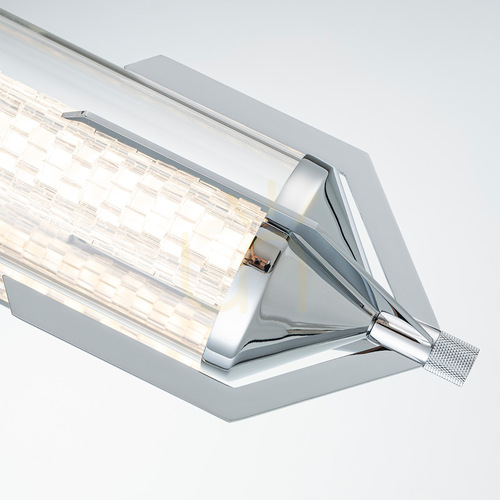
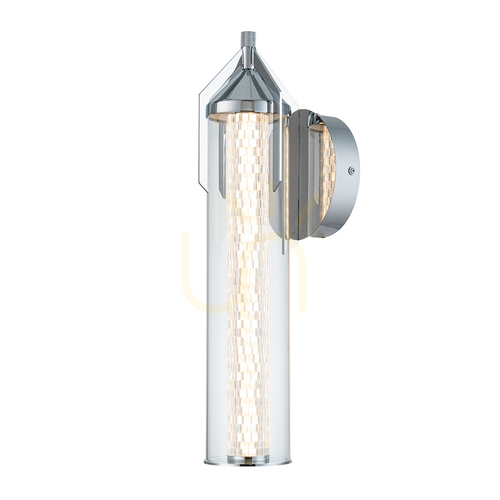
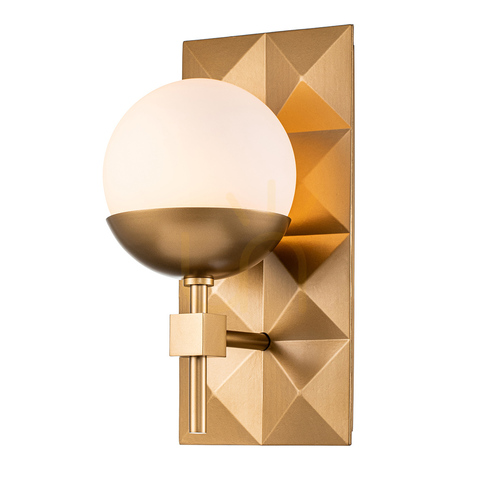
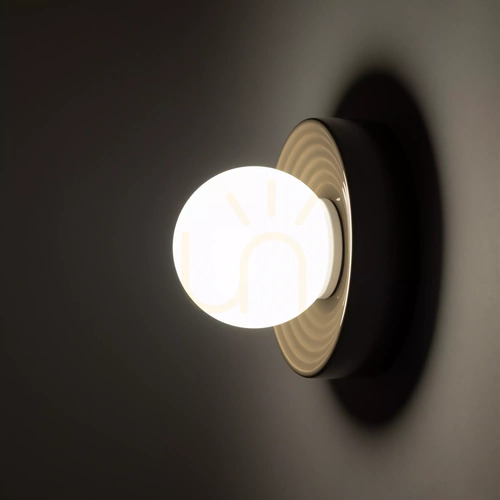
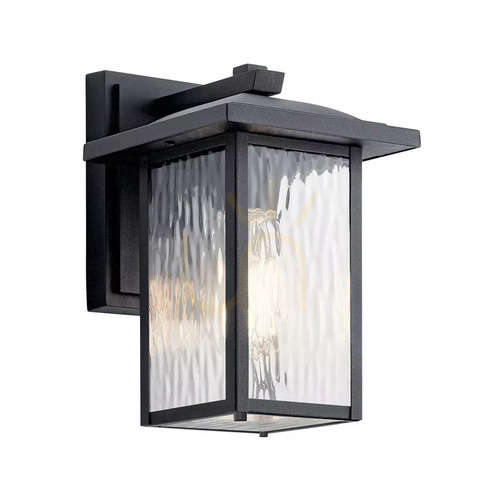
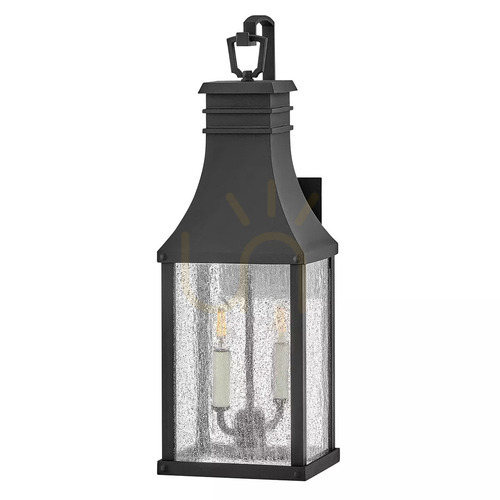
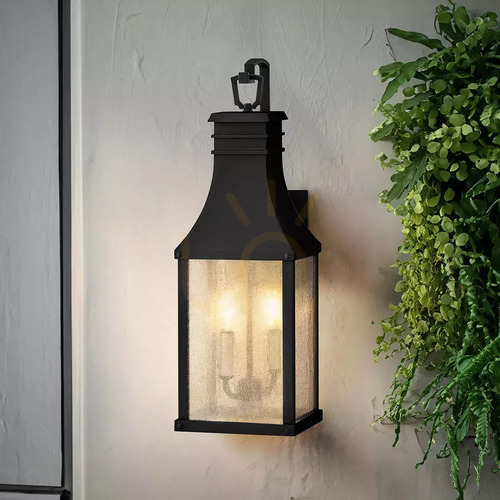
Opal is glass made milky all the way through, so the whole surface glows and the lamp inside disappears. Clear glass shows the filament and gives you glitter along with glare. Smoked and amber glass cut output by roughly a third and take the edge off a bare lamp. Ribbed, fluted and reeded glass break the reflection into vertical lines, which hides the lamp from most angles without losing much light.
| Glass |
What it does to the light |
Where it suits |
| Opal / frosted |
Even, diffuse, no visible lamp |
Bedrooms, corridors, anywhere at eye level |
| Clear |
Sharp, sparkling, high glare |
Above eye level, with a decorative low-output lamp |
| Smoked / amber |
Dimmer, warmer, softer contrast |
Living rooms, evening light, dining walls |
| Ribbed / fluted |
Broken reflections, gentle sparkle |
Hallways and feature walls |
| Alabaster-look |
Warm, uneven, stone-like glow |
Quiet schemes, uplighters |
The lamp behind the glass
Behind clear or lightly smoked glass, the lamp is part of the design: a low-output decorative LED with a visible filament looks right and a bright frosted lamp looks wrong. Behind opal, the opposite — put the output there, because the diffuser is already doing the softening. Check the socket before you buy a bulb: G9 and E14 are the common ones in smaller glass fittings, E27 in larger shades, and integrated LED means no bulb decision at all but no future swap either.
Weight, fixings and cleaning
Glass is heavier than it looks, and a two-shade fitting on a plasterboard wall needs proper cavity fixings rather than the plugs in the box. Clean it cold, with the light off: a damp microfibre cloth on a warm shade can crack it, and glass cleaner sprayed near a live lampholder is a bad habit. Hand-blown shades carry small bubbles and slight variation in thickness — that is the process, not a defect.
Where glass wall lights work best
Opal shades earn their place at eye level, where anything clear would glare. Clear and ribbed glass suit walls you look along rather than at, such as a hallway or the wall above a sideboard. In a damp room, check the rating rather than the material: glass itself does not mind steam, but the seal and the lampholder behind it do.
Frequently asked questions
Does opal glass make a wall light dimmer?
It spreads the light rather than removing it. You lose a little output and gain a much wider, glare-free spread — usually a net win at eye level.
Can glass wall lights go in a bathroom?
Only if the fitting itself is rated for it. The glass is not the limiting part; the rating and the zone it will sit in are.
How do I clean smoked glass without streaks?
Warm water, a drop of washing-up liquid, then dry with a second cloth. Sprays leave a film that shows up as soon as the light is on.
The same glass families appear overhead in Flush Ceiling Lights and on the table in Table Lamps if you want the room to match.