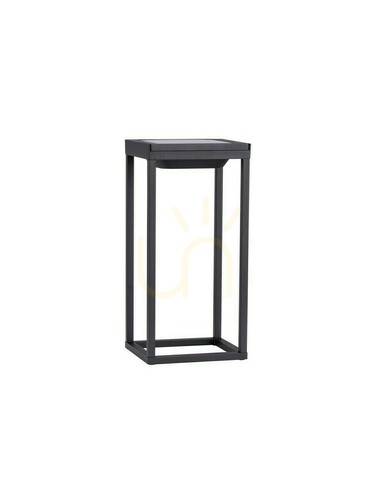
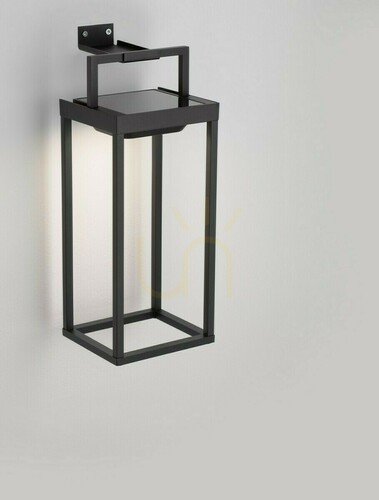
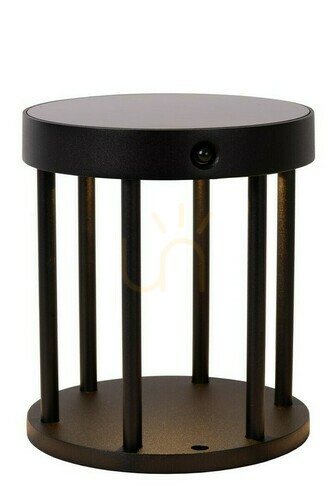
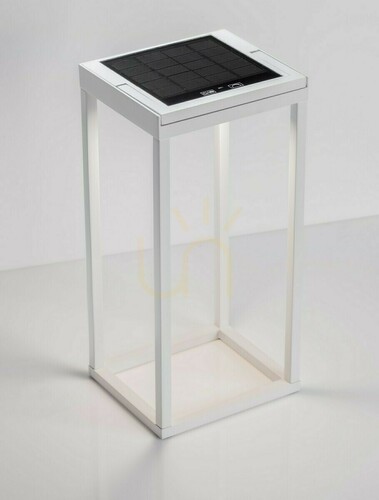
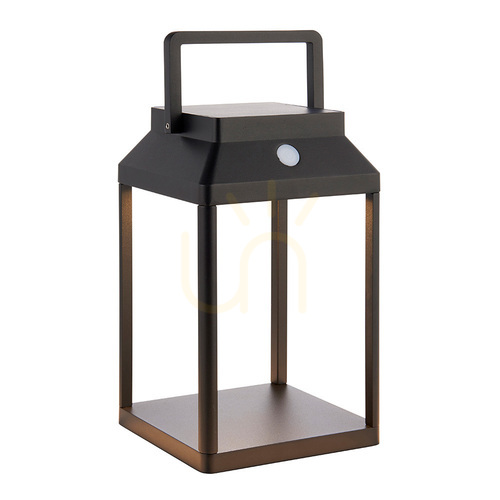
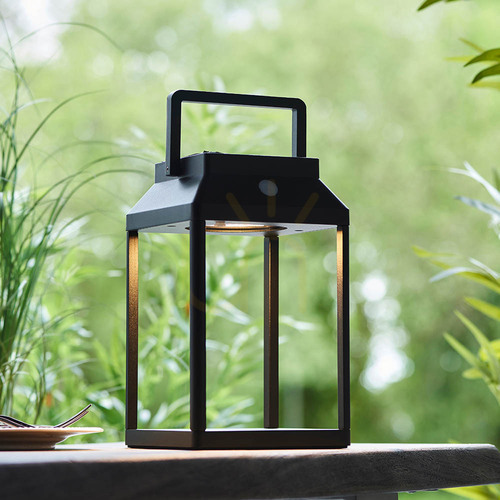
Dusk to dawn solar lights switch themselves on as daylight fades and off again at sunrise, powered by a small panel that charges a battery during the day. The dusk sensor takes care of when the light comes on; how long it lasts through the night depends on the panel, the battery and, above all, where you put it.
That last point matters a great deal in Britain. Around the winter solstice London gets under eight hours of daylight and Edinburgh roughly seven, with the sun barely clearing the rooftops at midday. A light that glows happily from dusk to dawn in June may give up by midnight in December, and knowing why is the key to buying one that works for you.
Dusk to dawn or motion sensor: which do you actually want?
A dusk to dawn light gives steady, all-evening light: path edges you can see from the kitchen window, a lit front step, a soft glow along the border. A motion sensor light stays dark or dim and only blazes when someone walks past, which stretches the battery much further. Plenty of buyers search specifically for dusk to dawn solar lights without a motion sensor because they want the first behaviour, not a sudden floodlight every time the cat crosses the lawn.
Many lights now offer a choice of modes: constant light until the battery runs out, a timer that switches off a few hours after dark, or a dim glow with a boost when movement is detected. Some also lower their brightness automatically as the battery drains, which is a sensible trade: gentler light that reaches morning rather than full brightness that dies at eleven.
How the dusk sensor works
In many solar lights there is no separate sensor at all. The controller watches the voltage coming from the panel; when it drops below a set point, it treats that as dusk and turns the LEDs on. When the panel starts producing power again in the morning, the light goes off and charging begins. Other designs use a small photocell on the housing, and some floodlights have a sensitivity dial or a remote.
The practical upshot: the light judges darkness at the panel. A street lamp, a mains porch light or a neighbour’s security light shining on it can stop it switching on. To check a light is working, cover the panel with your hand – it should come on within a few seconds.
Choosing the right light
Compare lumens, not watts. Listings that shout ‘200 W’ or ‘300 LEDs’ are marketing, and the stated light output is often far lower than the wattage implies. These typical figures help:
| Where it goes |
Typical output |
Usual battery |
Worth checking |
| Stake lights along a path or border |
5–30 lm |
NiMH AA or AAA, 1.2 V |
Replaceable cell, panel on top |
| Garden posts, steps, patio |
50–200 lm |
Lithium-ion or NiMH |
Warm white, IP44 or better |
| Front door, gate, garage wall |
100–500 lm |
Lithium-ion, often 18650 cells |
Tiltable panel, mode choice |
| Driveway, yard, security |
500–2000 lm |
Lithium-ion or LiFePO4 |
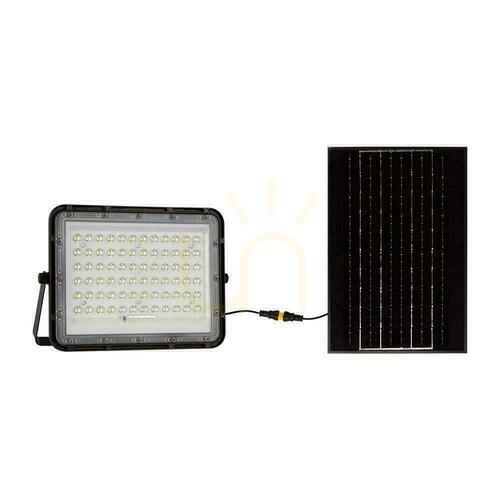
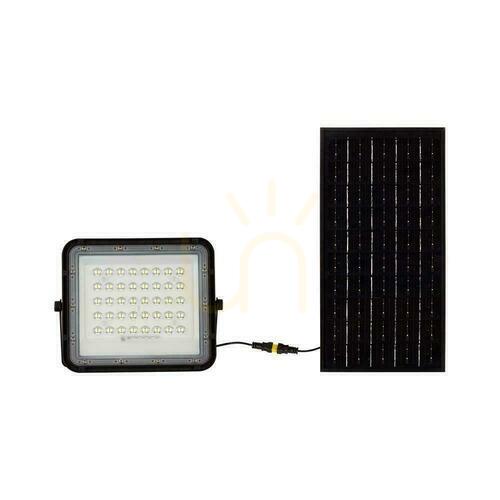
Separate panel on a cable, IP65 |
For colour, 2700–3000 K warm white suits gardens and patios; 4000–6500 K cool white looks brighter and is better where you need to see detail, such as a driveway. Monocrystalline panels squeeze more charge out of a grey day than polycrystalline ones, and a light with a replaceable battery will outlive its first battery by years.
Siting and fitting
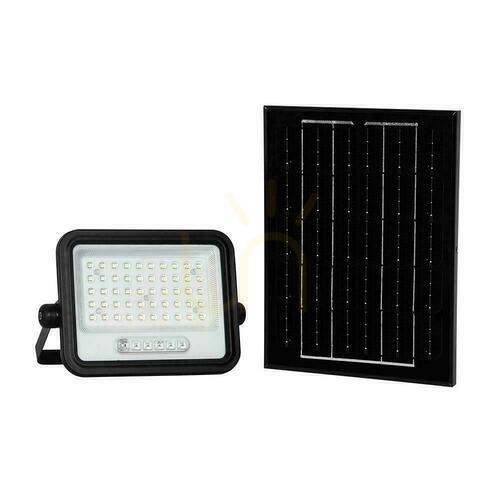
Face the panel south, clear of shade from eaves, hedges and fences, and remember that winter shadows are several times longer than summer ones. Lights with a flat panel on the lid struggle with low winter sun; if your panel tilts, set it steeper from autumn onwards. For a north-facing front door, a carport or the inside of a shed, choose a light with a separate panel on a cable, so the lamp sits where you need light and the panel goes on the sunny side of the roof.
No mains wiring means no electrician and no notifiable electrical work. Aim the light downwards at the path or step rather than at neighbouring windows: a light that stays on all night is easy to forget and easy for next door to resent.
Frequently asked questions
Are dusk to dawn lights good for security?
They help by removing dark corners around doors and gates, which makes a property look occupied. Motion-activated lights are better at drawing attention to someone moving, so many people combine a steady dusk to dawn light by the door with a motion light on the drive.
Do solar lights need direct sunlight or just light?
They charge in daylight, even under cloud, but far less than in direct sun. A spot with several hours of direct sun makes the difference between all-night light and an early switch-off.
What are the disadvantages of solar flood lights?
Run time drops sharply in winter, brightness is limited by the panel size, batteries wear out after a few seasons, and inflated wattage claims make products hard to compare.
Can solar lights be used indoors?
Only if the panel stays outside. Models with a panel on a cable work well in sheds, garages and summerhouses; a light with a built-in panel charges poorly behind a window, because glass (especially coated double glazing) cuts the light reaching the panel and few windowsills get direct sun for long.
Why is my solar light on during the day?
The panel or sensor is usually covered, dirty or damaged. A failing battery or corroded contacts can cause the same symptom.
How long do the batteries last?
NiMH and lithium-ion cells typically manage one to three seasons, LiFePO4 noticeably longer. Replacing a tired cell with one of the same type, size and polarity usually restores the run time. Wipe the panel with a soft damp cloth every few weeks and clear snow and leaves in winter.
If you would rather have light only when someone approaches, read more about solar motion sensor lights. For solar garden lighting in general, see outdoor solar lights.