
Bedroom lighting – how to plan lighting that helps you unwind?
The bedroom operates by different rules than the rest of the house. While precision matters in the kitchen and concentration in the office, what matters most in the bedroom is a quiet atmosphere. Meanwhile, this is where lighting plans most often end up—with a single chandelier in the middle of the ceiling. We’ll show you how to choose the right lamps for your bedroom, at what height to hang the bedside sconces, and why the color of the light in the evening matters more than you might think.

Table of Contents
- Three levels of lighting in the bedroom
- Main lighting – ceiling light or chandelier?
- Bedside sconces and nightlights
- Wardrobe and vanity lighting
- What light color for the bedroom?
- Dimmers and controls
- What to avoid in the bedroom?
- How many lumens and how to dim the bedroom
- Summary
Three levels of light in the bedroom
A comfortable bedroom needs three independent lighting levels:
- General lighting – for cleaning, making the bed, and getting dressed. Switched on from the door, preferably also from the bedside.
- Zonal lighting – wall sconces or bedside lamps, additional lighting for the wardrobe, mirror, or vanity.
- Evening lighting – warm, dimmed, allowing the body to prepare for sleep.
These levels do not require three separate installations—often, a well-chosen set of lamps and thoughtfully placed switches is sufficient.
Main lighting – ceiling light or chandelier?
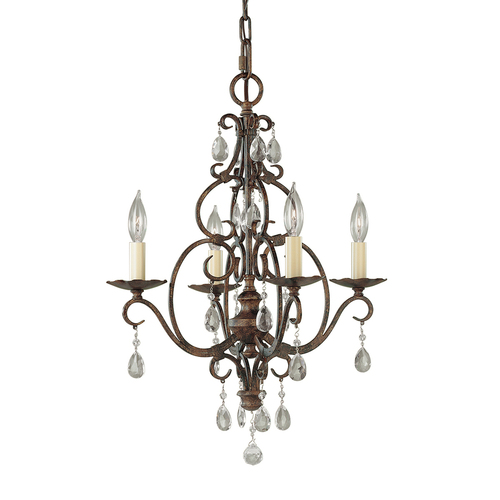
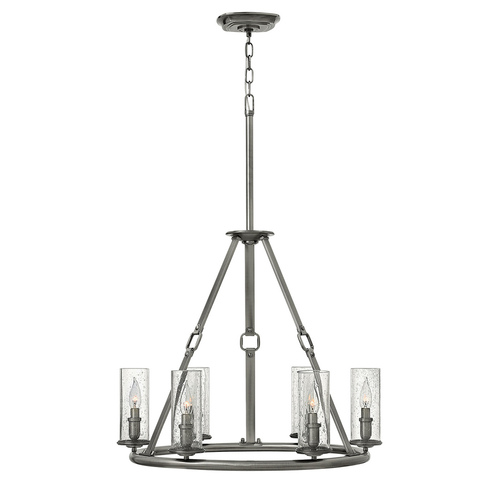
The choice of ceiling fixture depends primarily on the room’s height. At the standard height of 2.5–2.6 meters, a ceiling light or a low-hanging ceiling lamp is safer—there’s nothing to catch on above the bed or in the hallways. In larger bedrooms, a chandelier or pendant light looks beautiful when hung in the center or—for a more interesting touch—above the area with the wardrobe, away from the bed.
Avoid fixtures with exposed light sources: when lying down, we look straight up at the ceiling, so any uncovered bulb will be glaring. Milky-white shades, fabric lampshades, and fixtures that direct light toward the ceiling are a bedroom’s best friends.




Wall sconces by the bed and bedside lamps
The bed area is the heart of bedroom lighting. Here are three tried-and-true options:
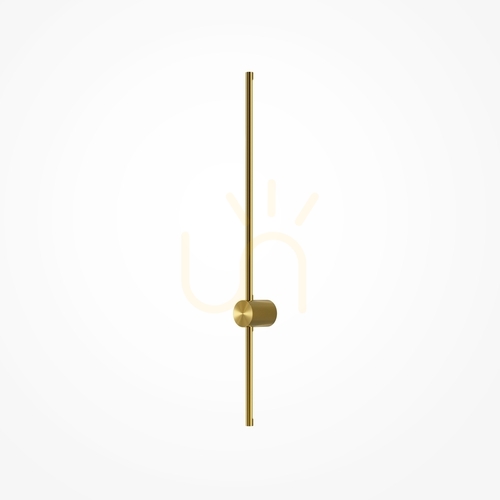
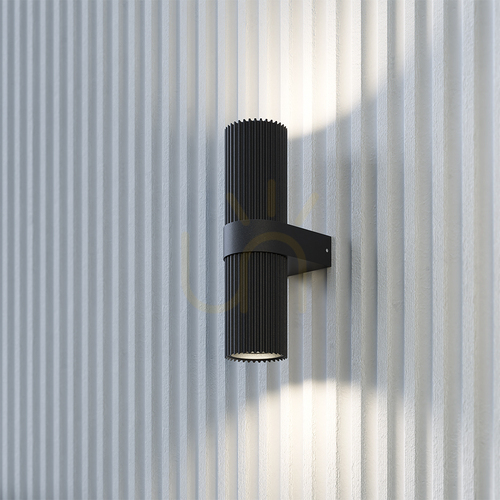
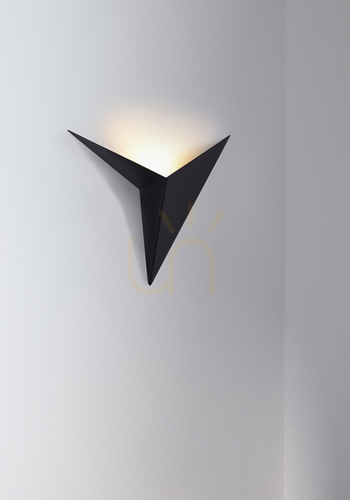
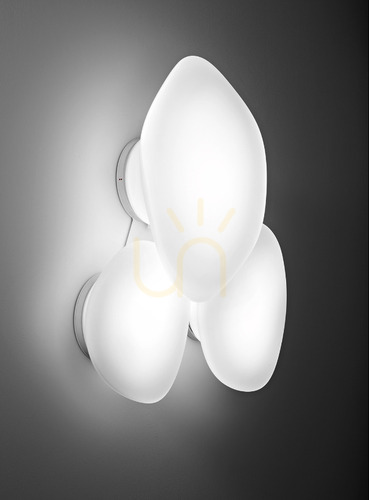
- Wall sconces above the nightstands —mounted about 100–120 cm above the floor, roughly at the head height of someone sitting in bed. Models with an adjustable arm or a spotlight let you read without waking the other person.
- Night lights on nightstands —the simplest solution, easy to replace and reposition. Choose models with a shade that diffuses the light rather than casting a spotlight.
- Hanging low on either side of the bed – pendant lights hung low (approx. 50–60 cm above the cabinet top) look impressive and free up space on the nightstand.
Regardless of the option you choose, make sure to install separate switches on both sides of the bed —it’s a detail you’ll appreciate every evening.







Wardrobe and vanity lighting
The wardrobe and vanity need “functional” lighting, even if the rest of the bedroom is bathed in dim light. Spotlights aimed at the front of the cabinet or interior lighting with an open-door sensor work well for wardrobes. When it comes to a vanity table, the key rule—one we know from bathrooms—is that the light should fall on your face, not on the mirror —ideally from two sides, symmetrically, and in a neutral tone that doesn’t distort the colors of your makeup.
What color of light for the bedroom?
In the bedroom, a simple rule applies: the later it gets, the warmer the light should be. The best choice is light sources with a color temperature of 2700–3000 K —warm white light promotes the release of melatonin, the hormone responsible for falling asleep. Cool white (5000–6500 K), great for a garage or workshop, has the same effect on the body in the evening as a smartphone screen: it stimulates you and makes it harder to fall asleep.
If you also work or read in your bedroom during the day, consider light sources with adjustable color temperature (CCT) —set it to neutral white in the morning and switch to warm white in the evening.
Dimmers and controls
A dimmer switch in the bedroom isn’t a luxury, but the most affordable way to create three different moods with a single light. Just remember that the light source must be labeled as dimmable— a standard LED bulb will flicker when used with a dimmer. Another option is lamps with built-in controls (remote control, app) that allow you to adjust not only the brightness but also the color of the light.
What should you avoid in the bedroom?
- A single central light source – in the evening, you’re left with a choice: full brightness or darkness.
- Cool light tones – the bedroom is the last place for 6000 K.
- Exposed light sources above the bed – they’re glaring in the only position where you spend time here.
- Glowing status LEDs – a small thing, but in a completely dark bedroom, even a charger’s LED can be distracting. Choose lamps with a mechanical switch.
How many lumens and how to dim the lights in the bedroom
A bedroom doesn’t need bright light—it needs adjustable lighting. Approximate values:
- general lighting: approx. 100–150 lm/m² (a bedroom is a place for relaxation, not an office) – for a 12 m² room, that’s fine. 1500 lm,
- wall sconce/reading lamp: 300–500 lm directed at the book, with a shielded light source so as not to blind the person lying next to you,
- vanity mirror: light from both sides of the face, neutral (3500–4000 K), with a high CRI – true-to-life skin and makeup tones.
The most important element, however, is the dimmer: the same lamp can handle morning dressing (full power) and evening relaxation (10–20%). Keep two things in mind: the light bulb must be labeled as dimmable, and the dimmer must be LED-compatible ( trailing-edge type, designed for low loads). An improper connection causes flickering or a buzzing sound. A convenient alternative is lamps with built-in controls (remote control/app) that also adjust the light’s color temperature—cooler in the morning, warmer in the evening.
Summary
Good bedroom lighting features a warm color temperature (2700–3000 K), three independent light levels, and convenient control from the bed. A ceiling light or chandelier for general lighting, wall sconces or bedside lamps for reading, and a little task lighting by the wardrobe—that’s all it takes to make the bedroom a truly restful space. You can find ready-made suggestions in the Bedroom lamps category.
Victoria


Maybe you will be interested in products from these categories?
Bedroom Lights, Wall Lights, Bedside Lamps, Chandeliers
Tags & Blog Categories