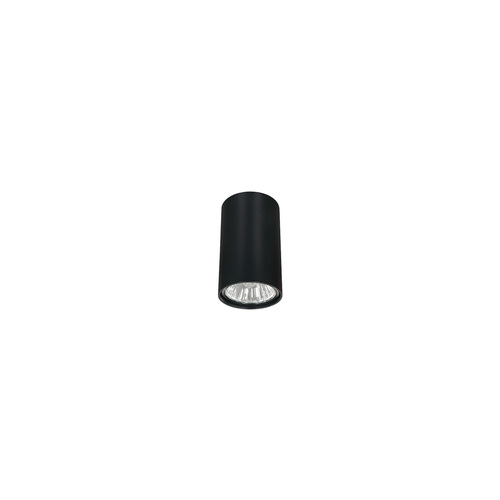
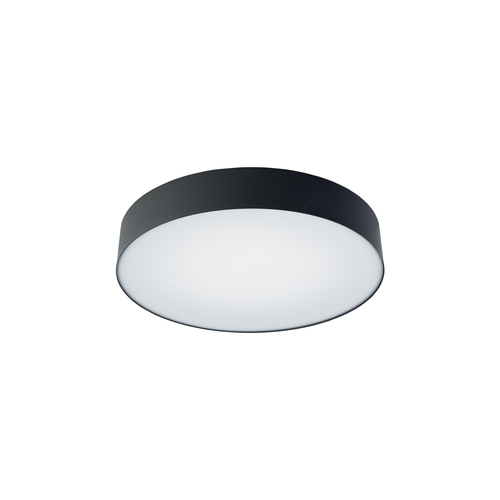
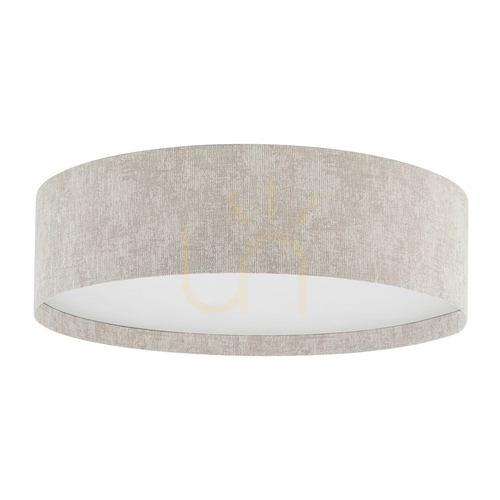
A bedroom ceiling light has an unusual brief: it has to be bright enough to find a black sock in a drawer and soft enough that switching it on at 6am does not feel like an interrogation. That is a dimming problem more than a fitting problem.
Flush, semi-flush or pendant
| Type |
Needs ceiling height |
Best for |
| Flush |
from 2.2 m |
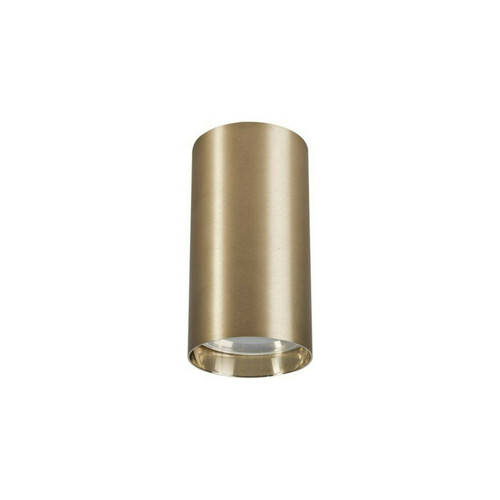
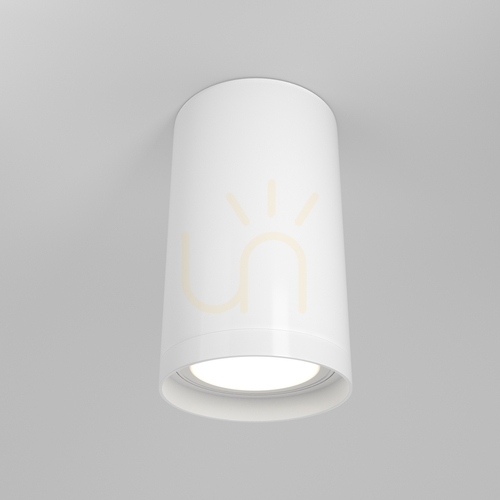
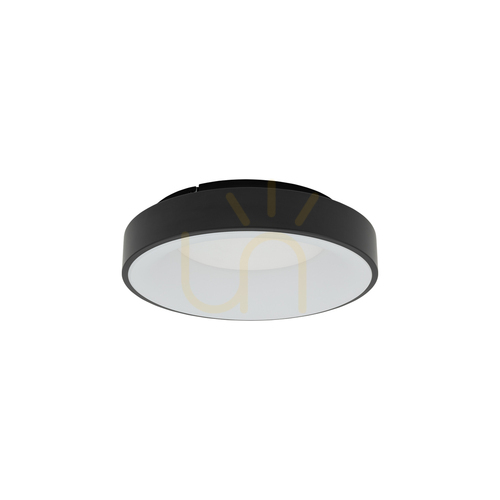
Low rooms, over the bed, loft conversions |
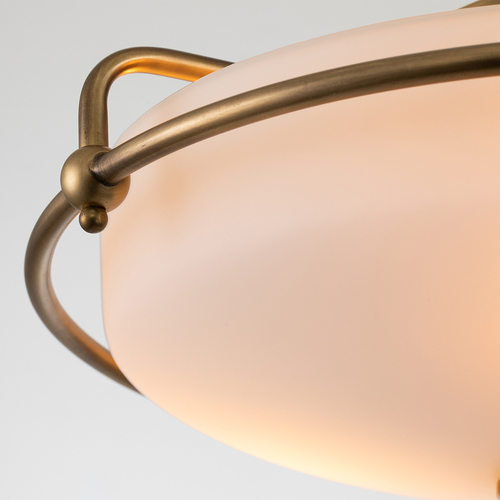
| Semi-flush |
from 2.4 m |
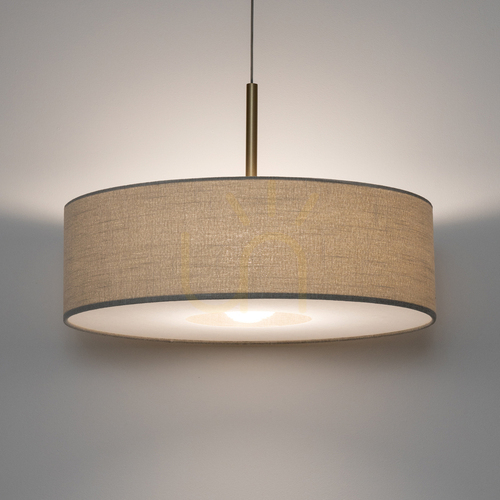
Standard bedrooms; a little ceiling wash |
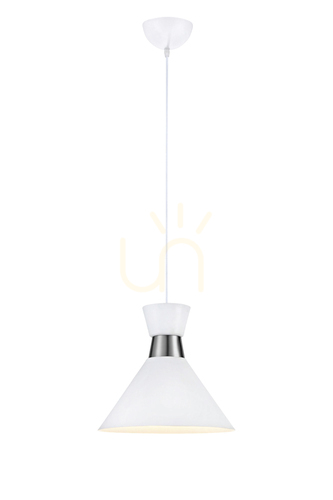
| Pendant |
from 2.6 m |
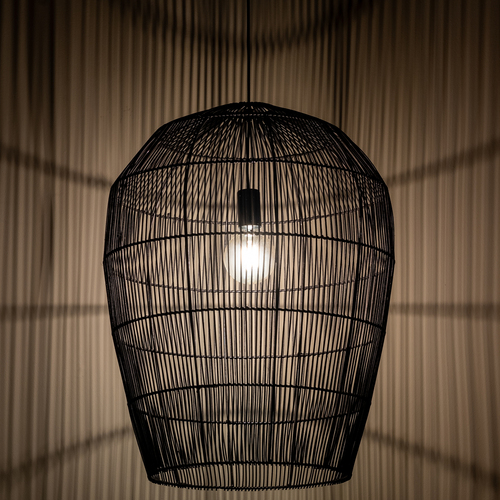
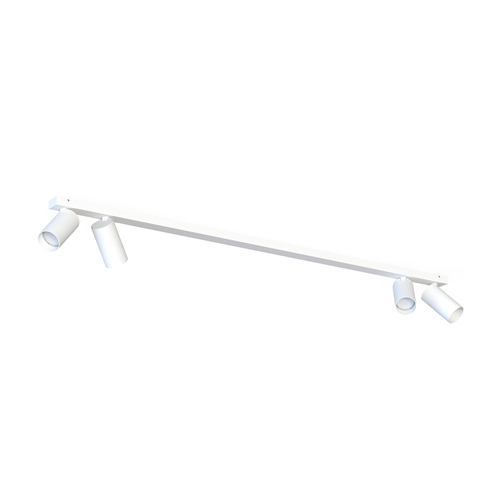
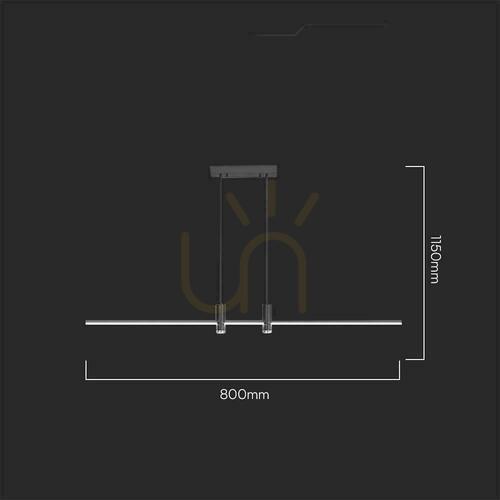
A statement over a chest of drawers, not over the bed |
Anything hanging directly over the bed becomes something you look straight up into. If you want a pendant, hang it off-centre — beside the bed, over a chair — and keep the bed itself under flush light.
Brightness and colour temperature
Aim for around 100 lm per square metre from the ceiling fitting: a 12 m² bedroom lands at roughly 1200 lm. Choose 2700 K. Cooler light suppresses melatonin, which is a real effect and the reason 4000 K bedroom lighting feels wrong even when you cannot say why.
The two-circuit habit
Bedside lamps on their own switch, ceiling light on the door switch. If you can add one thing, add a two-way switch so the ceiling light can be turned off from the bed. It is a small wiring job that changes how the room is used every single night.
Frequently asked questions
What is the best ceiling light for a bedroom?
A dimmable flush or semi-flush fitting with a diffuser, 2700 K, sized so the diffuser is not visible as a bright disc from the pillow.
Should a bedroom light be dimmable?
Yes — it is the single most useful feature in this room. Check the fitting is marked dimmable and use an LED-rated dimmer.
How big should a bedroom ceiling light be?
Add the room's length and width in metres and read the answer as centimetres: a 3 × 4 m bedroom suits about 70 cm.
Also useful: Bedside Lamps and Wall Lights for reading.