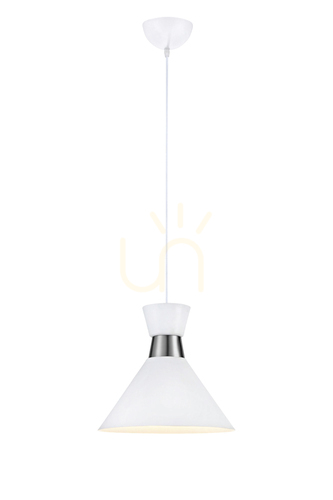
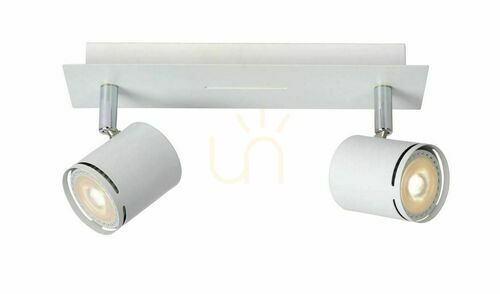
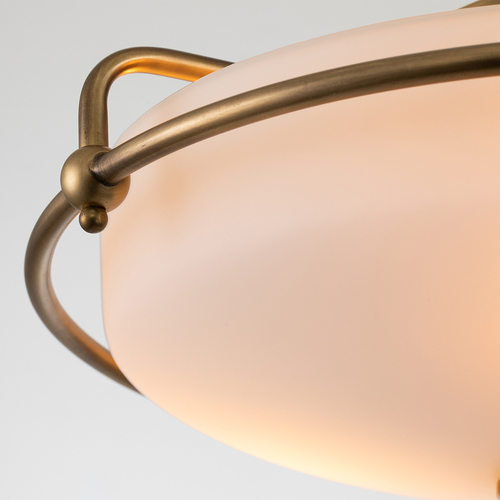
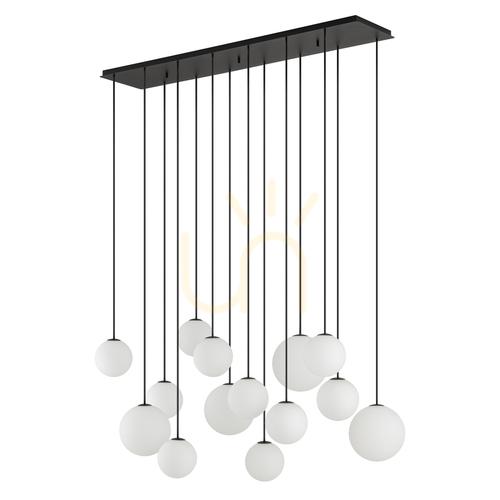
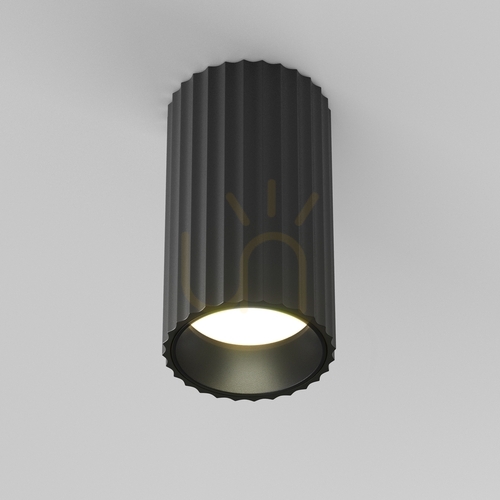
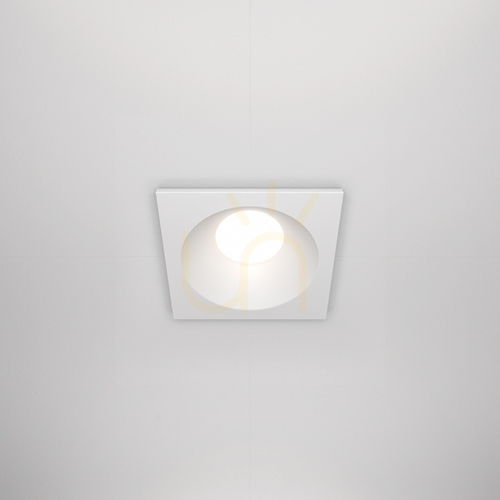
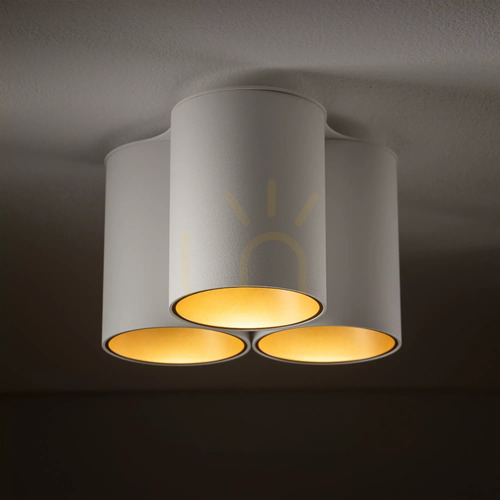
The best dining room ceiling lights are planned around the table rather than the room: centred over the tabletop, a little narrower than it and giving warm light you can dim. In a dining room, ceiling height and the size of the table matter more than any style decision, because they decide whether you hang a pendant, a row of pendants or a flush fitting.
Start with your ceiling height
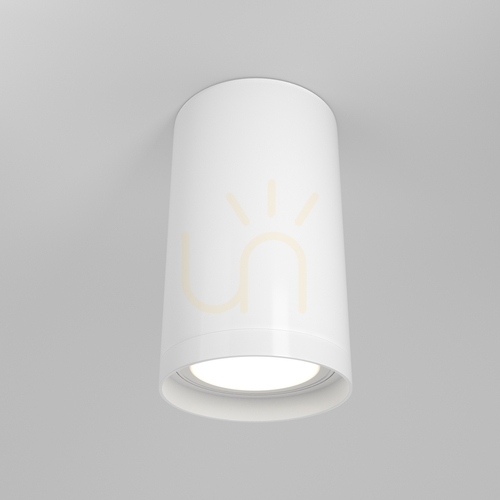
Many British homes have ceilings of around 2.4 m, which leaves less room for a long drop than people expect. Hang a pendant too low over a table that also sits in a walkway, and someone will walk into it. Victorian and Edwardian houses with 2.7 m or more can carry a generous chandelier; a new-build kitchen-diner often looks better with slim pendants or a linear bar.
| Ceiling height |
Fittings that tend to work |
Bottom of the light above the table |
| below 2.4 m |
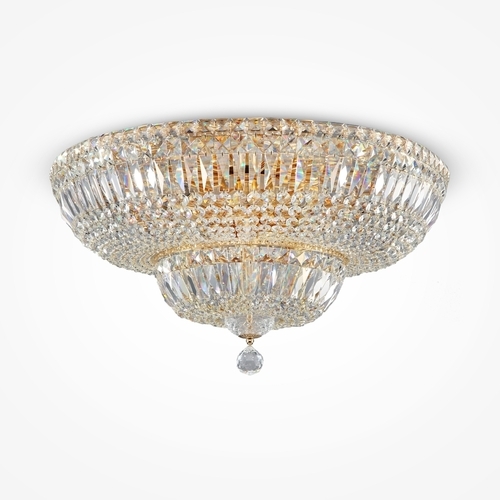
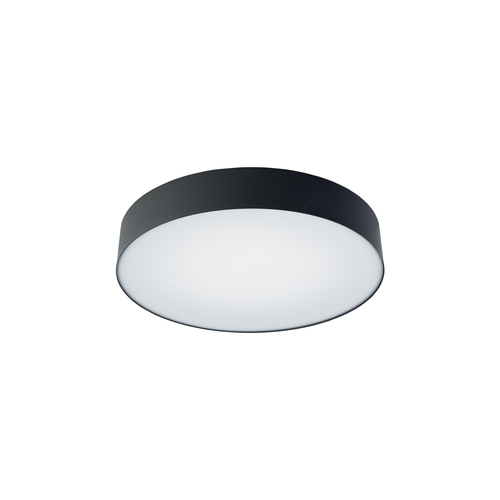
flush or semi-flush fitting, low-profile linear bar |
as high as the fitting allows |
| 2.4–2.6 m |
single pendant, short cluster, linear pendant |
about 65–75 cm |
| 2.7–3 m |
row of 2–3 pendants, medium chandelier |
about 70–80 cm |
| above 3 m |
large chandelier, multi-drop cluster, longer suspension |
about 75–85 cm, as long as no bare bulb shows from a seated position |
Whatever the ceiling, check the result from a seated position. You should not be able to see a bare bulb, and the shade should not cut across the face of the person opposite you.
Sizing the light to the table
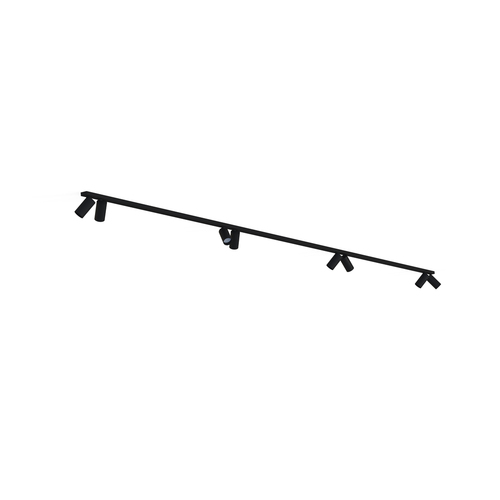
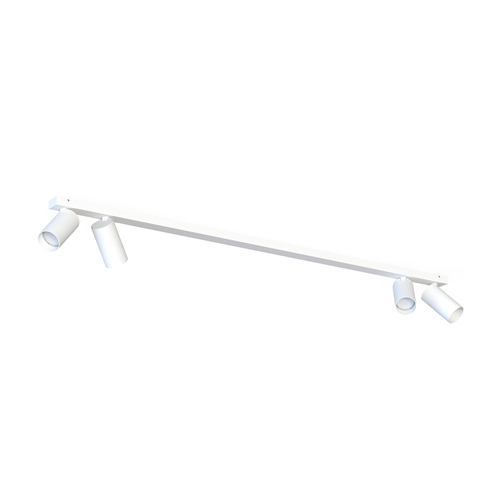
A single shade usually looks right at roughly half to two-thirds of the table's width, leaving roughly 15–25 cm of tabletop clear on either side. A round table of 90–110 cm sits happily under one 40–55 cm shade. Once a rectangular table passes about 160 cm, one central shade leaves the ends in shadow: switch to two or three smaller pendants or a linear fitting of 100–120 cm.
To space several pendants evenly, divide the table length by the number of lights plus one. Three pendants over a 2 m table land 50 cm apart and 50 cm in from each end. Odd numbers tend to look calmer, and pendants that throw light downwards should all hang at the same height.
Warm, dimmable and bright enough
Warm white of 2700–3000 K flatters food and faces; cooler light makes a dinner feel like a meeting. Look for a colour rendering index (CRI) of at least 80, ideally 90 or above. For a table seating four to six, around 1500–2500 lumens from the light above it is a sensible target, with more for a long table.
A dimmer earns its keep here, because the same table hosts homework, a laptop and a slow Sunday lunch. Make sure both the lamp or integrated LED and the dimmer are rated for LED dimming, or you may get flicker and buzzing. In an open-plan kitchen-diner, put the dining light on its own switch so you can dim the table without darkening the worktops.
Installation in a British home
-
Off-centre ceiling rose – the existing rose is usually in the middle of the room, not above the table. A swag hook with the flex looped across, or a fitting with an offset canopy, avoids cutting new channels in the ceiling.
-
Weight – glass and crystal chandeliers need a fixing into a joist or a suitable support, not just a plasterboard plug.
-
Wiring – moving a lighting point or adding a circuit is a job for a qualified electrician working to BS 7671.
-
Adjustable drop – a rise-and-fall pendant or a fitting whose cable can be shortened at the canopy makes it easy to fine-tune the height once the table is in place.
Care
Glass and metal shades wipe clean with a damp cloth. Fabric shades over a table near the hob gather grease and dust faster, and shades that are open at the top collect dust and insects, so give them a look whenever you clean properly. Always switch off and let lamps cool before you touch them.
Frequently asked questions
What is the best layout for ceiling lights in a dining room?
Centre the main light on the table, not the room. Use one pendant over a round or square table and a row of pendants or a linear fitting over a long one, then add softer light elsewhere – wall lights, a floor lamp or spotlights on a sideboard.
How high should a light hang over a dining table?
Usually 65–80 cm from the tabletop to the bottom of the shade, lower for small or open shades and higher for wide ones. With a low ceiling, choose a flush or semi-flush fitting rather than forcing a pendant in.
What kind of ceiling lights work in a kitchen-diner?
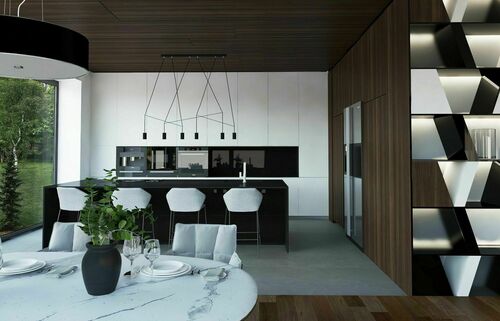
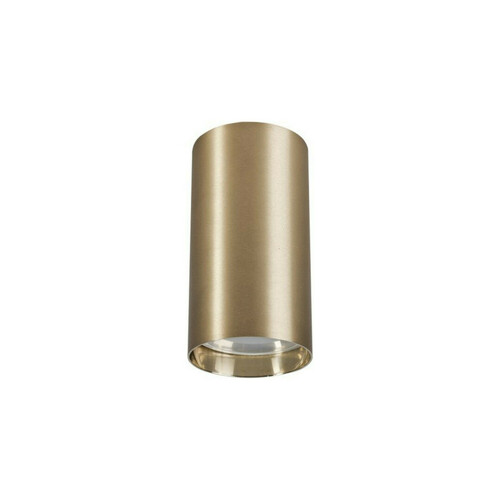
Treat it as two zones. Bright, even light such as spotlights or a flush fitting goes over the worktops, and a warm, dimmable pendant or linear fitting goes over the table, each on its own switch.
Do three pendant lights work over a dining table?
Over a rectangular table of about 180–240 cm, yes. Space them by dividing the table length by four, hang them at the same height and keep each shade small enough to leave elbow room at the edges.
Which styles of light suit a modern dining room?
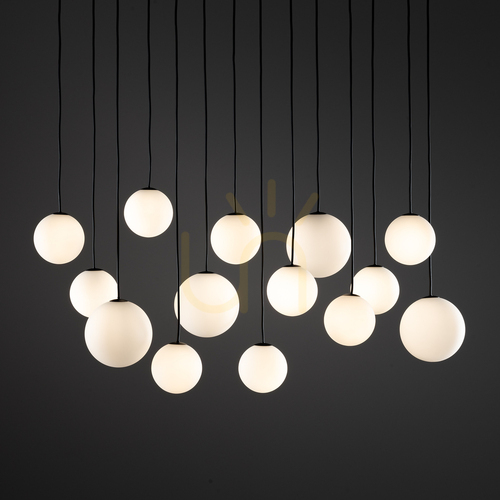
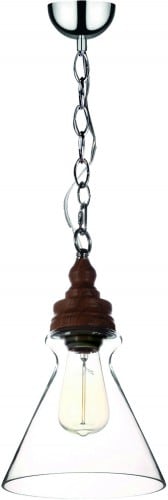
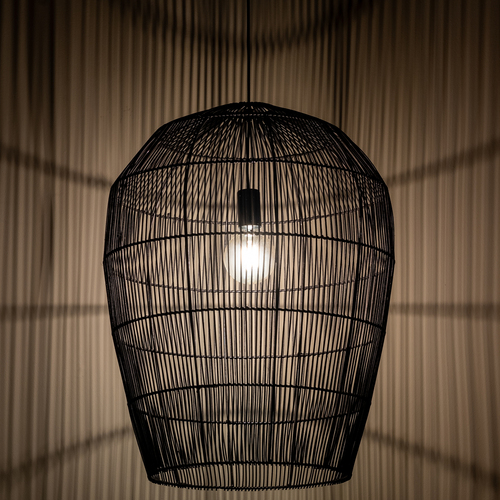
Linear pendants suit long tables, clusters of small glass shades work over round ones, and rattan or wood shades soften a room full of hard surfaces. Warm-dimming LED, which turns warmer as it dims, keeps a clean modern fitting from feeling clinical in the evening. Proportion still matters more than any look.
Should I choose integrated LED or a fitting with a bulb?
An E27 or E14 lampholder lets you change brightness and colour by swapping the bulb. Integrated LED allows slimmer shapes and lasts a long time, but if it fails you replace the module or the whole fitting.
For other shapes of fitting and lights for the rest of the house, see ceiling lights. If you are drawn to dark metal with gilded details over the table, there is more on that pairing under black and gold ceiling lights.