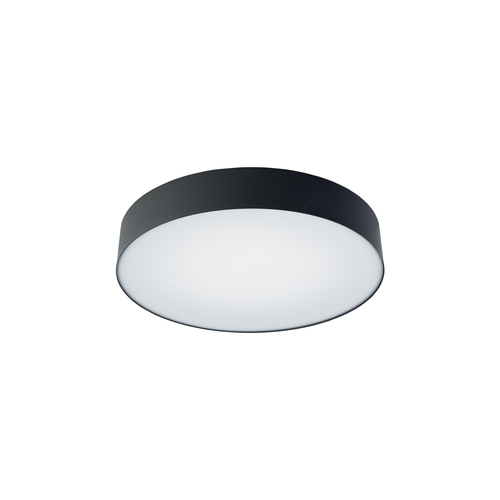
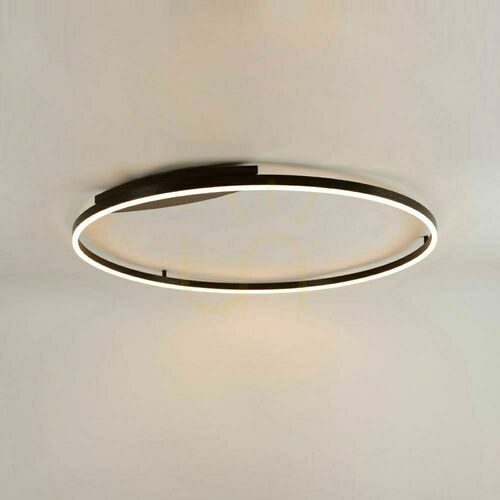
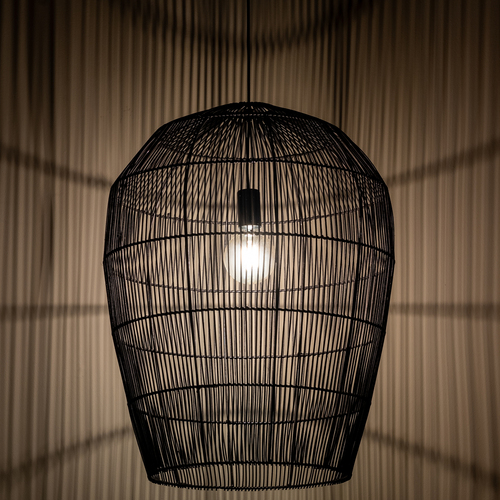
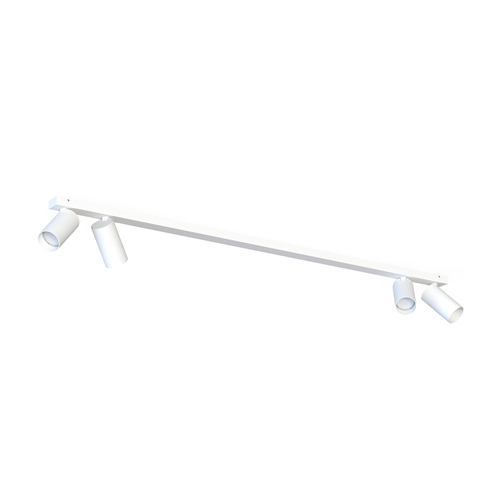
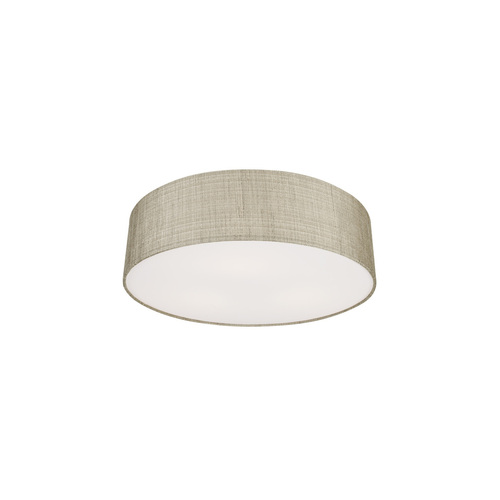
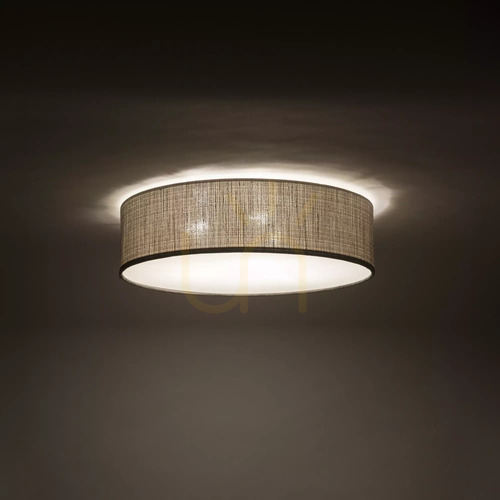
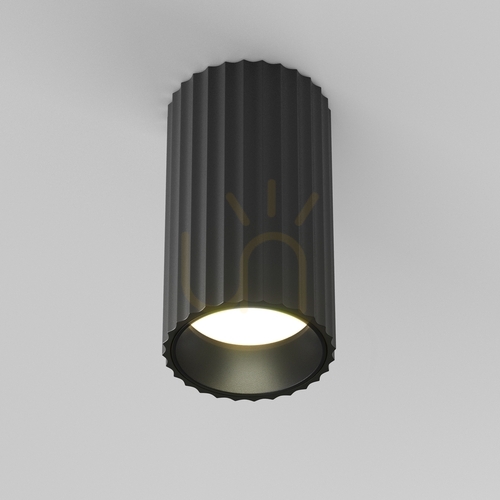
The ceiling fitting is the one light in a living room that has to work in daylight, during cleaning and on a winter evening. Everything else — floor lamps, wall lights — arrives later in the day.
Sizing by room area
| Room |
Diameter |
Output |
| up to 15 m² |
40–50 cm |
2000–2500 lm |
| 15–25 m² |
50–60 cm |
2500–4000 lm |
| over 25 m² |
60–80 cm, or two fittings |
4000 lm and up |
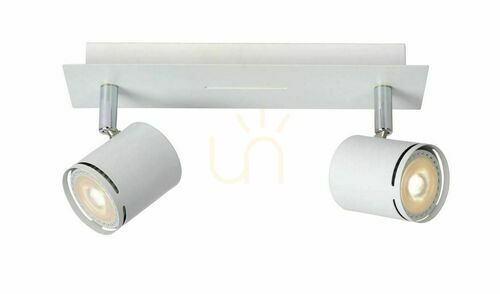
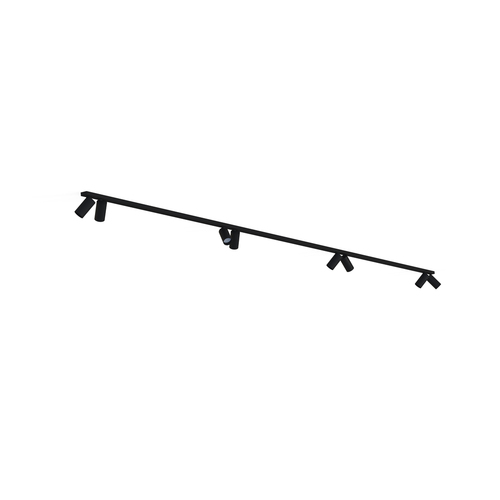
In a long, narrow room a single central fitting leaves both ends dim. Two smaller ones spaced along the axis give far more even light for the same total output.
Flush, semi-flush or suspended
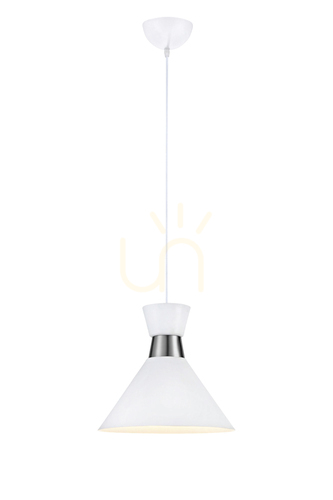
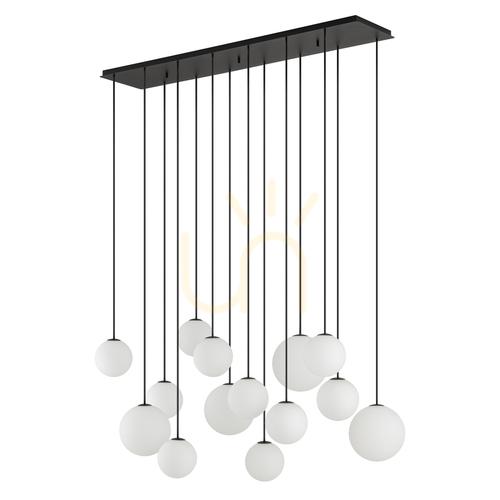
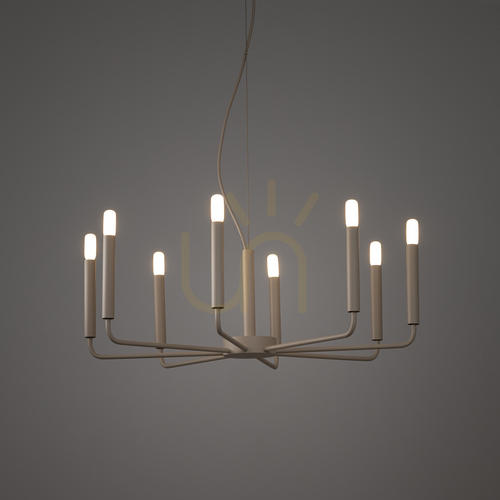
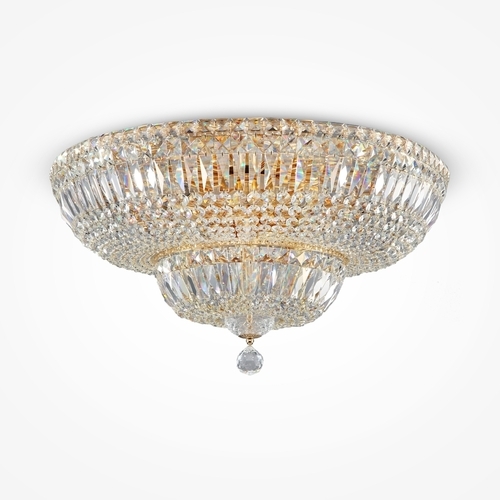
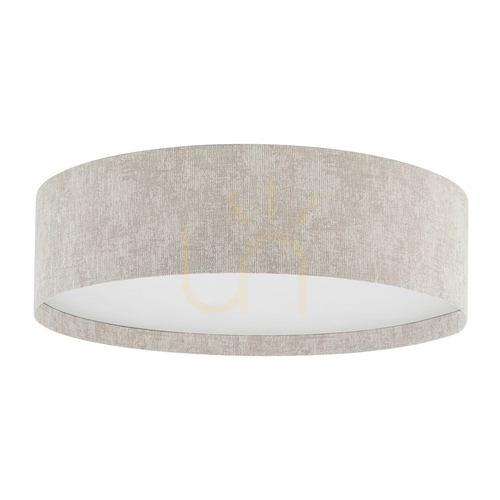
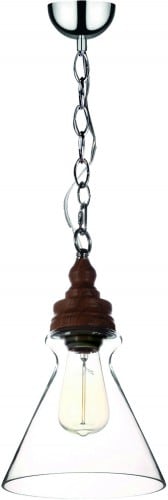
Below 2.5 m of ceiling height, choose a flush fitting — anything with depth eats headroom you cannot spare. Between 2.5 and 2.7 m a semi-flush works. Above 2.7 m a suspended fitting or chandelier fills the volume properly and simply looks better.
Colour temperature and dimming
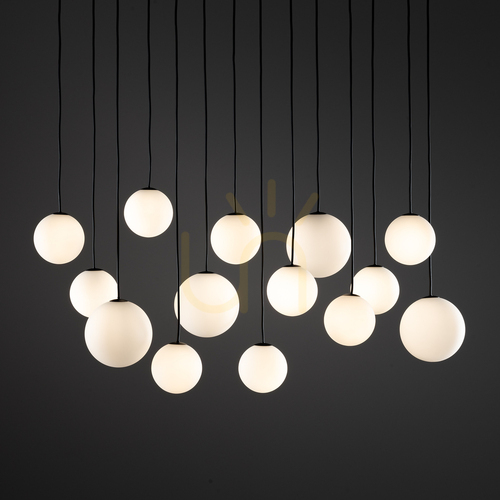
2700–3000 K for a living room. Anything above 4000 K reads as office lighting once the sun goes down. Dimming matters more here than in any other room in the house, because a living room runs in two completely different modes — bright and functional by day, low and warm at night. A fitting without a dimmable rating will flicker or refuse to start on a dimmer, so check the specification rather than assuming.
Common questions
How many lumens for a living room ceiling light?
Around 150–200 lux of general light, which for a 20 m² room means roughly 3000–4000 lm from the ceiling.
Can a ceiling light be the only light in a living room?
Functionally yes. For the room to look right in the evening you also want wall lights or a floor lamp — a single bright point overhead flattens everything.
What size ceiling light for a 20 m² room?
50–60 cm across, 2500–4000 lm, ideally dimmable.
See also chandeliers and indoor wall lights.