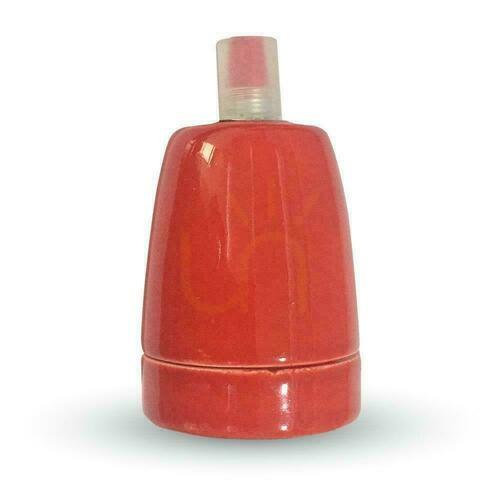
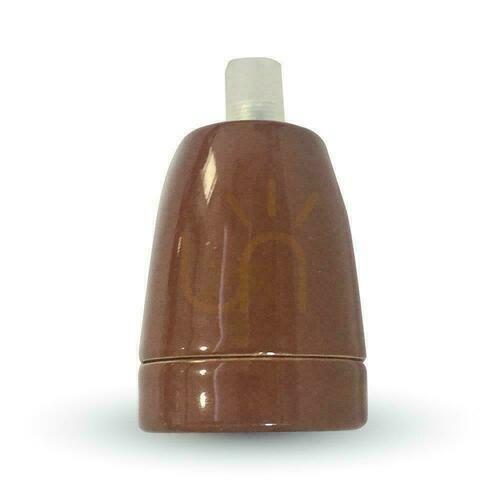
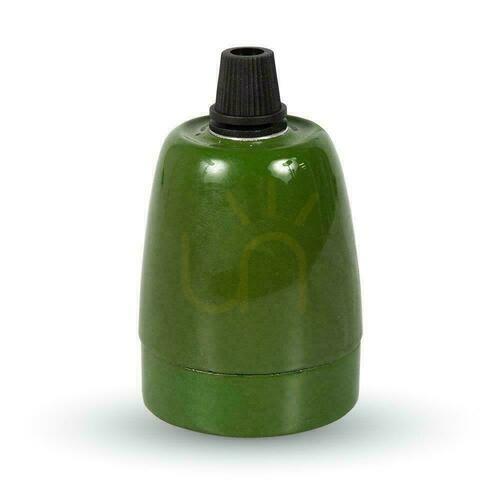
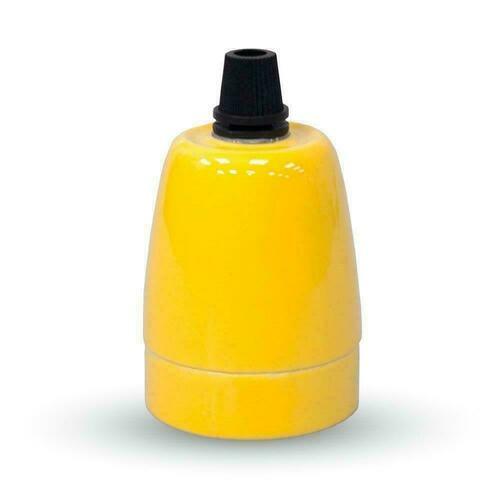
Vintage plug sockets give a modern, safe power outlet the face of an older house: a round porcelain body, a black Bakelite-style moulding or a brass plate with a toggle switch. The style changes only what you see on the wall. What sits behind it – the socket standard, the back box and the wiring – decides whether a particular socket will work in your home at all.
Check the plug standard before the finish
This is where most disappointments start. British homes use 13 A sockets to BS 1363 (type G), the square-pin outlet that came in after the Second World War together with ring circuits and fused plugs. Much of mainland Europe uses round-pin Schuko (type F) or type E outlets rated 16 A. A beautiful porcelain socket made for the continent will not take a UK plug, and adapters plugged into a wall outlet permanently are a poor idea. If you live in the UK, look for vintage-style sockets built to BS 1363; if you are fitting out a property in Germany, France or Poland, the reverse applies.
Within the UK, the retro look comes in two broad families. Period plates in antique, aged or polished brass, often with dolly or toggle switches, suit Victorian, Edwardian and Georgian houses. Round porcelain and Bakelite-style fittings, surface-mounted with fabric cable, belong more to the industrial and mid-century look.
How to choose
| Decision |
Typical options |
What to bear in mind |
| Socket type |
BS 1363 13 A, switched or unswitched, single or double |
switched sockets are the British norm; unswitched suit hidden appliance outlets |
| Mounting |
flush in a metal back box, or surface on a pattress |
flush plates usually need a 25–35 mm deep box; deeper boxes leave room for USB modules |
| Plate finish |
antique brass, aged brass, polished brass, nickel, black |
antique brass is even in tone; aged brass is deliberately patchy |
| Body material |
porcelain, Bakelite-style thermoset, metal |
metal plates must be connected to earth |
| Insert colour |
black, white or cream |
black inserts read as more period; white looks cleaner on pale walls |
| Extras |
USB-A or USB-C charging, matching switches and dimmers |
buy switches from the same range so the tone matches |
Where vintage sockets work best
In a Victorian terrace, a brass double socket on the skirting-height line keeps the room consistent with brass door furniture and picture rails. In a converted warehouse or a barn, surface-mounted round sockets on exposed brick, linked by twisted fabric cable, turn the wiring itself into part of the design. On timber walls a surface-mounted socket is often the sensible choice, since chasing timber is not an option; it should sit on a non-combustible pattress.
Kitchens and bathrooms need more thought. Brass and porcelain are fine in kitchens, but sockets near a sink should be placed at a sensible distance from water. In bathrooms, ordinary 13 A sockets are restricted, and anything near the bath or shower needs a suitable IP rating and an electrician's view of the zones.
Common mistakes and care
-
Buying the look and ignoring the depth – old houses often have shallow back boxes. A plate with USB charging or a chunky porcelain body may need a deeper box or a surface pattress.
-
Thin fabric cable – the decorative 0.75 mm² cable used for pendant lights is not a socket circuit cable. Fabric-covered cable is made in heavier sizes for power runs.
-
Doing it yourself without knowing the rules – in England, adding a new circuit or working in a bathroom is notifiable building work under Part P, and all work should meet BS 7671. Swapping a faceplate like for like is simpler, but if in doubt, ask a registered electrician.
-
Cleaning brass the wrong way – switch off at the consumer unit, then wipe with a soft dry cloth. Unlacquered brass darkens with handling, which is the point; abrasive polish strips lacquered finishes.
Frequently asked questions
When did the UK start using 3-pin plugs?
Earthed three-pin plugs existed before the war, in round-pin versions rated 2 A, 5 A and 15 A. The 13 A square-pin plug with a fuse became the standard for new homes shortly after the Second World War, alongside ring circuits.
What did Victorian light switches and sockets look like?
Victorian switches were usually brass, round and operated by a small rotary knob or a dolly, mounted on a turned wooden block. Sockets were rare in Victorian homes; most were added later. Modern period ranges borrow the brass, the dolly switch and the stepped plate edge.
How do you fill in an old plug socket?
Never plaster over a box with live cable inside. An electrician either disconnects the cable at its source or terminates it safely and fits a blanking plate, which keeps the connection accessible. A brass or black blanking plate looks tidy next to period sockets.
Can I fit a vintage socket from Europe in a UK house?
Not as a normal outlet. Continental sockets take type E or F plugs; British appliances have type G plugs. Choose BS 1363 sockets for UK wiring.
Are old round-pin sockets still safe?
Round-pin sockets are often found in old houses, sometimes on lighting circuits for lamps. They may be perfectly sound, but old wiring deserves an inspection before you rely on it.
Can I get a vintage double socket with USB?
Yes, many brass ranges include double sockets with USB-A or USB-C ports. Check the back box depth before you order.
For the wider picture of socket types and plugs, see electrical plugs and sockets. And if the room is getting the full period treatment, vintage light bulbs with visible filaments are the natural next step.