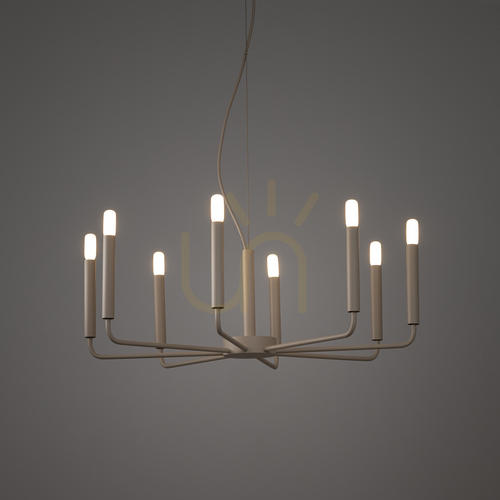
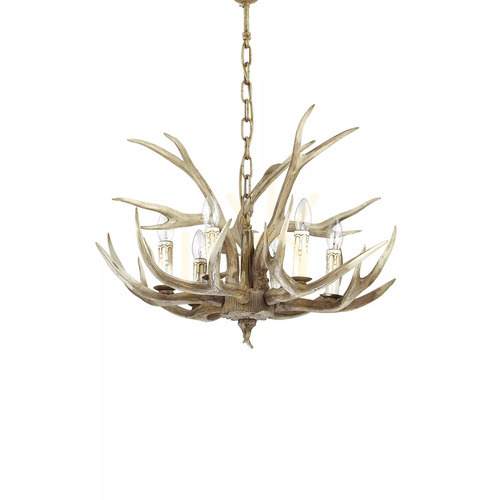
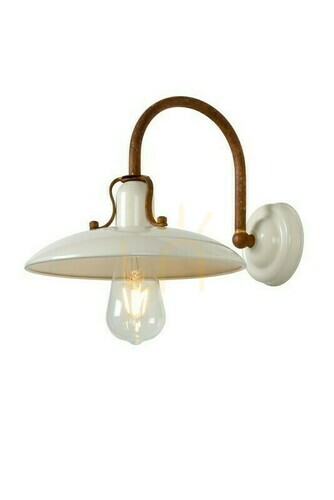
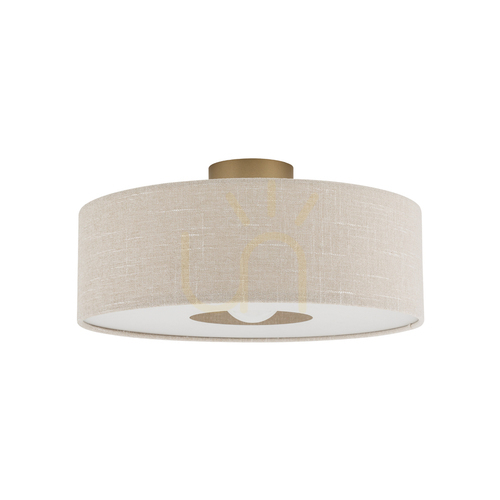
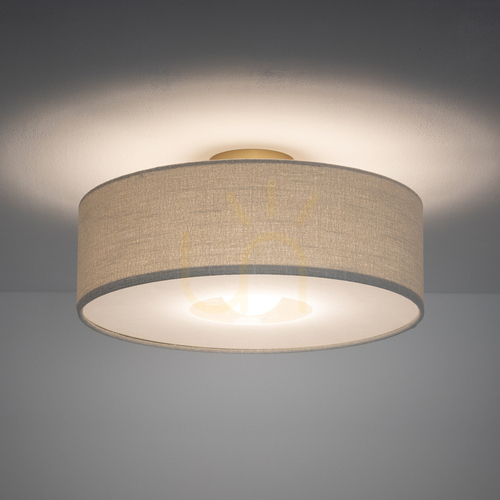
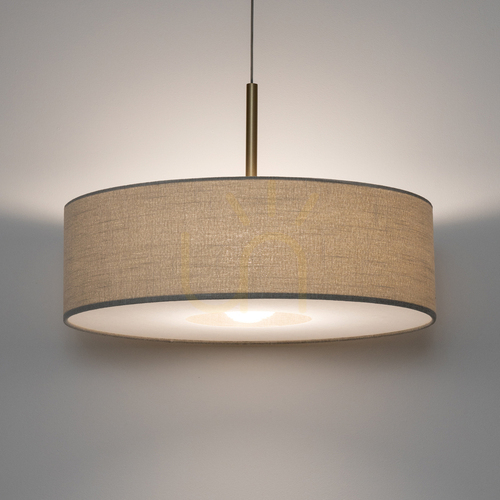
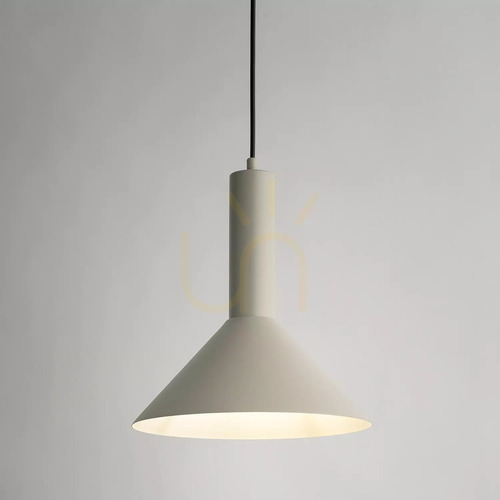
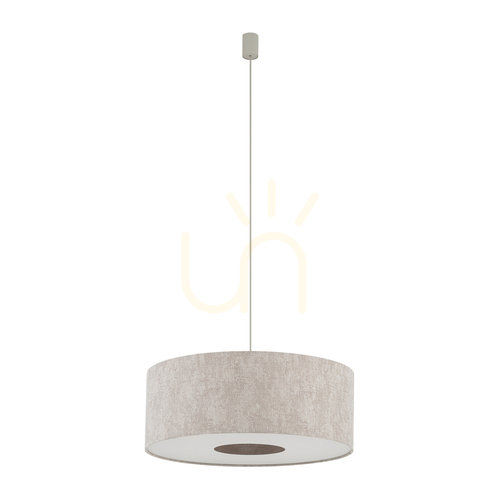
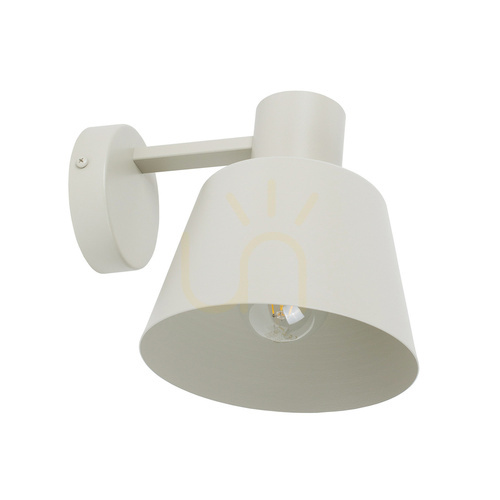
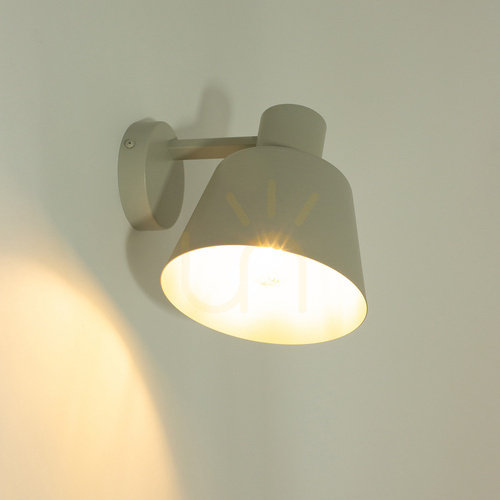
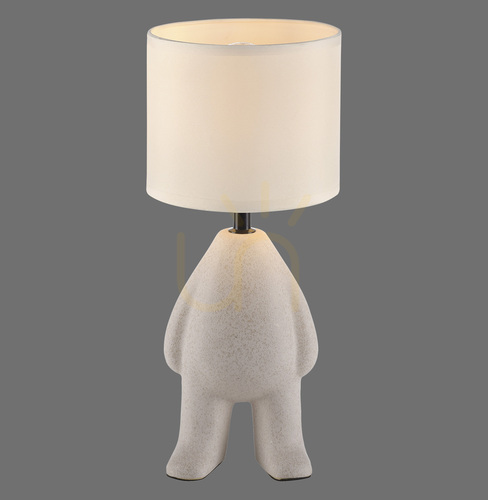
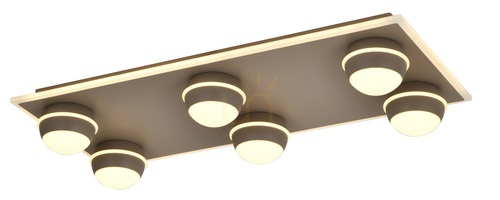
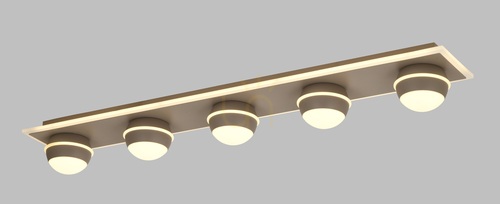
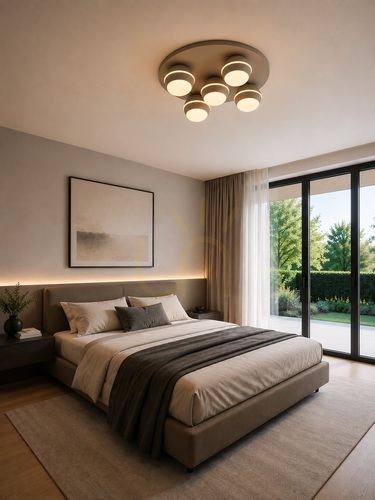
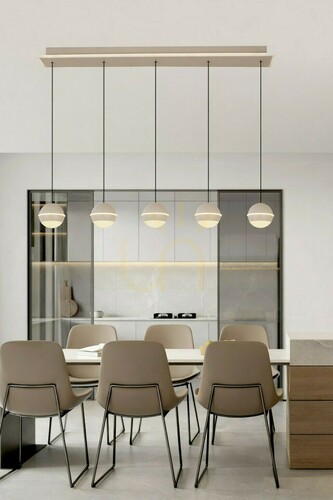
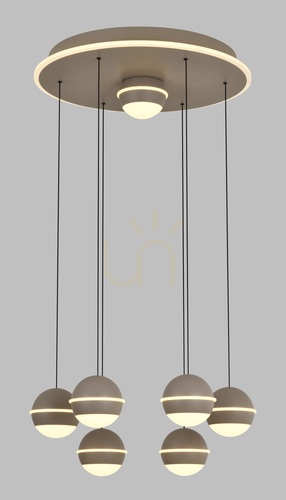
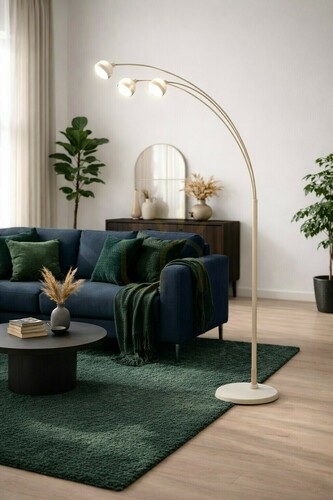
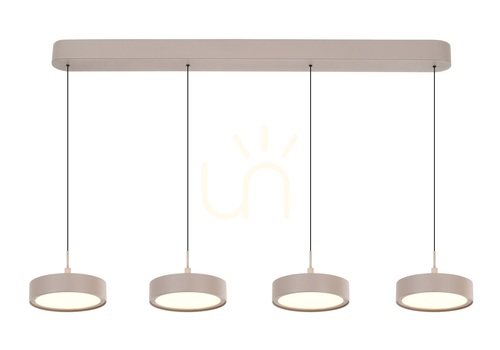
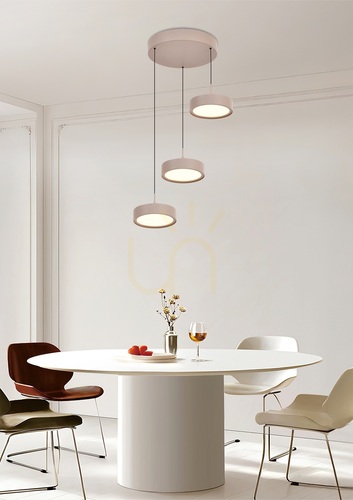
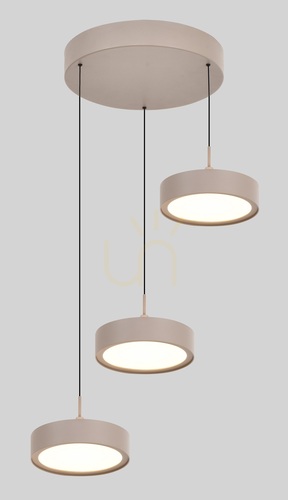
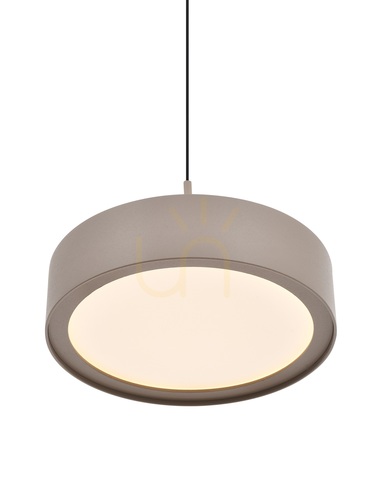
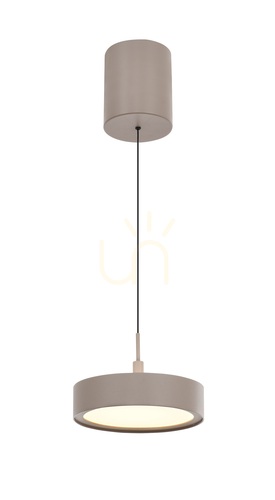
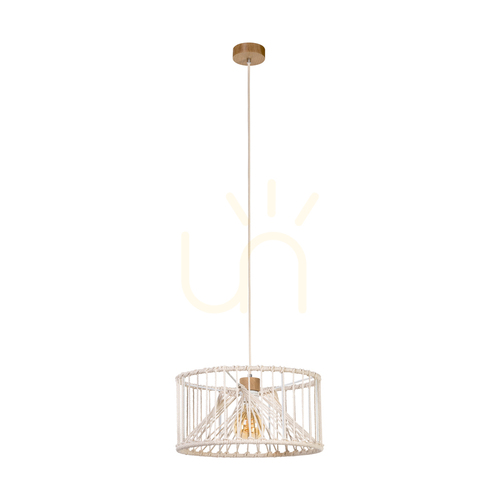
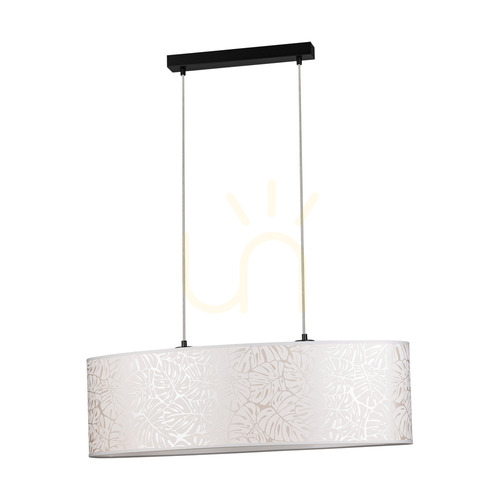
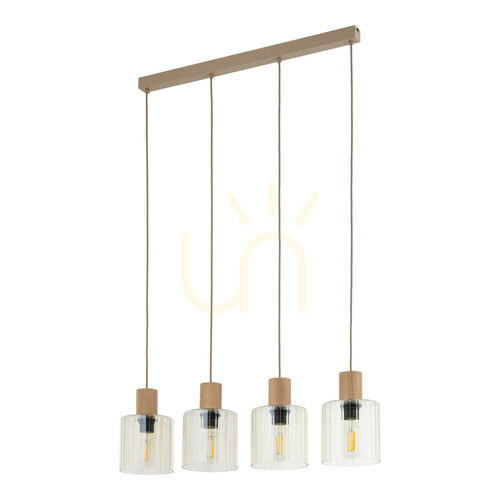
A beige lamp adds warmth to a room without asking to be looked at – the colour steps back behind wood, upholstery and plants and gives them a calm backdrop. With lighting there is a bonus a beige cushion can't offer: light passing through or bouncing off a beige shade takes on its tone, so the glow is softer and cosier than under crisp white.
In British shops the same family turns up under several names: cream, natural, stone, oatmeal, sand, taupe and greige. Cream is paler and yellower, stone and greige lean grey, oatmeal and natural usually mean an undyed linen look. It is worth holding a curtain swatch or cushion next to a product photo before buying, because on screen the shades look closer than they do in a room.
Floor, table or ceiling: where beige earns its place
Many UK living rooms are lit mainly by lamps rather than the central pendant, and that is exactly where beige is at its best. A beige floor lamp with a fabric shade by the sofa creates a pool of soft light; a table lamp on a sideboard or windowsill adds a second, lower glow. Layering two or three lamps like this looks far more inviting than one bright ceiling light. For a reading chair, choose a floor lamp with an adjustable head or a shade that is open at the bottom, so the light reaches the page.
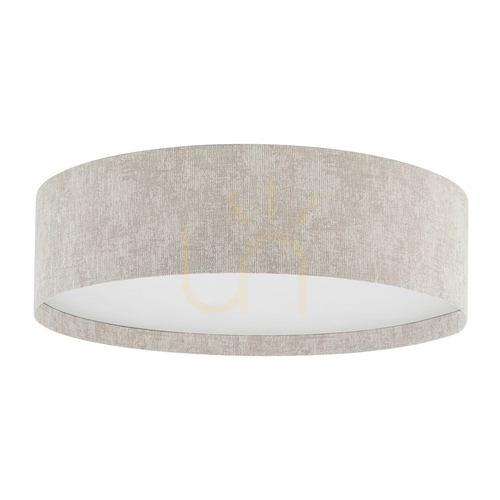
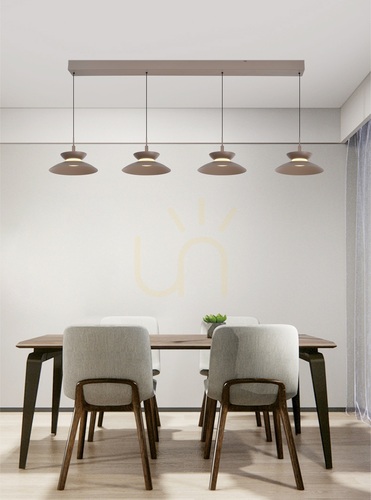
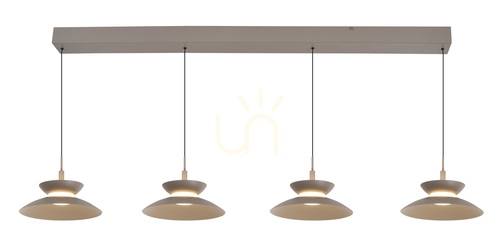
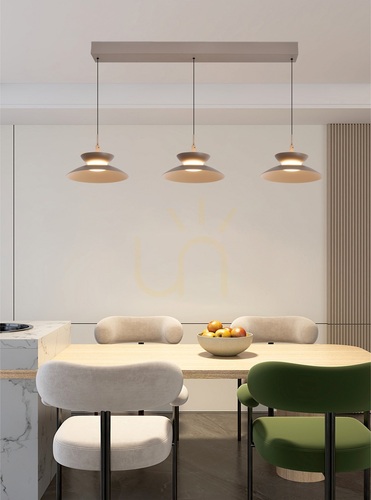
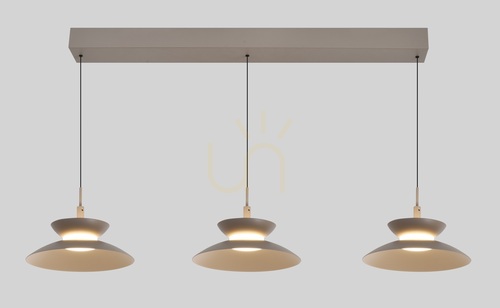
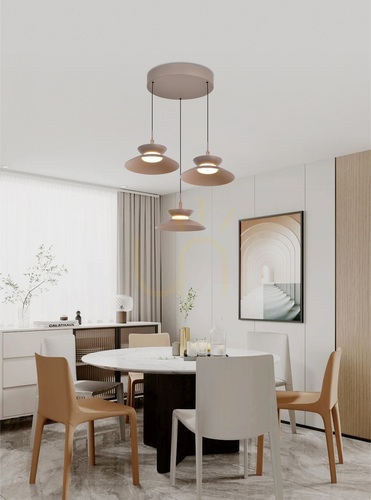
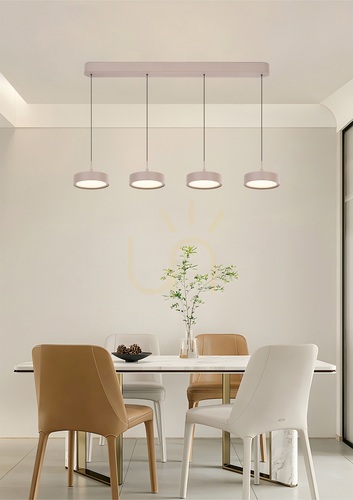
Overhead, a beige pendant above a dining table brings the same warmth down to where people sit, and in rooms with standard ceilings of around 2.4 m a flush or semi-flush fitting keeps headroom clear. By the bed, a smaller beige shade with a dimmable or low-output bulb keeps the light gentle before sleep.
Getting the size and bulb right
| Lamp |
Rule of thumb |
Typical values |
| Table lamp on a sideboard |
bottom of the shade at seated eye level |
overall height usually 55–75 cm |
| Floor lamp for reading |
shade just above shoulder height when seated |
height about 140–180 cm, bulb around 800 lm |
| Pendant over a dining table |
clear sightlines across the table |
shade bottom 60–75 cm above the tabletop |
| Lampshade on a base |
shade wider than the base, never wider than the furniture |
roughly two thirds of the base height |
| Bulb for any beige shade |
warm white, good colour rendering |
2700–3000 K, CRI 90 if you can |
Check the cap before buying bulbs. UK lamps often use the B22 bayonet, while many European designs take E27 (ES) or the smaller E14 (SES); compact spotlights may use GU10. Fittings with integrated LEDs have no replaceable bulb, so look at the stated colour temperature first.
Shade materials and what they do to the light
-
Linen and cotton: the shade glows, most of the light goes up and down. Thin linen lets more through than a lined drum.
-
Pleated fabric: a softer, more traditional look; the pleats catch dust, so plan for regular brushing.
-
Ceramic and stone-effect bases: no light passes through, but the matt beige surface gives the lamp weight on a console or bedside table.
-
Rattan, paper and woven fibres: patterned shadows on walls and ceiling, great for Japandi and boho rooms, less so for a desk.
-
Painted metal: a focused pool of light under the shade, ideal above a table or kitchen island.
Pitfalls and care
Cool white light is the most common mistake. At 4000 K and above a beige shade looks grey and tired, so keep neutral light for the desk. A dense fabric shade also cuts more light than people expect – lovely for mood, weak for reading. Pale fabric can yellow with heat and strong sun; LED bulbs run cool and are kinder to shades, but the maximum wattage marked on the fitting still applies.
Dust fabric shades with a soft brush or lint roller and spot-clean marks with a barely damp cloth rather than soaking them. Wipe ceramic and metal with a dry or slightly damp cloth, no harsh cleaners. Plug-in lamps you can set up yourself; a hard-wired ceiling light should be connected by a qualified electrician working to BS 7671.
Questions people ask
Is a beige floor lamp a good choice for a living room?
Yes – it gives the soft, low light that makes a living room feel lived-in. Put it beside the sofa or a reading chair and pair it with a table lamp elsewhere in the room for balance.
Do beige lamps look modern?
They do in simple shapes: cylinders, globes, cones and matt finishes. Beige takes the edge off black, concrete and glass without looking fussy.
What size should a large beige table lamp be?
On a sideboard or console, 60–75 cm overall works well, with a shade no wider than the surface beneath it. On a side table next to the sofa, keep the shade bottom roughly at seated eye level.
Is a beige or a white lampshade better for a living room?
For evening light, usually beige. Light passing through a beige shade picks up its tone and comes out warmer and a little softer, so the room feels calmer than under a crisp white shade, which lets more light through and looks brighter but cooler. If the lamp has to light a desk or a reading spot on its own, a white or thin linen shade is the more practical choice.
Can I just change the shade to beige?
Often, yes. Check the fitting type – a shade ring, a duplex fitting or a reversible gimbal – and the shade's diameter against the base, then use a cool-running LED bulb.
Can different beiges be mixed in one room?
Yes, as long as they lean the same way – all warm or all greyish. Mixed materials in one tone then look intentional rather than mismatched.
For other fitting types and colours, browse indoor lighting; for smaller lamps by the bed in the same tone, see beige bedside lamps.