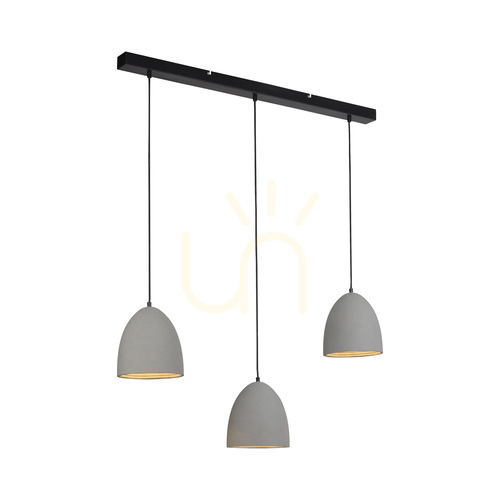
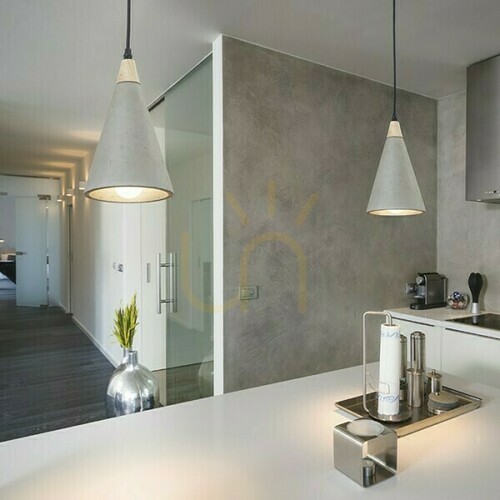
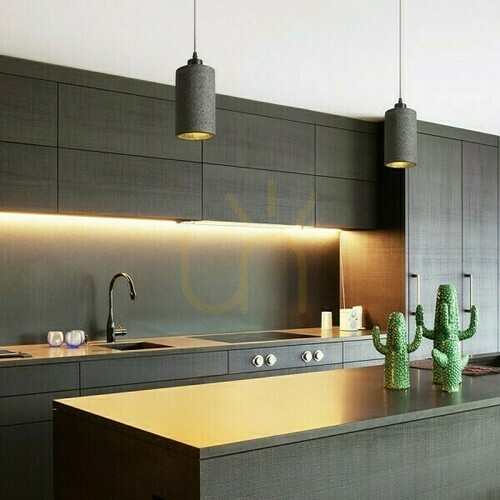
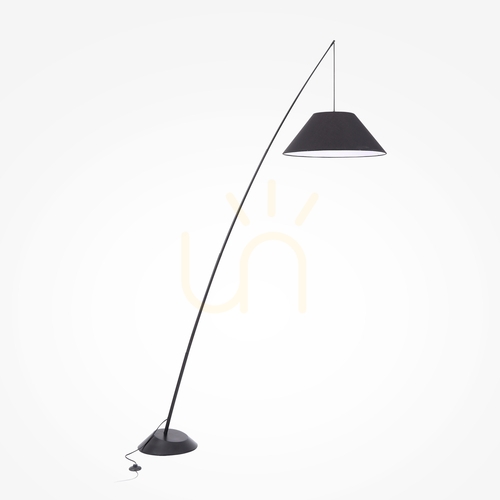
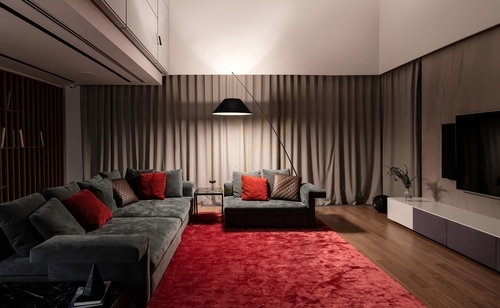
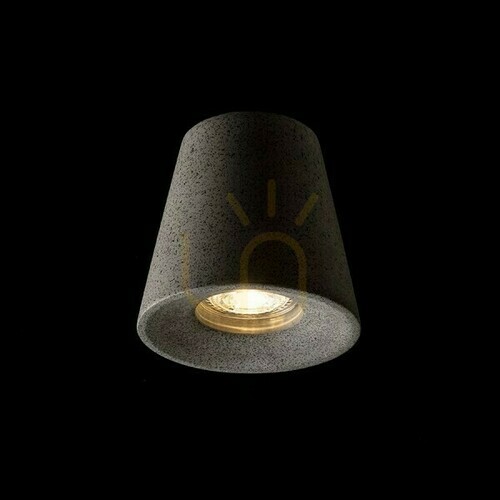
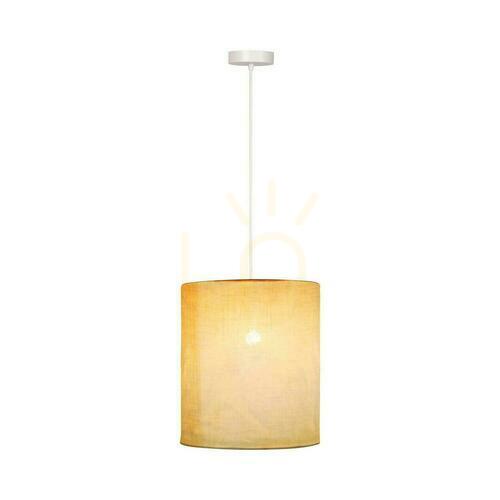
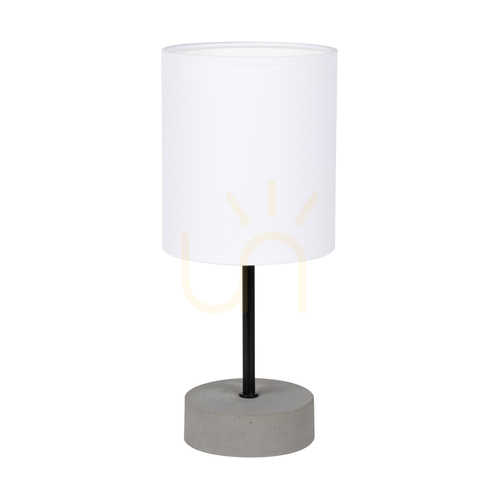
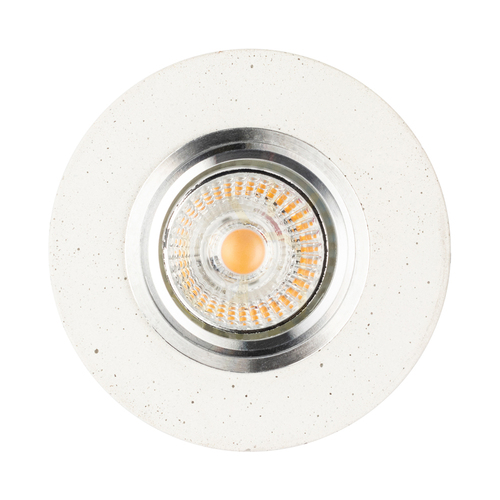
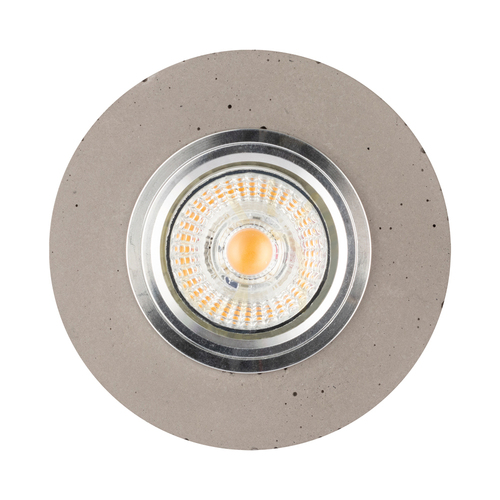
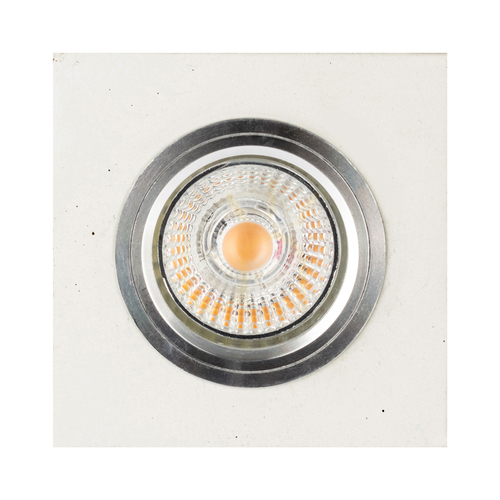
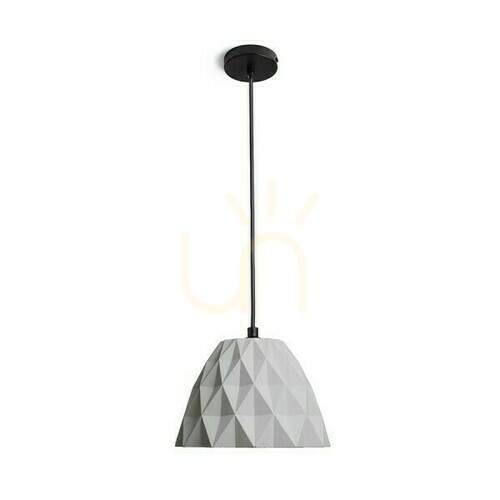
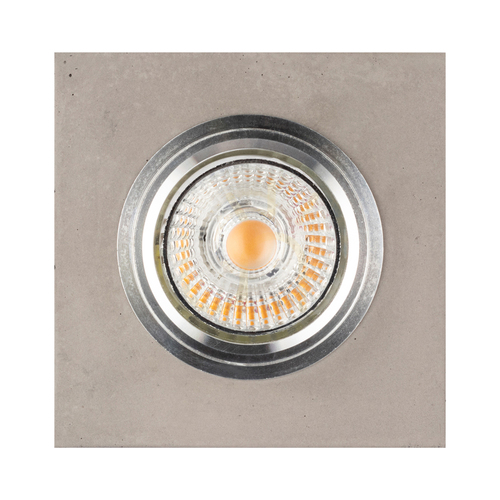
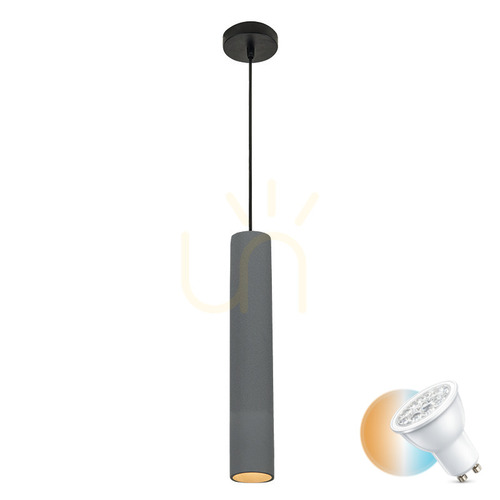
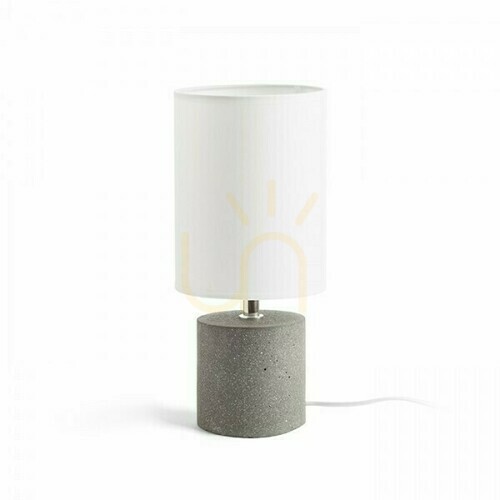
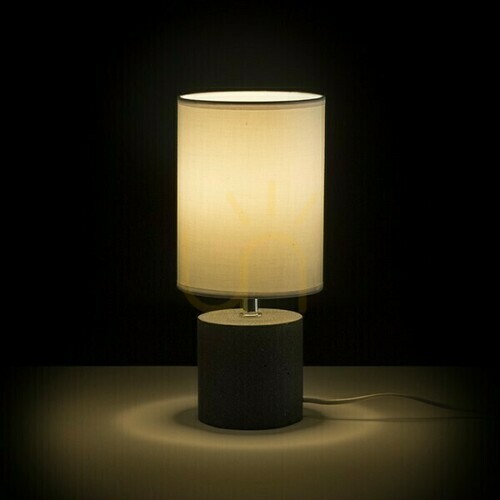
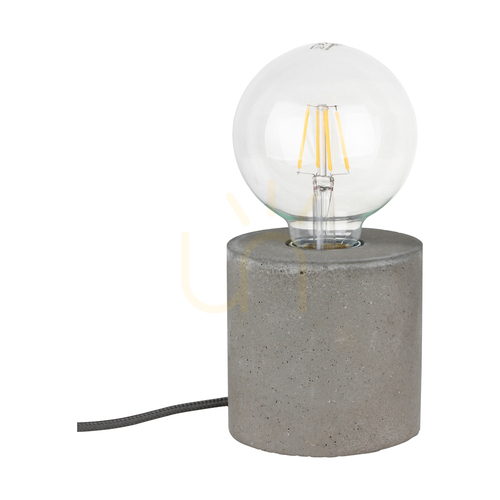
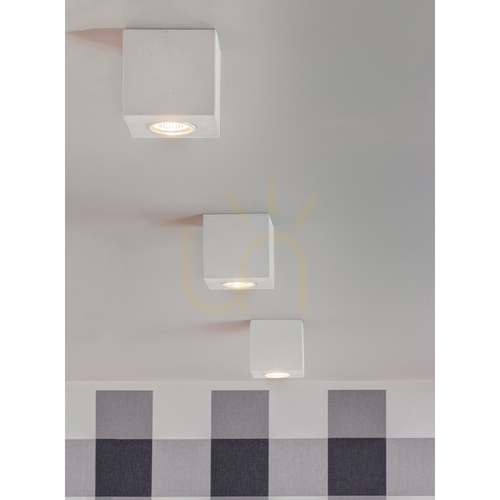
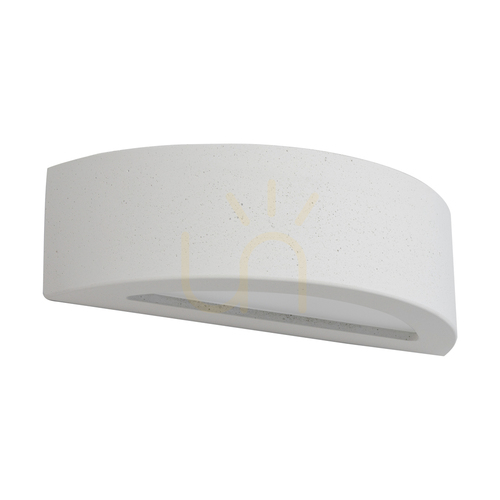
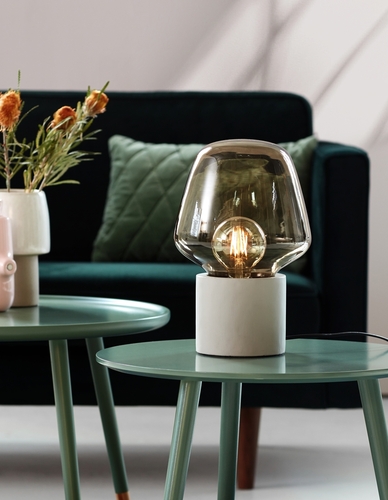
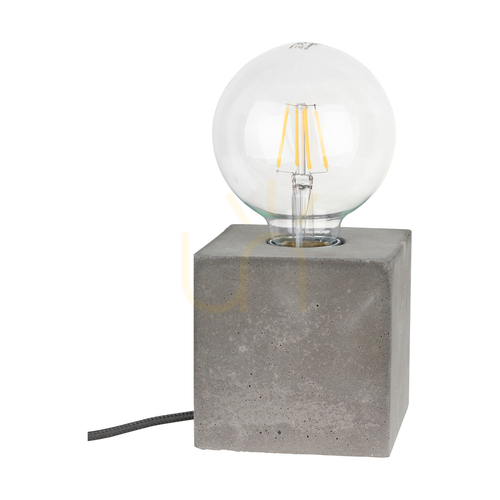
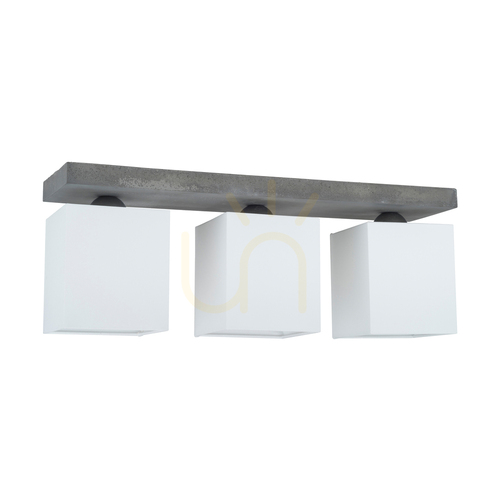
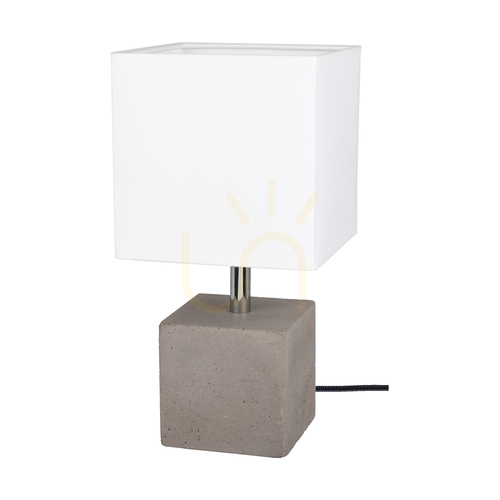
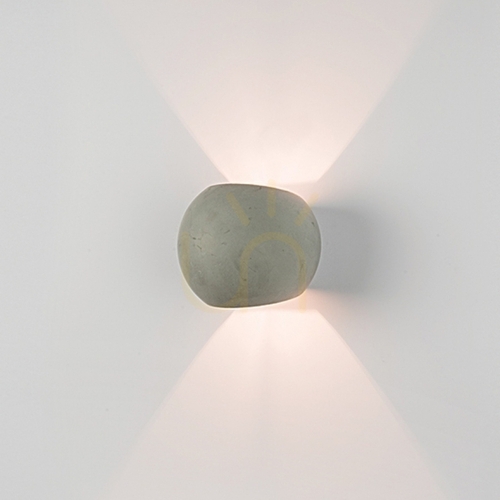
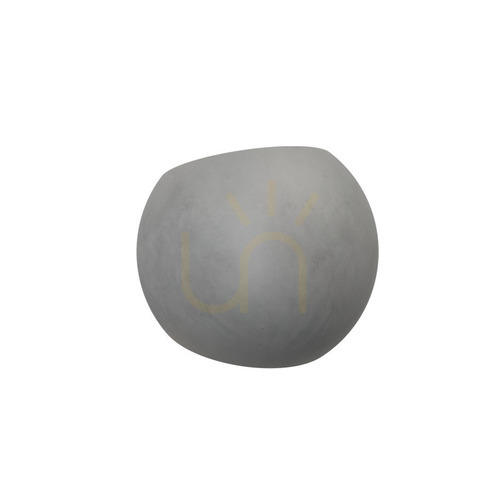
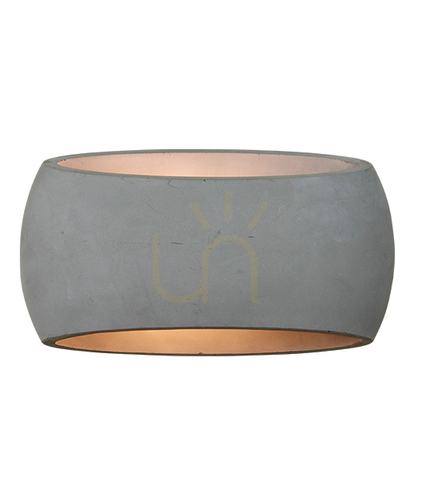
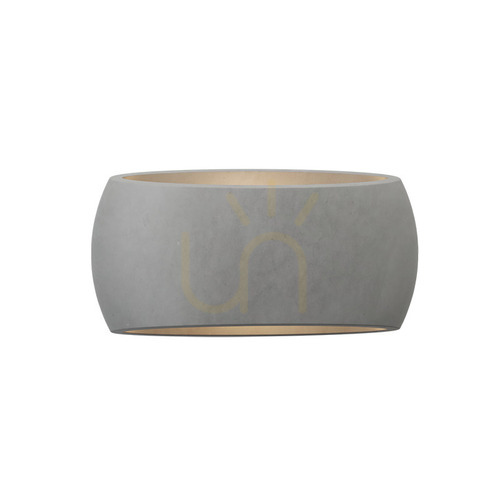
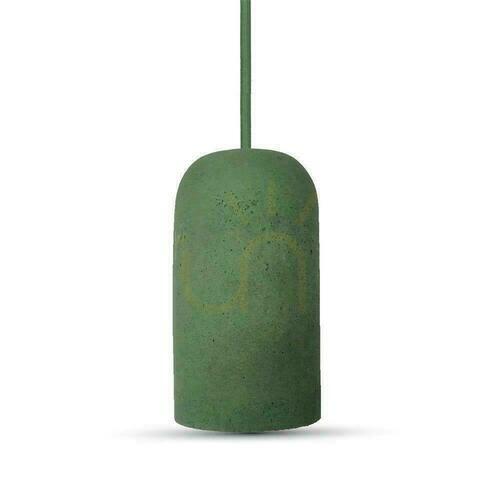
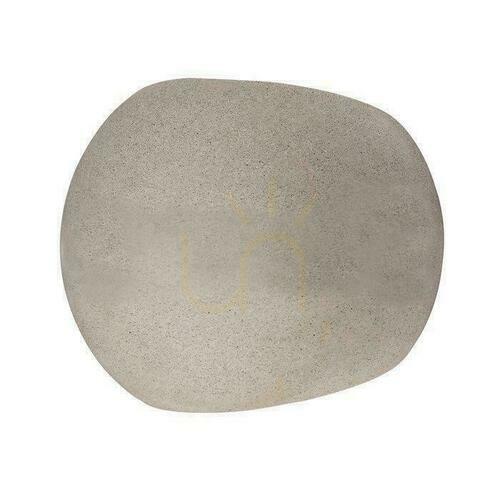
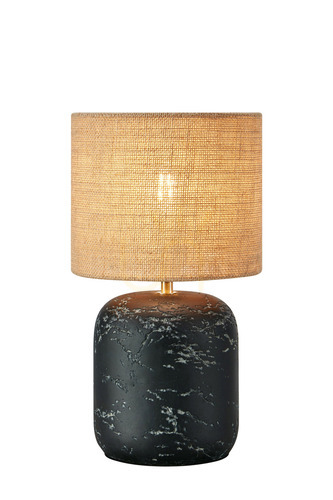
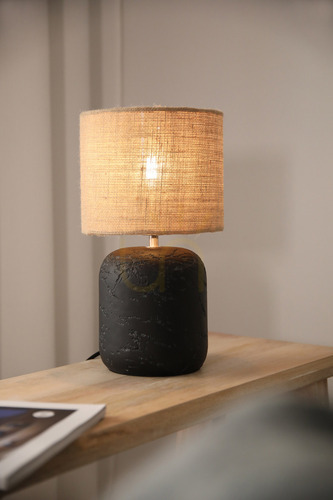
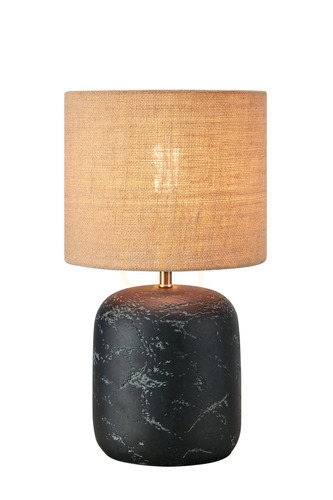
A concrete lamp is a light whose shade, base or body is cast from real concrete, usually by hand in a mould. Indoors that gives you a matt, slightly rough surface no paint effect can copy and, where the shade itself is concrete, light that leaves only through its open end, so it lands exactly where you aim it rather than washing across the room.
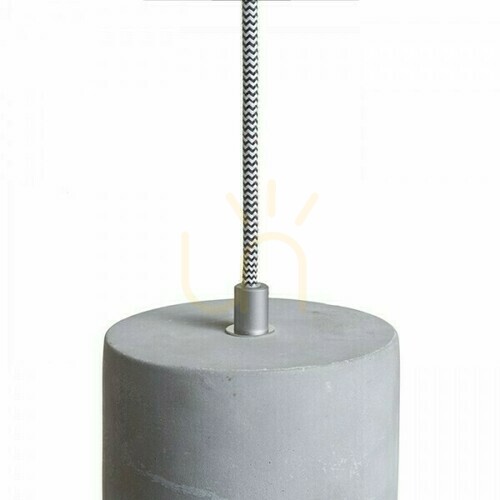
Because each piece is poured individually, no two are identical. Tiny pores left by air bubbles, faint shifts in the grey and marks from the mould are part of the material, not faults – and they are the reason people choose concrete over a smooth grey metal shade.
What concrete changes in an indoor light
Concrete is opaque. A concrete pendant throws a defined pool of light onto a table or worktop while the ceiling and upper walls stay in shadow. That is lovely over a dining table and less useful as the only light in a living room, so plan some general lighting alongside it.
Many shades are painted inside in white, silver, copper or gold. The lining bounces more light out and warms its tone, which matters a great deal against cool grey. Some lights use concrete for one part only – the shade, the base of a table lamp or the ceiling cup – with metal, glass or wood for the rest, so check the specification.
You will also see concrete-effect lights: metal, resin or plaster finished in grey. They are lighter and easier to hang, but they lack real pores and the cool, stony feel. Genuine concrete is heavier, although fine-grained, often fibre-reinforced mixes allow thin walls, and a mid-sized pendant may weigh no more than a couple of kilograms.
Choosing a concrete light
| Fitting |
Typical size |
Lamp cap |
Worth checking |
| Pendant over a dining table or kitchen island |
shade Ø 15–40 cm, flex 1–2 m |
E27 or GU10 |
bottom of the shade around 65–75 cm above the table |
| Cluster of pendants on one ceiling plate |
3–5 small shades |
GU10 or E27 |
a larger ceiling plate needs a sound fixing point |
| Flush ceiling light |
Ø 30–50 cm, 7–10 cm deep |
integrated LED or E27 |
good for low ceilings; check whether light spills sideways |
| Wall light |
15–30 cm tall, often up-and-down |
GU10 or G9 |
usually fixed 160–180 cm from the floor |
| Table or bedside lamp |
30–50 cm tall |
E27 or E14 |
heavy base is stable; felt pads protect wood |
| Floor lamp |
140–200 cm tall |
E27 |
base diameter and weight decide how steady it is |
One British quirk: the bayonet B22 cap is the UK default, but most concrete lights take an E27 screw cap or a GU10 twist-lock pin cap, so check before you buy bulbs. Warm white at 2700 K suits grey concrete in living rooms and bedrooms; 3000–4000 K works better in a kitchen or study. Filament bulbs play up the industrial look, while frosted or opal LEDs give softer, glare-free light. For dimming you need a dimmable bulb and a compatible dimmer.
Concrete sits naturally in industrial and loft schemes with black steel, but it is just as at home with pale oak and linen in a Scandinavian or Japandi room. Brass, copper and smoked glass push it towards a warmer, more polished feel.
Fitting a concrete light to the ceiling
Most British homes have plasterboard or lath-and-plaster ceilings on timber joists. A lighter pendant hangs from a standard ceiling rose; a heavier one should be screwed into a joist or a noggin fitted between joists, not just into the board. Flats and conversions often have a concrete slab instead: drill it with an SDS or hammer drill and use proper expansion anchors.
Lighting circuits fall under BS 7671, and in England and Wales new circuits or work in bathrooms are notifiable under Part P, so use a registered electrician. Note whether the light is Class I (earthed) or Class II (double insulated). Indoor concrete lights are typically IP20, for dry rooms only; bathrooms call for IP44 or higher.
Care and common mistakes
- Concrete is porous and soaks up grease and dyes. Above a hob, a sealed or lacquered shade is the safer choice.
- Dust with a dry, soft, lint-free cloth, a brush or a feather duster.
- Avoid vinegar, acidic cleaners and limescale removers – acid attacks the cement surface.
- Scouring pads leave scratches that show far more on concrete than on metal.
- Check the edges when you unpack. Pores are normal; a crack or a chipped rim is not.
- Mind the scale: a chunky concrete shade overwhelms a small room faster than a glass one of the same diameter.
Concrete lamp FAQs
Can you install lights in a concrete ceiling?
Yes. Drill with a hammer or SDS drill, fit expansion anchors and a hook or mounting plate, and let the electrician deal with the cable run, which is usually surface-mounted or chased into the slab.
What kind of ceiling light suits a concrete ceiling?
Flush lights and short pendants work well on an exposed concrete ceiling. A dark or white concrete shade gives contrast; one in the same grey tends to disappear against it.
What are the downsides of a concrete pendant?
Weight, a narrow beam and a porous surface. It needs a firm fixing, it lights the table rather than the room, and an unsealed shade marks in a greasy kitchen.
How heavy is a large concrete lamp?
A small GU10 shade is usually under a kilogram; large domes and floor lamps can weigh several. The product data gives the exact figure, and that decides your fixing.
Is a concrete table lamp base stable?
Very. The weight sits low, so a tug on the flex rarely tips it over. Stick felt pads underneath to protect furniture.
Can I use an indoor concrete lamp outside?
Only if it is rated for it. Rain will not hurt the concrete, but the lampholder and flex of an IP20 light are not protected.
Concrete pairs well with other natural materials, so stone lamps are worth a look. More on other fittings for the home, from pendants to floor lamps: indoor lighting.