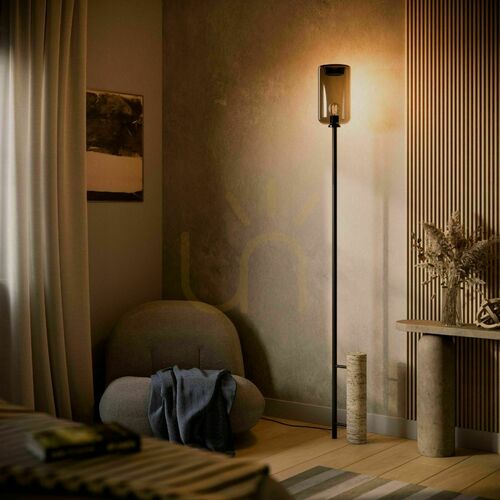
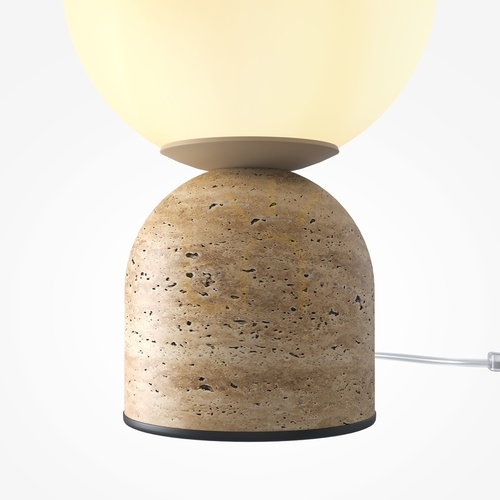
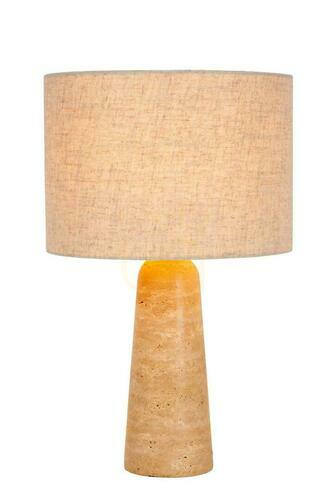
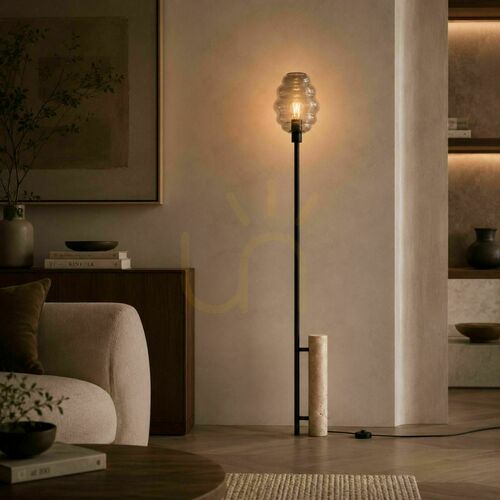
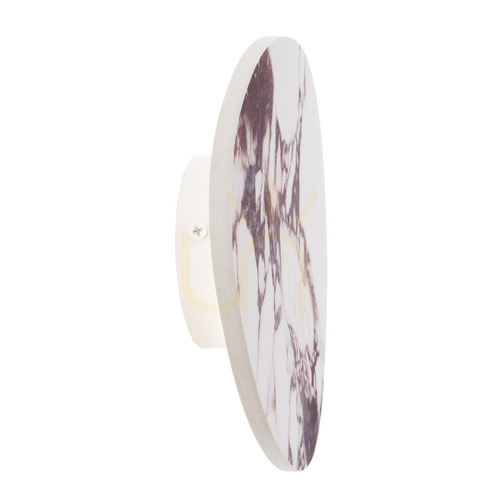
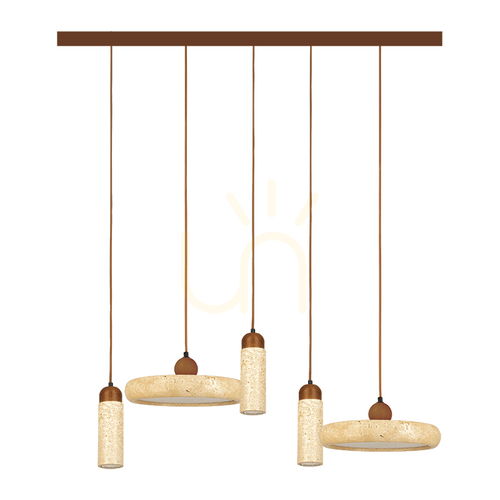
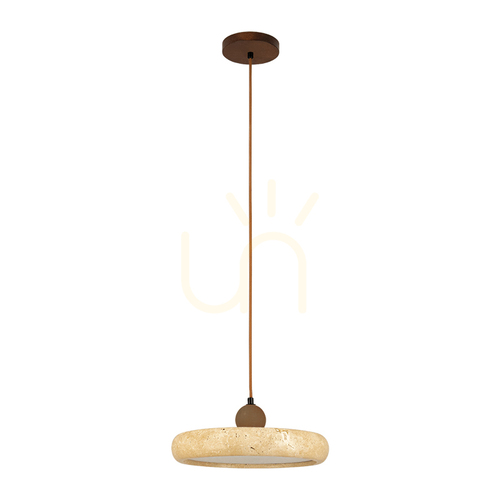
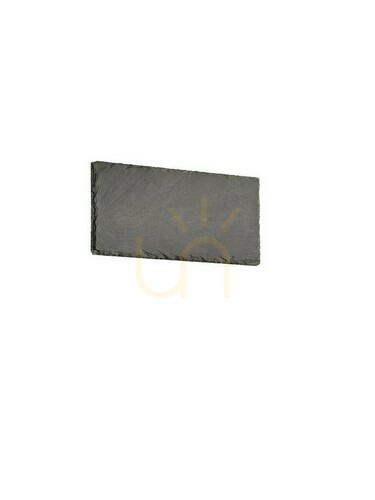
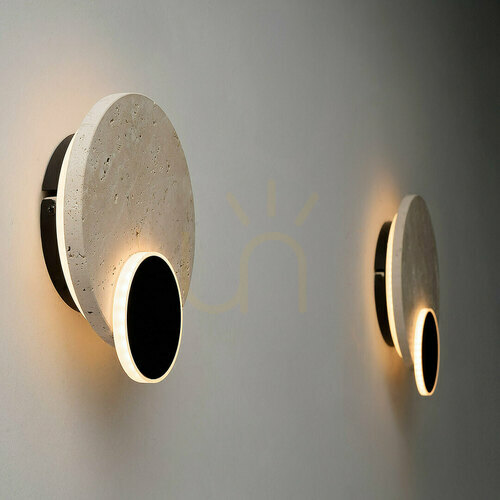
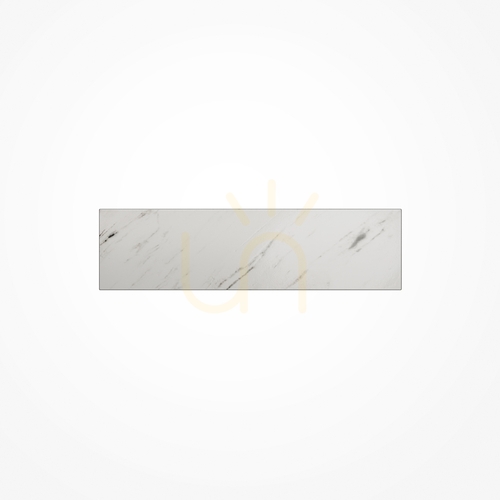
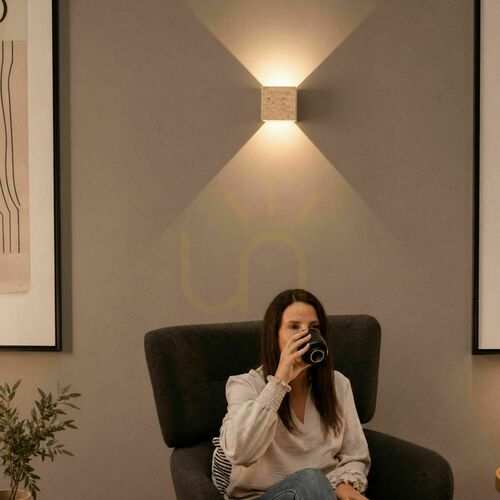
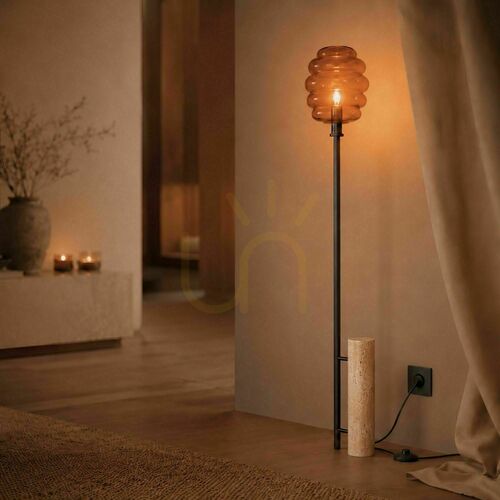
A stone lamp is a light whose base, body or shade is cut from real stone – marble, travertine, onyx, alabaster, slate or granite. The stone gives the lamp weight, a cool surface and a pattern no other piece will repeat, and the right stone will even let light through, glowing a soft honey colour once switched on.
That second trick is what separates a stone lamp from a lamp that merely sits on something heavy. Knowing which stones glow, which only carry, and how much they weigh makes the choice far easier.
Base, body or glowing shade
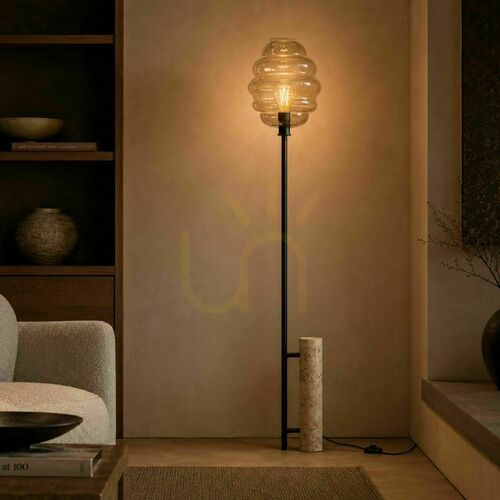
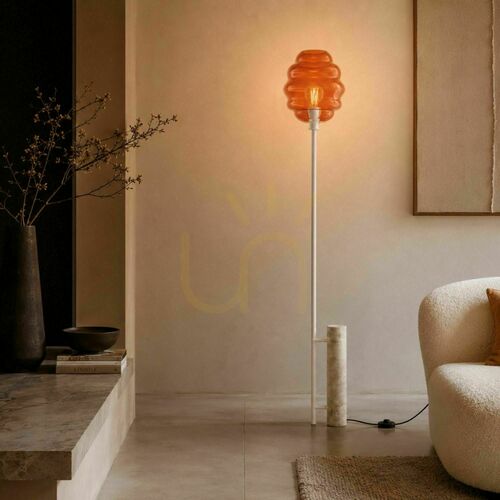
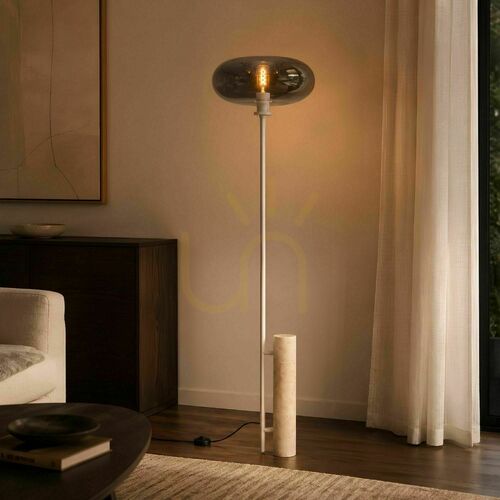
In most stone table and floor lamps the stone does the carrying. A travertine block, a marble column or a granite plinth sits under a linen or cotton shade, and the shade does the lighting. The appeal is texture and stability: a heavy base keeps a tall lamp upright when someone brushes past it.
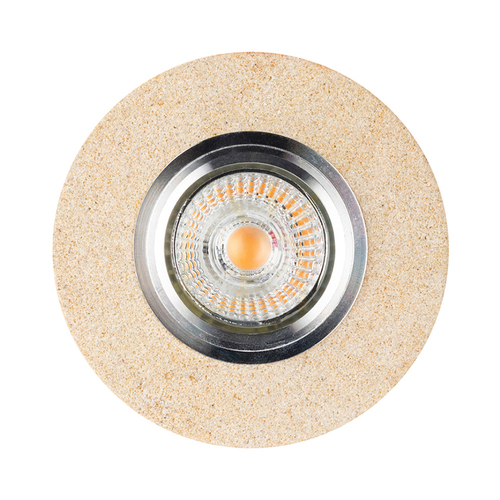
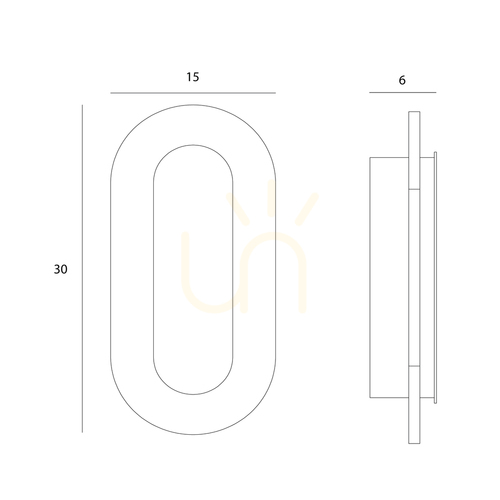
Alabaster, onyx and thinly sliced white marble work the other way round. Cut to a centimetre or two, they turn into a diffuser, so a pendant, flush ceiling light or wall light made from them glows from within and shows its veining only when lit. A lighter route to the same effect is stone veneer: a sheet of slate or sandstone a millimetre or two thick, bonded to a flexible backing, used for large shades that would be impossibly heavy in solid stone.
Choosing the stone
| Stone |
With the light on |
Character |
Living with it |
| Marble |
Opaque; thin white slices glow |
Crisp veining, cool to the touch |
Etched by acids, benefits from sealing |
| Travertine |
Opaque |
Warm beige, matt, natural pores |
Pores often resin-filled; seal against stains |
| Onyx |
Warm, banded glow |
Layers of honey, green or white |
Brittle edges, acid-sensitive |
| Alabaster |
Milky, even glow |
Soft white, very fine grain |
Scratches easily, keep it dry |
| Slate, granite |
Opaque (slate glows only as veneer) |
Dark, hard-wearing |
Granite is the easiest stone to look after |
Warm white at 2700–3000 K flatters travertine, onyx and alabaster. White or grey marble in a kitchen or bathroom also looks good under a neutral 4000 K. Choose bulbs with a colour rendering index of Ra 90 or above if you want the veining to look natural rather than flat and grey, and use LED in an enclosed stone shade: it runs far cooler than a halogen G9.
Weight, fixing and safety
Marble and granite have a density of around 2.7 g/cm³, so a solid 10 cm cube comes in at roughly 2.7 kg. On a bedside table that is reassuring; on a floating shelf it is worth checking the load. Stick felt pads under the base, as stone scratches wood and lacquer.
A stone pendant should not hang from a plain ceiling rose. It needs a hook or plate fixed into a joist or noggin, or plasterboard fixings rated for its weight. Wall lights with a stone plate need fixings suited to the wall. Any work on the fixed wiring is a job for a registered electrician.
Where stone lamps work best
-
Living room: an onyx or alabaster table lamp on a sideboard gives a warm pool of light for the evening; a floor lamp on a marble base suits a reading chair.
-
Bedroom: a pair of low travertine lamps either side of the bed, stable enough to survive a sleepy reach for the switch.
-
Dining room: stone pendants over the table, securely fixed.
-
Hallway: an alabaster wall light washing soft light across the wall.
Brass and marble lean towards Art Deco, black metal towards a modern scheme, oak and linen towards Japandi or a relaxed country look.
Common mistakes
The usual ones: hanging a stone pendant from a plain ceiling rose or a standard plasterboard plug, putting alabaster in a steamy bathroom, and cleaning marble with a vinegar spray. Also expect the lamp that arrives to differ from the photo – with natural stone, the picture shows a typical piece, and colour and veining vary from block to block.
Frequently asked questions
What are alabaster lamps?
Lamps whose shade or body is carved from alabaster, a soft, fine-grained form of gypsum. Cut thin, it lets light through and gives a milky glow. Spain is a well-known source of lamp-grade alabaster.
Why is alabaster so expensive?
It is soft and breaks easily, so carving and honing it is slow, careful handwork, and a fair amount of stone is lost along the way. Each piece is unique, which also keeps alabaster lamps sought after second-hand.
Is a stone lamp a good choice for a living room?
Yes, especially as a second or third light source. Stone looks best in low, warm light, so it works well as an accent beside a sofa or on a console rather than as the main ceiling light.
How can I tell natural stone from a stone-effect lamp?
Real stone is noticeably heavier, feels cool to the touch and never repeats its pattern. Stone-effect lamps in ceramic, resin or concrete are lighter, feel warmer and often share an identical pattern.
Large or small stone table lamp?
Match it to the furniture. A small lamp suits a bedside table or shelf; a large one needs a sideboard or console that can take the weight and is wide enough to keep the base well away from the edge.
How do I clean a stone lamp?
Dust it, then wipe marble, travertine or onyx with a soft, barely damp cloth and a pH-neutral cleaner, and dry it straight away. Avoid vinegar, lemon and descalers. Clean alabaster dry only. More on marble specifically: marble lamps.
A stone lamp rewards a little planning: the right stone for the room, a fixing that suits the weight and warm light to bring the surface to life. More on other materials, shapes and fittings for the home: indoor lights.