Hallway lamps - how to create a functional and cozy entrance to the house?
The hallway is a room that usually has a small area. For this reason, we often treat them neglectfully, focusing primarily on the living room, kitchen or bedroom. This is a big mistake, because it is the hallway that our guests are the first to see. It is the one that suggests what the rest of the house looks like, so it should be our calling card. A key role in building a first impression is played by properly selected hallway lamps. Good hallway lighting makes even a small or windowless hallway welcoming, bright and inviting to enter further.
As with other interiors, hallway lighting should both look good and provide the right amount of light. The choice of lamps depends primarily on the area, the height of the room and whether at least some natural light enters the hallway. Usually this space is dark because there are no windows - this is when proper lighting in the corridor becomes absolutely essential. It is worth ensuring that the light in the hallway is warm and as close to daylight as possible, making the interior seem cozy and welcoming.
Lamps for the hallway with a dimmer are becoming increasingly popular. It's a great solution for people who want to save energy, and at the same time adjust the light intensity to the time of day and mood. Soft light in the evening, stronger during the day - modern lighting in the hallway allows you to easily control the atmosphere in the interior.
Lighting of the hallway and the style of the interior
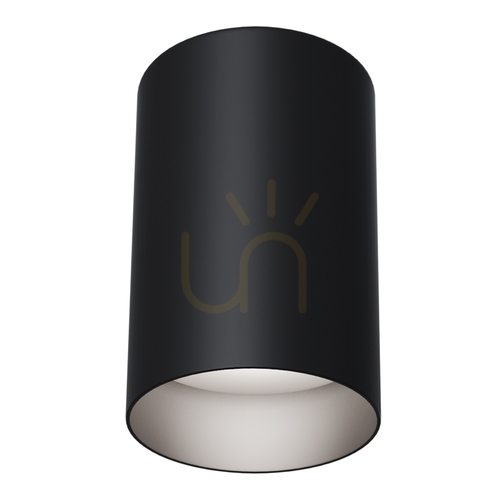
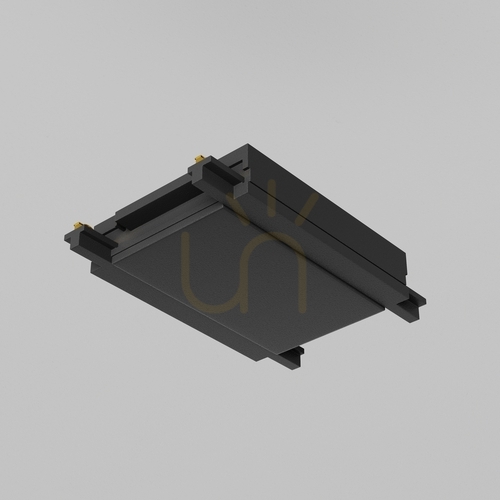
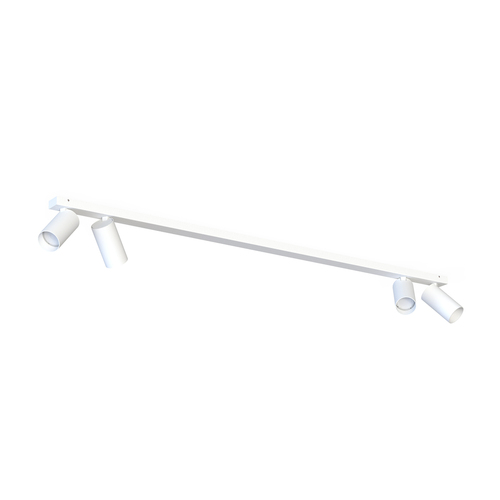
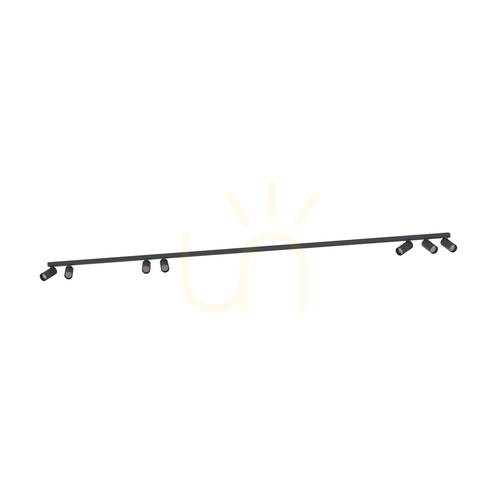
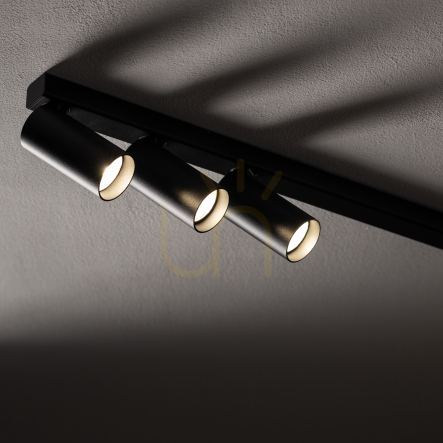
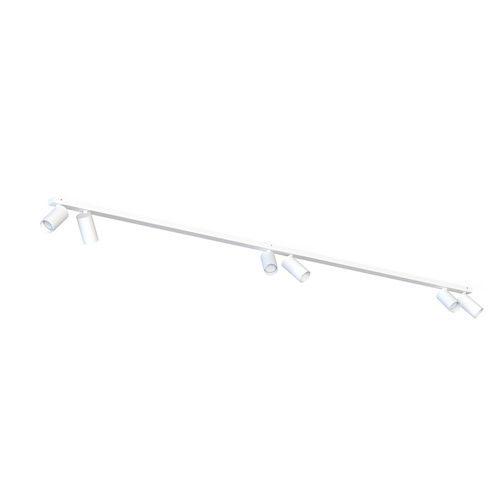
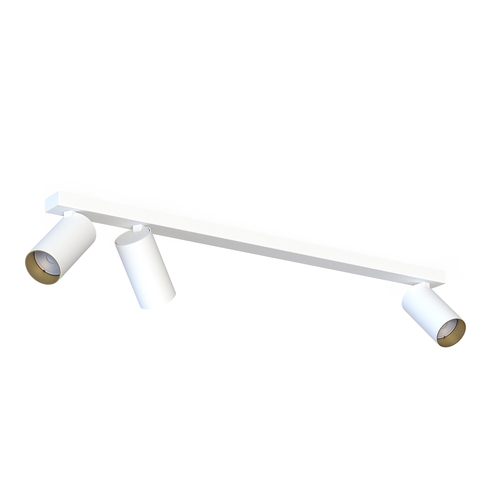
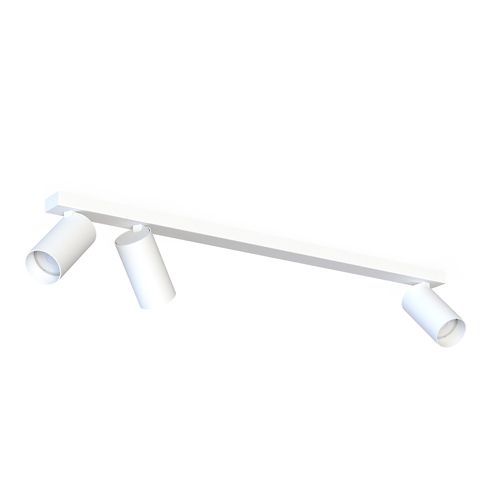
In modern, minimalist apartments it is worth betting on simple, geometric forms. A discreet plafond on the ceiling, narrow directional spotlights or busbars with adjustable spots will make the lighting of the corridor not only practical, but also very aesthetic. On the other hand, in classic interiors, elegant pendant lamps for the hallway, as well as a stylized chandelier for the hallway, will be perfect.. High-rise apartments in townhouses are all too asking for decorative fixtures to highlight their character.
Regardless of the style, it is worth remembering that a good lamp for the hallway should blend with the front door, the color of the walls, the floor and the furniture. This small room is easily "overloaded" with too large a massive lamp. Therefore, with a small area, it is better to choose slender, flat forms that will not visually lower the ceiling or restrict freedom of movement. This will make hallway lighting comfortable and aesthetically pleasing at the same time.
Lighting for the hallway in small spaces
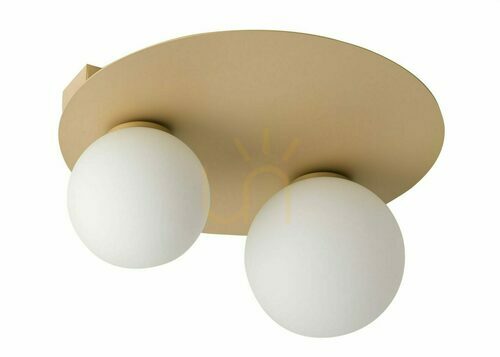
A small hallway is an everyday occurrence in apartments in blocks of apartments. It seems that not much can be done with it, but the right lighting for the hallway can work wonders. In a small interior, a single light source is often enough, but it is important that it is well chosen. In this role, a pendant lamp for the hallway with small dimensions, with a bright, milky shade that nicely disperses the light will be perfect. An alternative is a plafond for the hallway - especially models adjacent to the ceiling, which do not take up valuable space.
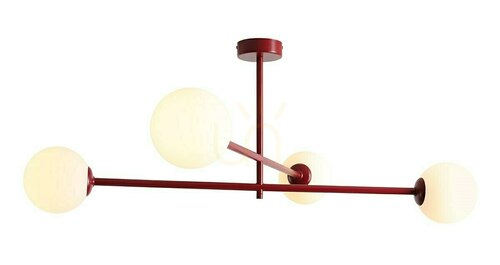
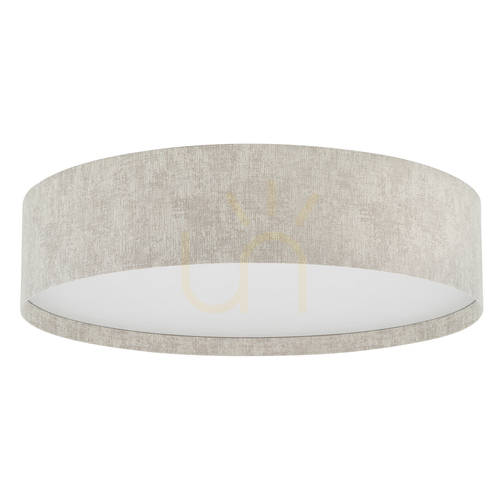
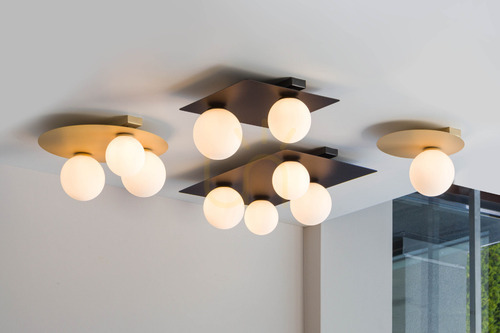
Plafonds fit perfectly into the modern lighting of the hallway. They can be round, square or rectangular, with milk glass, acrylic or textile lampshade. In a small hallway, every centimeter counts, so a double or triple arm plafond allows you to introduce more light without having to install several separate fixtures. Narrow, long hallways gain in appearance when a line of several identical plafonds appears on the ceiling - such lighting in the hallway organizes the space and leads the eye further into the apartment.
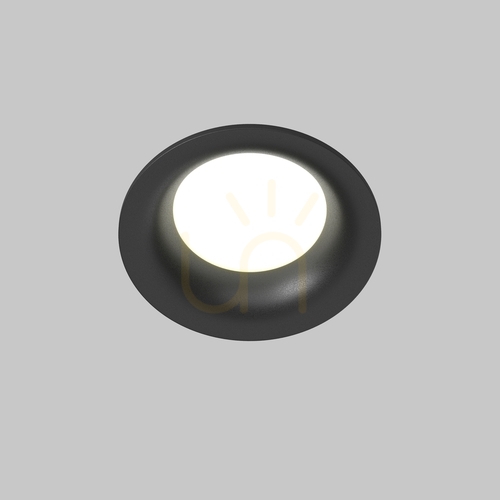
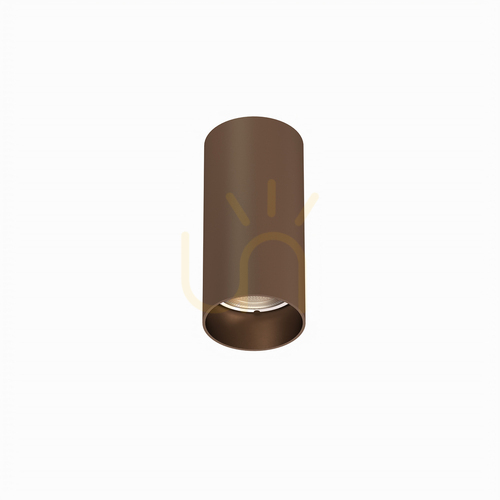
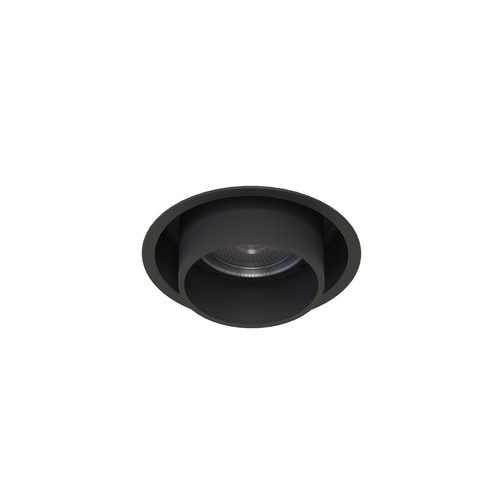
If the hallway is very low, halogen pendants or modern recessed fixtures with LED bulbs will also be a good solution. Several points evenly distributed on the ceiling will provide adequate lighting in the hallway, while not visually diminish the interior. Such subtle lighting for the hall way is also ideal for the vestibule, where comfort, safety and simplicity of form are important.
Hallway lights in large and long corridors
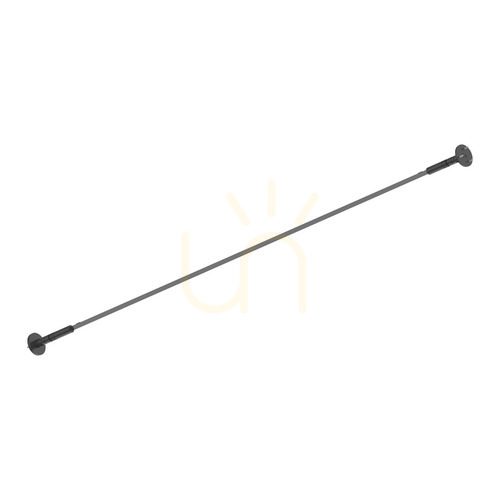
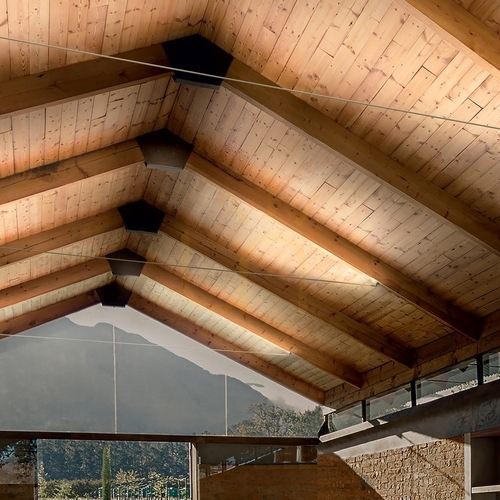
A large hallway or long corridor opens up many more design possibilities. Here you can afford more elaborate lighting for the hallway. Instead of a single, central point of light, it is worth planning several fixtures. There can be rail lamps on the ceiling, spotlights on the strip, a decorative hallway lamp in the form of a hanging ball or chandelier, and additional hallway sconces on the walls.
Such multi-level lighting of the hallway allows not only to illuminate the entire space, but also to optically model it. Bright light aimed at the ceiling makes the interior appear taller, while light falling on the floor lengthens the hallway. On the other hand, hallway lighting directed at paintings, mirrors or decorative wall details helps create a more cozy, "living room" atmosphere. Thus, even a long, seemingly boring hallway ceases to be just a passageway and becomes an integral part of the house.
Lighting for the vestibule and lamps for the vestibule
In many homes, the hallway is preceded by a small vestibule. This is where we take off our shoes and jackets and put away our purchases. Although it is a strictly utilitarian room, it too deserves carefully planned lighting for the vestibule. A well-chosen lamp for the vestibule will make daily activities more convenient, and the first impression upon entering the house will be much better.
Most often in the vestibule, a compact, ceiling-mounted lamp for the hallway - a plafond, a recessed fixture or a small pendant lamp works well. If the vestibule is very low, it will be especially practical to have a flat light for the vestibule mounted directly to the ceiling. It is worth choosing models with high resistance to dust and moisture, as this is an area exposed to dirt from shoes, water from umbrellas or sudden temperature changes.
Corridor lighting vs mirror and closet
In most hallways there is a mirror - free-standing, hung on the wall or integrated into the closet. This is an element without which it is difficult to imagine a functional entrance to the house. Therefore, when planning lighting in the hallway, do not overlook this zone. Ideally, on either side of the mirror, mount hall sconces or slender vertical LED fixtures. Such symmetrical lighting for the hallway will allow even illumination of the face, which is important for daily getting ready to go out.
If the mirror is located opposite the door, a well-chosen lighting for the hallway will further reflect the light and optically enlarge the space. In small interiors, it's a simple trick that allows you to get the impression of more depth without costly alterations. It is also worth thinking about gentle lighting for the hallway inside the closet - for example, in the form of an LED strip that turns on when the door is opened.
Lamp for the hallway - light color and intensity
Choosing the right color of light is of great importance for the perception of the entire space. In a hallway, a warm hue - around 2700-3000 K - will work best.. Such light is the closest to natural daylight and makes the face look healthy, and the color of the walls and furniture is pleasant to the eye. Lighting for the hallway that is too cold can give the interior a cool, unfriendly character that does not encourage people to go deeper into the house.
As for the intensity of the light, it is worth choosing according to the size and function of the hallway. In narrow, small corridors it is better to avoid too strong lamps that can cause dazzling reflections on bright walls. On the other hand, in large halls with many doors, you will need a slightly stronger hallway lighting to easily find your way to the next rooms. A good solution is hallway lights that work with a dimmer - they allow you to gently dim the light in the evening and use full power during the day.
Modern lighting for the hallway with dimmer and motion sensors
Increasingly, lighting in the hallway is being combined with smart home functions. The hallway lamp can be controlled by an app, remote control, motion or dusk sensor. This is not only convenient, but also saves energy - the light turns on only when it is really needed. Particularly practical are motion detectors mounted in long hallways or vestibules. Coming home with shopping, we don't have to look for a switch - the hallway lighting will start itself as soon as it detects our presence.
Dimmers, on the other hand, allow you to smoothly adjust the intensity of the light. In the morning, when you leave for work, it is useful to have bright, clear lighting in the hallway to help you quickly get around. In the evening, when the household members are already resting, it is much more pleasant to turn on only a soft light that does not glare in the eyes and does not wake up the other household members. Modern hallway lamps with adjustable light intensity and color help to adjust the atmosphere to the rhythm of the day of the whole family.
Coherence of the arrangement - lamps for the hallway and the rest of the house
The hallway is a foretaste of what awaits us in the rest of the interiors. Therefore, it is worth ensuring that the lighting for the hallway stylistically refers to the lamps in the living room, kitchen or bedroom. They do not have to be identical models, but it is good if there are common elements - the color of the metal, the shape of the lampshade, the type of glass. In this way, the lamp for the hallway will not look like a random accessory, but will become part of a coherent concept of the whole house.
In classic interiors, hallway lamps with textile lampshades, stylized arms or elements in the color of old gold will work well. In modern apartments, simple fixtures in shades of white, black, gray or anthracite will be a better choice. In Scandinavian arrangements, lighting for the hallway with wood elements looks great - for example, white plafonds with a wooden frame or hanging lamps with a wooden fixture.
Additional lighting ideas for the hallway - design inspirations.
In order to make the hallway a real showpiece of the house, it is worth thinking about some additional light sources. Subtle lighting in the corridor can be achieved by installing LED strips in the baseboards or under the shoe cabinets. Soft light near the floor does not dazzle, while making it easier to move around the house at night. This is ideal for families with small children or people who often get up at night and do not want to turn on the main lighting in the hallway.
Decorative lighting in the hallway in the form of illuminated niches or shelves is also an interesting option. If there is an alcove in the corridor with flowers, graphics or sculpture, it is a good idea to direct a narrow stream of light on it. This will give lighting for the hallway an extra dimension - it will not only be functional, but also decorative. Such streaks of light on the walls add depth and character to the space.
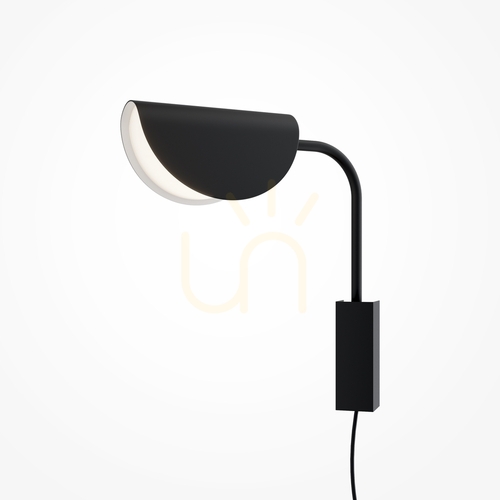
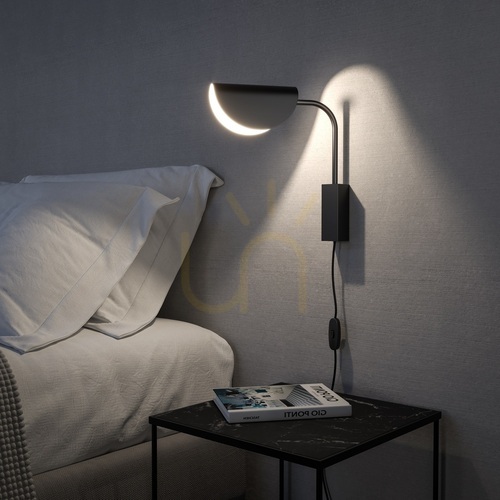
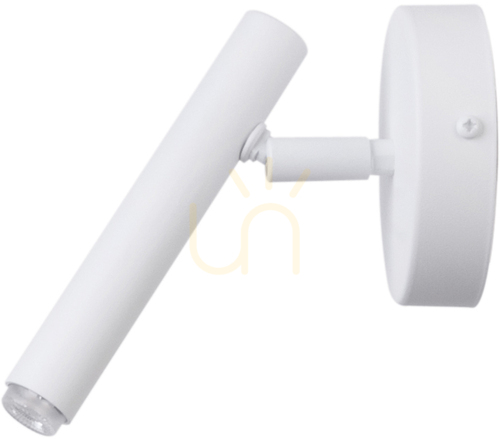
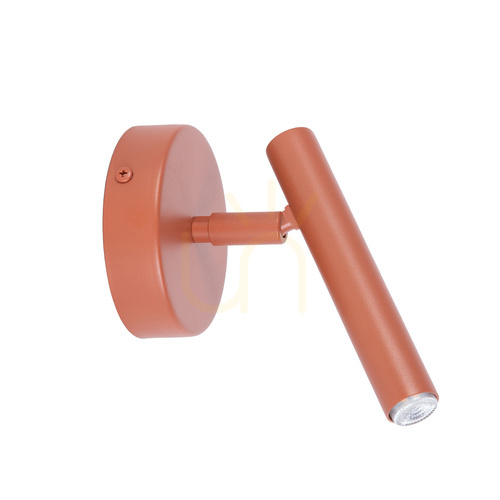
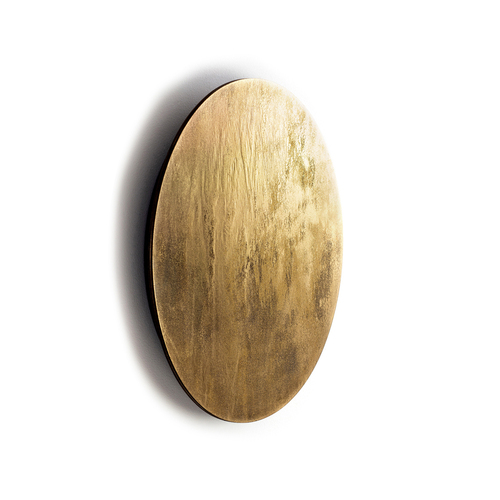
If you have a wide hallway, you can opt for two lines of light - the main hallway lamps on the ceiling and additional wall sconces at eye level. This second level of lighting in the hallway creates a more intimate atmosphere and is great for evenings when we no longer need very bright light. Wall lamps can take the form of cylindrical tubes, minimalist rectangular fixtures or classic lamps with lampshades, depending on the style of the interior.
In large houses, where the hallway transitions into a representative hall, a combination of different types of fixtures will work perfectly. Impressive lamp for the hallway hung centrally can create the main source of light, while spot lighting for the hallway in the form of recessed spots will take care of even illumination of the entire space.. In such an arrangement, hallway lighting plays a dual role - functional and decorative.
And let's not forget about the color of the walls and textures. Light colors reflect light better, so for small spaces it is worth betting on whites, beiges and pastels. In such an environment, even one well-chosen hallway lamp can illuminate the entire interior. On the other hand, with dark walls or bold wallpapers, you need to plan for more intense lighting in the hallway and more light points. Lighting for a hallway should always be matched to the color and texture of the walls and floor, as these materials affect the way light is diffused.
When designing lighting for a vestibule, it is also worth thinking about how often we use this room and what activities we do most often. If it is a place where you store many pairs of shoes, brighter lighting for the vestibule will be useful, making it easier to maintain order. If, on the other hand, the vestibule is small and serves mainly as an entrance area, a delicate vestibule lamp with warm light will suffice, which will greet guests when they open the door.
Summary - why should you take care of lighting in the hallway?
Lighting in the hallway is much more important than you might think. This is where we greet guests, get ready to go out, put away purchases and jackets, and sometimes even try on clothes. Well-chosen lamps for the hallway make all these activities convenient, and the space becomes friendly and aesthetically pleasing. Lighting of the hallway can optically enlarge the interior, emphasize its assets and hide its shortcomings.
It is worth remembering the vestibule - small, but well thought-out lighting of the vestibule improves the comfort of daily use of the house. Well-designed lighting for vestibules and hallways increases safety of movement, reduces the risk of tripping over the threshold or left shoes, and at the same time builds a cozy atmosphere as soon as you cross the threshold of the house.
Whether you choose a classic pendant lamp for the hallway, a modern plafond, track lights with spotlights, or a set of lamps consisting of wall sconces and ceiling fixtures - remember that it is the lighting for the hallway that largely determines the impression your home will make from the first step. A well-planned hallway lamp, properly selected hallway lighting and hallway lamps that are consistent with the rest of the house will simply make every return home more pleasant.