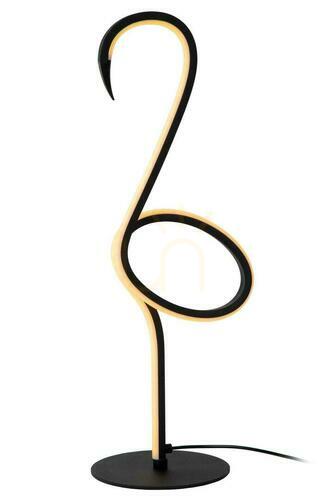
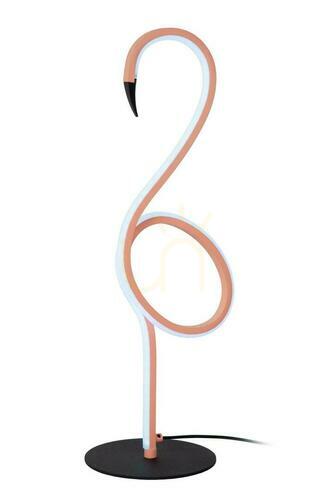
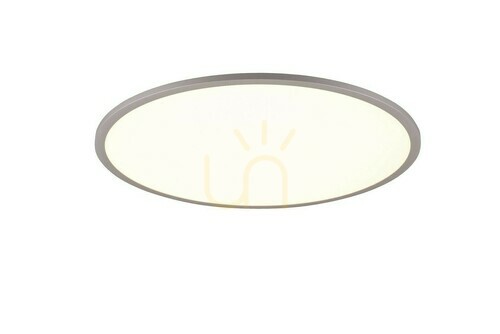
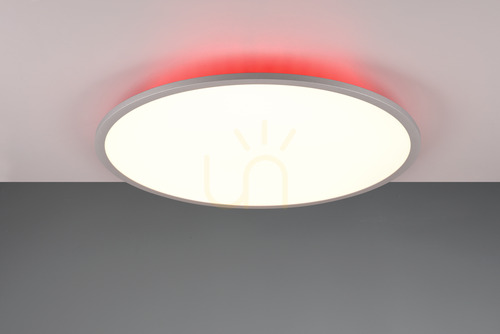
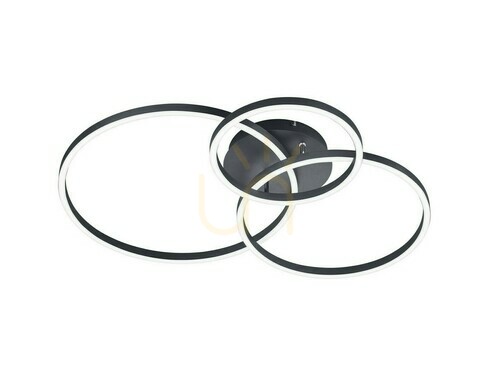
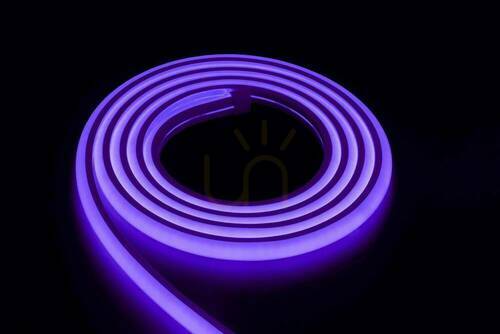
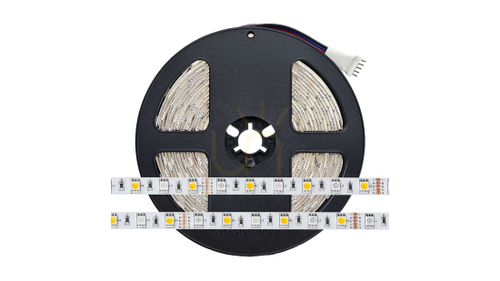
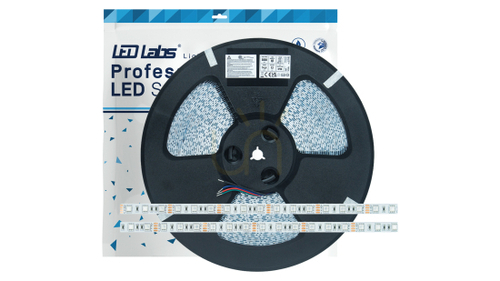
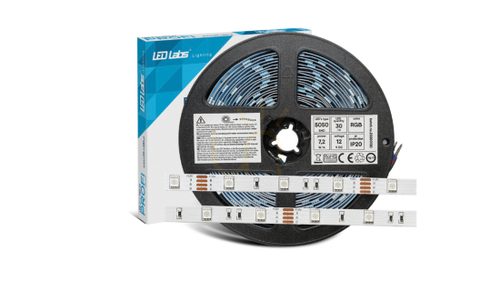
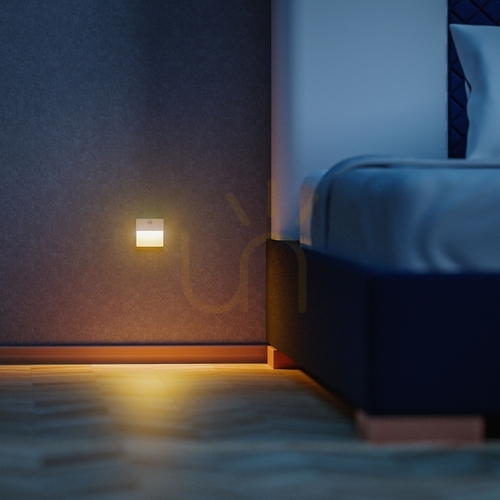
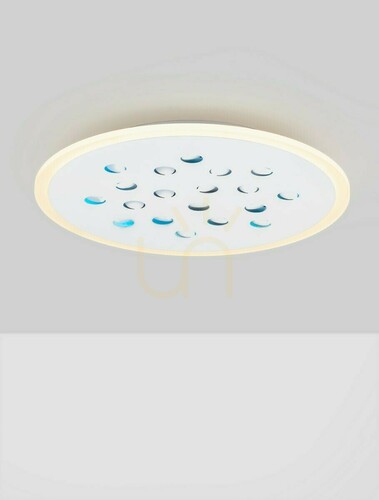
A colour changing lamp uses RGB LEDs – red, green and blue chips mixed at different strengths – to shift from soft amber to deep blue or party pink at the touch of a button. Indoors, that colour works best as a second layer on top of ordinary light, so the real question is how well the lamp handles white when you just want to see what you're doing.
Colour changing lights come in every shape the home uses: ceiling fittings, wall lights, floor and table lamps, small rechargeable night lights and plain bulbs that turn an existing lamp into an RGB one. The technology is the same in all of them; what changes is how much light they give, how you control them and where they make sense.
Plain RGB, RGBW or tunable white?
Three LED colours can be mixed into roughly 16.7 million combinations, but white made from red, green and blue is never quite right. It tends to look cold and slightly blue or green, and skin, timber and fabrics lose their natural colour under it. That is why the label matters:
-
RGB – colour only, with a mixed white. Fine for mood lighting, kids' rooms and behind a TV.
-
RGBW – adds a separate white LED, usually warm or neutral. A sensible choice for a lamp you'll also read by.
-
RGB+CCT (also sold as RGBWW or RGBCW) – colour plus adjustable white, typically 2700–6500 K. The most versatile choice for a main ceiling light, since the white can be tuned from warm to cool.
Which colour, which room
| Room |
What works |
Look for |
| Living room |
a lamp behind the TV or on a sideboard, warm tones in the evening |
RGBW or RGB+CCT, dimming, remote or app scenes |
| Bedroom |
low amber or soft red for winding down |
dimming down to a glow, sleep timer, touch control by the bed |
| Children's room |
pastel or warm night light, colour play during the day |
low brightness, timer, rechargeable or plug-in with no hot parts |
| Desk or gaming corner |
bias light behind or beside the monitor |
no flicker at low levels, white mode for daytime work |
| Bathroom |
relaxed colour for a long soak |
fittings rated at least IP44 for splash zones |
Control: remote, app or smart home
An infrared remote is the simplest option but needs a clear line to the lamp. Radio remotes work through furniture and walls. Bluetooth app control needs no router, though range is limited to roughly one room. Wi-Fi lamps add schedules, scenes and voice assistants; most connect to the 2.4 GHz band only, which is worth knowing if your router splits its networks. Zigbee lamps are very reliable in larger homes but need a hub, and Matter-certified lights work across the major smart home platforms.
One practical point: a smart lamp switched off at the wall can't be reached from the app. A lamp with a memory function returns to its last colour when you flick the switch back on, which suits households where not everyone wants to use a phone.
Brightness and power
The lumen figure on the box is measured in white. In a saturated colour only one or two channels are lit, so output drops sharply – a deep blue may give a fraction of the white value. A colour changing table lamp typically draws only a few watts; RGB ceiling lights usually sit around 20–50 W and 2000–5000 lm in white. Plug-in lamps run from a wall socket, often through a USB adaptor or a separate power supply – check the plug type before you buy – while rechargeable lamps run for several hours on a charge, depending on brightness and colour.
Things to watch out for
- Strobe and fast flash modes look fun for a minute and then become tiring. Rapid flashing can trigger seizures in people with photosensitive epilepsy, so stick to static colours or slow fades in shared rooms.
- Cheap drivers may flicker at low dimming levels. Point your phone camera at the lamp – dark rolling bands give it away.
- Many remotes take button batteries, which are dangerous if swallowed. Keep them away from small children and make sure the battery cover is screwed shut.
- Integrated LED modules are not replaceable like bulbs, so check the stated lifespan and warranty.
- Ceiling and wall fittings on 230 V wiring should be installed by a qualified electrician working to BS 7671.
For cleaning, switch off and unplug the lamp, then wipe it with a dry or barely damp microfibre cloth. Keep any ventilation slots clear of dust.
Colour changing lights: your questions
What is a colour changing light bulb?
It's an LED bulb with red, green and blue chips (often plus white) in a standard cap such as E27, E14 or GU10. Fit it into an existing lamp and control the colour with a remote or app – handy if you like the lamp you already own.
What colour should my lamp be in the evening?
Warm white around 2700 K, amber or soft red. Bright, cool and blue-heavy light late at night can make it harder to fall asleep, so save the vivid colours for earlier in the evening.
Are rechargeable colour changing lamps any good?
For bedsides, kids' rooms, garden tables and moving around the house, yes. They're bright enough for ambience, not for reading a book across the room. Check the run time at the brightness you'll actually use.
Can I use a colour changing lamp in the living room as my only light?
Yes, if it has a dedicated white channel (RGBW or, better, RGB+CCT) and enough lumens in white. A plain RGB lamp gives too little light and too odd a white for everyday use.
Which colour changing lights work behind a TV?
Anything that throws light at the wall rather than into the room: a slim lamp, an uplighter or a light placed behind the screen. A neutral or soft colour reduces the contrast between a bright screen and a dark room.
Do colour changing lamps use a lot of electricity?
No. LEDs are efficient and coloured modes draw even less than full white, so running one for a few hours each evening costs very little.
Choosing for a bedside or a desk? There is more on colour-changing RGB table lamps and how they differ from bigger fittings. For ceiling, wall and floor lighting in general, head to indoor lights.