Bronze Pendant Lamps - Design Guide, Trends and Practice
Color manifesto - why brown in interiors
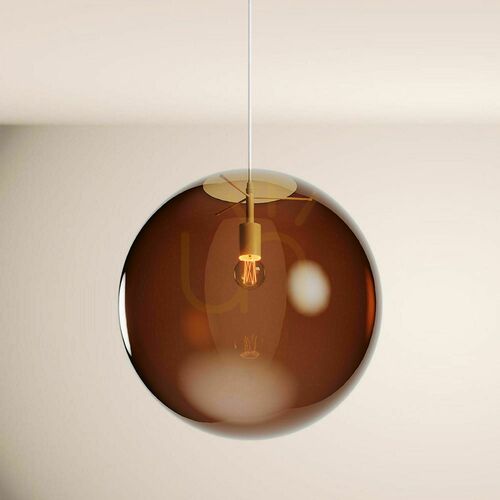
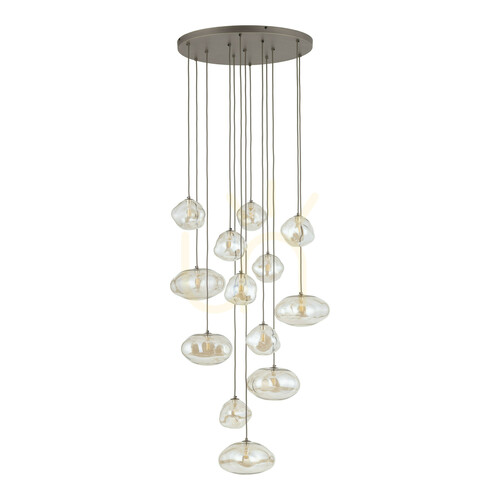
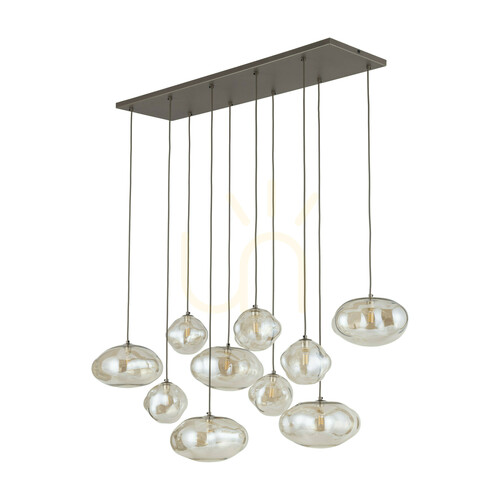
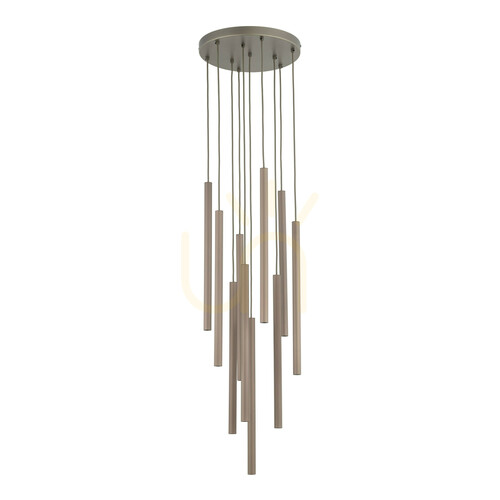
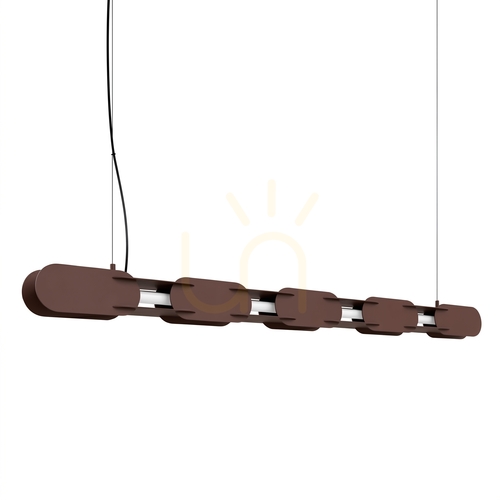
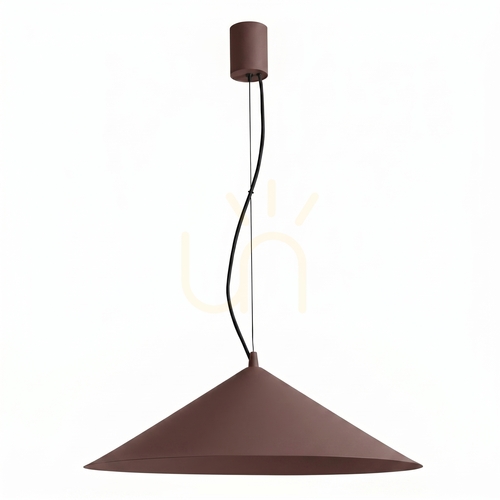
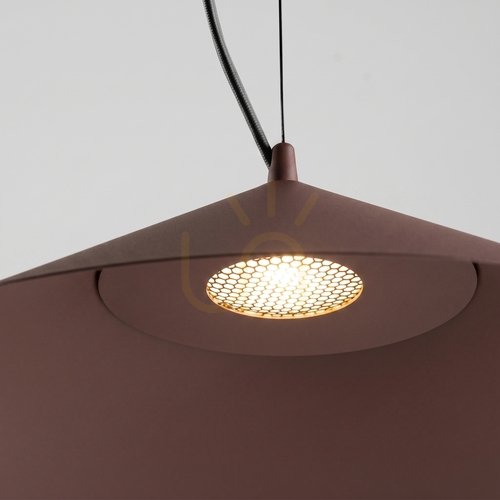
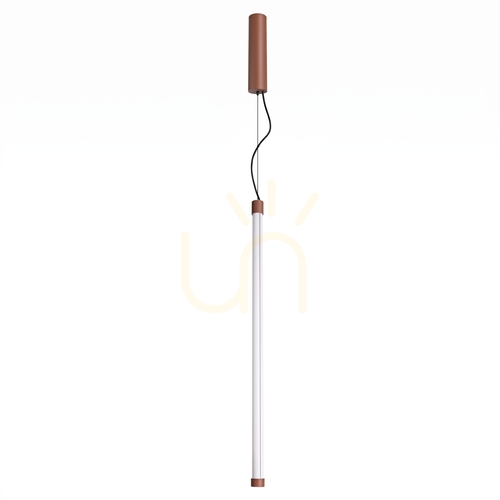
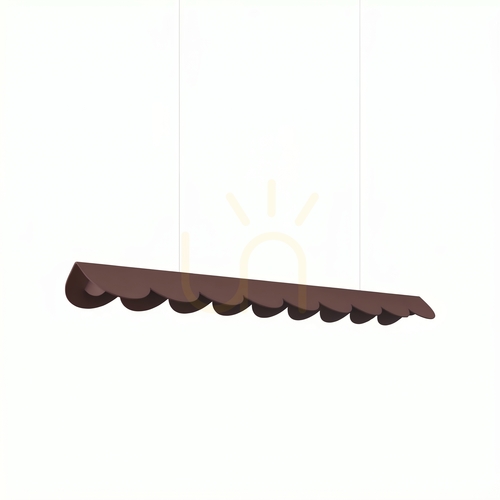
Brown is a natural partner for a home space. When a bronze pendant lamp appears in the frame, the atmosphere becomes calmer and the contours of the furniture seem more "embedded". This shade works as a neutral mediator between cool grays and warm beiges. brown pendant lamps successfully lead the composition over the table, kitchen island and in the living room, without taking away the foreground from other details.
Keywords: bronze pendant lamp, bronze pendant lamp, bronze pendant lamps, bronze pendant lamps.
Style map - how bronze fits into the aesthetics of the home
Modern classic: smooth, full shades in a chocolate tone, subtle gloss, simple rosettes - brown pendant lamp introduce elegance without pathos.
Japandi: darkened browns, wood with clear drawing, milky glass; soft diffusion and calm rhythm.
Mid-century: smoked glass and brass, geometric solids inspired by the 1960s, bronze pendant lamps as a strong element in the composition.
Rustic chic: rattan, wicker and raw wood; brown lampshades organize the natural palette and expose the textures.
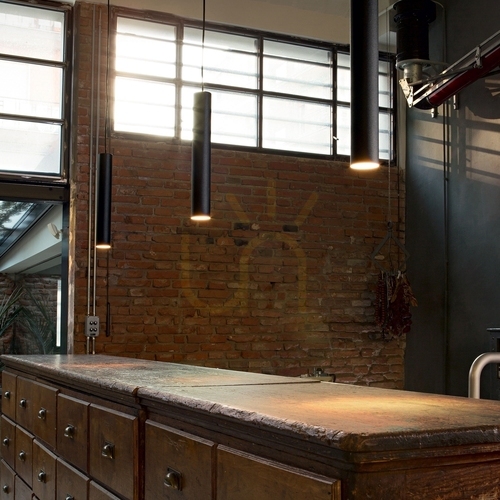
Industrial: powder-coated metal, wire covers, braided wires; bronze pendant lamps add warmth to concrete and steel.
Materials and optics - what to choose for a specific task
Smoked/brown glass: creates a soft halo of light and discreetly tones down the color; great at dining tables and in the lounge area.
Tinted opal glass: even, silky distribution - comfort for the eyes in the bedroom and for long conversations at the table.
Solid metal: directional light, focus on countertop; works well over island and in work areas.
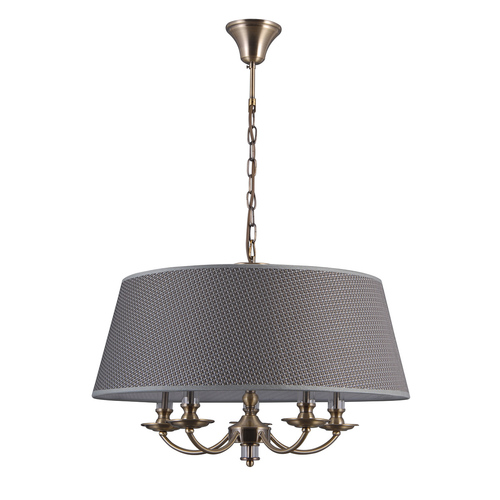
Fabric: lined lampshades emit a soft, even glow; ideal for relaxation areas.
Wood/veneer: warms up the image and builds a layer of texture.
Braids: draw ornamental light patterns - best in mood zones.
Ergonomics of light - parameters that matter
Color temperature: 2700-3000 K builds mood in the evening, 3500-4000 K works well for meals and table work.
Flux: table 900-1300 lm/frame; island 2-3 points of 800-1100 lm each; rest area 600-1200 lm as background.
CRI: ≥80 for everyday; ≥90 if you want faithful colors for fabrics, wood and food.
Angle of illumination: wide diffusion for general light; narrower angles or directional shades - for tasks.
Proportions in practice - diameters, spacing, heights
Shade diameter vs. table: for a round table top, usually 1/2-2/3 in diameter; for a rectangular one, it is better to put together two or three bronze pendant lamp with a smaller diameter.
Suspension height: over table 70-90 cm from tabletop; over island 75-100 cm.
Spacing between points: over the island usually 60-80 cm, so that the light cones meet without luminance "holes".
High ceilings: shorten the overhang or raise the flux - you will avoid underexposure of the working plan.
Compositions - how to build light scenes without repetition
Central dominant: a single bronze pendant lamp over a round table organizes the frame and makes it easier to build a zone.
Sequence: two-three bronze pendant lamp in an even rhythm over a long countertop order the perspective.
Controlled asymmetry: a set of different diameters and heights brown pendant lamps in the lounge area - more depth and light dynamics.
Layering: add table lamps and wall lamps to the ceiling lamps, so you can avoid the "cave effect".
Light sources - how to choose a bulb for a bronze lampshade
LED as a foundation: stable color, high efficiency, long life.
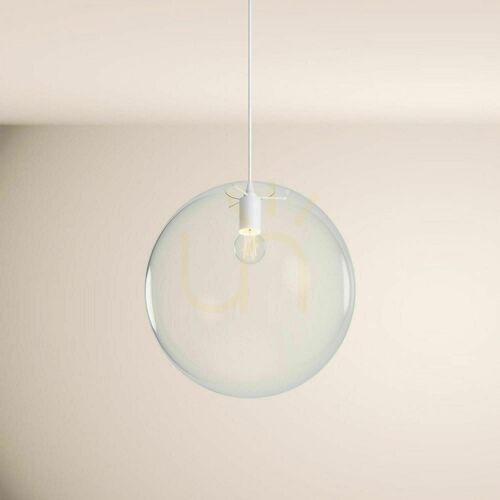
For transparent glass: bulbs "filament" (optional warm-dim) - decorative fiber drawing.
For opal glass and fabrics: "milky/opal" bulbs - Even distribution, no point glare.
For metal shades: dimmer-compatible directional sources - precise brightness control.
Assembly - rules for safe installation
Turn off the power and confirm the absence of voltage with the detector. Use the right studs for the ceiling and check the load bearing capacity. Guide the cable with a gentle arc, without sharp bends. Close the headliner evenly around the perimeter to avoid backlash. At several points, level the lampshades relative to the tabletop and repeat the spacing. If the luminaire is operating close to wet areas, choose the appropriate tightness class and keep the required distances.
Maintenance - maintenance plan
Glass: clean with a soft cloth, apply the liquid to the cloth, not directly to the luminaire.
Metal: use products for a particular finish, avoid abrasive pastes.
Fabrics/weaves: dust with brush; use moisture sparingly.
Seasonal inspection: check mountings, sling cables and condition of coatings - minor adjustments minimize vibration and extend life.
The most common mistakes - how to react
Brown pendant lamp hung too low - raise the shade by 5-10 cm, the comfort of conversation and visibility will improve.
One source in a large living room - complement the scene with side lamps, you will get a balance of luminance.
Chaotic CCT - keep color temperature consistency within one zone.
Oversize lampshade in a small kitchen - bet on two smaller bronze pendant lamps or one compact fixture.
FAQ - answers to practical questions
- Do bronze pendant lamps fit in small apartments? Yes - transparent glass and slender forms will not visually weigh down the interior.
- What color of light for the dining room? Usually 3000-3500 K - friendly for conversation and food display.
- How many points over a 200×90 cm island? Mostly three brown pendant lights of 900-1100 lm each.
- Is the bronze pendant lamp dimmable? Yes, when the source and controller are designed to do so.
- What to combine brown with? With white, beige, grays, greens, navy blue and metals in warm finishes.
Summary - a synthesis of choices
brown pendant lamps allow to build calm, functional and light-friendly interiors. Consciously adjusting the form, material, parameters and proportions of the sling makes bronze pendant lamps a clear, timeless accent - practical every day and visually appealing for years to come.
Annex - planner, case studies and lexicon
ANNEKS - step-by-step design planner:
1) Define the scenes (meal/work/relaxation).
2) Decide on the nature of the light (diffuse vs directional).
3) Determine the flux (lm) and color temperature (K) according to the function of the zone.
4) Choose the shade material for optics and cleaning.
5) Design height and spacing; maintain axis with furniture.
6) Select LED sources (CRI, dimming) and compatible fixtures.
7) Schedule service and access to consumable items.
8) Set a budget and order of delivery - you'll reduce repair downtime.
CASE STUDY - three layouts without shades:
- Dining room 12 m²: Ø40 cm brown pendant lamp, 1100-1300 lm, 3000-3500 K, 75-85 cm suspension. For a 200×90 cm countertop, two Ø30-32 cm luminaires will work better, spacing about 70 cm.
- Island 220×80 cm: three points of 900-1100 lm each, color 3000-3500 K, spacing 65-75 cm; supplement with under-cabinet lighting 200-400 lm/m.
- Living room 20 m²: central pendant lamp bronze 800-1200 lm + table lamps and wall lamps - balance between general light and accents.