Classic pendant lamps - timeless elegance in your home
Classical pendant lamps have enjoyed enduring popularity in interior design for years. They are synonymous with timeless elegance, adding a touch of luxury and sophistication to any space. For decades they decorated the interiors of elegant living rooms, dining rooms or bedrooms, and today they are back in favor again. They offer not only functional lighting, but also a unique decoration of the interior. Deciding on such a purchase, it is worth remembering that the classic pendant lamp will illuminate the room and at the same time become a striking decorative element. When choosing a classic chandelier or pendant lamp, you are betting on details that create a unique atmosphere, which will emphasize the character of any room.
What distinguishes classic hanging lamps?
The distinctive feature of classic hanging lamps is the inspiration of tradition and the rich history of applied art. Models in this category combine retro and vintage style motifs, as well as elements that refer to bygone eras, such as baroque, rococo or art déco. As a result, their form is rich, full of decorative details and elaborate shapes. Classic chandeliers often faithfully reproduce historical designs - from palace candelabras to geometric classic pendant lamps native to the 1920s. In the 1970s. In general, the highest quality materials are used to make them: precious metals (brass, bronze), hand-decorated glass, elegant fabrics or shimmering crystals. Such a classic pendant lamp is characterized not only by its striking appearance, but also by its durability. The presence of such a lamp in a room immediately adds elegance and class to it. Classic lighting becomes not only a practical source of light, but above all a distinctive decoration that attracts the eye and builds a unique atmosphere in the interior.
Where will classic pendant lamps work well?
Classic pendant lamps are an extremely versatile choice of lighting, suitable for many rooms. They are perfect for both traditional decor and more eclectic arrangements. Here are the most common uses:
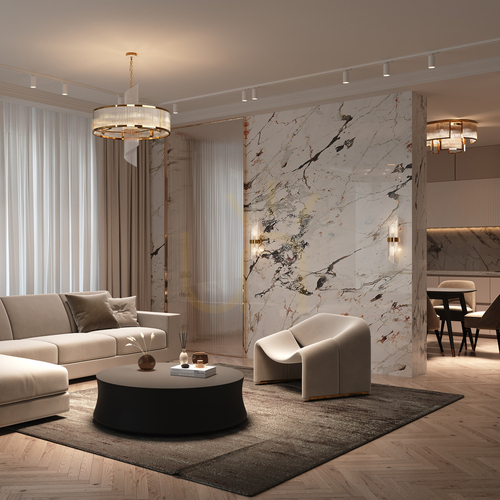
- Living room: In a representative living room, a stately chandelier emphasizes elegance and becomes the focal point of the space. Suspended in the center of the ceiling, it sets the tone for the entire interior, providing both functional main lighting and a striking design element. In tall living rooms, you can afford a large, multi-arm chandelier with a long overhang, which will accentuate the proportions of the room. In lower ones, a shorter lamp will work better so as not to disturb the space.
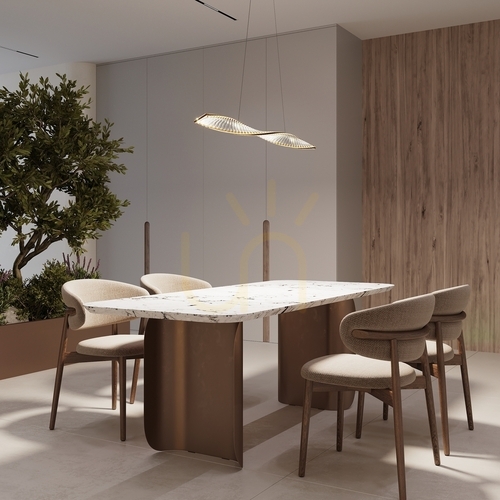
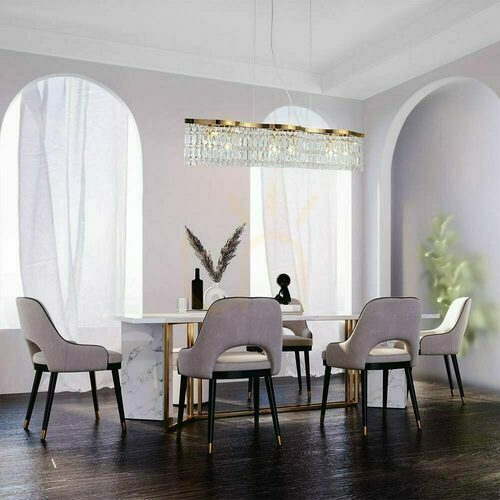
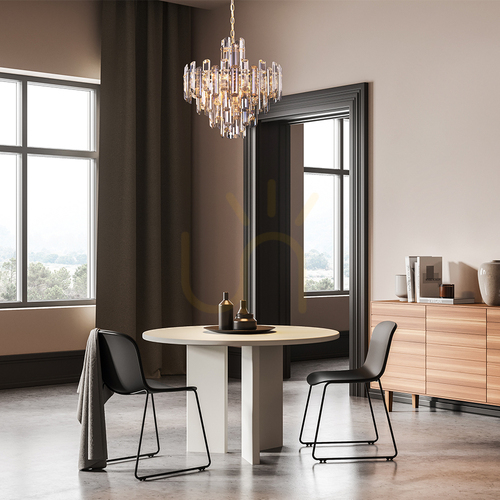
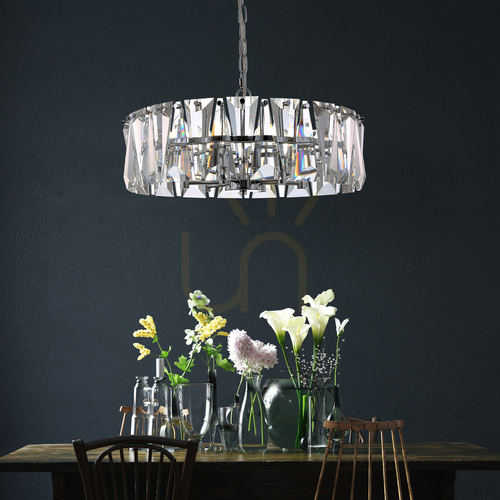
- Dining room: a classic pendant lamp over the dining room table creates a cozy, homey atmosphere during meals. A popular choice are models with a fabric lampshade or crystal ornaments - they give any dinner an elegant setting. It is important to match the size of the lamp to the table and hang it at the right height (approx.. 75-90 cm above the countertop).
- Bedroom: In the bedroom, a classic pendant lamp will add coziness and romance to the interior.. The soft, warm light oozing through the fabric lampshade promotes relaxation.
- Study or library: lighting in classical style will emphasize the prestige of these rooms. A brass chandelier or a lamp with a dark lampshade will bring an atmosphere of club chic and tradition.
- Hallway, corridor and staircase: In a spacious entrance hall or staircase, a classic chandelier will impress guests. In corridors and lower rooms, on the other hand, classic plafonds or smaller pendant lamps will work well.
- Commercial interiors: Restaurants, cafes or hotels decorated with class enjoy the charm of classic lighting.
How to choose the right classic pendant lamp for the interior?
When choosing a classic pendant lamp for a particular room, it is worth paying attention to several key aspects:
- Size and proportion: Match the size of the fixture to the size of the room and the height of the ceiling.. Above the table, the standard is ~75-90 cm from the tabletop to the bottom edge of the lamp; in the passageway, keep min.. 210 cm to the floor.
- Style and consistency: the lamp should harmonize with the arrangement. For Provence - whitewashed, openwork forms; for art déco - geometric fixtures with gold; for English - elegant, brass models.
- Function and light: Decide whether the lamp should illuminate the whole or create a mood. In the living room multi-point models will work, in the bedroom - a single source with a lampshade. Prefer warm light colors (2700-3000 K).
- Materials and quality: Choose designs made of metal, glass, crystal and durable fabrics. Good quality means beautiful appearance and safe use for years.
What are the types of classic pendant lamps?
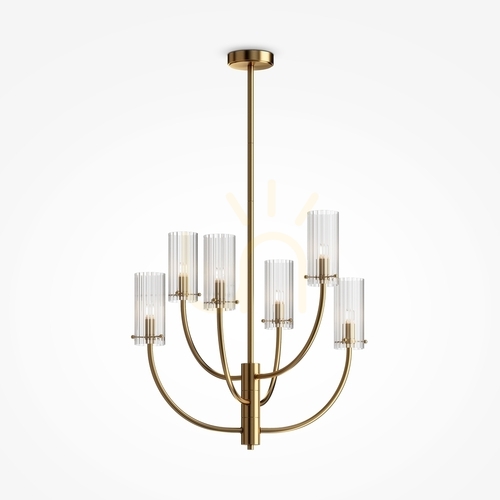
Chandeliers - with several arms ending in "candles"; often decorated with crystals.
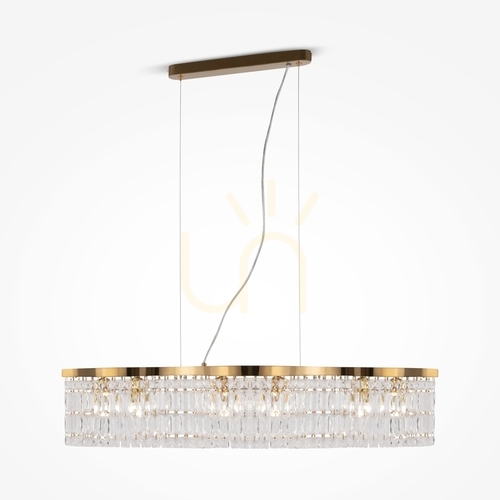
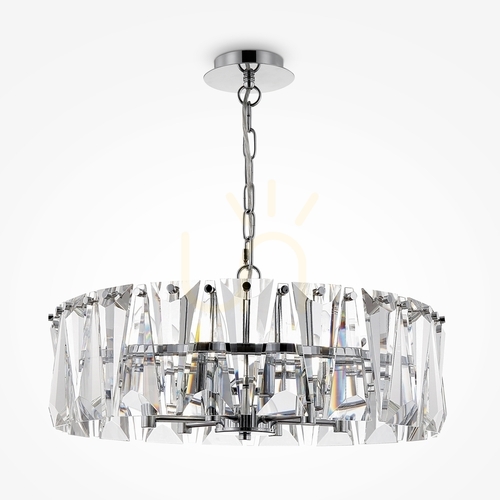
Crystal chandeliers - richly decorated, give striking reflections of light.
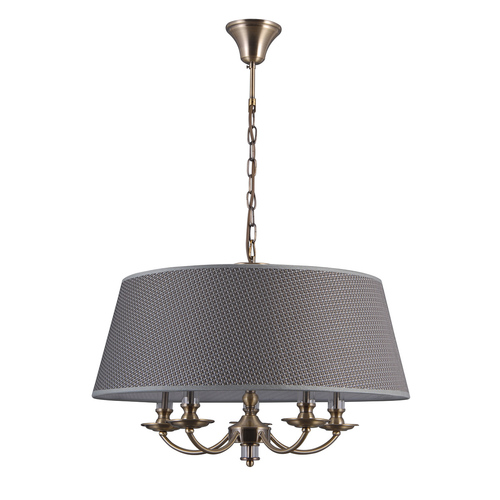
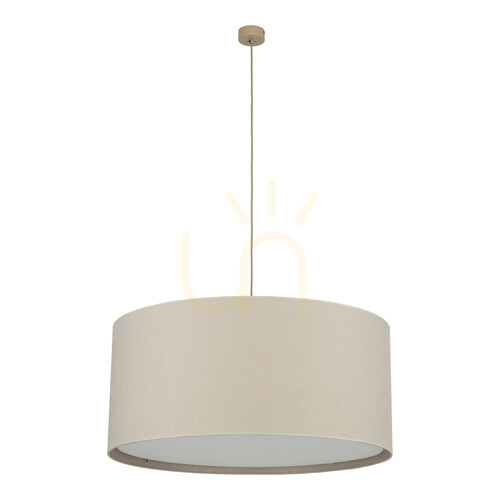
Lamps with lampshades - fabric, pleated, with soft, diffused light.
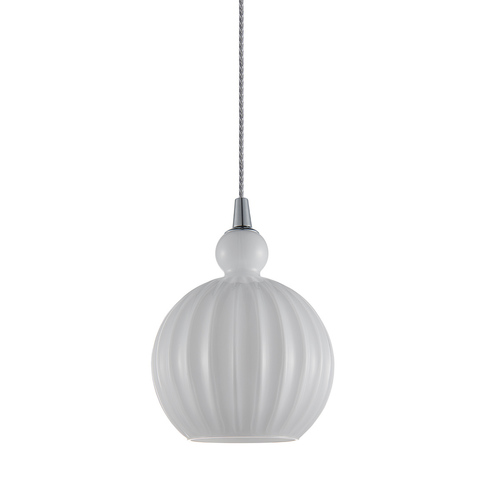
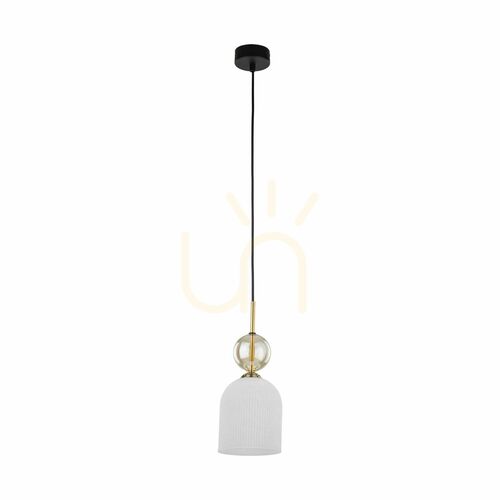
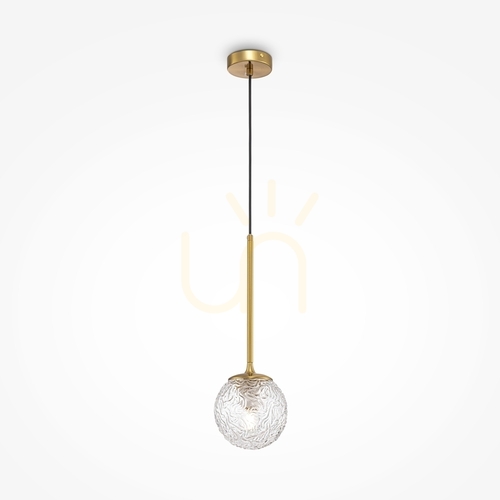
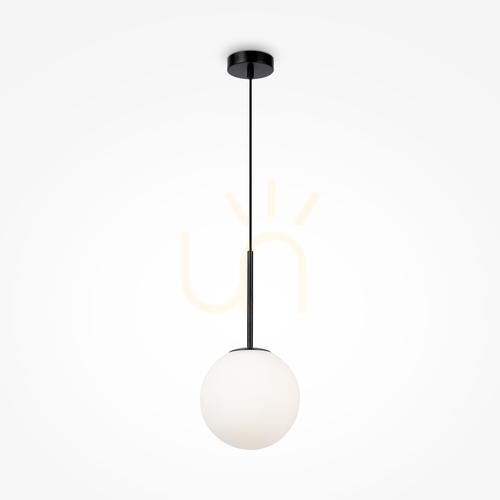
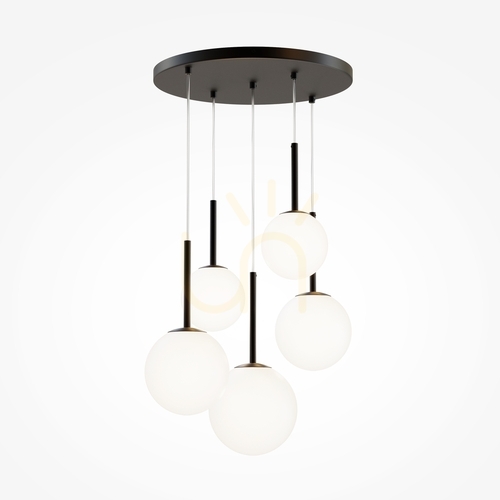
Lamps with milk glass or stained glass - subtle, atmospheric, retro or Art Nouveau style.
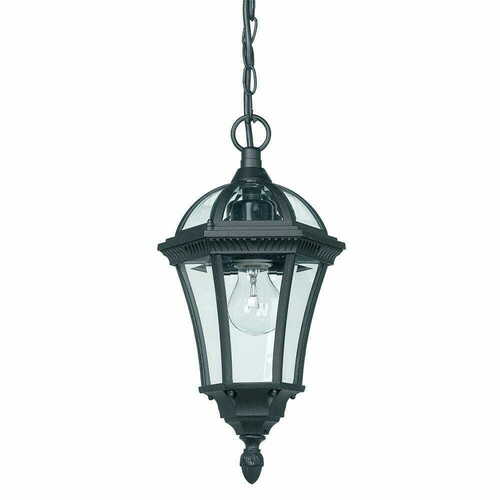
Lamp-lanterns and fixtures on decorated frames - metal + glass, in the spirit of new classic or colonial.
Stylized models - English, Provençal, glamour, art déco, retro and mid-century.
The biggest advantages of classic pendant lamps
Timeless style and resistance to trends.
Versatility of use in many rooms and styles.
Elegance and coziness - "jewelry" of the interior.
Functionality - even, comfortable lighting.
Robustness and longevity - premium materials and craftsmanship.
A huge choice of forms, colors, sizes and light sources.
What materials dominate?
Metals: brass, bronze, steel - polished, patinated, gilded.
Glass and crystal: opal shades, crystal elements with beautiful light diffusion.
Fabrics: silk, linen, cotton - lampshades in muted colors.
Accessories: wood, porcelain, decorative finishes and patinas.
What styles do they fit into?
Classic, traditional, English, Provençal, glamour.
Vintage/retro, art déco, mid-century.
Modern and minimalist - as a contrasting, prestigious accent.
Why choose classic pendant lamps?
They are an investment for years: they do not go out of fashion.
They enhance prestige and create a unique atmosphere.
They have a high decorative value - they make a "wow effect".
They are flexible in terms of arrangement - they are easy to incorporate when changing the decor.
They represent high quality and craftsmanship.
How to take care of classic pendant lamps?
Vacuum regularly with a soft cloth/feather mop (when unplugged).
Wash glass and crystals with a mild solution and wipe dry.
Vacuum lampshades; remove stains very gently according to manufacturer's recommendations.
Clean metal parts with a soft cloth; avoid aggressive agents.
Inspect fixtures, wires, fixtures once a year.
Use LED - longer life, less heat, lower bills.
What lamps to choose for the living room?
Showy chandeliers for tall, spacious living rooms.
Lamps with large lampshades for cozy arrangements.
Lanterns (metal + glass) for modern classic/New York style.
Several fixtures over different open space areas for even light.
Do classic lamps fit modern interiors?
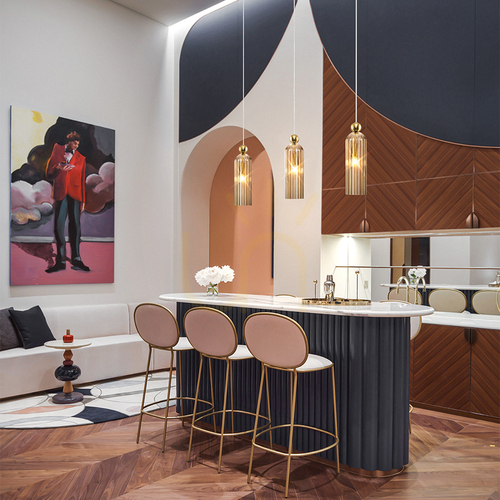
Yes - the contrast of ornate form with a minimalist background has a spectacular effect, providing a focal point and warming the space.
How to choose a light source?
Color temperature: 2700-3000 K (warm) for lounge areas.
Type: LED (also filament) - energy-efficient, durable, negligible heat.
Brightness: better more weak points than one too strong source.
Shape/thread: E27, E14; LED "candles" perform best in candlesticks.
Dimmer: choose "dimmable" LED bulbs compatible with a dimmer.
Are classic lamps energy-efficient?
Yes - with LED, even a large multi-arm chandelier can use little energy, and the bulbs will last for years.
How to choose a lamp for high and low rooms?
High ceilings: long, multi-level chandeliers, expressive forms.
Low ceilings: short overhangs, semi-plophones, plafonds; avoid large, low-hanging forms.
Keep min. 200-210 cm clearance in circulation areas.
Arrangement inspirations
Palace elegance: crystal and gold in the center of the living room.
Retro dining room: large lampshade over the table, soft light for feasting.
Cabinet with soul: brass + frosted glass surrounded by bookcases.
Boutique bedroom: two small pendant lamps instead of bedside lamps.
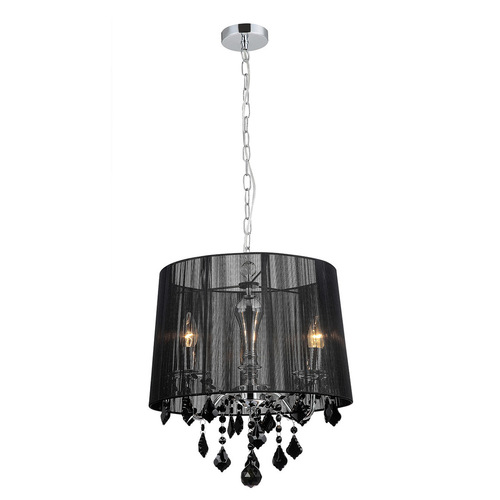
Eclectic mix: a black candlestick chandelier in a minimalist living room.
Quality and precision workmanship
Artisanal finishing and quality control at every stage.
Premium materials - brass, hand-cut glass, crystal.
Personalization (finishes, lengths, shades) and unique character.
Higher price = real value, durability and "for years" effect.
With what to combine classic lamps?
With natural materials: wood, stone, fabrics.
With a consistent color palette and other fixtures (wall lamps, table lamps).
With mirrors and decorations that will reflect the glow and highlight the details.
With modern elements - with balance and common denominators.
Assembly - a summary of the rules
1) Plan the place (the center of the ceiling, above the table/stage).
2) Turn off the power and make sure with a tester.
3) Choose a sturdy hook/hook for the weight of the lamp.
4) Connect the L/N/PE wires according to the art.
5) Hang the lamp, mask the connections with a rosette.
6) Mount decorations/bulbs, test operation.
7) For heavy/resistant installations, use an electrician.
Features valued by decorators
Building atmosphere and "wow effect".
Creating a focal point in the interior.
Huge range of forms and sizes.
Timelessness and high-level craftsmanship.
Versatility - from residences to boutiques and restaurants.
How does classical lighting build atmosphere?
Warm, subtle light promotes relaxation.
Decorative reflections and chiaroscuro add magic.
It accentuates important zones: the table, the reading corner, the entrance.
It evokes positive associations, creates intimacy and "soul" of the place.
Trends in classic lamps (1920s. 21st century)
The return of gold and warm metals (brass, patina).
Classics in a simplified, modern form (modern classic).
Hybrids with industrial and minimalism (transitional).
English and French inspirations; shabby chic and Parisian chic.
Eco-accented and handcrafted; full integration with LED and smart.
Why is it a good choice regardless of age and trends?
It appeals to different generations (sentiment + individualism).
It is resistant to seasonal fads.
It brings emotional value and can become an heirloom.
It is flexible in arrangement - it will find its way into changing interiors.
It is an imperishable beauty - a design that does not age.
FAQ - the most common questions
What are the advantages? Timelessness, durability, versatility, elegance.
For which interiors? Living room, dining room, bedroom, study, hallway, commercial spaces.
How to match the size? Large models for spacious interiors, smaller models for intimate ones; take into account the height of the ceiling.
How to care. Gentle cleaning, regular inspection, avoid aggressive agents, LED.
Are they energy efficient? Yes - with LED sources.
Do they fit into modern interiors? Yes - they create a noble contrast and focal point.
Summary
Classic pendant lamps are the essence of timeless elegance. They combine functionality, beauty and durability, creating an atmosphere in the interior that you want to return to. Whether you're decorating a living room, dining room or bedroom, a classic pendant lamp will be an investment in style for years to come.