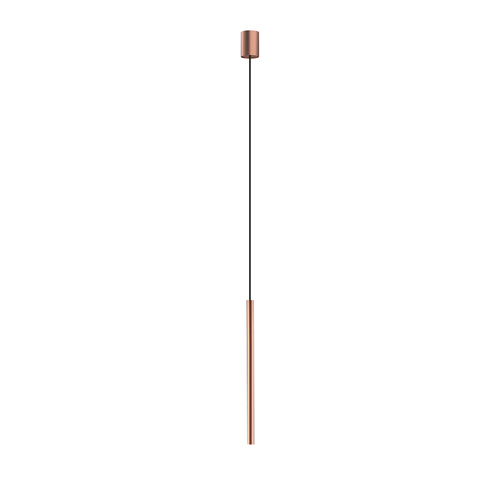
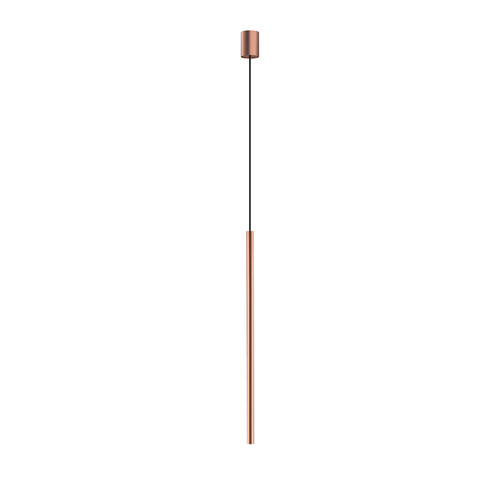
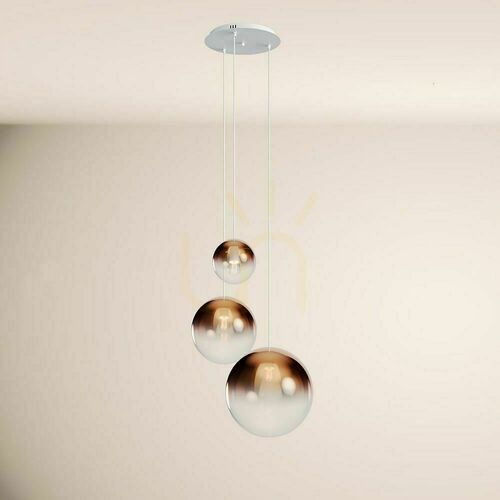
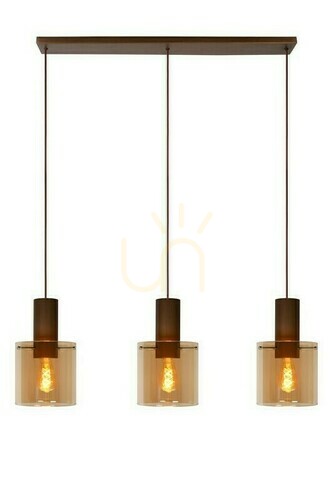
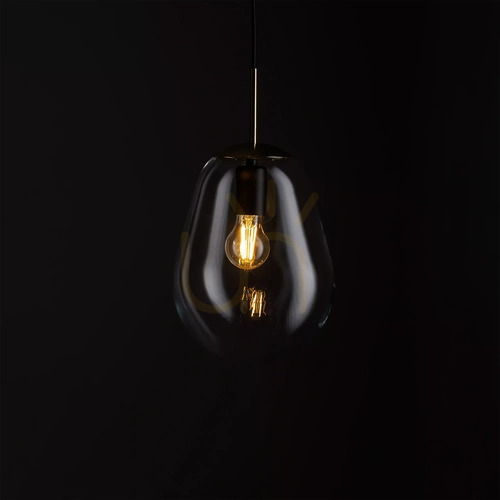
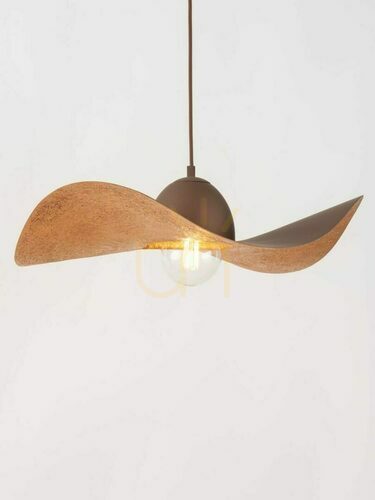
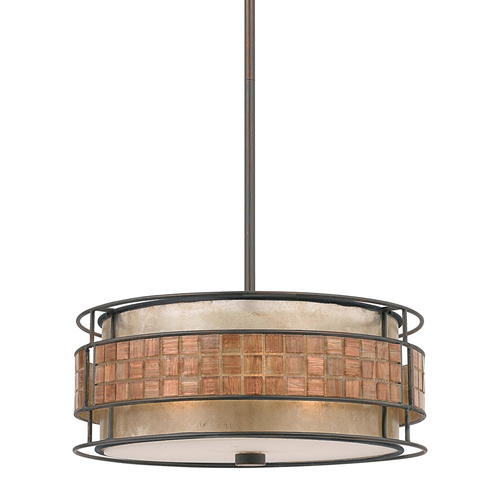
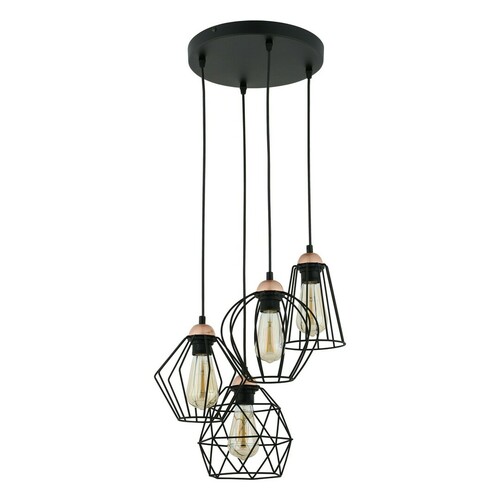
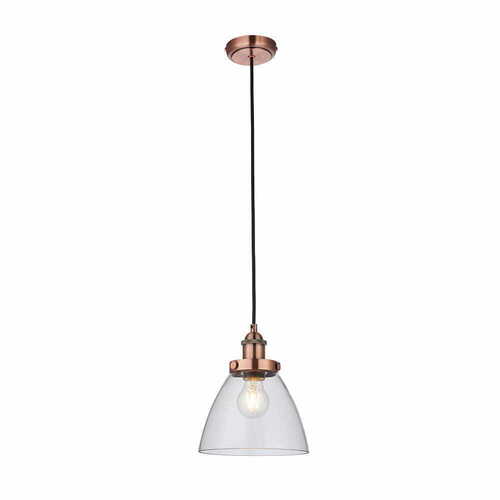
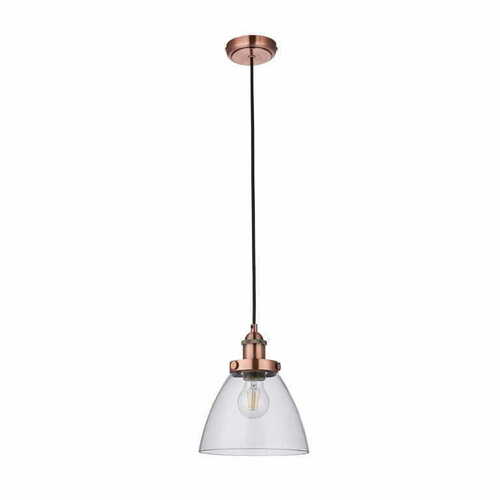
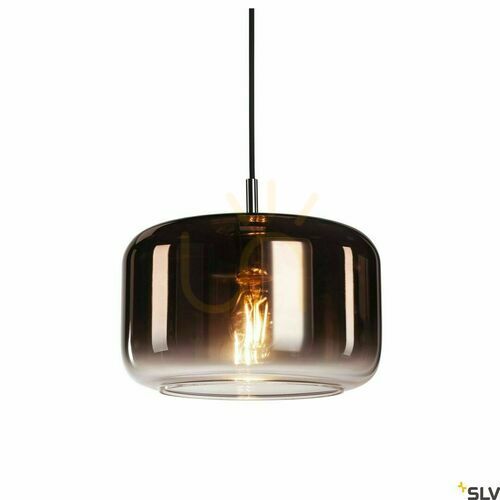
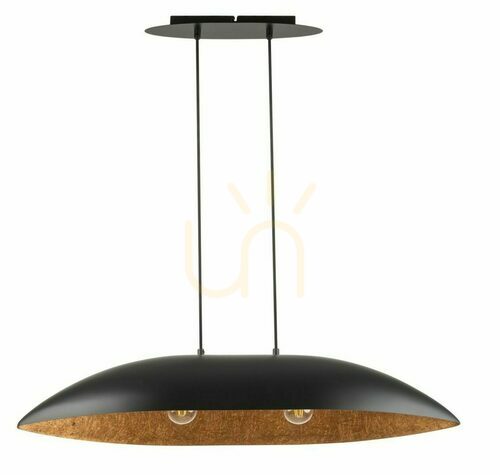
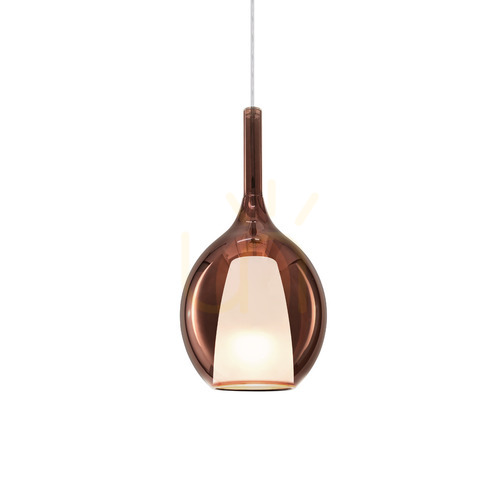
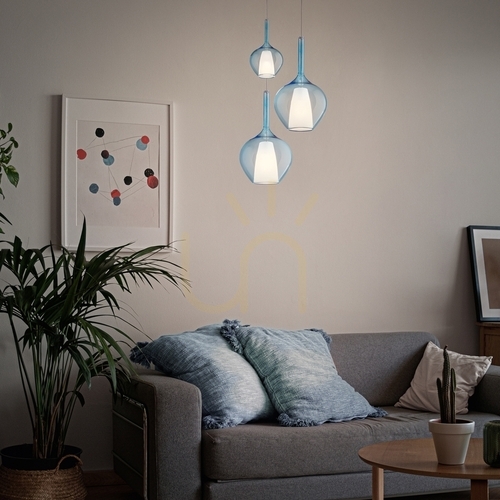
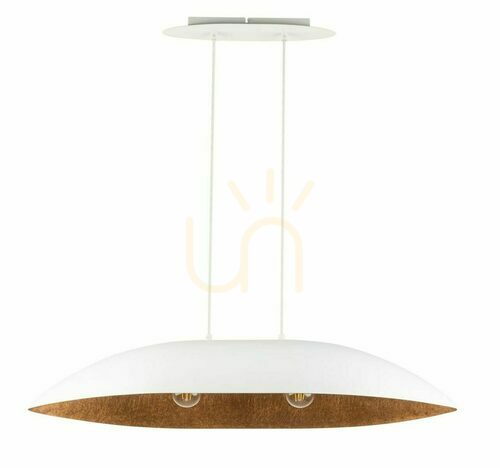
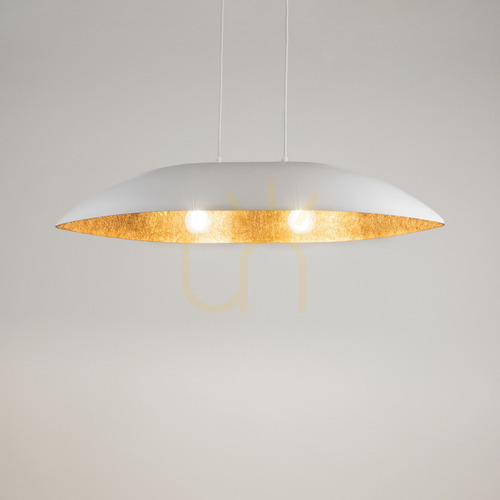
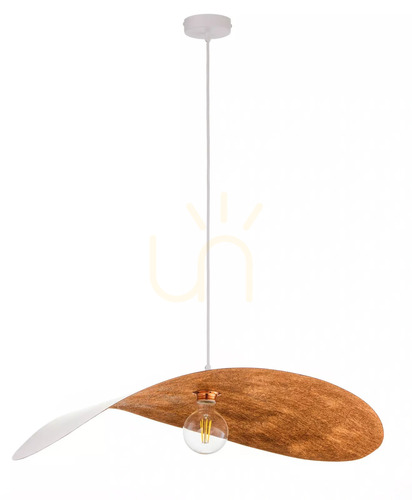
Copper pendant lamps - elegance, brilliance and modernity in your interior
Why copper catches the eye in lighting
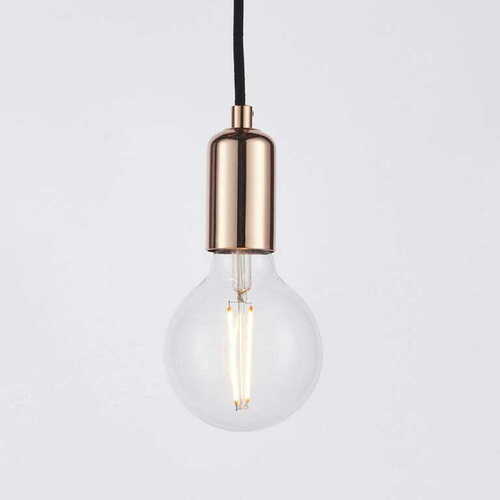
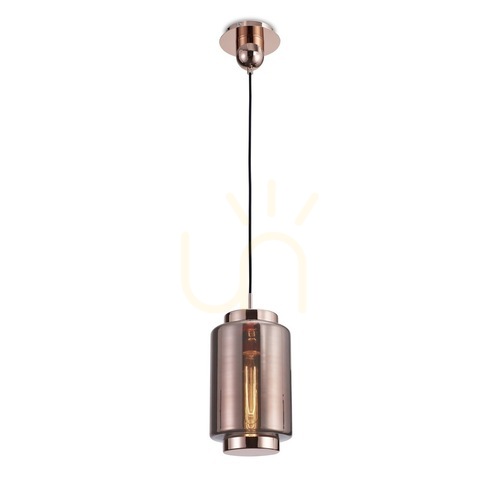
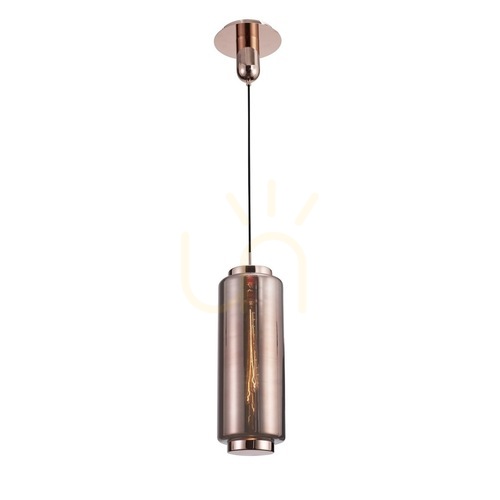
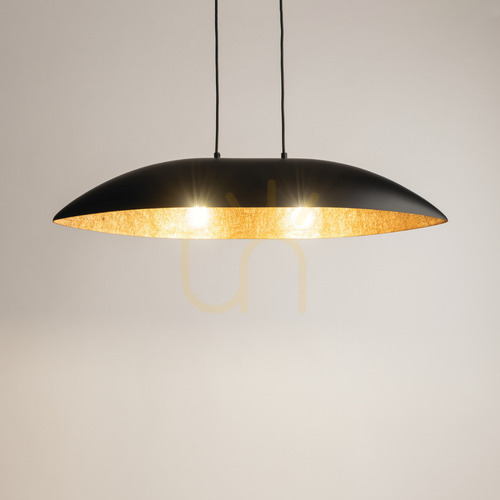
Copper has remained one of the most photogenic metals in interiors for years, and with its warm sheen, a copper pendant lamp can turn a neutral room into a space full of character. The natural hue of the metal reinforces the feeling of hospitality and builds a sense of coziness, making copper pendant lamps perfect for both private living rooms and boutique hotel apartments. In daylight, copper looks soft and noble, while in the evening it reflects light in a way that creates subtle reflections and deepens the plasticity of accompanying materials such as wood, wool, velvet or stone.
An additional advantage is its timelessness - a copper pendant lamp is not a whim of the season, but a lasting design element. This is due to the material itself, which ages beautifully and can acquire a patina over time, giving the setting a unique, individual story. In projects where the balance between modernity and warmth matters, the copper pendant lamp becomes a solution that combines both values into a coherent whole.
Aesthetics and function in one solution
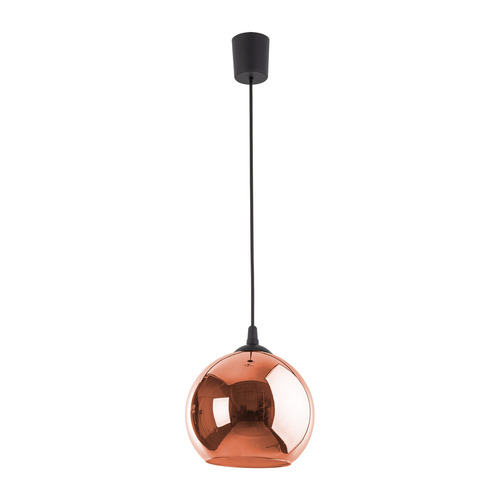
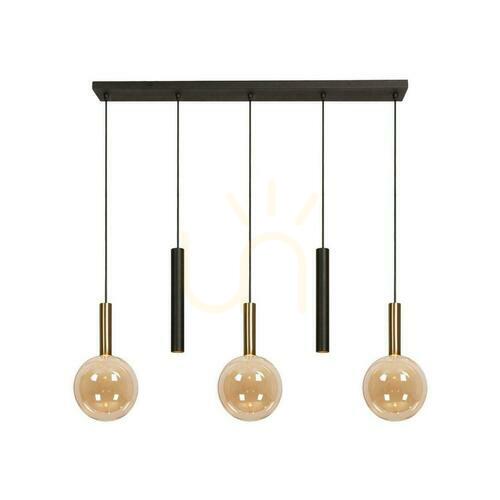
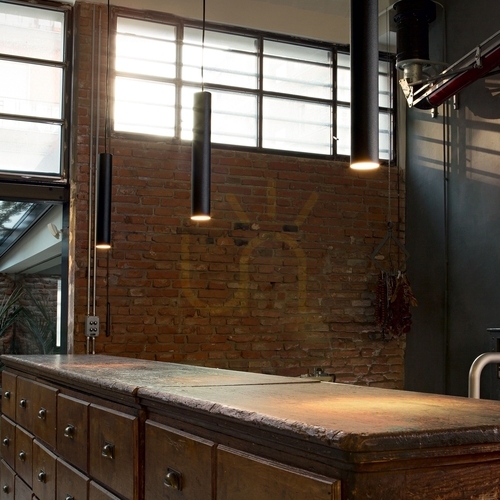
When choosing a fixture over a table or kitchen island, we invest not only in appearance, but also in the comfort of everyday life. Copper pendant lamp with proper selection of shade and light source evenly distributes the beam, does not dazzle and does not create harsh shadows. Hemispherical shades diffuse the light widely, cylindrical ones direct it to the tabletop, and compositions of several slender overhangs allow to model the optics of the space.. As a result, the same lamp can support concentration at work, build mood at dinner, and create a cinematic aura when an evening show reigns in the living room.
Modern LED sources give the possibility of precise selection of light parameters. In the dining room and relaxation area, a color temperature in the vicinity of 2700-3000 K, which exposes the natural colors of food and fabrics, will work, while in the kitchen or home office you can bet on a slightly cooler range of 3000-3500 K, improving the legibility of details. The high color rendering index ensures that textures and shades retain their true appearance, which is important both when serving food and when matching furnishings.
How to choose the form and scale of the lamp for the interior
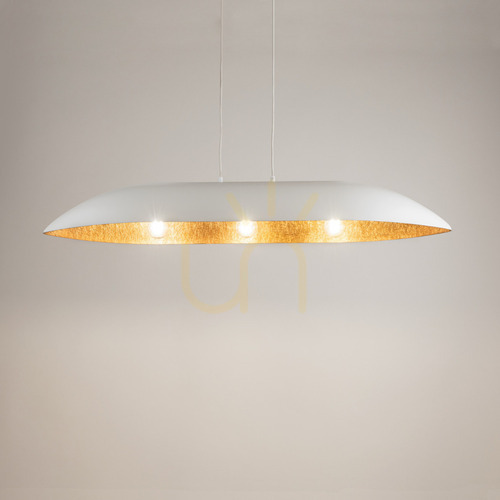
Effective selection of a luminaire starts with proportions. Over a round table, a single copper pendant lamp with a diameter roughly one-third the width of the tabletop looks great. For rectangular tables, elongated lampshades or sets of two or three fixtures that will evenly illuminate the entire tabletop work better.. In high rooms, it is worth using longer wires, so the copper pendant lamp will emphasize the vertical rhythm of the space and set a clear compositional axis. In lower interiors, it is crucial to maintain clearance and select the height of the suspension so as not to obstruct the view of interlocutors.
For small kitchens and kitchenettes are best suited to luminaires with a compact body, which do not dominate the buildings, but visually organize the workspace. On the other hand, spacious living rooms or lofts will like larger chandeliers with copper surfaces, which are the focal point of the arrangement. In corridors and staircases, sequences of smaller overhangs set to the rhythm of the steps work well, guiding the user and giving fluidity to the space.
Finishes and effects: polish, satin, patina
How we perceive a lamp depends largely on the finish of the metal. The shiny copper pendant lamp attracts attention like jewelry, collecting light from all around and creating points of dazzle that enliven the calm, muted color palette. The brushed surface has a softer and more elegant character, while the satin sheen avoids excess reflections in rooms already rich in glass or lacquer. Patinated finishes correspond with vintage and industrial aesthetics, accenting the history of the place and introducing a natural, artisanal tone.
When choosing a finish, it is worth relating it to other materials present in the interior. Wood with a distinct grain pattern gains depth next to satin copper, architectural concrete and black steel elements harmonize with the matte brushed texture, and marble and glass like the shine of polish. In the bedroom, a subtle milky copper lamp hanging over the bedside table will combine with a woolen blanket and soft curtains to create a scene perfect for evening reading.
Locations in the house: kitchen, dining room, living room, bedroom
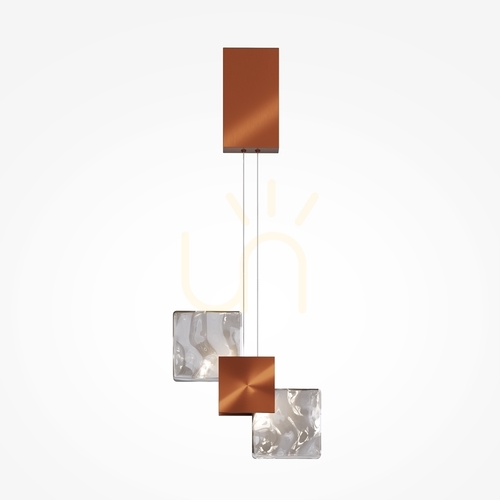
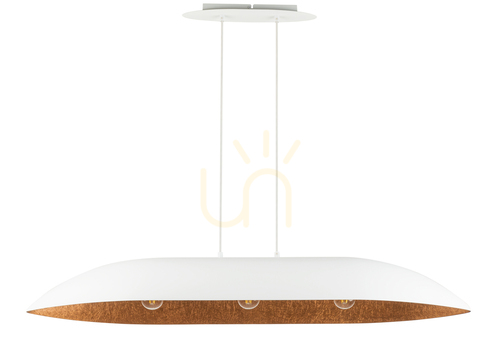
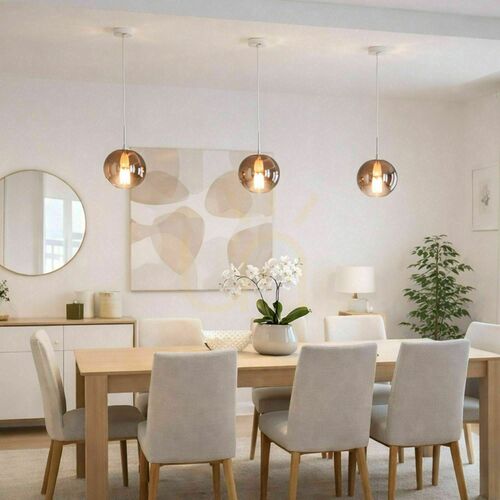
In the kitchen, a copper pendant lamp should support work activities and organize the space. Above the island, three small overhangs set in an even rhythm are perfect - such a solution provides even illumination and allows you to easily control shadows. Above the dining table, a single copper pendant lamp with a wide shade will work well, giving a theatrical setting to meals and focusing guests' attention on the common center of home life.. In the living room, a luminaire hung over a coffee table or in the axis of a sofa helps to separate the resting area and builds a multi-plane lighting that does not tire the eye. In the bedroom, two narrow overhangs will replace classic bedside lamps, freeing up the table top and organizing the wires.
In transitional spaces, such as corridors, halls or high staircases, copper pendant lamps add rhythm and guide the user to the next zone. In small vestibules, the slightly elongated luminaire not only illuminates the place where the garments are put on, but also serves as a showcase for the house, suggesting quality and attention to detail from the threshold.
Commercial applications: catering, hotel, retail
In restaurants, the copper pendant lamp supports the creation of a friendly atmosphere in which guests want to spend an extended period of time. The warm color of the metal promotes an appetizing perception of food, and the dimmable option allows you to easily change the mood between lunch and dinner time. In the hotel lobby, a striking cascade of lampshades acts as a light sculpture, providing a backdrop for photos and a natural landmark. In boutiques and showrooms, copper warms up austere displays, combines minimalism with a sense of luxury and makes products look more noble.
In office spaces, copper pendant lamps used in moderation help to break the monotony of white and gray, and at the same time do not disturb the professional character of the place. Single accents above meeting areas or in office canteens add energy, enhance the comfort of the occupants and support the brand's visual identity.
Lighting efficiency and comfort
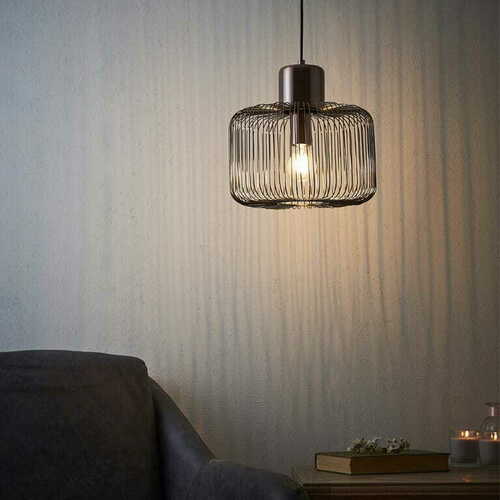
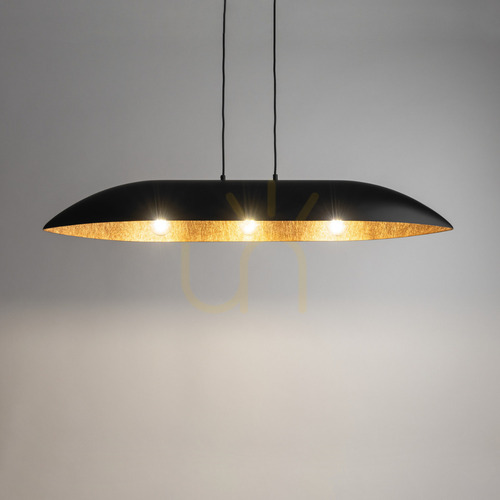
Good lighting doesn't end with a pretty lampshade. What also matters is the balance between intensity, shadow distribution and visual comfort. If the lampshade is transparent, it is worthwhile to use sources with a milky dome, which diffuse the stream and eliminate point glare. When the lampshade is metal, you can use an internal diffuser or a white interior that will reflect the light and brighten the countertop without sharp contrasts. Intensity control, scene control and schedules for daily changes in color temperature make a single copper pendant lamp play multiple roles depending on the time of day.
In projects where acoustics are important, the shape and surface of the lampshade also matter. Softly rounded forms and warm materials accompanying the lamp reduce unwanted reverberations, making the space more comfortable to use. These are details that make a huge difference in everyday perception.
Maintenance and durability of copper
Copper is a resilient and predictable material. For daily care, all you need is a soft cloth and mild detergents. It is worth avoiding rough sponges and aggressive chemicals that can scratch the surface or damage protective coatings. If patina appears, it can be left to emphasize the mature character of the fixture, or it can be removed with special preparations for copper, restoring the luster of the. With regular, gentle care, the copper pendant lamp will retain its elegance for years of use.
Also important is the possibility of servicing. Choosing luminaires with a replaceable light source and access to the mounting components, you will be assured of an easy repair if necessary, instead of replacing the entire lamp. It's an economically and environmentally beneficial solution because it extends the product life cycle and reduces waste.
Sustainable choice and responsible purchasing
Copper is ideally suited to the idea of circularity, as it can be recycled many times without loss of quality. In combination with an energy-efficient LED source, it forms a duo that realistically reduces energy consumption. It's also worth paying attention to the origin of the raw materials, certificates of responsible production and the manufacturer's after-sales support policy. This makes the copper pendant lamp an investment, not just a decorative gadget.
Responsible choice also includes packaging and logistics. The rugged protection of the lampshade reduces the risk of damage during transportation, and the compact packages reduce the carbon footprint of shipping.. These are aspects that are rarely highlighted in marketing materials, but in practice determine the total cost of ownership.
Mounting and safety of use
Installation of the lamp is best entrusted to an electrician, who will assess the load-bearing capacity of the ceiling, select the appropriate studs and take care of the aesthetic routing of the wires. The key is the correct height setting - above the table, the lower edge of the lampshade is usually within 75-85 centimeters from the tabletop, which allows you to talk freely and does not dazzle those sitting down. In passageways, clearance should be maintained to allow comfortable passing, and over the kitchen island it is worth synchronizing the luminaires with the rhythm of cabinets and appliances to avoid accidental clashes of forms.
After installation, it is worth programming light scenes corresponding to different activities. One scene may be for daily meals, another for evening relaxation, and another for laptop work. By controlling the dimmer and changing the color temperature, the same copper pendant lamp will naturally adjust to the rhythm of the householder's day.
The most common mistakes and how to avoid them
Common mistakes include hanging a luminaire that is too small over a large table, or choosing a lampshade without a diffuser that blinds the seated. Another problem is sometimes the random placement of several overhangs without maintaining rhythm and proportion, resulting in visual chaos. It also happens that the light color is too cool and conflicts with the warmth of copper, so that the fixture loses its charm. Just take care of the right scale, thoughtful spacing and the right parameters of the LED source, so that the copper pendant lamp will present its full potential.
It is also worth avoiding an excess of shiny surfaces in the immediate vicinity of the polished copper, as their summative reflection can tire the eyesight. If there is a lot of glass, mirrors and lacquer in the interior, it is better to choose brushed or satin copper, which will soften the lighting effects without losing elegance.
How to create lighting sets
The most impressive compositions are those in which the main copper pendant lamp interacts with other light sources. Wall lamps with consistent colors build up the background, table lamps warm the corners, and accent lighting highlights the textures of walls and shelves. This results in a multi-layered light scene in which each zone has a clear role. The copper pendant lamp then becomes the keystone of the entire arrangement, rather than an isolated accent.
Sets should be designed according to the principle of repetition and counterpoints. If a smooth, spherical lampshade dominates the table, in the living room you can offer a copper fixture with a slightly sharper geometry, which will add energy, but maintain a color affinity. Such nuances make us perceive the house as thoughtful and harmonious.
FAQ in the form of a guide
Are copper pendant lamps suitable for small interiors? Yes, provided that the proportions are maintained and the appropriate suspension height is maintained. The compact lampshade with a simple form will not overwhelm the space, and the warm color of the metal will add a friendly touch to it. How to clean copper? Preferably with a soft cloth and a mild detergent, avoiding scratches; patina can be left as a conscious effect or can be removed with preparations designed for this purpose. With what materials to combine copper? Great with wood, fabric and glass; with concrete and black steel will create a modern duo, with marble - elegant. How to choose the light? In relaxation areas 2700-3000 K will work, in workplaces 3000-3500 K, always taking into account the high CRI. Is the copper pendant lamp energy efficient? Yes, if it uses modern LED sources and dimming, which allows you to reduce energy consumption and adjust the mood to the situation.
How to avoid glare? In transparent fixtures use sources with a milky dome or diffuser, in metal fixtures - take care of the bright interior of the shade or additional diffusing elements. Does copper go with Scandinavian style? Definitely - a copper pendant lamp in a matte brushed finish will warm up white and natural wood. Can copper be used in the bathroom? Yes, in properly protected fixtures and areas that comply with installation requirements; it will create a very elegant effect in an open dressing area.
Case studies and advanced tips
Imagine a dining room with a massive oak table two and a half meters long. Instead of one huge luminaire, a series of three lamps, each about forty centimeters in diameter, suspended at equal distances and at an equal height, will be better. This treatment will ensure an even level of light along the entire length of the countertop, and the copper pendant lamp in a satin finish will highlight the grain of the wood without creating harsh reflections. An evening scene with a reduction in intensity to sixty percent and a warming of color will add ceremoniality to dinners.
In a kitchen with a dark stone countertop, contrast becomes a priority. The use of a light-colored shade interior or a milky diffuser will bring out surface details and make it easier to work with a knife. If the island also serves as a bar, it's a good idea to program a separate light scene with lower intensity and warmer colors, so that the space seamlessly changes character between cooking and socializing. This flexibility is provided by a modern copper pendant lamp that works with dimmer and scene control.
In a hotel lobby, where the ceilings reach several meters, a composition of overhangs at different heights will create a sense of movement and give the space a vertical rhythm. It is worth mixing diameters and shapes within a single design family to avoid monotony, but maintain consistency. A polished copper lamp hanging in the center of the frame will catch the eye of visitors and become a natural backdrop for photographs that live later on the brand's social media.
In work areas with monitors, do not place fixtures directly above the screen. A better solution is to move the light points so that they illuminate the countertop at an angle and reduce reflections. As a result, eyes tire less and work surfaces remain legible. When it comes to home audio studios, the soft, opaque shades will help reduce shiny reflections in video recordings, while the warm copper color will give the frame a professional touch.