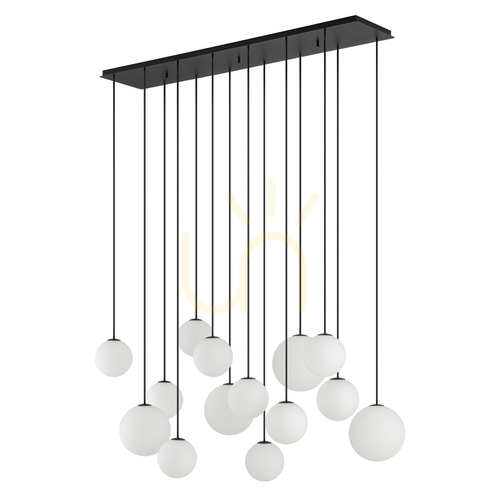
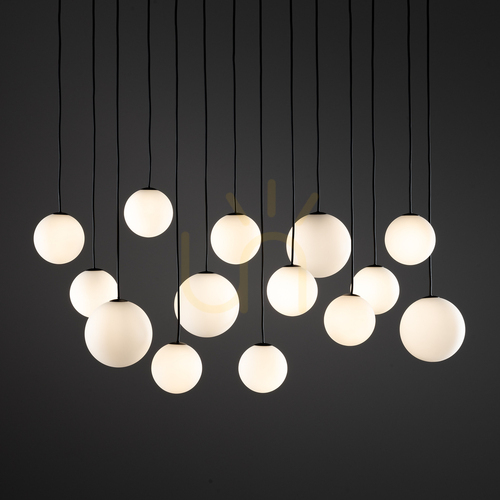
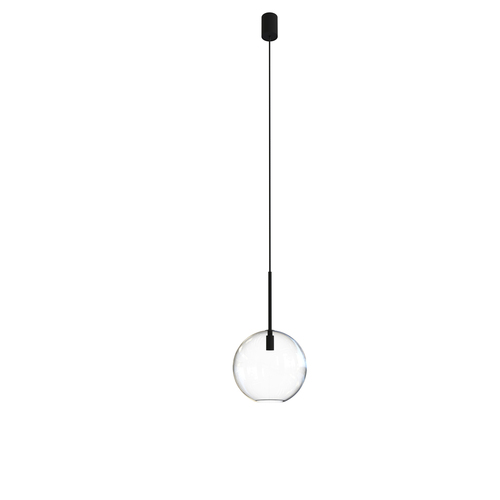
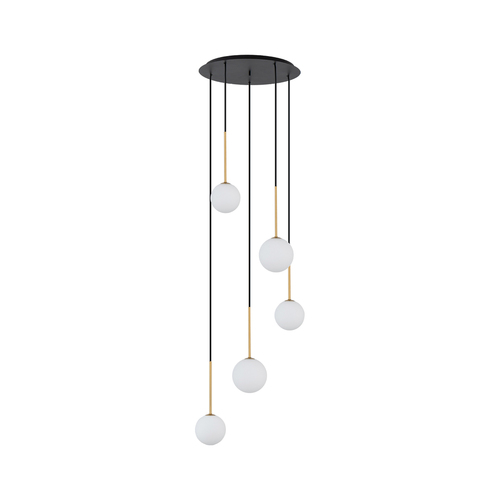
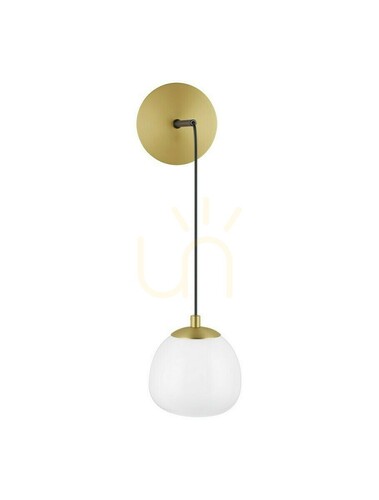
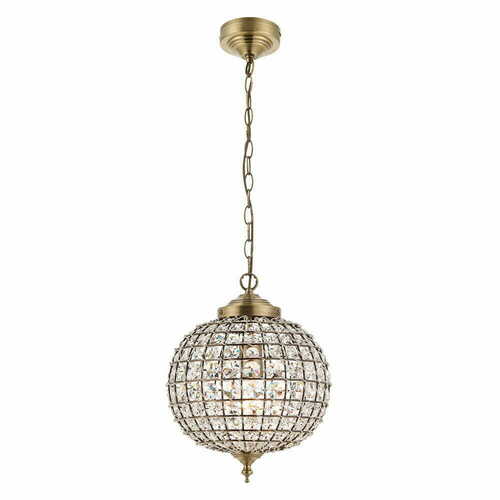
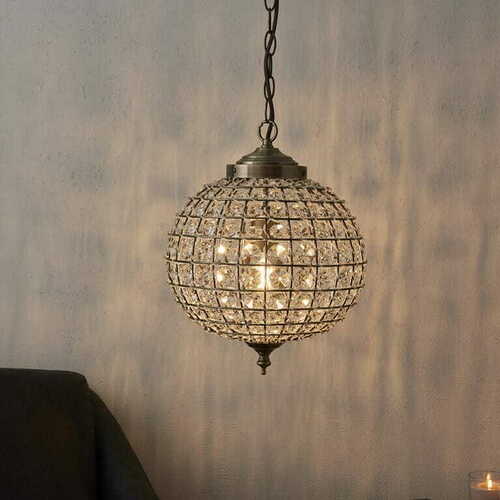
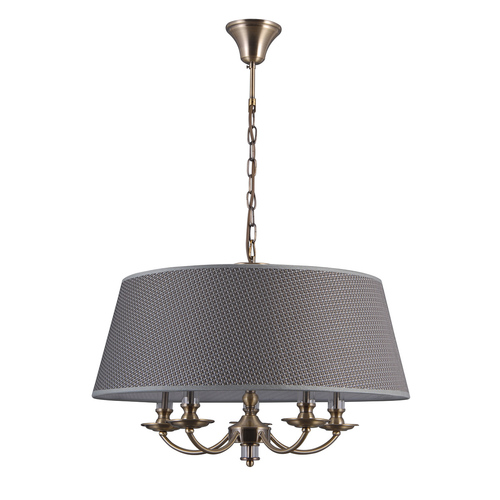
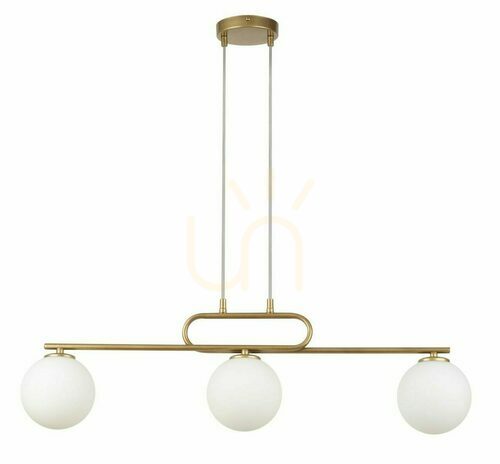
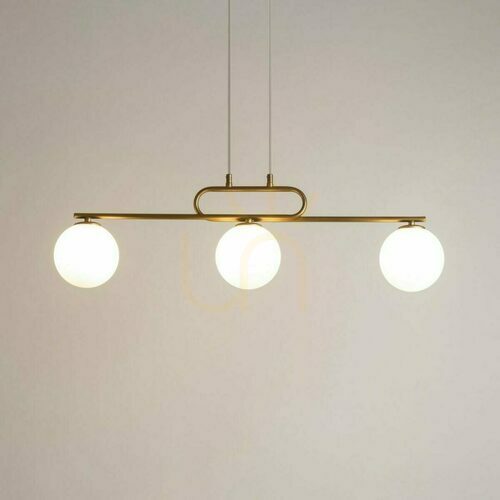
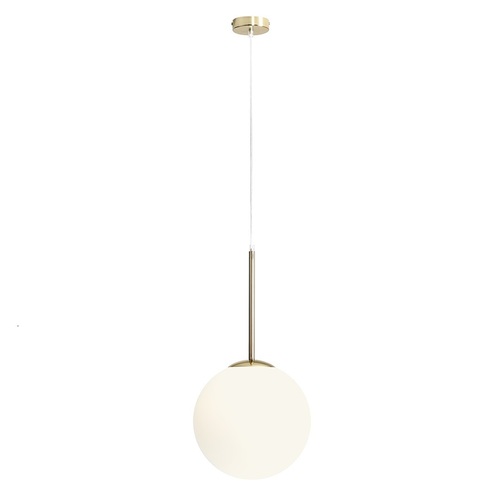
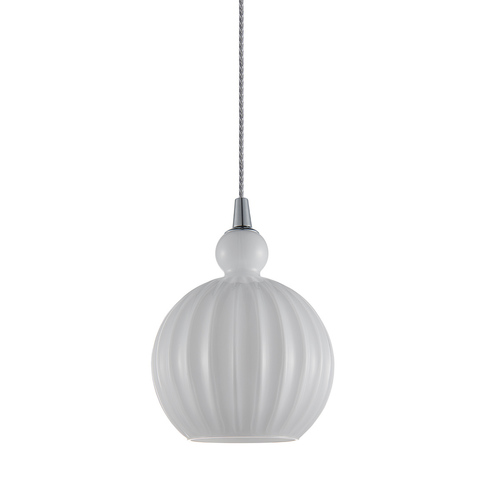
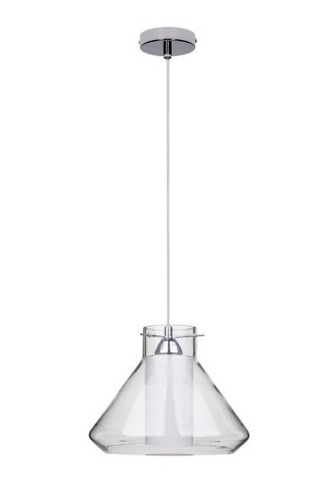
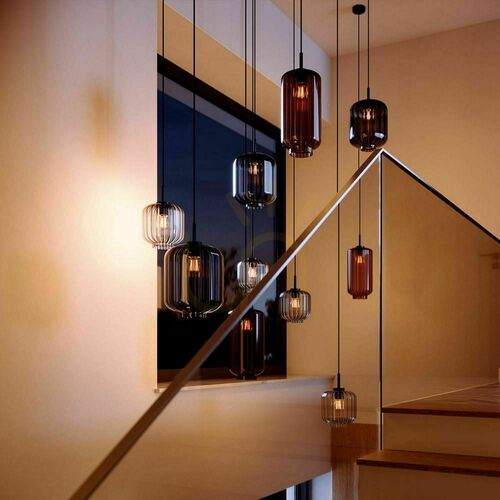
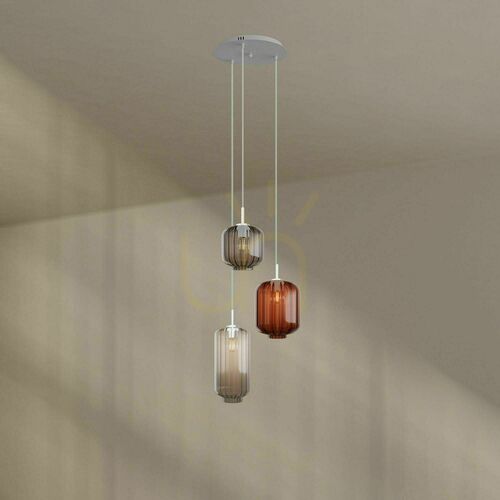
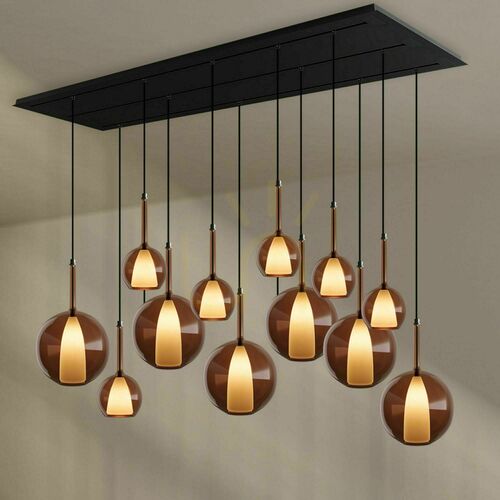
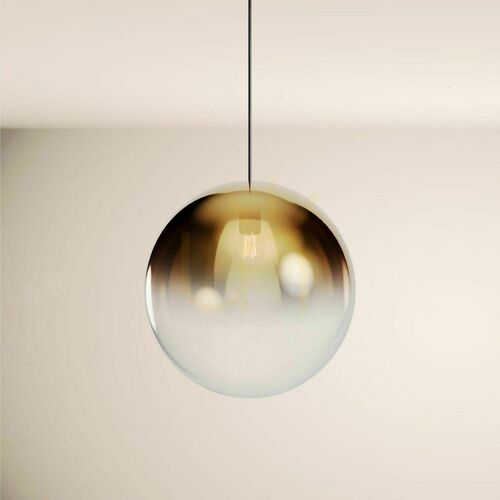
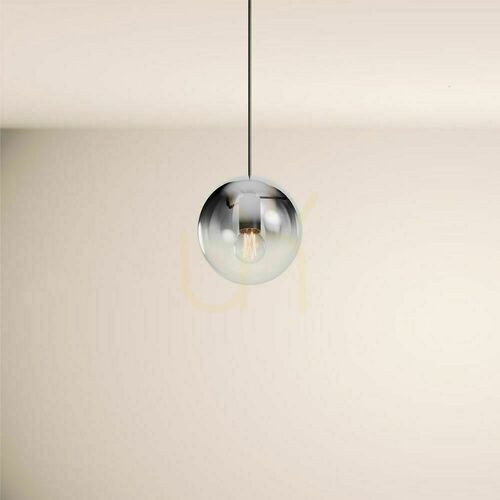
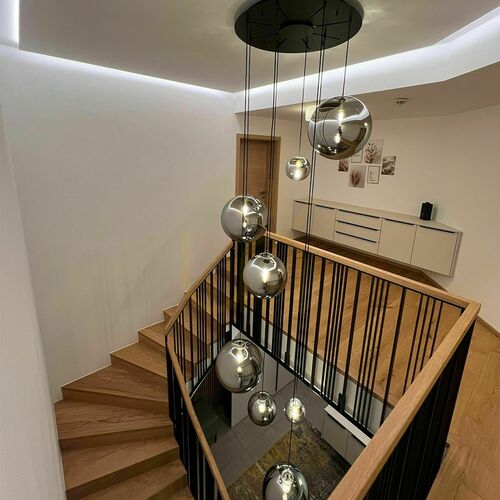
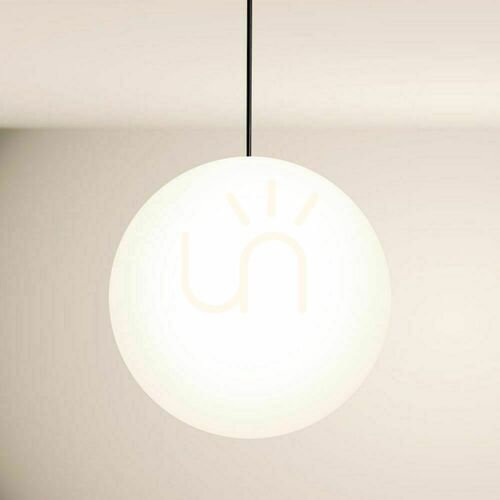
Glass is the material that lets a pendant light a room without visually filling it. Clear glass almost disappears and shows the lamp; opal glass turns the same fitting into a soft, glare-free globe. Choosing between them is really a choice about whether you want to see the bulb.
Which glass does what
GlassLightSuits
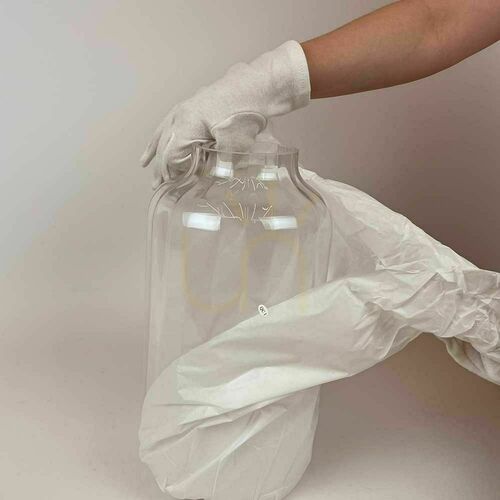
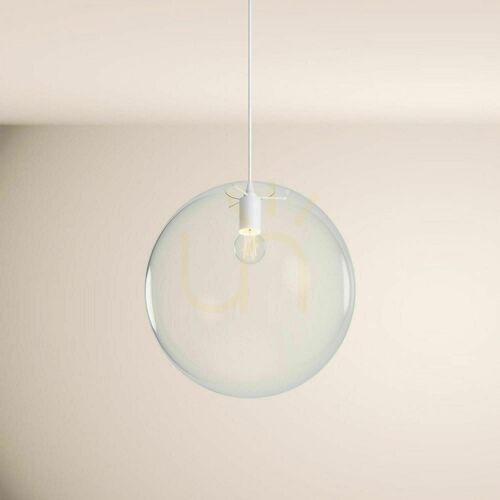
ClearSparkling, directional, bulb visibleDining tables and islands, with a filament lamp
Opal / whiteEven, soft, no glareHallways, bedrooms, low ceilings
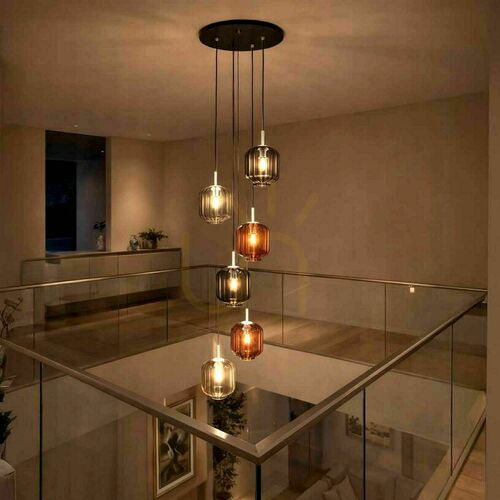
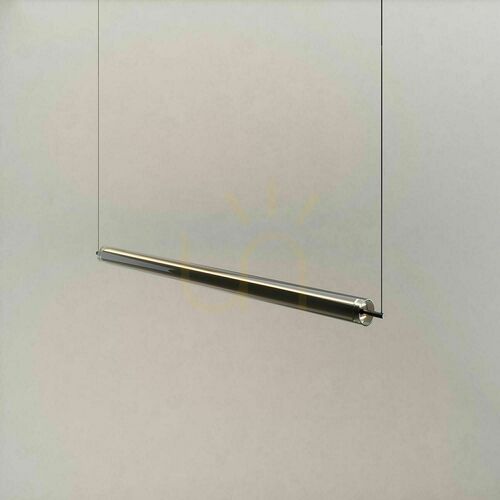
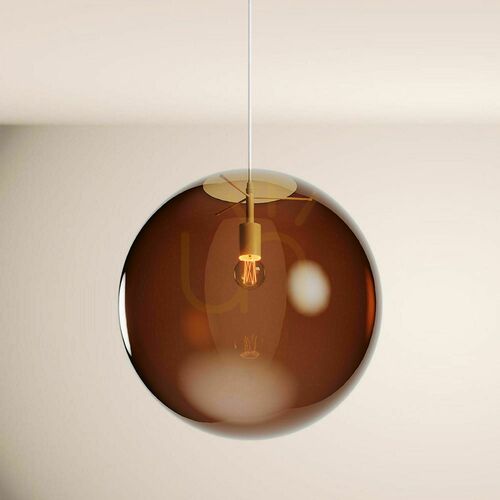
SmokedMuted and warmLiving rooms and seating areas
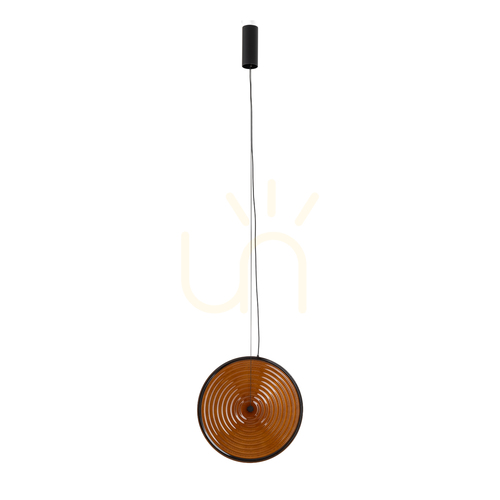
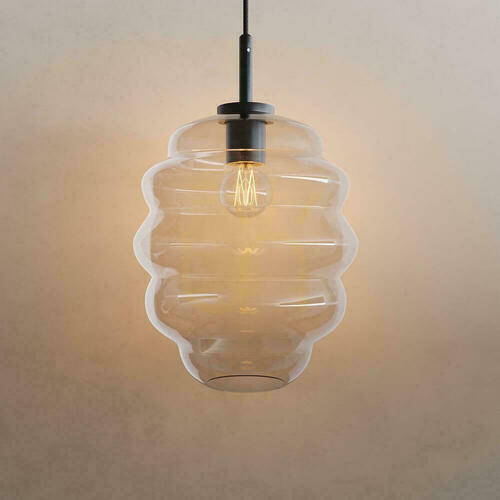
Ribbed / flutedTextured, scatteredKitchens and dining rooms
Hanging height over a table
70–80 cm between the table top and the bottom of the shade. Lower and people knock their heads standing up; higher and the fitting glares across the table at seated eye level. Over an island, the same range works — measure from the worktop.
Clear glass means the bulb is part of the design
This is where glass pendants either work or look cheap. Behind clear glass you need a decorative filament lamp; a frosted standard LED capsule shows as a white lump. Budget for the lamp as part of the fitting, not as an afterthought.
Frequently asked questions
How many glass pendants over a dining table?
One up to about 140 cm of table length, two up to 200 cm, three beyond that — evenly spaced and at least 30 cm in from each end.
Are glass pendant lights hard to clean?
Smooth glass is easy — a wipe is enough. Heavily faceted or ribbed glass collects grease in a kitchen and needs more attention.
What colour temperature suits glass?
2700 K. Warm light brings out smoked and amber glass; cool light makes it look grey.
See also Pendant Lights.