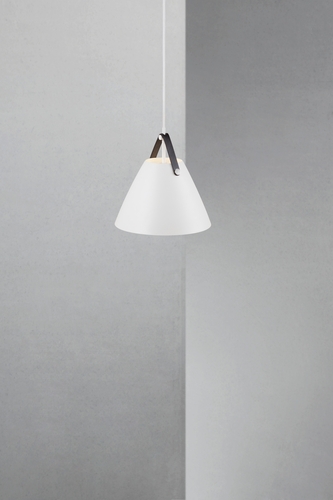
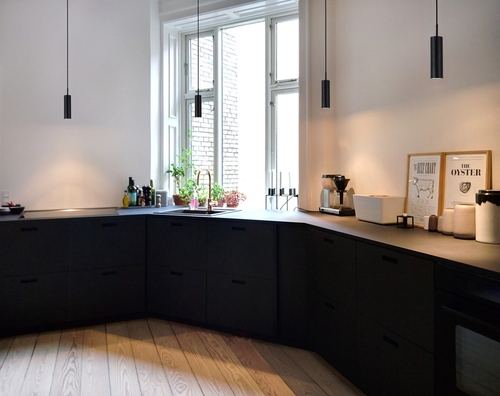
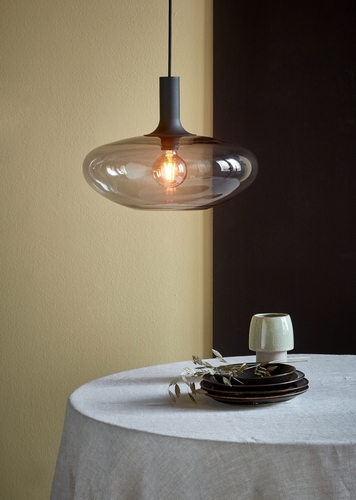
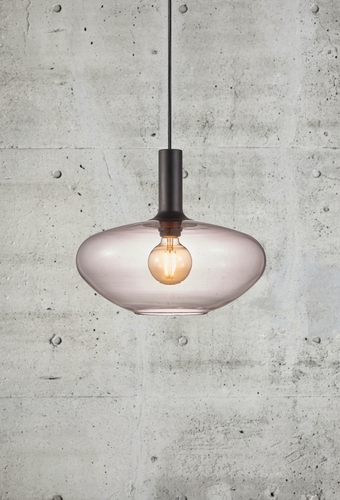
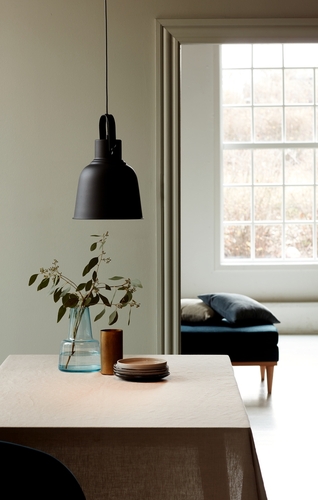
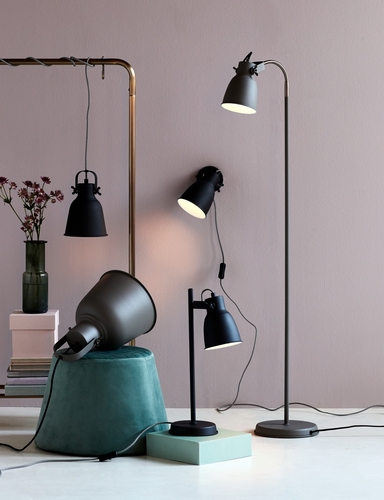
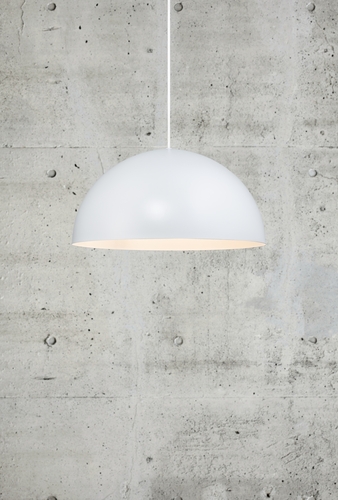
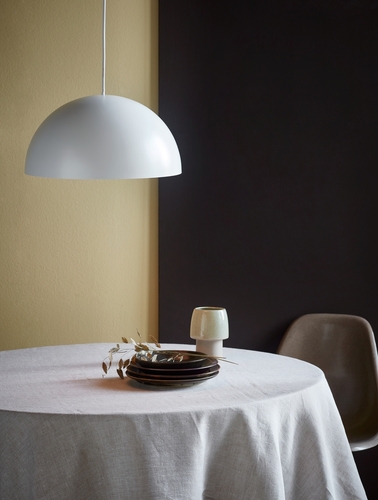
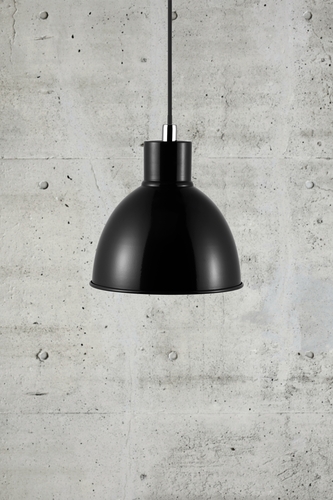
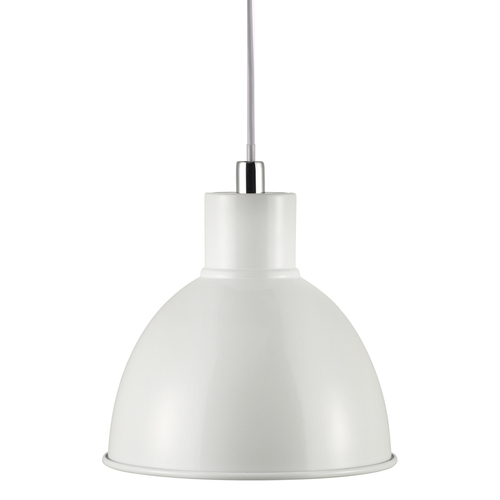
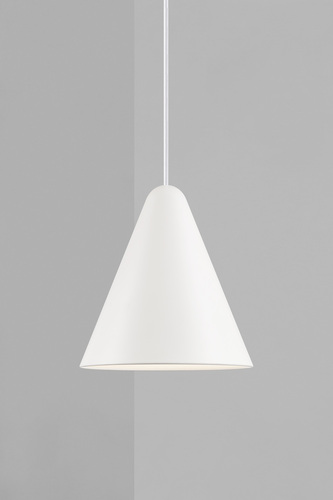
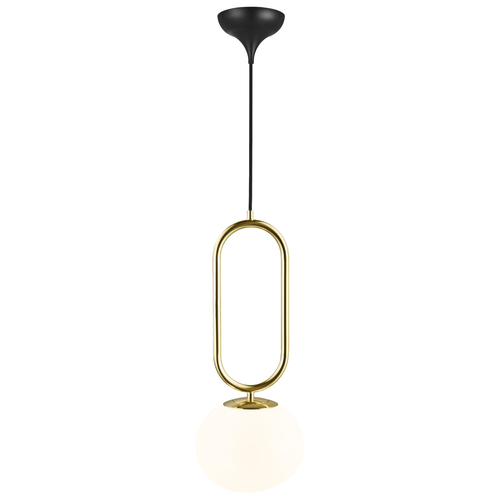
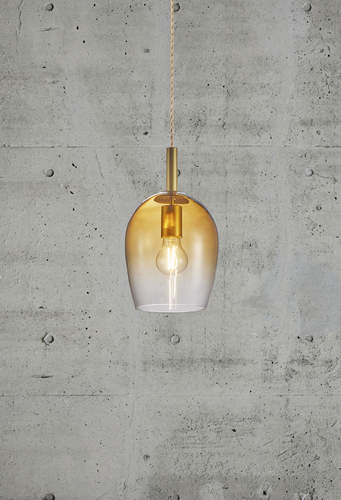
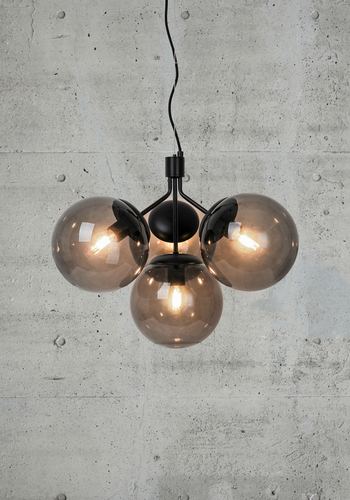
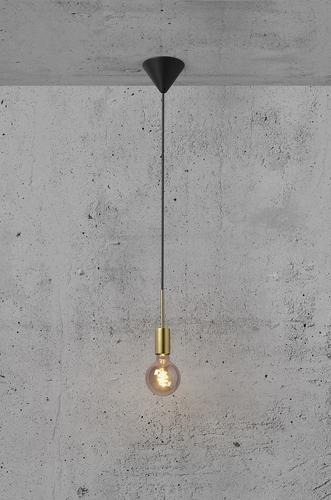
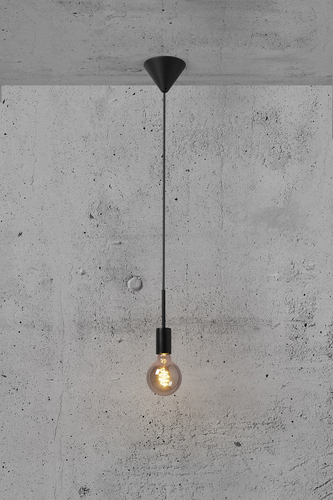
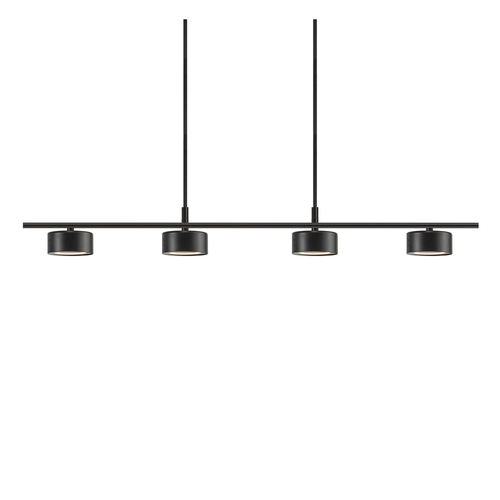
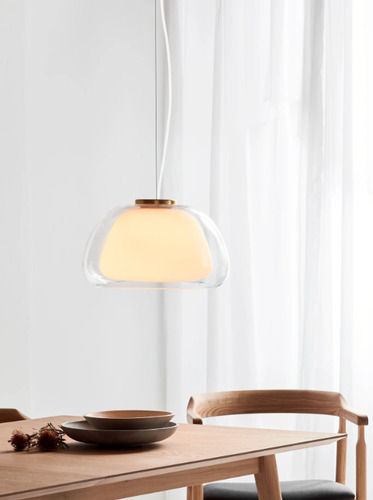
A Nordlux pendant light is Danish design hung on a cord: a plain, well-proportioned shade that drops the light down to the dining table, kitchen island or reading chair instead of spreading it thinly from the ceiling. The decisions that matter are practical ones – how many pendants, how low they hang, which way the shade throws the light, and whether you are buying a fitting for a standard bulb or one with built-in LEDs.
Nordlux is based in Aalborg in northern Denmark and works with Scandinavian design studios. That shows in the pendants: few details, careful proportions and designs that usually come in several diameters and colours, so you can line up matching shades over a long table or pair a large and a small one from the same family.
What a Nordlux pendant is made of
The materials decide the kind of light you get, more than the wattage does.
-
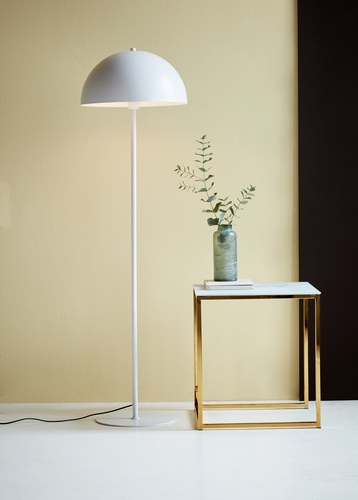
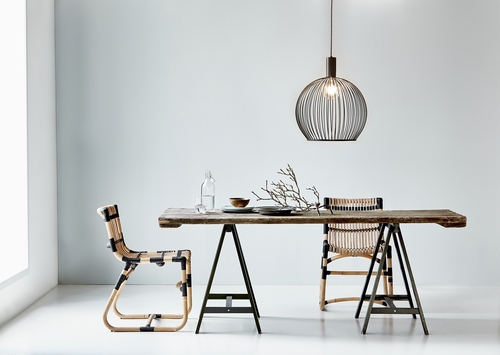
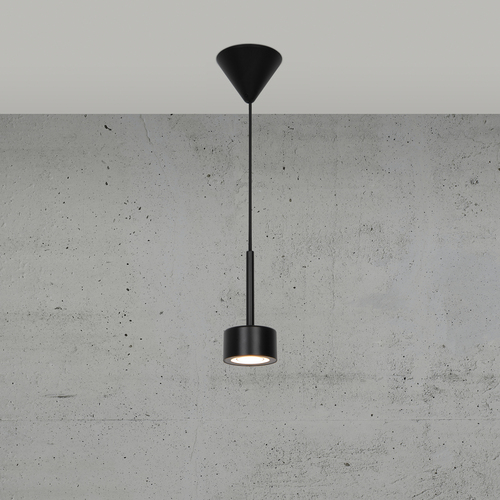
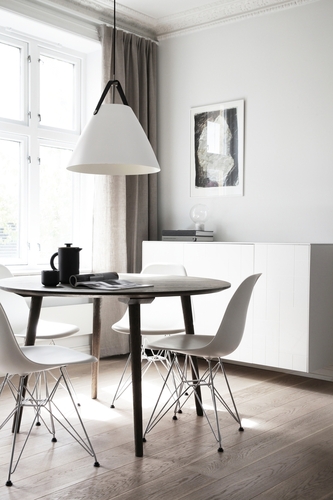
Metal shades in black, white, anthracite, brass or brushed steel throw a cone of light downwards. Over a table they keep glare out of people's eyes and leave the ceiling softly dark.
-
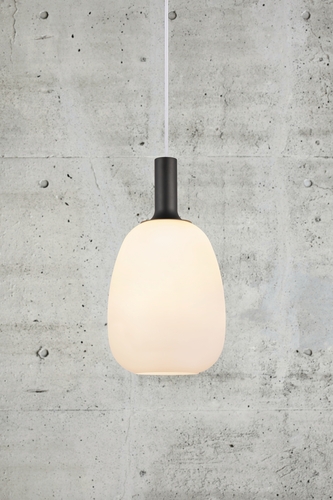
Opal glass glows all round and lifts the walls and ceiling too – handy when one pendant has to light most of a kitchen-diner.
-
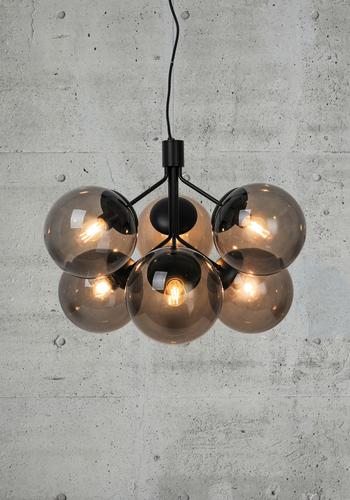
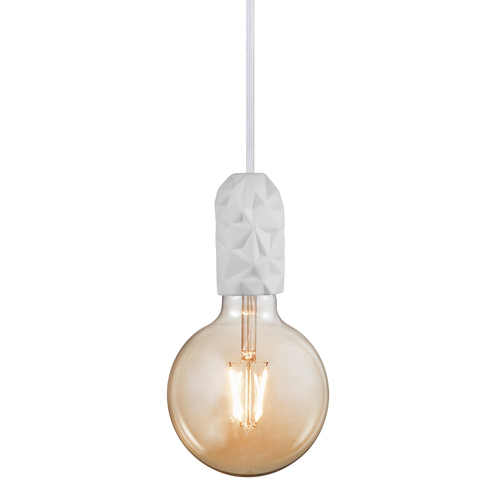
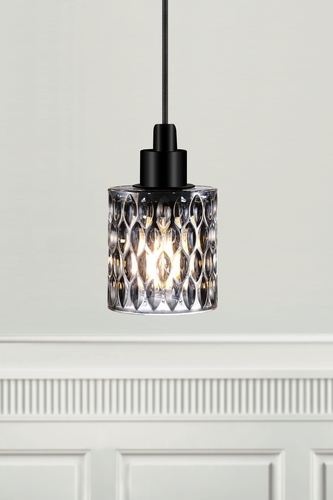
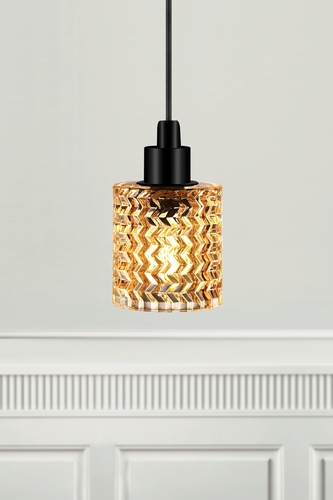
Clear, smoked or ribbed glass shows the bulb, so it looks best with a low-output decorative filament lamp or on a dimmer.
-
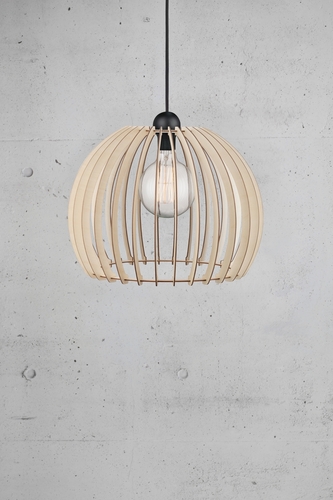
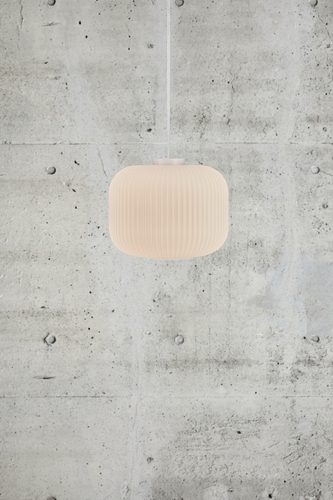
Rice paper, fabric and wood give a gentler, warmer glow that suits living rooms and bedrooms.
-
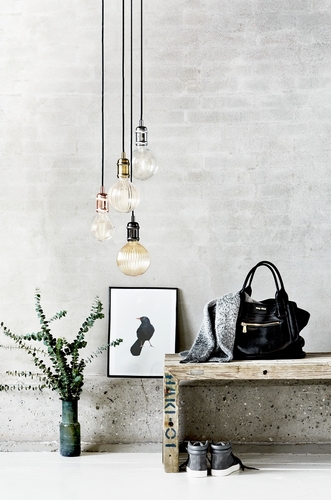
Pendant kits – a flex, lampholder and ceiling cup – let you hang your own shade or a bare decorative bulb.
How many pendants, how big and how low
| Question |
Typical answer |
| Height above the table |
about 60–80 cm from tabletop to the bottom of the shade; Nordlux suggests 50–70 cm |
| Ceiling above 2.4 m |
raise the pendant by roughly 7–8 cm for every extra 30 cm of ceiling |
| Shade size for a single pendant |
half to two-thirds of the table's width, at least 15 cm narrower than the table on each side |
| Table up to about 1.4 m |
one pendant |
| Table 1.8–2.1 m |
two pendants, or one linear fitting of roughly 0.9–1.1 m |
| Table 2.4 m or longer |
three pendants |
| Spacing |
60–80 cm centre to centre, end shades at least 15 cm in from the table ends |
| Kitchen island |
about 70–80 cm above the worktop, two or three smaller shades |
| Hallway or landing |
at least about 2.1 m clear headroom below the fitting |
The easiest test is to sit down: you should see the person opposite clearly and the light should land on the plates, not in your eyes. Most modern UK homes have ceilings of around 2.4 m; in a Victorian or Edwardian house with 2.7–3 m ceilings, check the maximum drop before you buy.
Bulbs: E27, LED and dimming
Many Nordlux pendants take an E27 Edison screw bulb, others E14, GU10 or G9. British homes are full of B22 bayonet bulbs, so stock up on the right cap – an adaptor adds length and can leave the bulb hanging below the shade. Warm white around 2700 K with a colour rendering of Ra 90 or more makes food and faces look natural. Over a dining table, around 800–1,000 lumens in total is a sensible start; an 806 lm LED is the old 60 W equivalent. Models with integrated LEDs are often slimmer and need no bulb changes, but the colour temperature is fixed when you buy. To dim, use bulbs marked dimmable and an LED-rated trailing-edge dimmer, or you may get flicker and hum.
Fitting at the ceiling rose
A pendant connects at the ceiling point and its canopy hides the terminals. Heavy glass shades and multi-light clusters should hang from a proper ceiling hook or fixing into a joist rather than from the rose alone, and metal fittings (Class I) need an earth. Wiring must comply with BS 7671, so a qualified electrician is the right call – they can also cut the flex to length. If the table is not centred under the light point, a second ceiling hook can swag the pendant across.
Care
Switch off and let the bulb cool. Wipe metal with a dry or slightly damp cloth and skip abrasive cleaners, which dull brass and powder coating. Wash glass shades in warm soapy water and let them dry completely before refitting. Paper and fabric shades just need a soft brush or the upholstery tool of a vacuum.
Frequently asked questions
How many pendant lights over a dining table?
One for a table up to about 1.4 m, two for 1.8–2.1 m and three from about 2.4 m. Round tables almost always look best with a single, larger shade.
What light is best for a dining table?
A dimmable warm-white pendant that throws light downwards. A shade that hides the bulb keeps glare away, while an opal glass shade adds a softer glow across the room.
Are pendant lights over kitchen islands going out of style?
Island pendants are task lighting first, which is why they keep being fitted: they put light on the worktop and mark out the island in an open-plan room. Plain shades in matt metal, glass or natural materials date least, and two or three identical pendants in a row are the safe arrangement.
How do you hang a pendant over a dining table?
Centre it on the table rather than the room, set the height with someone seated, then have the flex shortened. If the ceiling point is off-centre, swag the cable to a hook above the table.
Black or white pendant?
Black reads as a strong graphic accent against a pale ceiling. White blends in and reflects more light inside the shade, so the same bulb feels brighter.
Can a Nordlux pendant go in a bathroom?
Indoor pendants are usually IP20, meant for dry rooms. In a bathroom the IP rating has to match the zone, so check before choosing one.
More about the brand and its Danish design approach: Nordlux lamps. If you are picturing a round opal shade over the table, have a look at globe pendant lights as well.