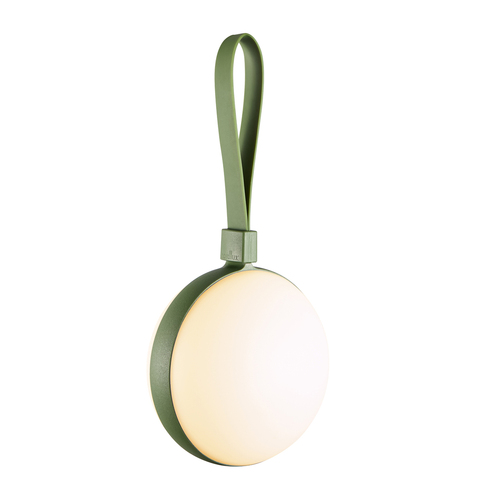
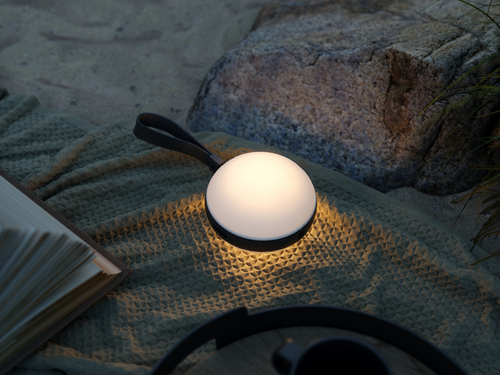
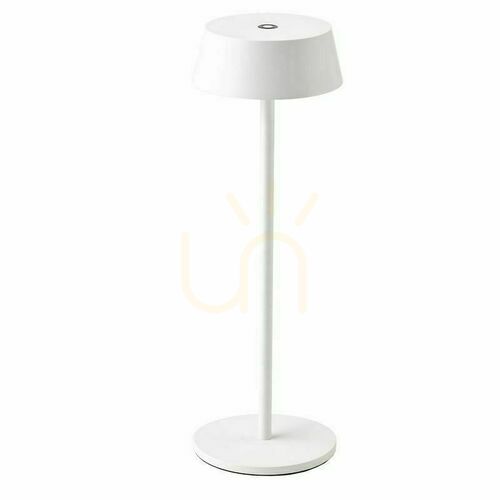
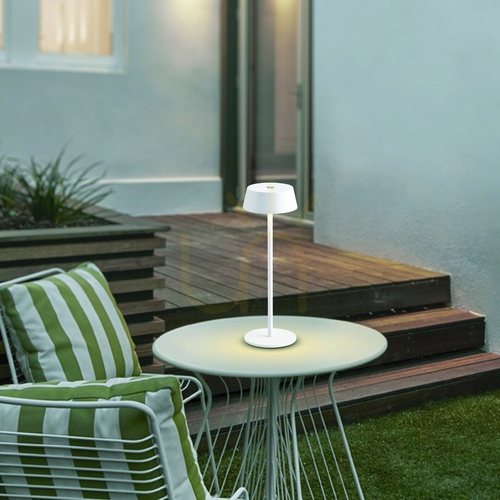
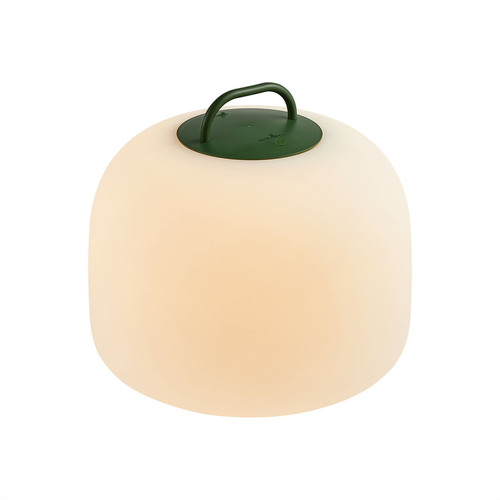
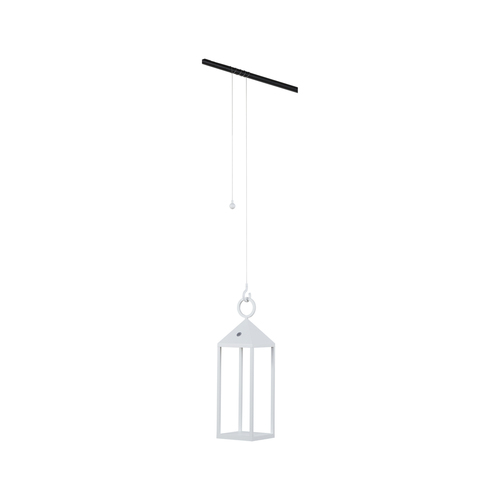
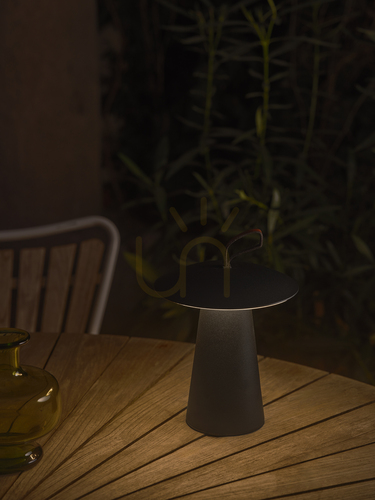
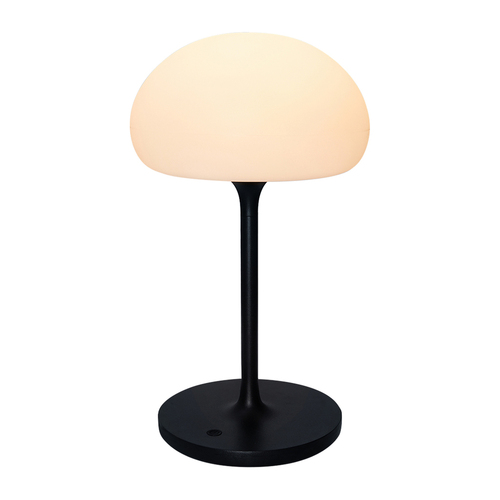
Battery outdoor lights give you light in the parts of the garden that no cable reaches – the far end of the lawn, the shed, a gazebo, a north-facing patio where solar panels sulk. For garden lighting, going battery-powered means no trench, no outdoor socket and no electrician: the light becomes something you place, hang or push into a border, then move when the garden changes.
What you trade for that freedom is runtime, and a little care around British weather. Damp is the real enemy here far more often than frost, so waterproofing and a sensible timer matter more than raw brightness.
Two kinds of battery garden light
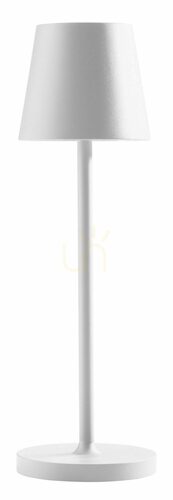
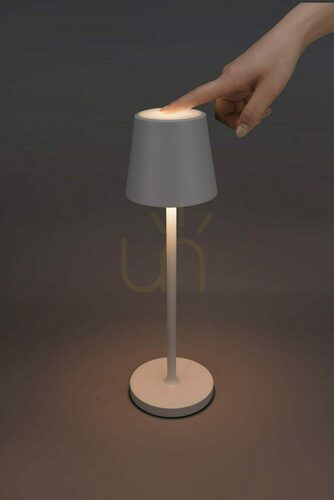
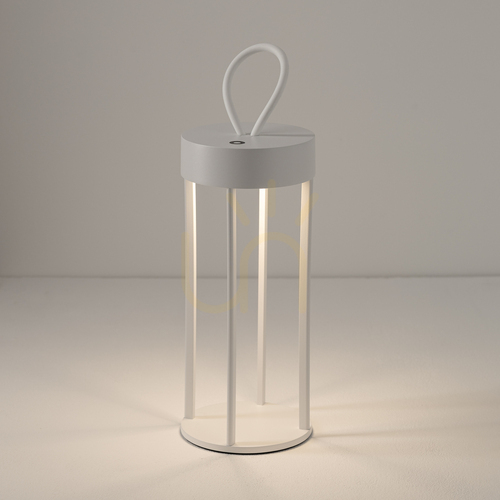
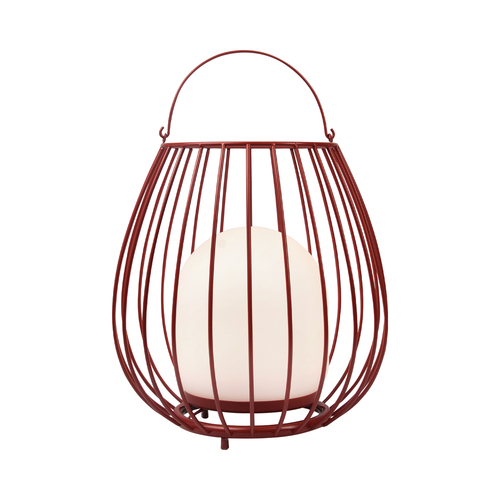
Most battery-operated garden lights fall into one of two camps. The first runs on replaceable cells – AA, AAA, C or D – sealed in a weatherproof battery box. Lanterns, LED candles, string lights, stake lights for borders and small PIR porch or shed lights usually work this way. The second has a built-in lithium-ion battery that you recharge with a USB or USB-C cable, which is how most portable table lamps, floor lamps and hanging lights for patios are made.
There are hybrids too: solar lights with a USB top-up socket, rechargeable bulbs that screw into an existing lantern, and lamps that will run from a power bank. Replaceable cells suit lights you use now and then, because there's nothing to remember to charge. A rechargeable lamp makes more sense if it comes out every evening from May to September.
What to look for
| Feature |
Typical range |
What it means in a UK garden |
| IP rating |
IP44 to IP65 |
IP44 copes with splashes under a pergola or porch roof; for a light left out in the rain all autumn, choose IP65 |
| Runtime (rechargeable) |
about 8 h at full brightness, up to around 18 h dimmed |
quoted figures usually refer to the lowest setting |
| Timer |
6 hours on, 18 hours off |
switch it on at dusk and it repeats every evening |
| Brightness |
50–80 lm for a lantern, 200–300 lm for a table lamp |
paths, steps and side gates need more than a dining table |
| Colour temperature |
2000–3000 K warm white |
softer on the eye and less attractive to insects; some lamps switch up to cooler white |
| Motion sensor |
PIR, adjustable on-time |
light only when needed, so batteries last far longer |
Where battery lights earn their place
-
Sheds, garages and bin stores – a PIR light comes on as you walk up with the keys and switches itself off again.
-
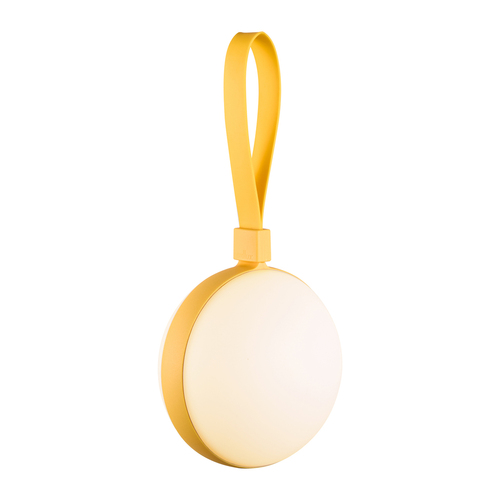
Gazebos and parasols – hanging rechargeable lights clip to the frame, with no cable trailing across the patio.
-
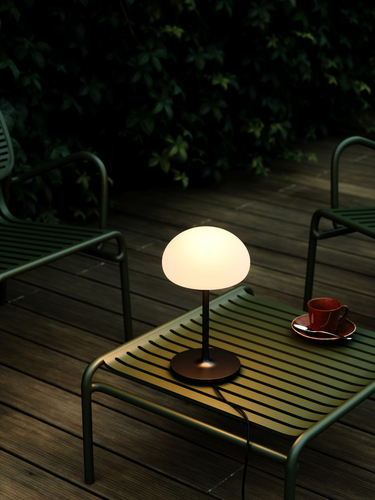
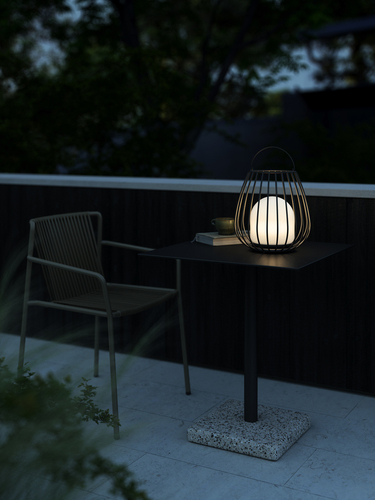
Garden table – a dimmable lamp does the job of candles without blowing out in a breeze.
-
Borders and trees – stake lights move with the planting each season.
-
Rented homes and flats – nothing to wire in, nothing to drill, and everything goes with you when you move.
Damp, cold and winter storage
Check the rubber flap over the charging port after every shower; an open flap undoes any IP rating. Moisture creeping into a battery box shows up as green crust on the contacts, so dry it out and clean the contacts before fitting new cells.
On frosty nights alkaline batteries lose much of their capacity and lights fade early. Lithium AA cells handle the cold much better. Rechargeable NiMH cells give 1.2 V rather than 1.5 V, which most lights accept, though they may look slightly dimmer. Don't charge a built-in lithium-ion battery while it is freezing cold: bring the lamp indoors, let it warm up, then plug it in. Over winter, store rechargeable lamps somewhere dry at roughly half charge and top them up every few months. Take replaceable cells out of anything you're putting away, never mix old and new batteries, and take spent ones to a battery recycling point rather than the bin.
FAQs
What is the best battery-operated outdoor light?
It depends on the job. For atmosphere on a patio, a rechargeable lamp with a dimmer; for a side gate or shed, a PIR light on replaceable cells; for trees and fences, string lights with a timer. In every case, look for IP44 as a minimum and IP65 if it will sit fully exposed.
Are battery outdoor lights with a sensor worth it?
Yes, especially where you need light only briefly. Because the light runs for seconds or minutes at a time, one set of batteries can last for months by a little-used door.
How long do battery outdoor lights with a timer last?
A timer is the single biggest saving. Running six hours a night instead of all night stretches a set of batteries several times over, and the light comes on at the same time each evening. With IP44 or better, it can stay out through a wet autumn.
What is the best LED light for outdoor use?
Warm white LEDs around 2700–3000 K suit gardens; they render planting and stone nicely and attract fewer insects than cool white. Pick lumens to suit the task – a lantern needs far less than a path light.
Battery or solar outdoor lights?
Solar lights need direct sun, and short, grey winter days often leave them half-charged. Battery lights work just as well under a roof, in shade or in December. Some models combine both, using the panel and a USB socket.
Do I need an electrician?
Not for battery lights. A new outdoor socket or a hard-wired garden circuit is a different matter and should be left to a qualified electrician.
For lights to drape along a fence or through a tree, see battery-operated string lights; for fixed, mains-powered fittings, head to outdoor lights.