Magnetic track lights are a different generation of hardware from the three-phase 230 V track most people picture when they hear "track lighting". The rail carries low-voltage direct current — 48 V in practice — behind a slim open channel, and the fitting clips into it magnetically. No adaptor to twist, no tool, no lock. That one change cascades into everything else about the system.
48 volts, and what it actually changes
On a mains-voltage track the conductors have to be shrouded, spaced and insulated for 230 V. That sets a minimum profile depth and forces every head to carry its own mains-rated gear. Drop to 48 V DC and the whole geometry relaxes: the rail can be narrow enough to disappear into a plaster reveal, the conductors sit in an open channel, and the driver — the part that does the heavy electrical work — moves out of the fitting and into one box that serves the entire run.
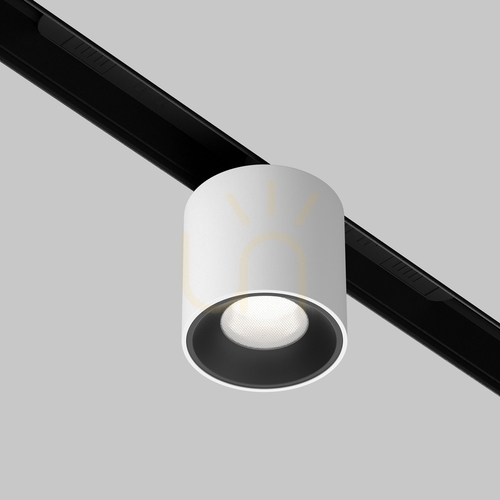
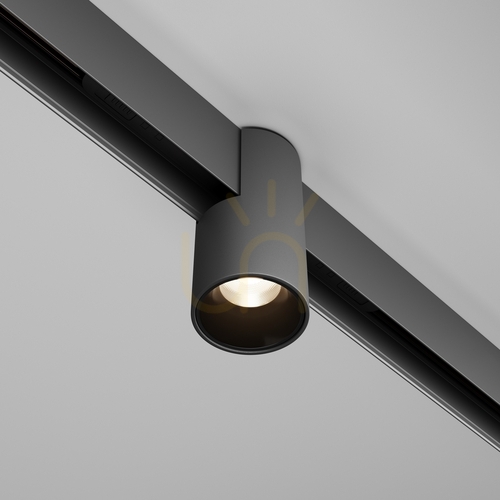
The practical result is that heads get small. A magnetic spot can be a couple of centimetres across and still be a serious light, because it has almost nothing inside it except the LED, the optic and a tiny constant-current stage. Repositioning is genuinely instant — lift a head off, put it down somewhere else along the rail, done.
What goes on the rail
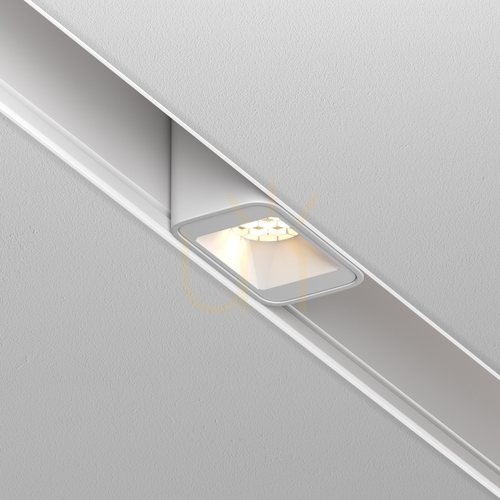
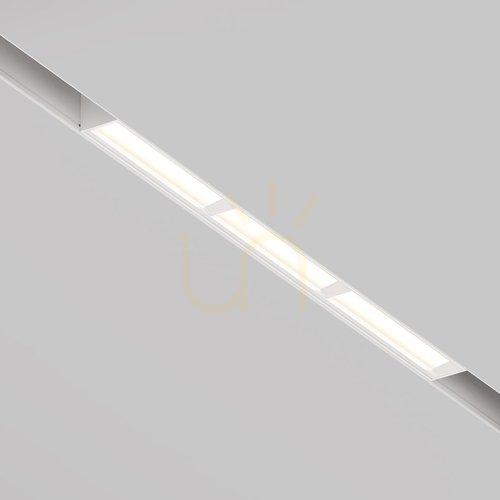
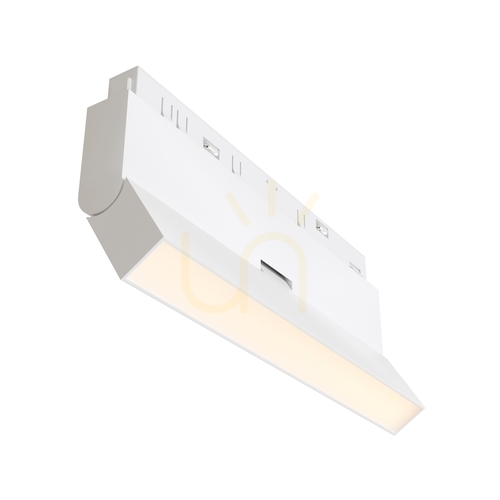
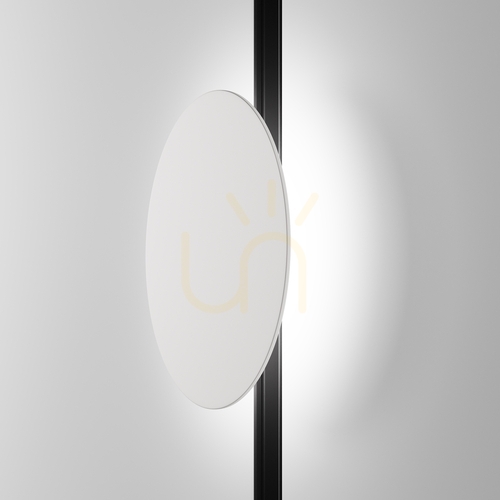
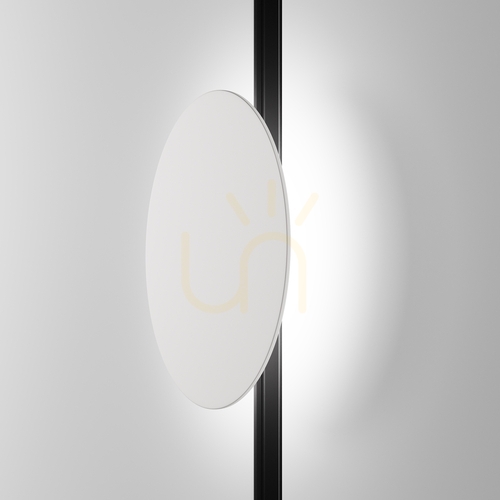
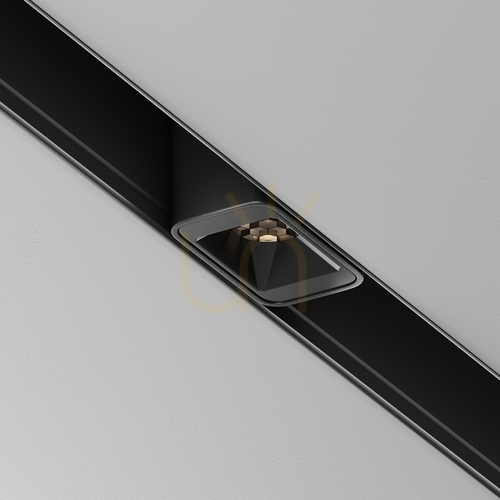
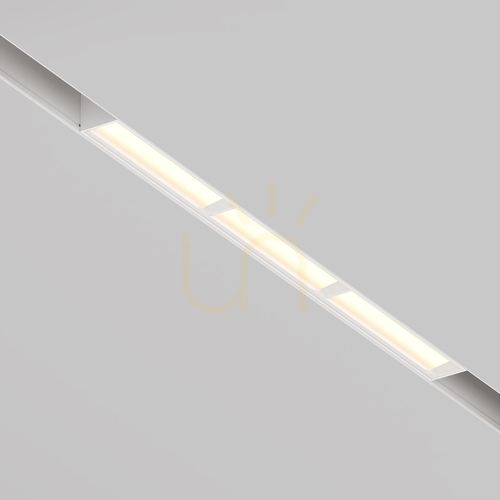
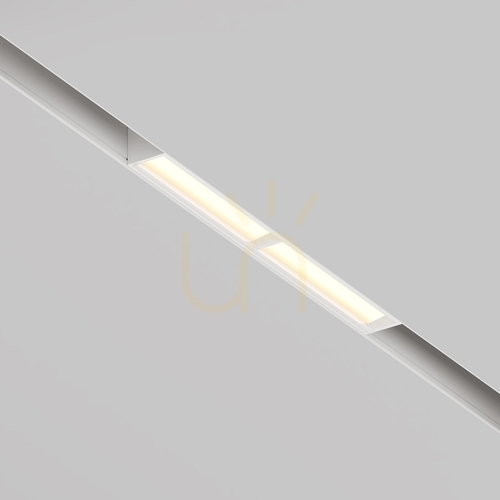
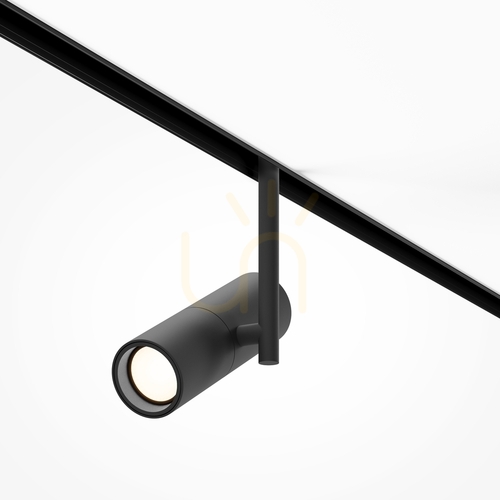
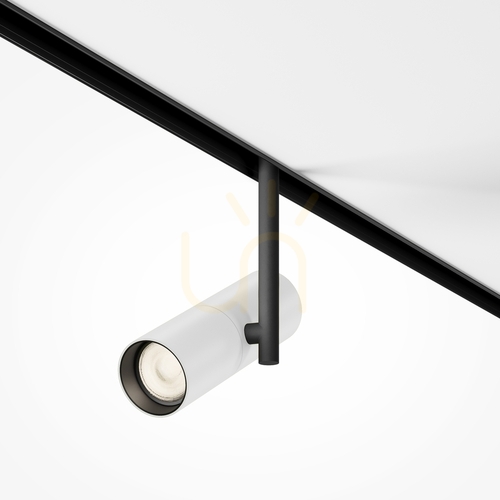
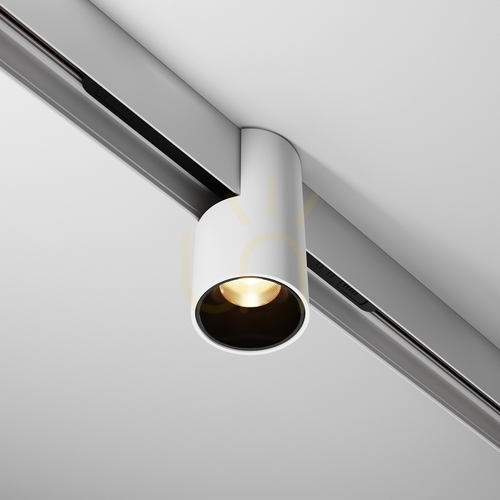
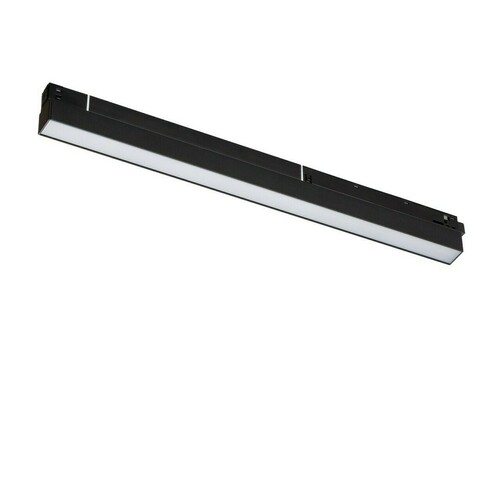
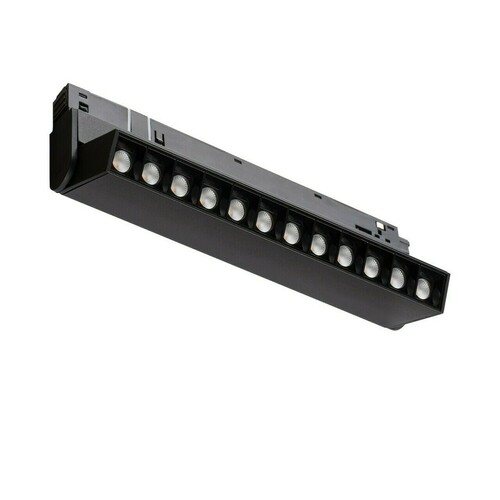
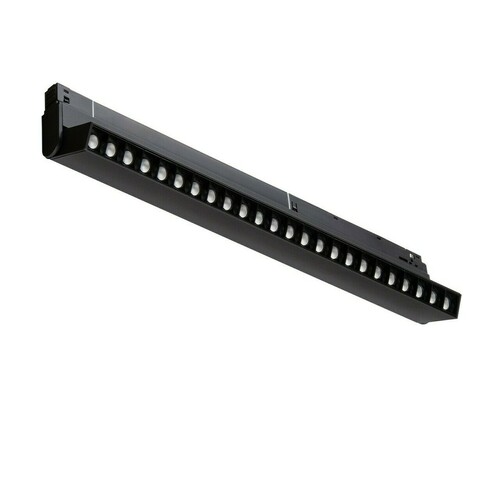
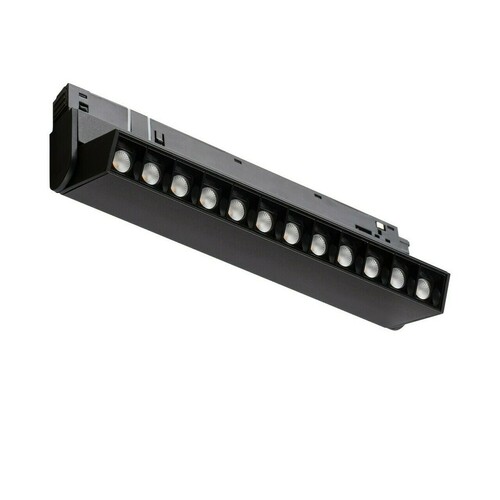
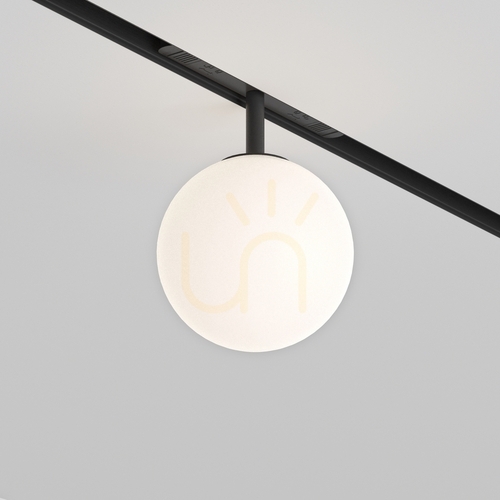
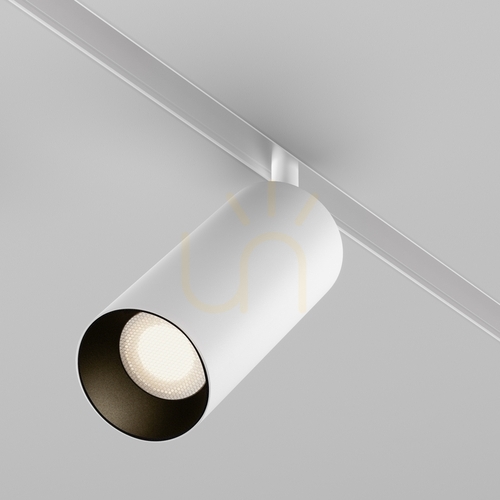
The head families on a magnetic system go well beyond spots. Adjustable spotlights handle accenting: artwork, a shelf, a worktop, a plant. Linear and grille elements sit flush in the channel and give a run of even light for a corridor or a kitchen ceiling, which a mains track cannot do without a bulky housing. Wide-flood elements fill a room's general light. And pendants drop from the same rail on a flex, so a dining table can hang off the identical circuit that lights the walls.
Output on these heads runs from a couple of watts for a small marker spot up towards the twenties for a serious accent, and lumen figures in the few-hundred to around a thousand range are typical. Judge them on lumens and beam angle rather than watts — a 12 W narrow spot and a 12 W flood do very different jobs in the same room.
Sizing the driver
This is where magnetic installations go wrong. The driver has to carry the sum of every head on the run, and you want headroom above that figure, not a driver sitting at its limit. Add up the wattages, add the heads you might add later, and pick a supply above the total. Drivers come in different capacities and can be mounted remotely — in a ceiling void, above a cabinet, in a service cupboard — which is worth planning while the ceiling is open, because a driver you cannot reach is a driver you cannot replace.
Rails and drivers are matched to a system. A head from one manufacturer's magnetic family generally will not seat correctly in another's channel, and the polarity and profile differ. Choose the system first, then the heads.
Surface, recessed or suspended
Surface-mounted rail screws straight to the ceiling and is the retrofit answer. Recessed rail sits flush in a plasterboard or plaster ceiling so only the channel opening shows, which is the cleanest result and has to be designed in before the ceiling is finished. Suspended rail hangs on wires, useful over an island or in a room with a high or sloped ceiling. Connectors let a run turn a corner, branch or step down.
Colour, dimming and control
Fixed heads come in the usual warm and neutral whites — around 3000 K for living spaces, around 4000 K where you want crisper light. Tuneable heads shift between them, and some go further, dimming towards a deeper warm as they go down the way a filament lamp does. Smart heads on some systems change colour temperature and brightness from a phone or a remote.
Because the driver is central, dimming behaves better here than on many mains systems — the head is not fighting a phase-cut waveform. Check which dimming protocol a system uses before you commit, and keep one protocol across the whole run.
Where it does not belong
The open conductor channel is an indoor, dry-location design. A bathroom zone, a covered terrace or a garage with condensation is the wrong home for it; those want a sealed fitting instead. Indoors, on a dry ceiling, it is hard to beat.
If you are still deciding between this and a conventional mains system, the broader track lighting range covers both.