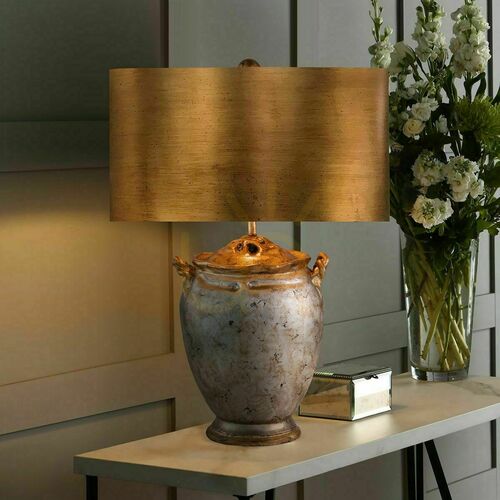
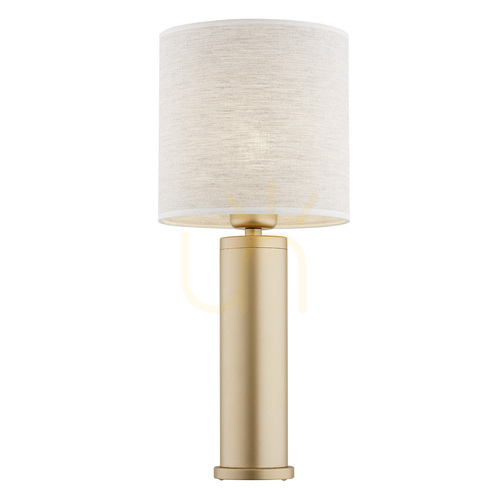
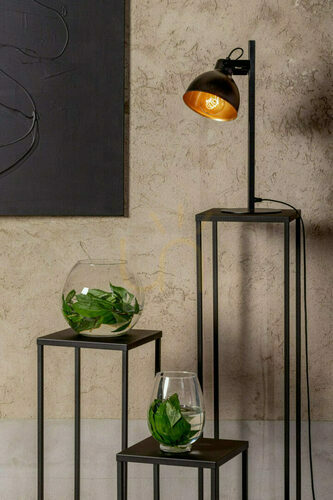
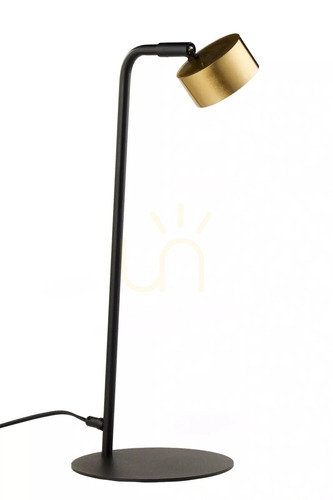
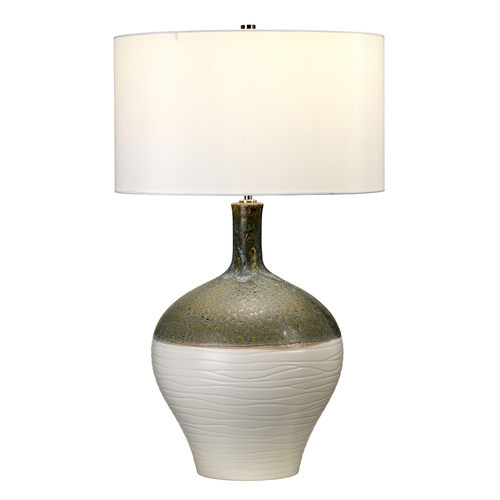
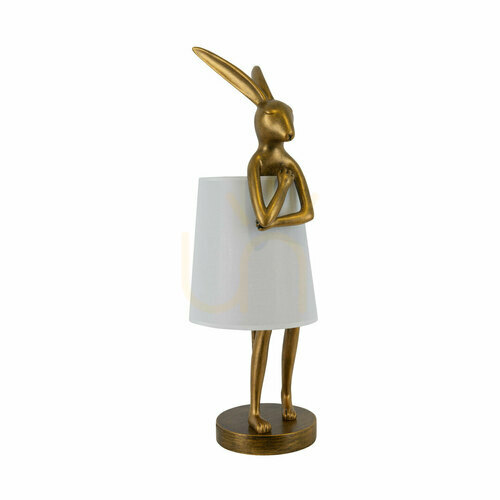
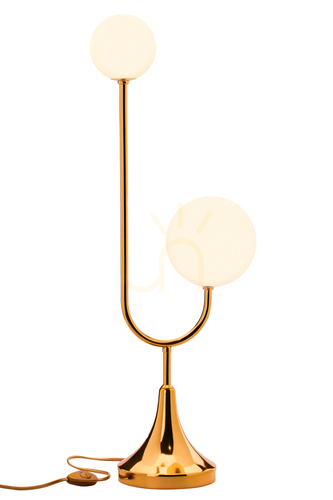
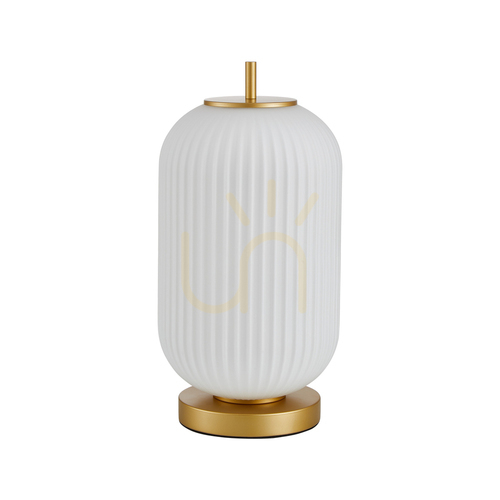
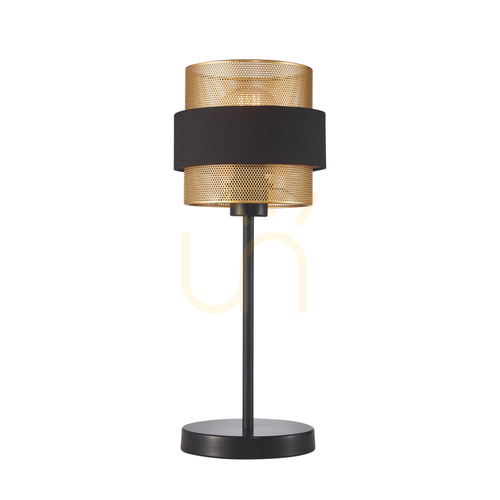
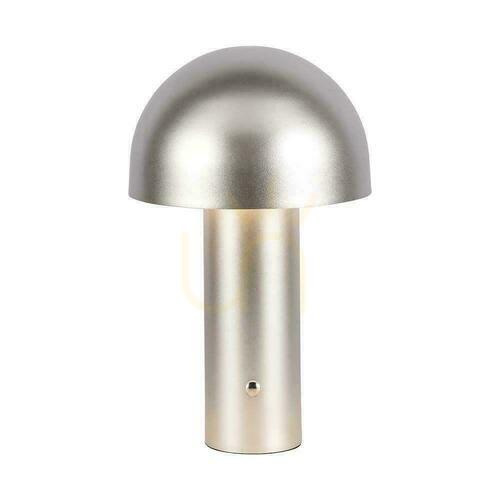
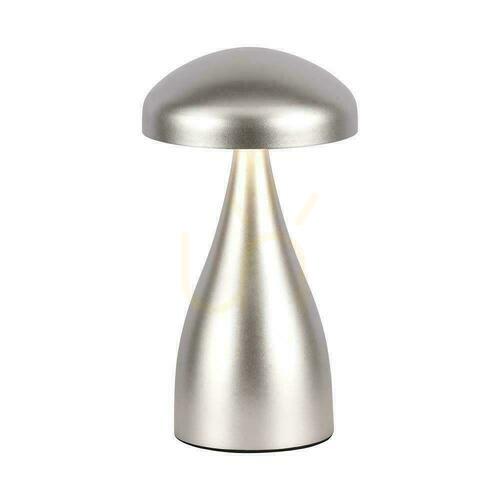
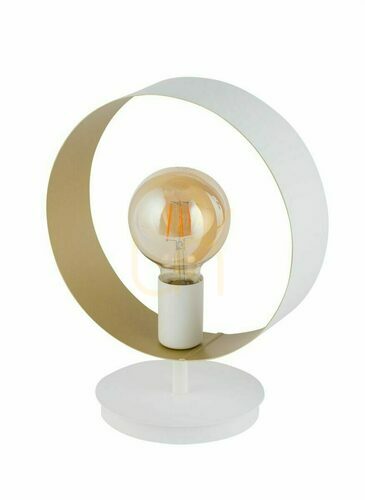
A gold desk lamp is a task lamp whose base, arm or shade comes in polished brass, antique brass or a gold-coloured finish. At a desk the finish matters more than it does on a side table: a mirror-bright shade can throw glare straight back at you, while a brushed one stays calm through a long evening of work.
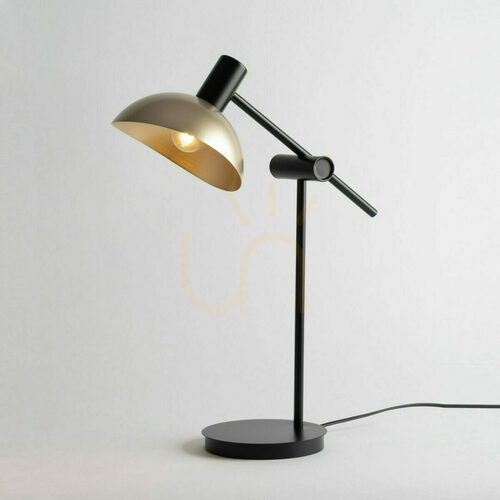
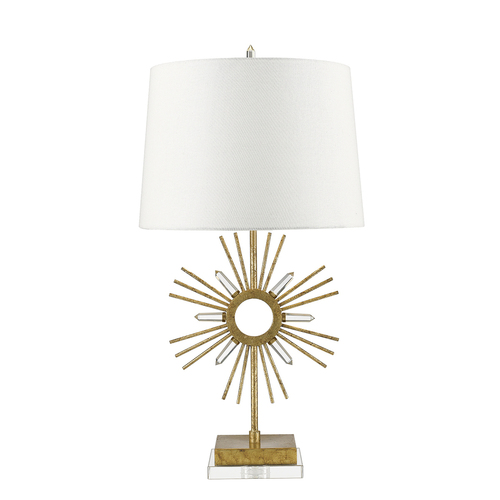
The look ranges well beyond the green-glass banker's lamp. Gold also turns up on swing-arm and articulated lamps, dome-shaded task lamps, slim LED designs on a brass stem, opal-glass globes and cordless rechargeable lamps. What separates them is the metal underneath, how the light is directed and how much looking after the finish needs.
Solid brass, plated or gold-effect?
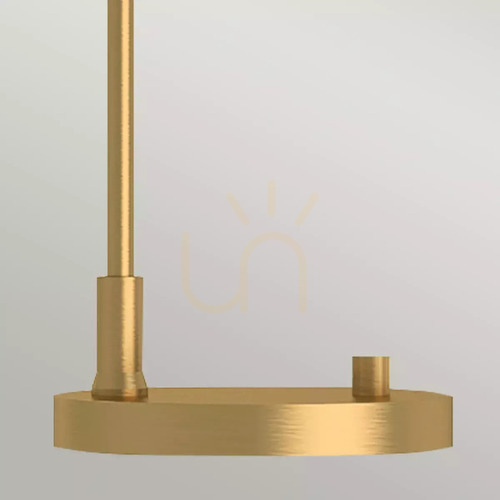
Solid brass is heavy, which keeps a lamp steady when you swing the arm, and if it is unlacquered it slowly darkens and develops a patina. More often the body is steel, aluminium or zinc alloy with a gold finish on top: electroplated brass, powder coat or lacquer. Lighter decorative pieces may simply be gold-painted plastic.
Tones vary too. Polished brass is bright and yellow, satin or brushed brass softer, antique brass browner and more muted, and champagne gold pale and slightly cool. If you are matching cabinet handles or a mirror frame, compare the tone rather than the product name.
A quick check at home: if a fridge magnet sticks, the body is steel with a gold finish. If it doesn’t, it could be brass, but equally aluminium or zinc alloy. Treat it as a hint, not proof.
Choosing a gold desk lamp that works
EN 12464-1, the European standard for workplace lighting, suggests around 500 lux on the task area for reading, writing and screen work. A desk lamp’s job is to deliver that where your paper or keyboard sits.
| What to check |
Typical values |
What it means for a gold lamp |
| Light output |
400–800 lumens |
A closed metal shade pushes light down onto the desk, so it needs fewer lumens than open glass. |
| Colour temperature |
2700–3000 K for evenings, around 4000 K for focused work |
Warm white makes brass glow; cool daylight (5000 K and above) makes it look flat and pale. |
| Colour rendering |
CRI 80+, 90+ for drawing or photo editing |
A gold-lined shade warms the reflected light a touch; a white interior keeps colours true. |
| Bulb fitting |
ES (E27), SES (E14), G9, GU10 or integrated LED |
Integrated LEDs can’t be swapped, so the whole lamp is replaced at the end of its life. |
| Height |
35–50 cm for most desks, 50–70 cm for wide ones |
Keep the bottom of the shade below eye level so you never see the bare bulb. |
| Finish |
polished, brushed, satin, antique |
Brushed and satin hide fingerprints and don’t flash in your eyes. |
Many British homes still use B22 bayonet bulbs in ceiling pendants, but desk lamps usually take screw-in ES or SES bulbs, so check the fitting before you buy spares.
Antique or modern brass?
Antique brass suits dark wood, period features, deep green and navy walls and the classic banker’s lamp with its pull-chain switch. Modern brass works best in simple shapes: a thin stem, a dome or cone shade, a marble or black base. Two-tone black and brass is the easy middle ground for a home office that has to look tidy on video calls.
Where to put it
Right-handers place the lamp on the left, left-handers on the right, so your hand doesn’t shadow the page. Next to the monitor, never behind it: a shiny gold shade will mirror itself in the screen. On a narrow desk, a small base or a clamp fixing saves space; on a broad partners’ desk a larger banker’s lamp also lifts the light in the room a little.
Caring for brass and gold finishes
Unplug the lamp and let the shade cool. Wipe lacquered brass, plated and gold-effect finishes with a dry or barely damp microfibre cloth only. Metal polish, cream cleaners, vinegar and ammonia can strip lacquer or rub thin plating through to the base metal, starting at the joints you touch most. Unlacquered solid brass tarnishes over time and skin oils speed that up; keep the patina or bring the shine back with a brass polish.
Gold desk lamp FAQs
Are brass lamps in style?
Yes. Brushed and antique brass sit comfortably with both period homes and new builds, and they pair well with black, deep green, navy and natural wood. Very shiny gold reads more glamorous; satin finishes look calmer.
Are brass lamps worth anything?
Older solid brass lamps in good condition can hold value as vintage pieces, while plated lamps are valued for their design rather than the metal. Weight and the magnet test give a first clue to what you have.
Can brass lamps be painted?
They can, after unplugging, masking the lampholder and cable, keying the surface and using a primer made for metal. It is usually easier to keep a finish you like from the start, as painted metal chips at joints.
Is an antique brass desk lamp safe to use?
A newly made one is. With a genuinely old lamp, check the flex, plug and lampholder; perished cable should be replaced, and rewiring is a job for a qualified electrician.
Do gold desk lamps come rechargeable?
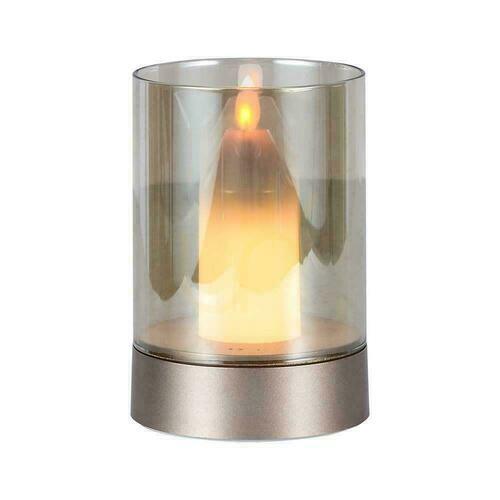
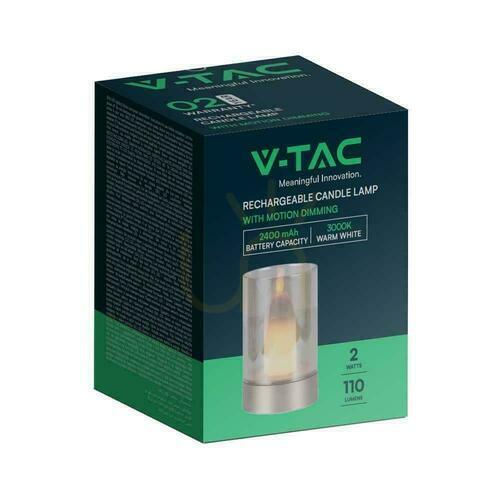
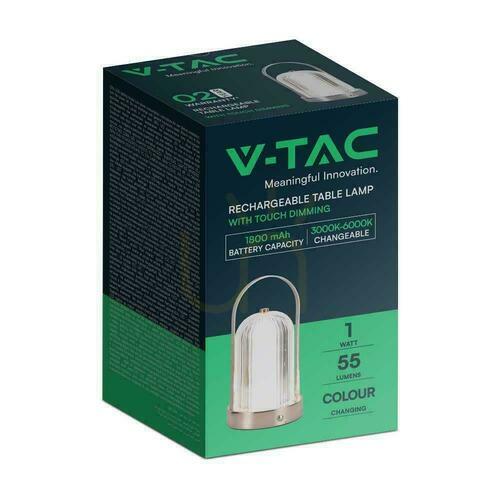
Yes, cordless gold table lamps exist and are handy where there is no socket nearby. For daily desk work, a mains lamp gives steadier output.
How big should a desk lamp be?
For a standard desk 60–80 cm deep, 35–50 cm tall is plenty. A large gold desk lamp over 60 cm suits wide desks or a spot where it doubles as room lighting.
More on task lighting, lumens and lamp shapes in general: desk lamps. And if the classic banker’s look is what drew you to brass, the story continues with green desk lamps.