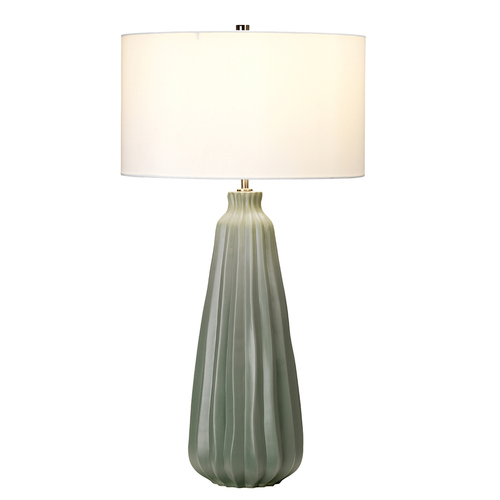
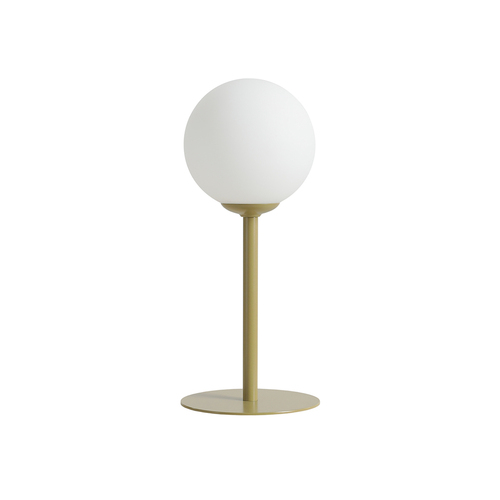
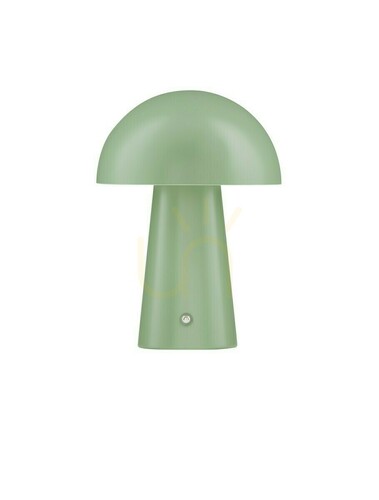
A green desk lamp usually means one of two things: the traditional banker's lamp, with its brass stem and long emerald glass shade, or a modern task lamp finished in sage, olive or forest green. Either way, the colour does more than match the room – on a glass shade it shapes how the lamp glows, and on a metal one it decides whether the lamp reads as a library piece or a piece of contemporary design.
Green also sits unusually well on a desk. Deep shades pick up walnut, oak, leather and brass; softer, greyed greens work with pale timber, white walls and the plants most of us keep somewhere near a home office.
Banker's lamps, task lamps and everything in between
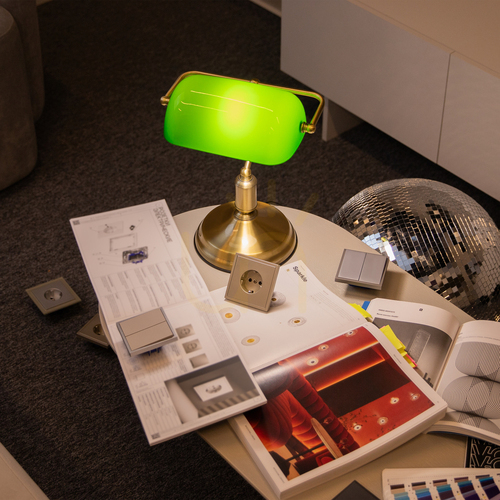
The banker's lamp was patented in the United States in 1909, and green-shaded versions became so common in offices, libraries and reading rooms that the colour and the shape are now practically one idea. The classic shade is cased glass: green on the outside, white on the inside. The white layer bounces clean, neutral light down onto the paper, while the green outer layer gives the soft glow you see from across the room. The shade is long and shallow, flattened at the back, so the bulb stays out of your line of sight when you sit at the desk.
Not every green desk lamp follows that template, though:
-
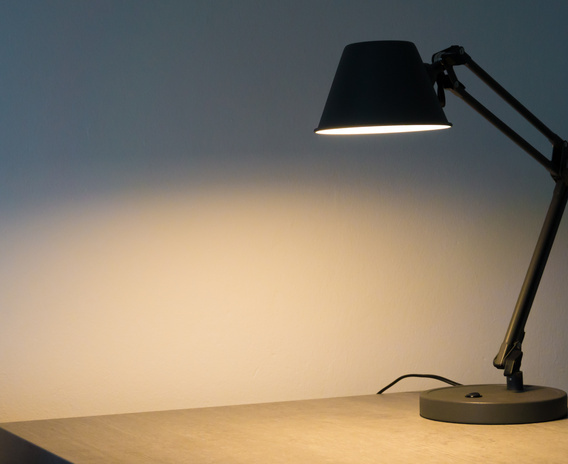
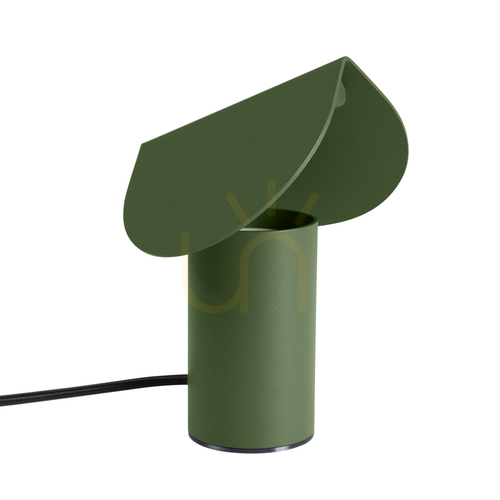
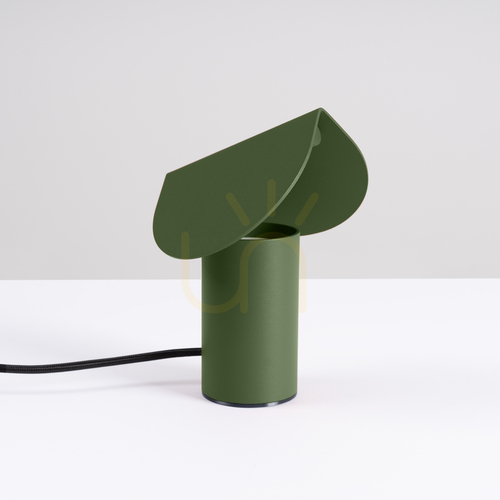
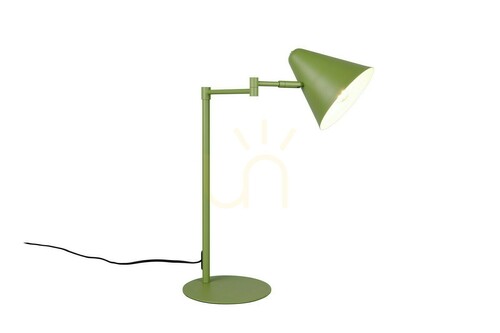
Adjustable task lamps – powder-coated metal with a hinged or sprung arm. The most practical choice if you move between reading, writing and screen work.
-
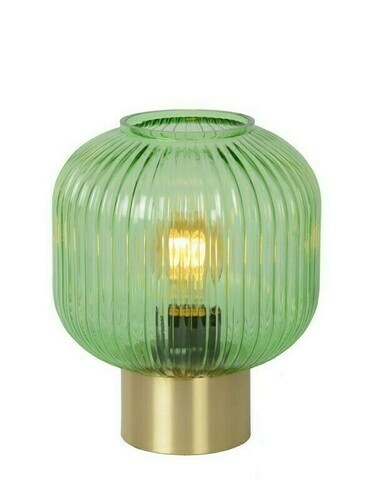
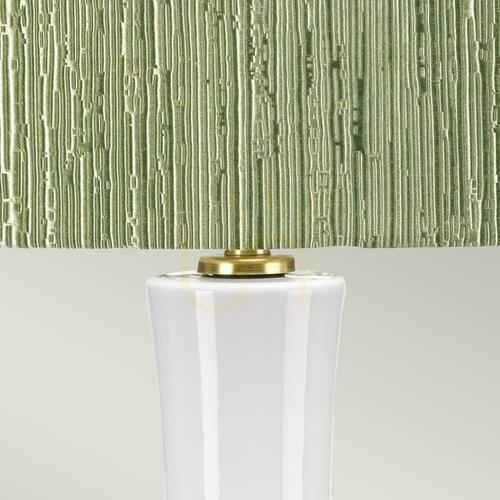
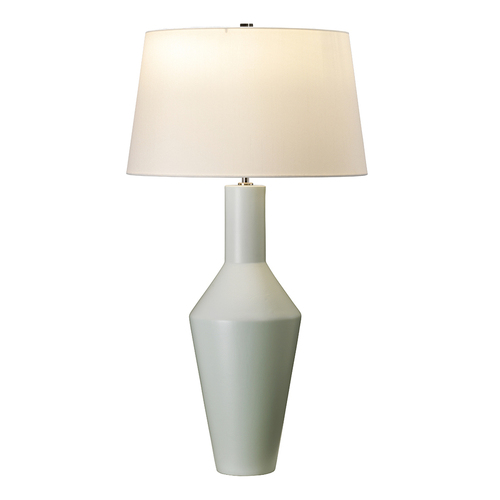
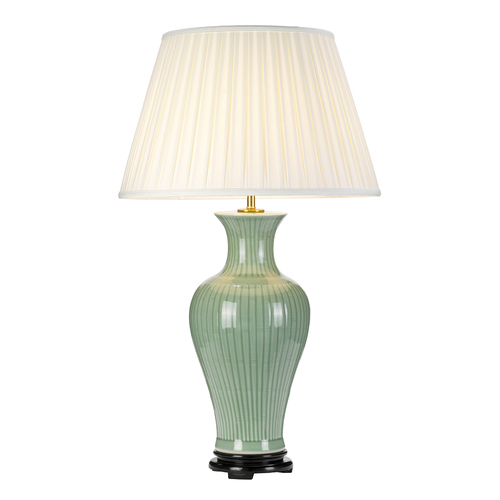
Ceramic or glass-based lamps with a fabric shade – softer, wider light, better suited to a desk tucked into a living room or bedroom.
-
Integrated LED lamps – slim, often with touch dimming and adjustable colour temperature; some are rechargeable.
Which green, and which finish?
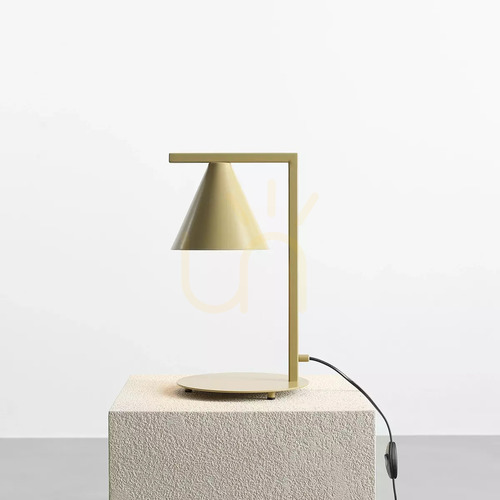
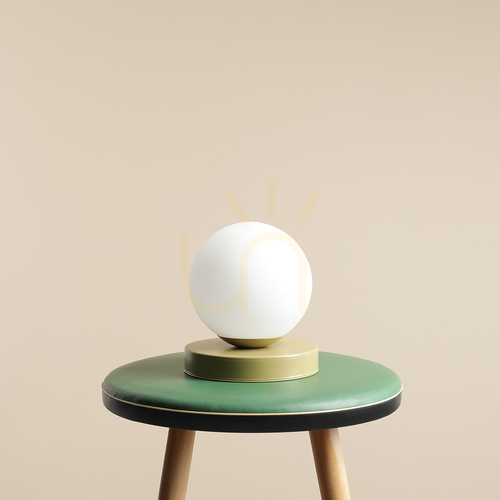
Dark green – bottle, racing or emerald – is the traditional banker's lamp colour and looks best with polished brass, antique brass or bronze. Chrome and nickel give the same shape a cooler, more office-like feel. Sage and pale green are more at home on painted metal or matt ceramic, and they suit Scandinavian-style rooms where a glossy emerald shade could look heavy. Bear in mind that dark green glass can look almost black when the lamp is off.
Getting the light right
The colour is the fun part; the light still has to be good enough to work by. For reading, writing and screen work, the usual guideline is around 500 lux on the desk, with the desk lamp adding focused light to a room that is already lit.
| What to check |
Typical value |
Why it matters |
| Brightness |
400–800 lm |
an 806 lm LED bulb is roughly an old 60 W incandescent |
| Colour temperature |
3000–4000 K |
warm white for evenings, neutral white for focused daytime work |
| Colour rendering |
CRI 80 or above |
look for CRI 90+ if you draw, paint or edit photos |
| Bulb cap |
ES (E27), SES (E14), sometimes BC (B22) |
bulbs are rarely included, so note the cap before ordering one |
| Banker's lamp height |
about 36–50 cm |
the bottom of the shade should sit below eye level |
| Plug |
UK three-pin (BS 1363) |
a travel adaptor is not a permanent fix on a lamp you use daily |
With a banker's lamp, check the bulb shape too. The shade is shallow, so a long bulb can poke out below the rim and glare. A short, frosted LED bulb fits better and runs far cooler than an incandescent or halogen bulb, which is kinder to the glass.
Where to put it
If you are right-handed, place the lamp on your left, and the other way round if you write with your left hand, so your hand does not cast a shadow over the page. Next to a monitor, keep it to the side rather than behind the screen, where it will reflect. A banker's lamp needs a reasonably deep desk; on a narrow desk under a window, a slim task lamp with an arm is easier to live with.
Plenty of green desk lamps never see much paperwork. On a bureau, a hall console or a bookshelf, a green glass shade makes a warm pool of light in the evening. In a child's room, a sturdy metal task lamp is a safer bet than glass.
Looking after it
Switch off and let the lamp cool before cleaning. Wipe glass shades with a damp cloth and keep water away from the lampholder. Unlacquered brass darkens and develops a patina over time; lacquered brass should only see a soft, dry cloth, never an abrasive polish. With a vintage lamp, have a qualified electrician check the flex and lampholder before you plug it in.
Green desk lamp FAQs
What are those green desk lamps called?
Banker's lamps, also known as bankers lamps or library lamps. The name comes from their long association with banks, offices and reading rooms.
Why are desk lights green?
Early electric bulbs gave a harsh, glaring light, and a green glass shade with a white lining softened it while still throwing plenty of light onto the desk. Green was also thought of as a calm colour, which helped it stick.
Why are green desk lamps popular?
They suit a lot of rooms, they make a desk look intentional rather than purely functional, and the shape works: light goes down onto the work, not into your eyes.
Is a sage green desk lamp a good idea?
Yes, if your room is light and natural – pale wood, linen, white walls. Sage is quieter than emerald and rarely clashes, so it is easier to keep when you redecorate.
Dark green or light green for a study?
Dark green feels traditional and works with brass and dark wood. Light green feels fresher and more modern. The light on the desk matters more than either: choose the bulb first.
Is a vintage green desk lamp safe to use?
It can be, once a qualified electrician has checked the wiring and fitted a proper UK plug if needed. Old flex and worn lampholders are the usual weak points.
More on other colours and shapes: desk lamps. If you would rather carry the same green across the rest of the room, have a look at green lamps for living rooms, bedrooms and hallways.