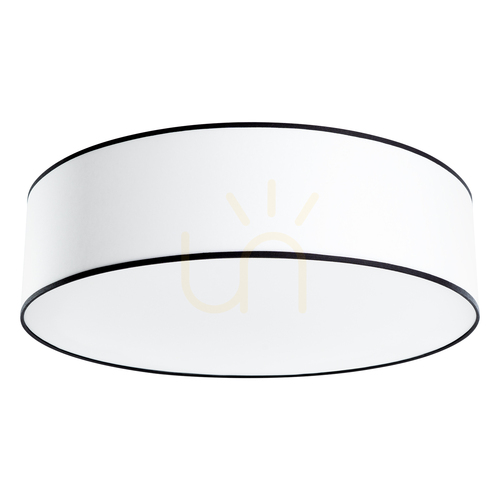
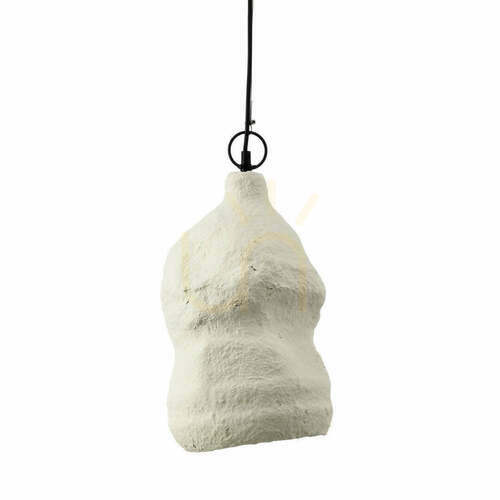
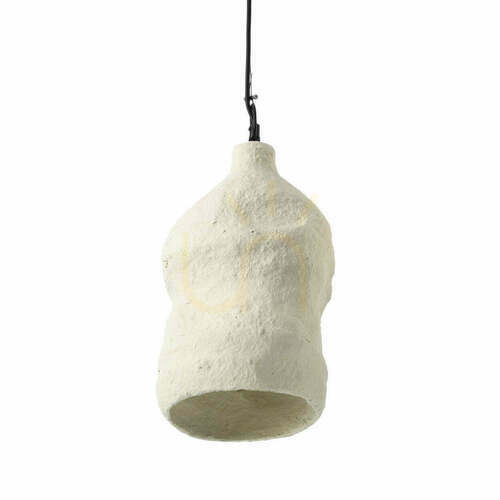
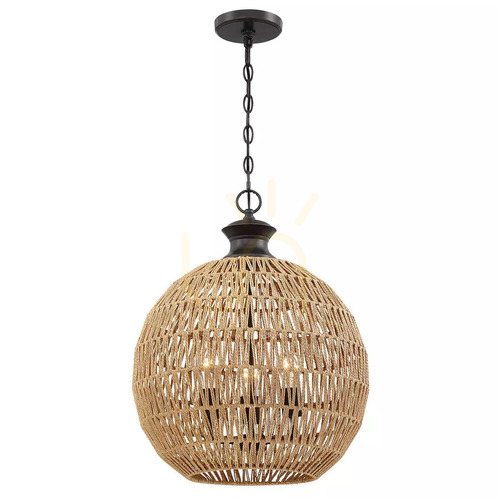
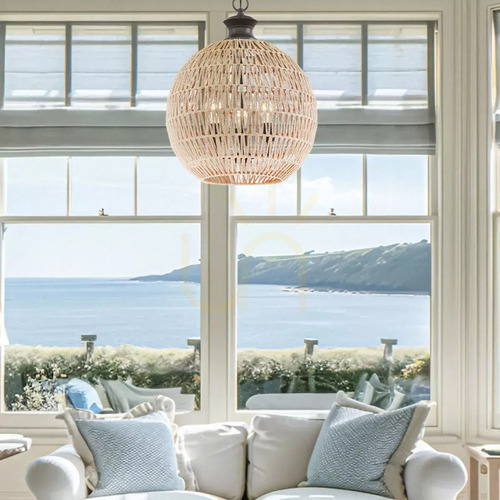
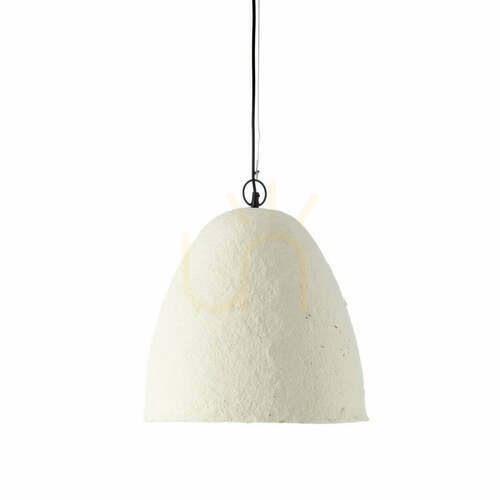
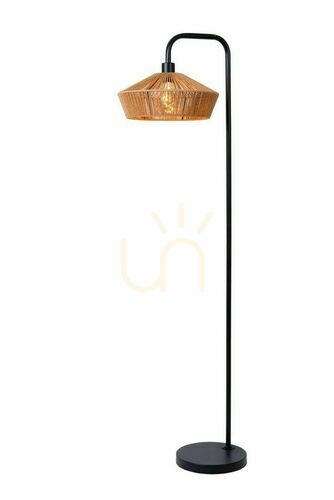
A paper lamp turns a bare bulb into a soft, even glow: the paper scatters the light, so you see a luminous shape rather than a glaring point. Indoors that changes the whole feel of a room, taking the edge off overhead lighting and making a living room or bedroom feel calmer in the evening.
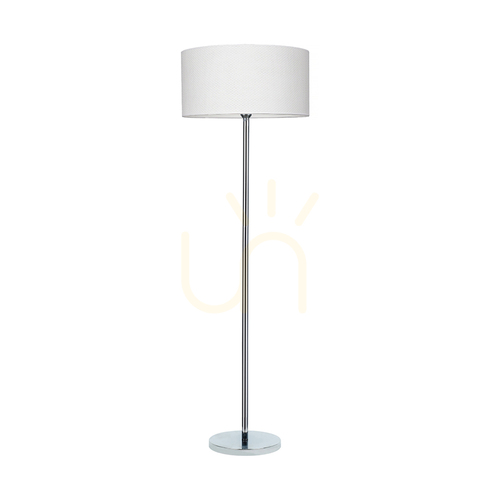
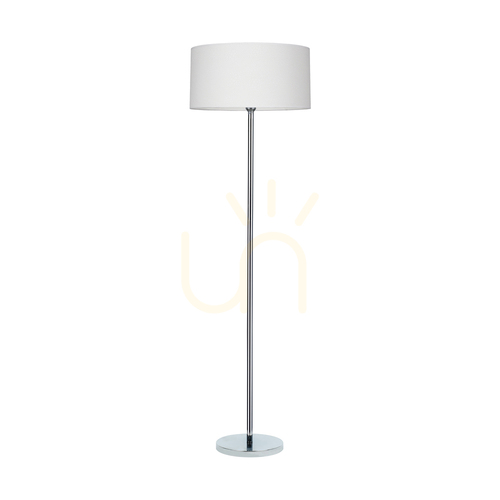
Paper turns up in pendants, flush ceiling lights, floor lamps, table lamps and wall lights, and each form uses it a little differently. Thin paper and stiff card light a room in very different ways, and both need a little care.
Why choose paper over glass or fabric?
The main benefit is diffusion. Thin rice paper glows across its whole surface, so the light spreads evenly with very little glare, which is why paper lanterns feel so restful above a sofa or a bed. Paper is also very light, so a large shade puts almost no load on the ceiling, and many designs fold flat for moving house.
The trade-off is efficiency. Paper absorbs some of the light, so a paper shade gives a gentler result than an open glass one of the same size. If the lamp is the main light in a room, plan for a brighter LED bulb than you would use in an open fitting.
Rice paper, washi, card and woven paper
| Paper |
How it lights a room |
Typical forms |
Good to know |
| Rice paper |
bright, even glow over the whole shade |
round lanterns, cylinders, floor lanterns |
stretched over a wire spiral or bamboo ribs |
| Washi |
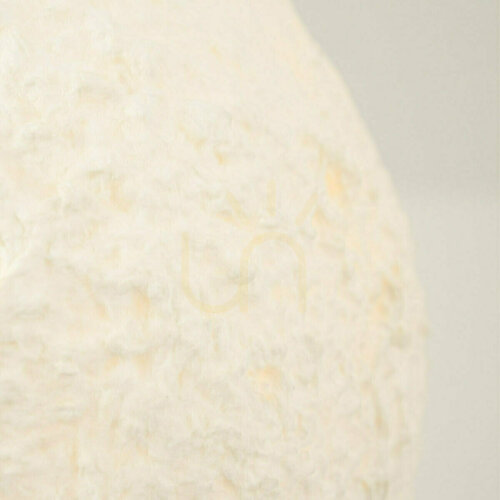
soft, slightly textured light |
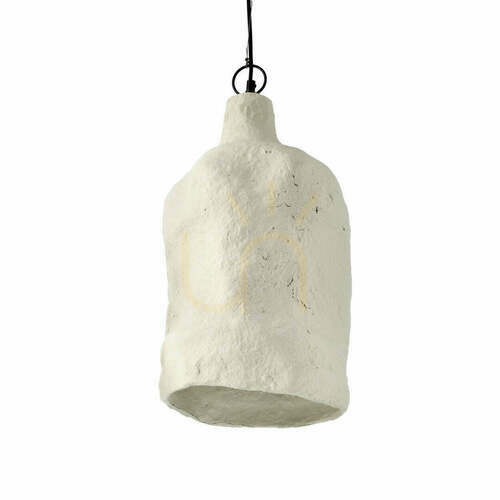
sculptural pendants, table lamps |
long fibres make it tougher than it looks |
| Card and kraft paper |
warmer, dimmer, more directional |
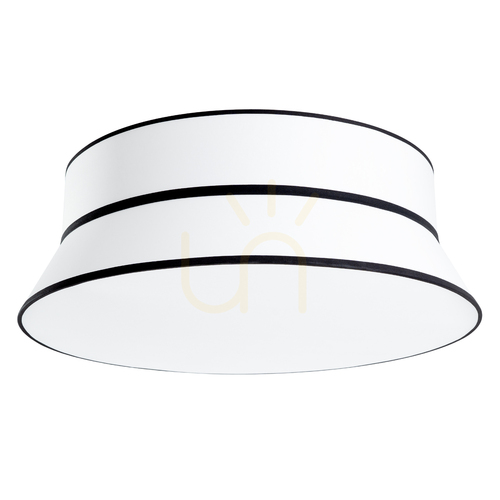
pleated and origami shades |
holds sharp folds, light escapes top and bottom |
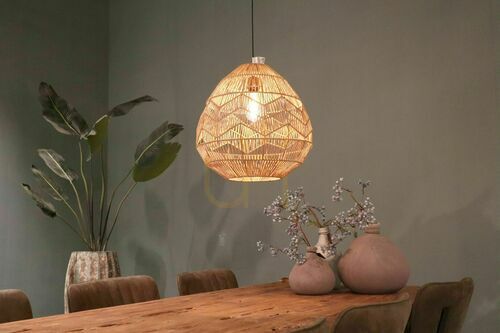
| Woven paper cord |
dappled, patterned light |
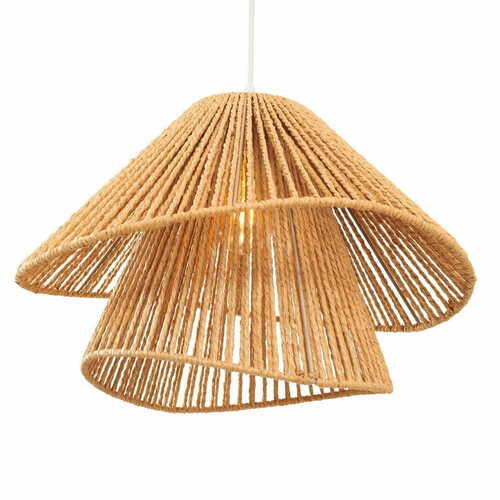
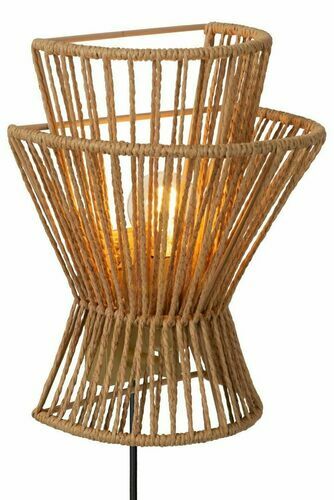
basket-style pendants and floor lamps |
more mood light than task light |
Despite the name, the ‘rice paper’ used in lamps is usually a thin plant-fibre paper, often from mulberry bark, rather than anything made from rice. Paper is also often paired with wood, metal or bamboo: a timber ring or a steel frame stiffens the shade and gives a more defined outline.
Paper lamps for living rooms, bedrooms and low ceilings
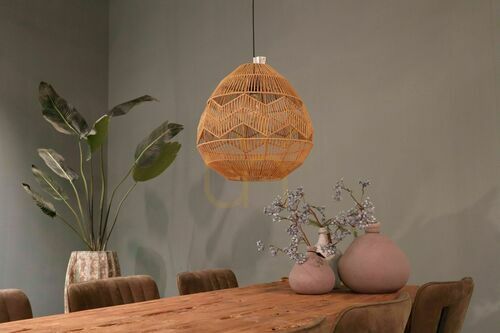
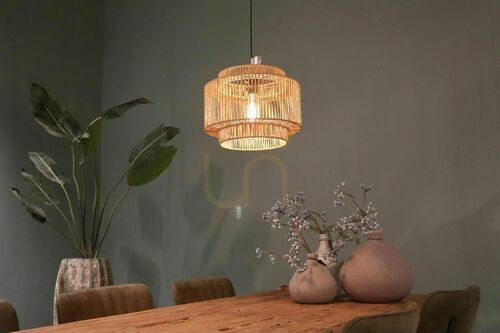
In a living room, a large paper pendant of 50–80 cm across works as the main light, with a paper floor lamp beside the sofa for the evenings. Bedrooms suit something smaller: a 40–50 cm lantern overhead and a paper table lamp on the bedside table. Many UK homes have ceilings of around 2.4 m, so a flush paper ceiling light or a compact globe on a short drop is usually safer than a big lantern on a long flex. A cluster of two or three small lanterns at different heights can also look lighter than one oversized shade.
For the bulb, warm white of 2700–3000 K brings out the warmth of the paper. A frosted LED in E27 or B22, around 800–1500 lm for a pendant that lights the whole room, gives an even glow; a clear filament bulb shows up as a bright hotspot through the paper.
Style-wise, paper lamps grew out of Japanese lanterns, with paper stretched over bamboo ribs, which is why they sit so naturally in Japandi and Scandinavian rooms alongside pale wood, linen and stoneware. Woven paper and brown kraft suit a relaxed boho scheme, while a single large white globe softens a minimal room full of concrete and metal.
Fitting, safety and care
Many paper shades come without a cable set, so you pair them with a separate pendant set or lamp base. The bulb should hang roughly in the centre of the shade and never touch the paper. Use LED bulbs only and keep within the maximum wattage marked on the fitting. Wiring a pendant or ceiling light into the mains is a job for a qualified electrician working to BS 7671; table and floor lamps simply plug in.
Paper lamps are usually rated IP20, meaning dry rooms only. Steam from a bathroom or a hob makes the paper sag and wrinkle, and strong sun through a window yellows white paper over time. Never wash a paper shade: dust it every few months with a feather duster, a soft brush or a dry microfibre cloth, and fold back any sharp label so it doesn't scratch the surface.
Paper lamp questions
Are rice paper lamps safe?
Yes, with an LED bulb within the rated wattage. LEDs run only slightly warm. The risk comes from a high-wattage incandescent bulb sitting against the paper, so keep the bulb centred and away from the shade.
What are the benefits of rice paper lamps?
Soft, glare-free light, very low weight and a calm look that suits Japandi, Scandinavian and minimalist rooms. A large shade can light a whole room without feeling heavy.
Can I use a paper lamp on the ceiling?
Yes. Flush paper ceiling lights suit low rooms and hallways, while hanging lanterns need a little headroom beneath them.
Is a paper lamp good for a living room?
Very much so, especially as a pairing: a large paper pendant for general light and a paper floor lamp for reading corners and evenings.
Can I make a lamp with rice paper?
Many people do, using a wire frame and a ready-made cable set. If you do, use fire-retardant paper where you can, an LED bulb and plenty of clearance between bulb and paper.
How do I clean a paper lampshade?
Dry methods only: a feather duster, a soft paintbrush or a microfibre cloth. Water leaves tide marks and distorts the paper.
Paper is one of several materials that soften light at home; more on other materials and shapes: indoor lights. If a hanging lantern is what you have in mind, there is more on sizes and drops under paper pendant lights.