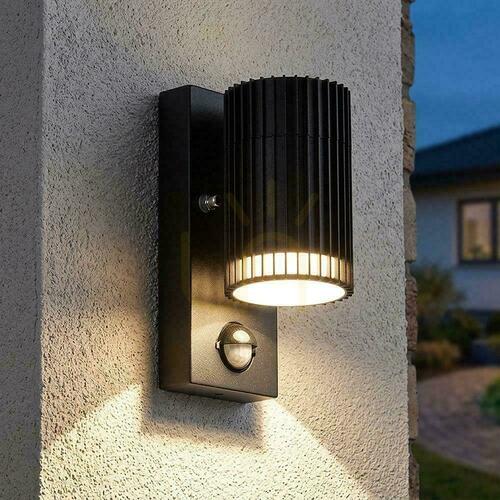
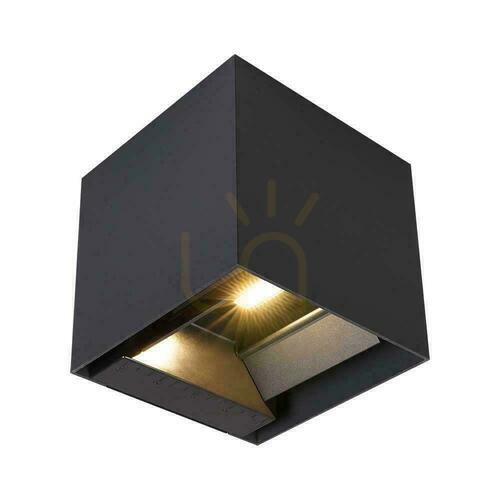
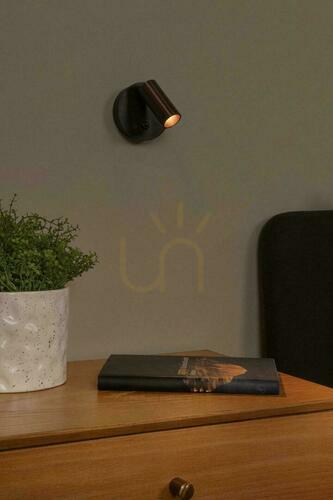
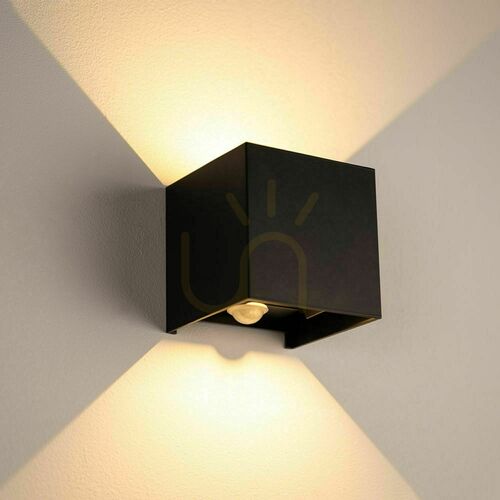
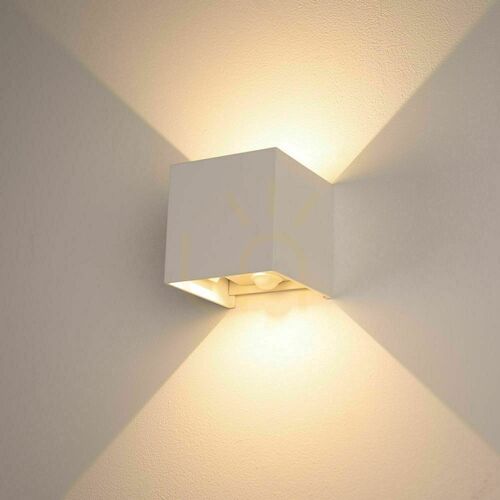
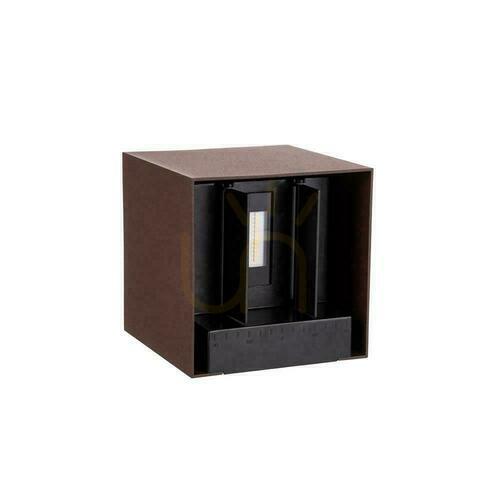
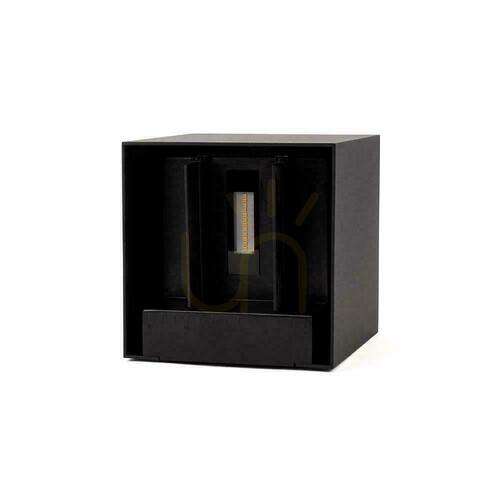
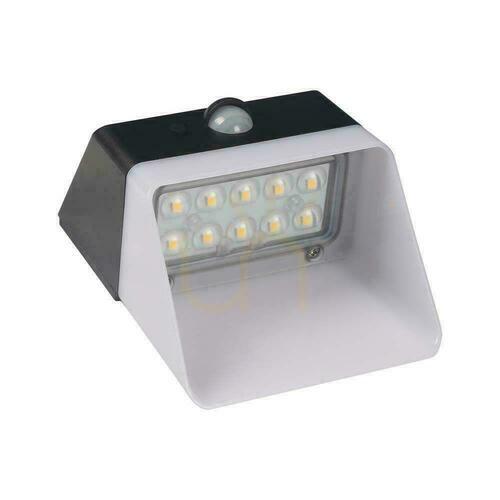
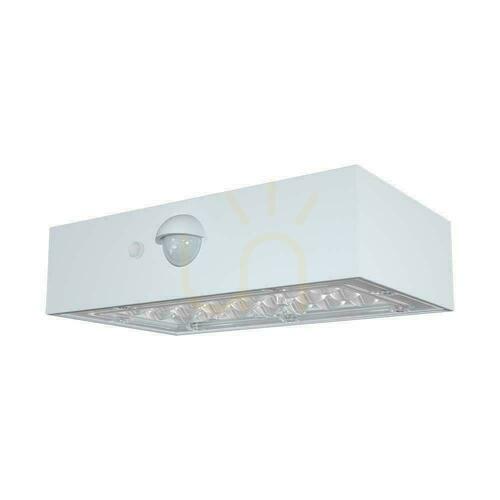
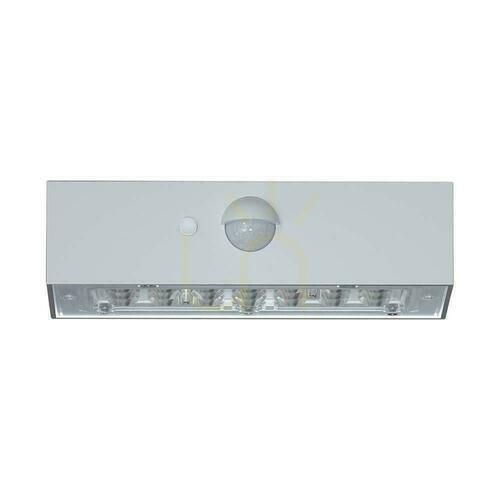
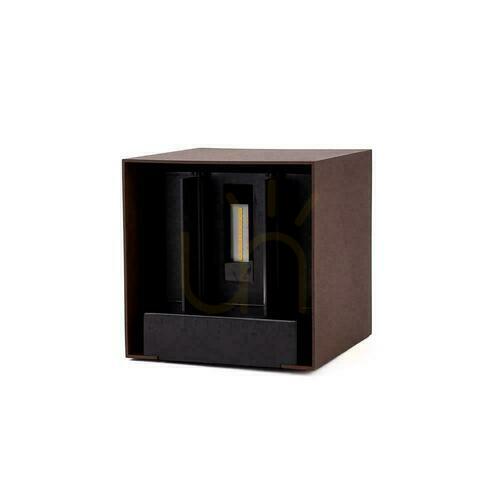
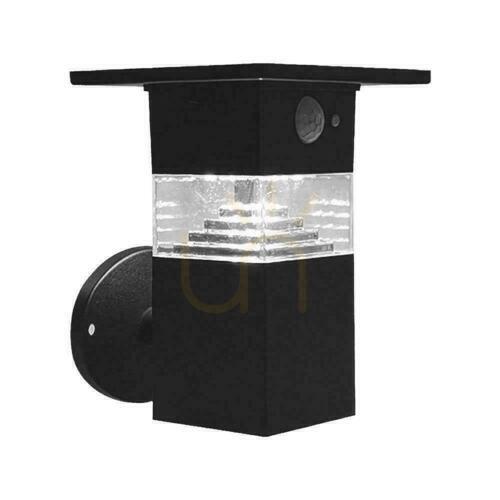
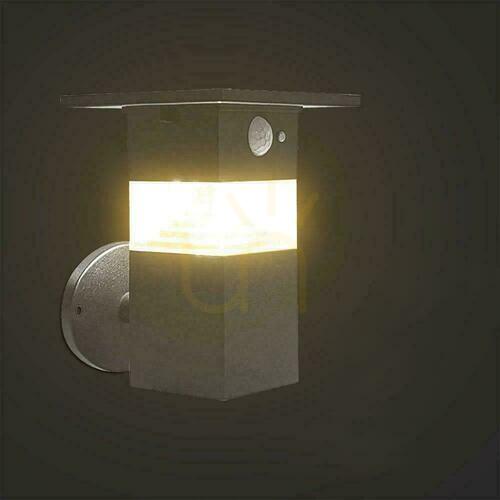
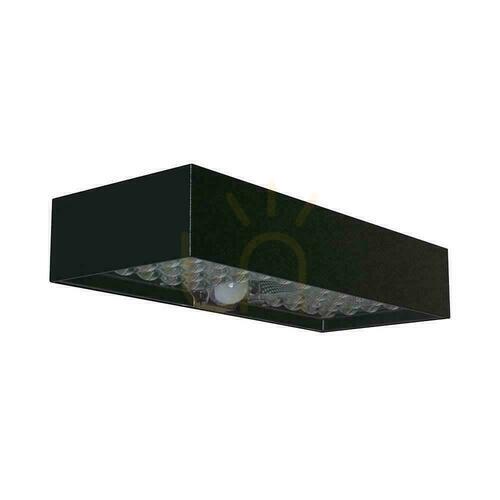
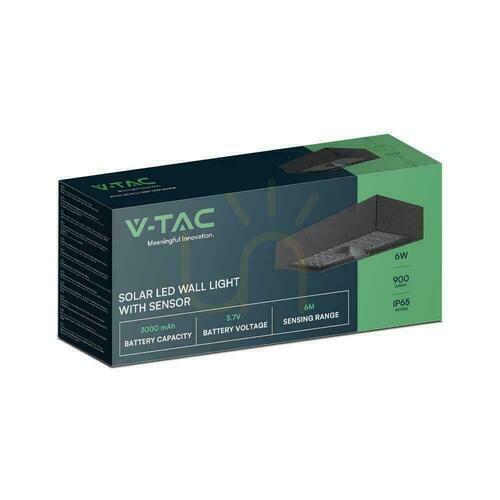
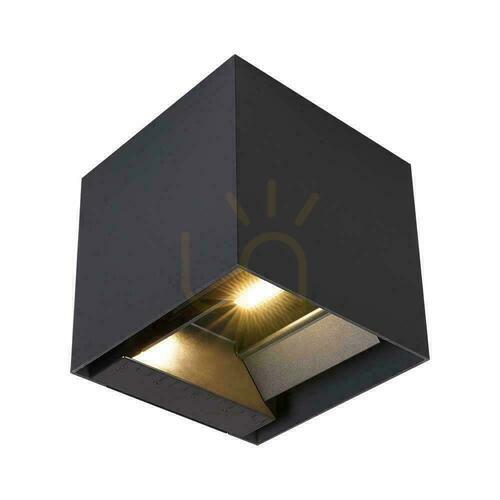
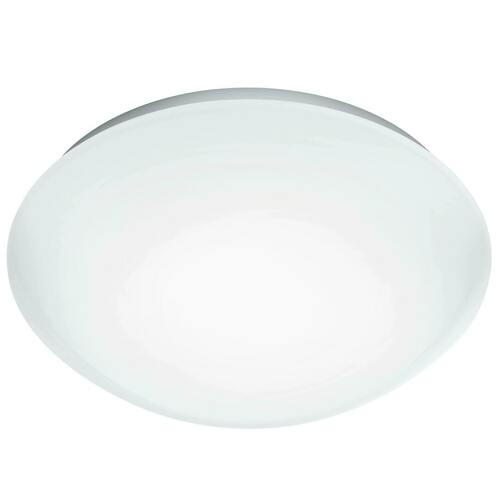
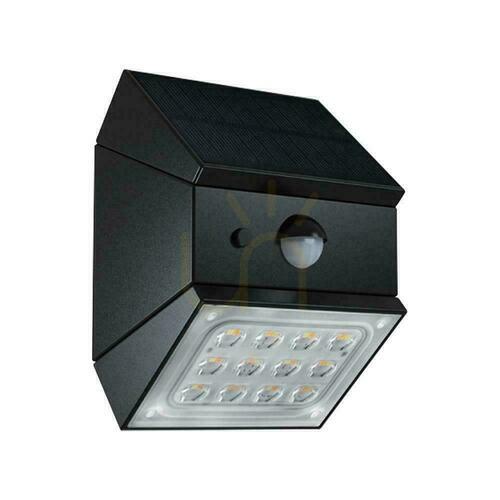
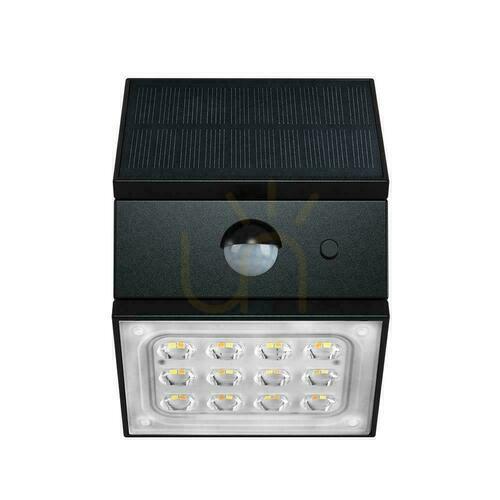
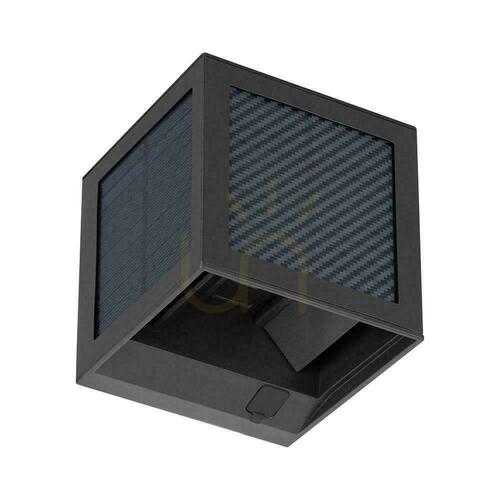
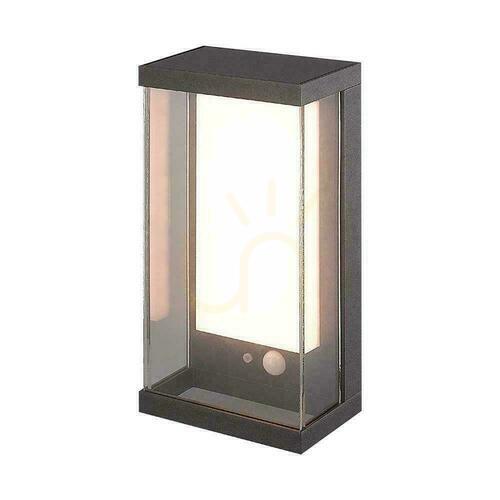
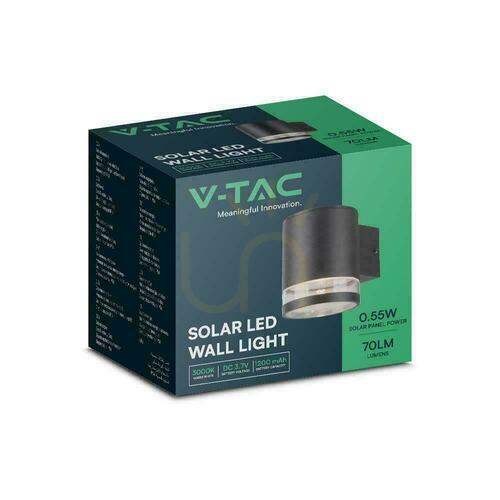
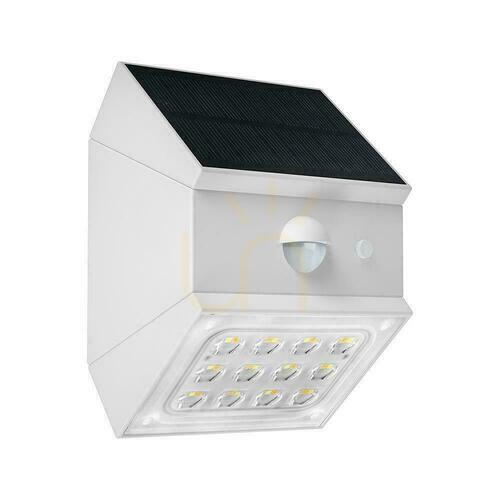
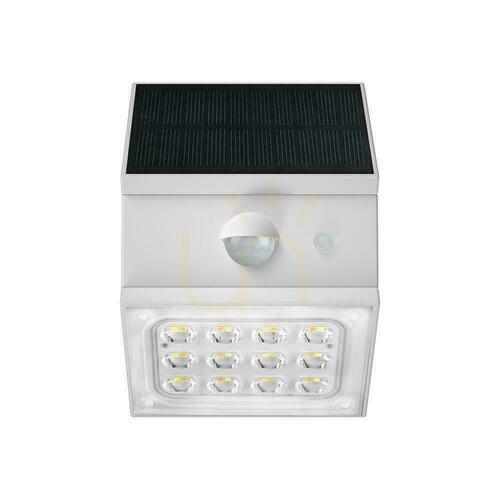
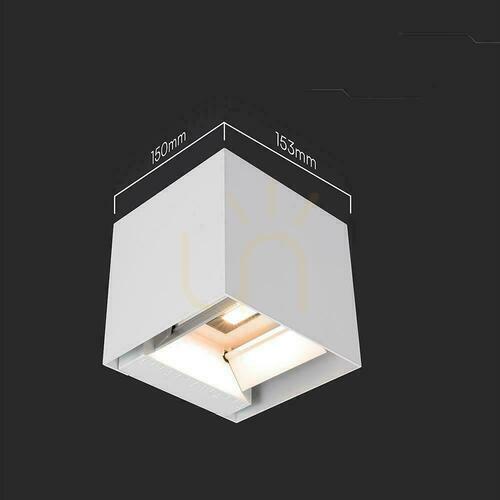
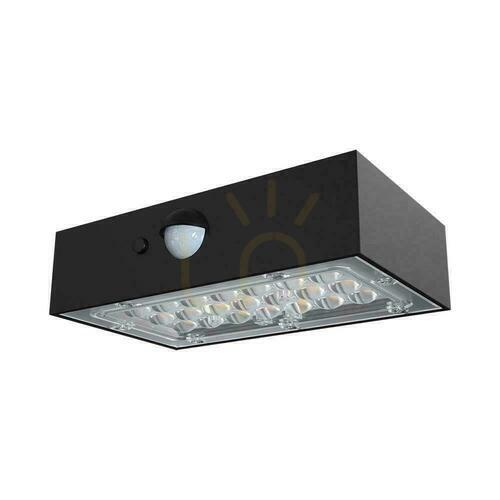
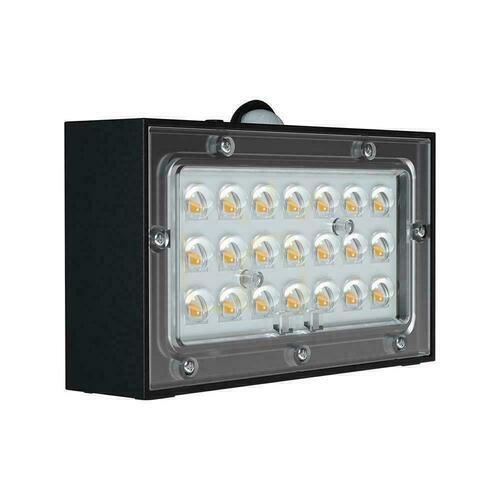
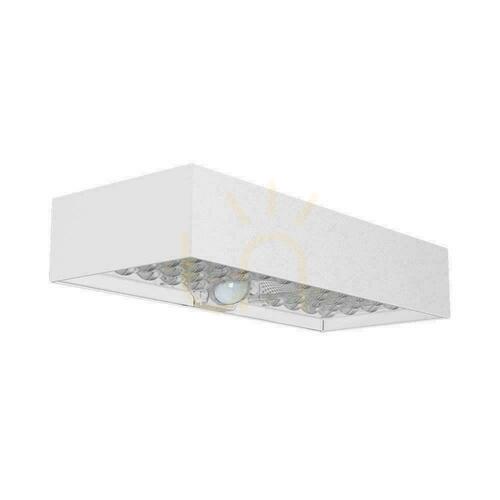
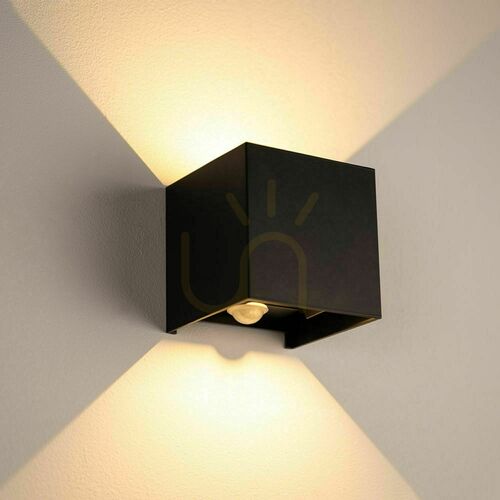
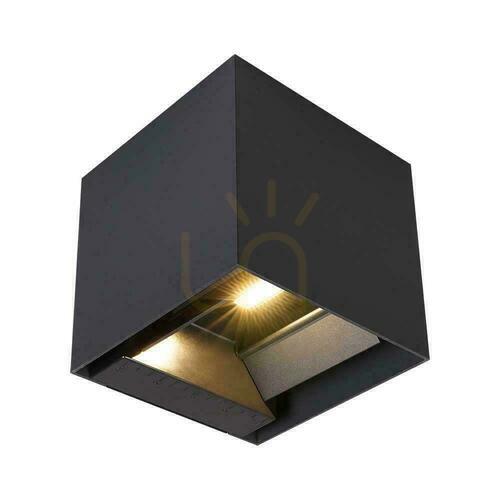
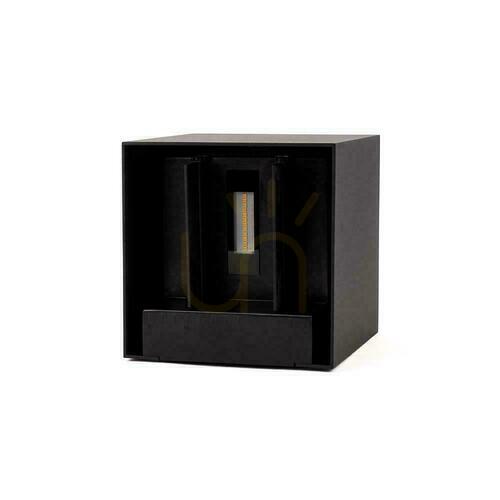
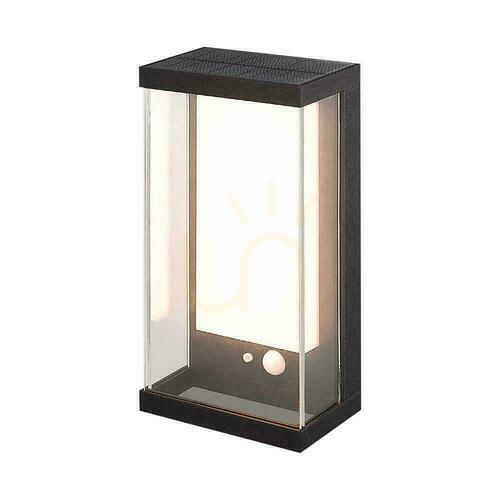
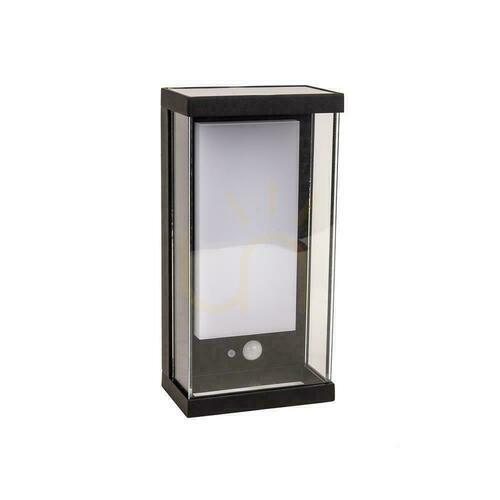
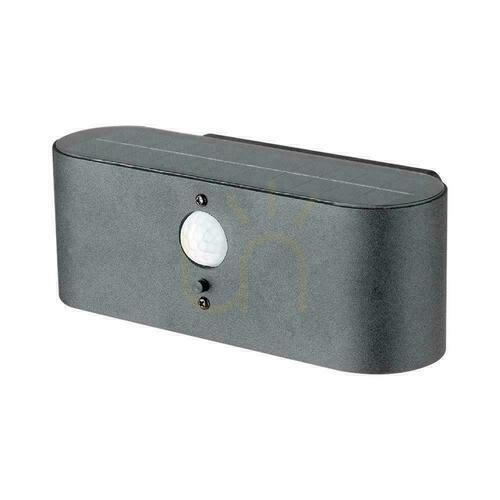
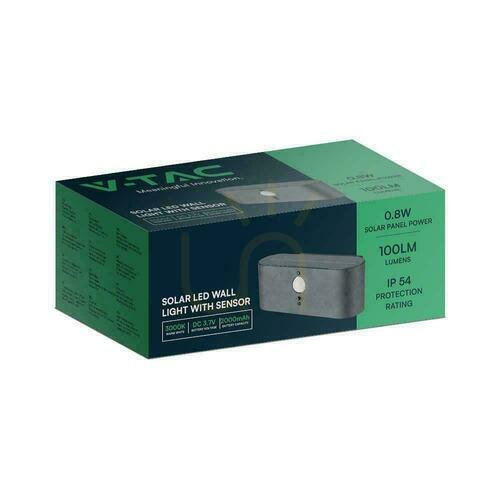
A motion sensor wall light for indoor use switches on by itself when someone walks into the hallway, up the stairs or into a cupboard, and goes off again once nobody has moved for a set time. Indoors the sensor is not there for security. It is there to save you groping for a switch with your hands full, and to light the way to the bathroom at night without anyone having to leave a lamp on.
Where an indoor sensor wall light earns its keep
The best spots are places you pass through rather than sit in. A hallway where the switch is at the wrong end, a landing between bedrooms, a flight of stairs, an under-stairs cupboard, a utility room, a walk-in wardrobe, a cellar or an integral garage. In a living room or study a sensor light tends to annoy: you sit still, it decides the room is empty and turns itself off.
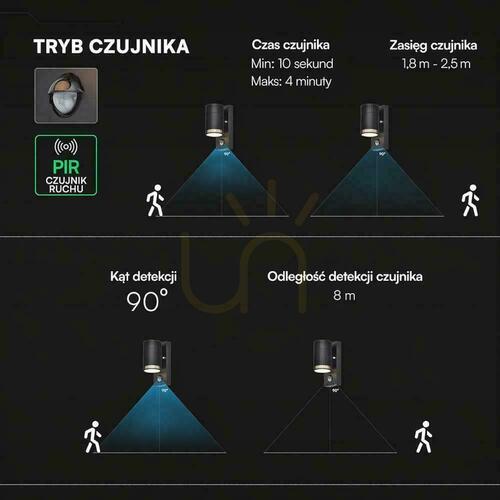
Unlike a ceiling light with a sensor, which looks down in a full circle, a wall light only sees the half in front of it, usually across 100–160°. That is an advantage in a narrow hallway or on a staircase, because the light reacts to the person coming towards it rather than to someone moving about in the next room.
PIR or microwave: which sensor suits a home?
A PIR (passive infrared) sensor notices warm bodies moving between the zones of its lens. It reacts best to someone walking across its view, a touch later to someone walking straight at it, and it cannot see through walls or glass. For most hallways and landings it is the sensible choice.
A microwave (HF or radar) sensor sends out a weak radio signal and picks up movement in any direction, including small movements. It can sit hidden inside the housing because it senses through glass, plastic and plasterboard. The drawback indoors is the same property: through a stud wall it may react to someone in the next room, so its range usually needs turning down.
Some offices and en-suites use presence detectors, which notice tiny movements such as typing or turning a page. At home a motion sensor is normally enough.
Wired or rechargeable?
A mains wall light (230 V) with a built-in sensor is wired like any other wall light and can be bright enough for a whole hallway. Rechargeable lights charge over USB, fix with a magnetic plate, adhesive pad or two screws, and need no cable in the wall, which makes them popular in rented homes, wardrobes and stairwells without a spare circuit. They are dimmer and need charging every few weeks or months, depending on how often they are triggered.
| Where |
Typical output |
Colour temperature |
Time on |
Worth knowing |
| Hallway, porch inside the front door |
300–800 lm |
2700–3000 K |
1–2 min |
Aim the sensor at the door, not at the stairs |
| Landing at night |
20–150 lm |
2700 K or warmer |
30–60 s |
A dimmed night setting avoids waking anyone |
| Stairs |
5–50 lm per low-level light |
3000 K |
about 1 min |
Cover both the top and the bottom step |
| Wardrobe, under-stairs cupboard |
100–300 lm |
3000–4000 K |
30 s |
Rechargeable versions save running a cable |
| Utility room, cellar, integral garage |
500–1000 lm |
4000 K |
2–5 min |
IP44 or IP54 where it is damp or unheated |
Getting the settings right
Most sensor lights have three adjustments, on small dials under the housing or on a remote. Time runs from a few seconds to several minutes; start at 30–60 seconds and lengthen it if the light drops out before you reach the other end. Lux sets how dark it must be before the light reacts; in a windowless hallway turn it up, or the sensor may think there is enough light from a lamp in the next room. Sensitivity sets the reach; indoors 3–6 m is plenty.
Keep the sensor away from radiators, heater vents and sunny windows, as moving warm air can trigger a PIR. Mount the head at roughly 1.8–2.2 m, or low on the wall for step and night lights. Wipe the lens now and then: dust shortens its range.
Motion sensor wall lights: your questions
What are the downsides of motion sensor lights?
They can switch off while you are still in the room if you stay still, and a badly placed sensor can switch on for the cat, a draught or a person in the next room. Both are usually fixed with the time and sensitivity settings or a different mounting spot.
Which is better, PIR or microwave detection?
For a typical British hallway or landing, PIR: it ignores what happens behind walls. Microwave suits places where the sensor has to be hidden or where people walk straight towards it, as long as its range is turned down.
Do you need an electrician to install a motion sensor wall light?
For a mains fitting, yes, it is wise to use a qualified electrician working to BS 7671, and some work, especially in bathrooms, may need to be notified under the building regulations. A rechargeable light needs no wiring at all.
Can I use a motion sensor wall light in the bathroom?
Yes, if its IP rating suits the zone, typically IP44 outside the shower area. A microwave sensor can be useful in a small cloakroom because it also picks up smaller movements.
How long does a rechargeable sensor wall light last on one charge?
It depends on battery size, brightness and how often it is triggered. In a hallway used a few dozen times a day, several weeks between charges is common; in a wardrobe it can be months.
Why will my sensor light not switch off?
Usually because something keeps retriggering it: warm air, a moving curtain, a pet or, with microwave sensors, movement behind a thin wall. Also check the time setting and whether the light has been switched to permanent-on mode, which on many fittings is done by flicking the wall switch off and on quickly.
For styles, shades and light sources beyond sensor models, see indoor wall lights. A light by the front door or on the garden wall faces rain and frost, which is a different brief, covered under outdoor wall lights with a motion sensor.