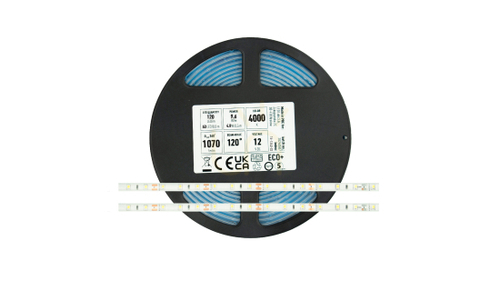
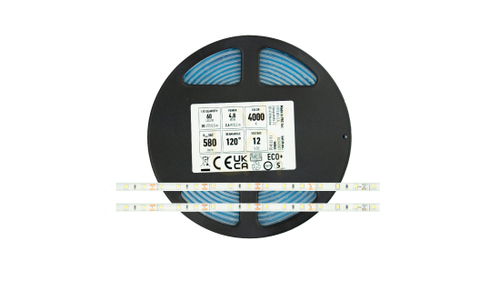
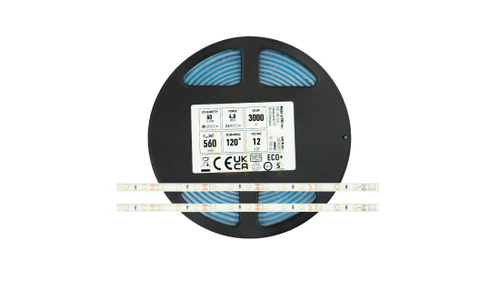
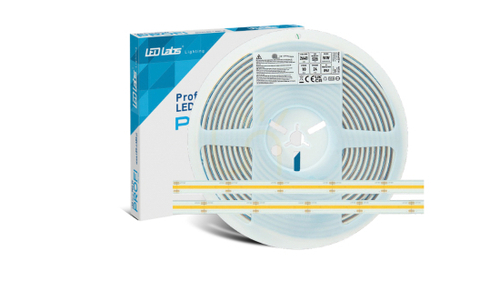
Outdoor LED strip is used for two quite different jobs: hidden cove lighting under a step or handrail, and visible decorative runs along a pergola. The specification differs, and using an indoor strip outside is the failure people write reviews about.
The IP rating is the whole decision
| Rating |
Construction |
Use |
| IP20 |
Bare strip |
Indoors only |
| IP65 |
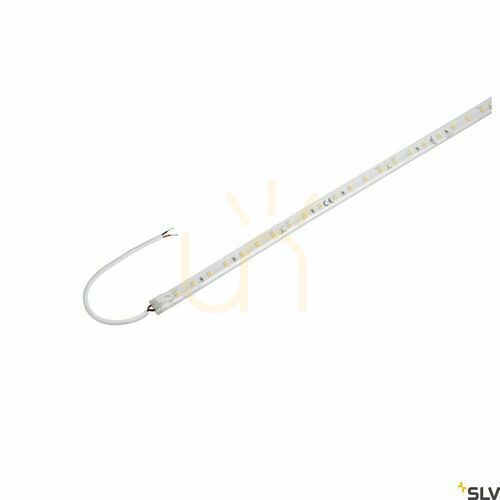
Silicone coating on top |
Under an eave, covered terrace |
| IP67 |
Fully sleeved |
Exposed to rain, decking, pergola |
| IP68 |
Sealed, potted |
Submerged or permanently wet |
The strip is only as protected as its weakest joint. A well-rated strip with an unsealed connector at the end will fail at the connector — use sealed joiners and heat-shrink, or solder and seal.
Voltage and run length
12 V strip is fine for runs up to about 5 m; beyond that the far end visibly dims as voltage drops. 24 V doubles the practical run. For anything longer, feed the strip from both ends or split it into sections with their own supply rather than daisy-chaining.
Aluminium profile is not optional outdoors
A profile does three things: it sinks heat away so the LEDs last, it protects the strip from UV and impact, and its diffuser hides the individual dots. Bare strip stuck to timber with adhesive tape will lift within a season once the wood moves.
Frequently asked questions
Can you put LED strip lights outside?
Yes, if the strip, connectors and power supply are all rated for it. IP65 under cover, IP67 where rain reaches it.
What are common outdoor LED mistakes?
Indoor power supplies in an outdoor enclosure, unsealed cut ends, no aluminium profile, and 12 V runs that are too long.
Where does the driver go?
Inside, or in a rated outdoor enclosure. Most drivers are the least weatherproof part of the system.
See also LED Profiles and LED power supplies.