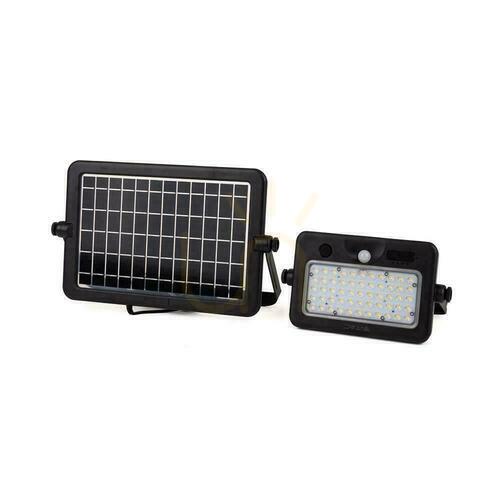
A solar shed light or solar garage light gives you proper light in an outbuilding that has no mains supply, and over the garage door or driveway without running a cable from the house. For a garage or shed the job is different from lighting a flower bed: the light has to be bright enough to find the padlock, the lawnmower or the step on a dark wet evening in December, not just glow prettily.
The panel charges a battery during the day and the lamp does the rest after dark, on a switch, a remote or a motion sensor. No trench, no new circuit, and it keeps working in a power cut.
Inside the shed or outside the door?
This is the first question, because it decides which kind of light you need.
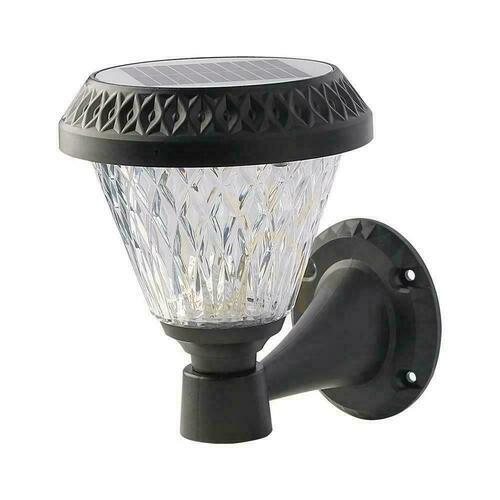
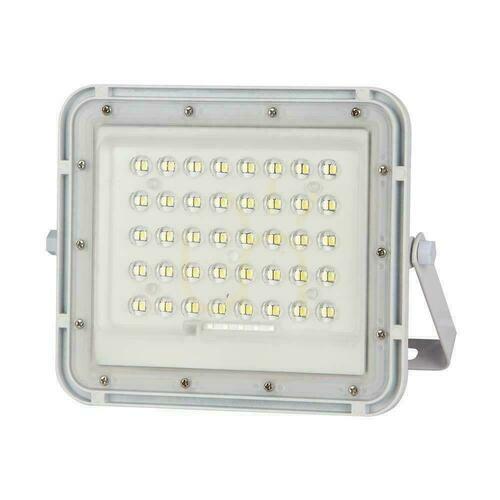
An all-in-one solar light has the panel built into the housing. It works well on a sunny wall above a garage door or beside the shed door, but only if that exact spot gets sun. Fix one inside the shed, or behind a window, and it will barely charge.
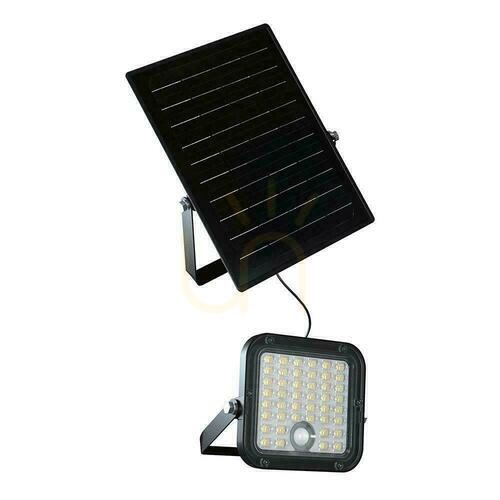
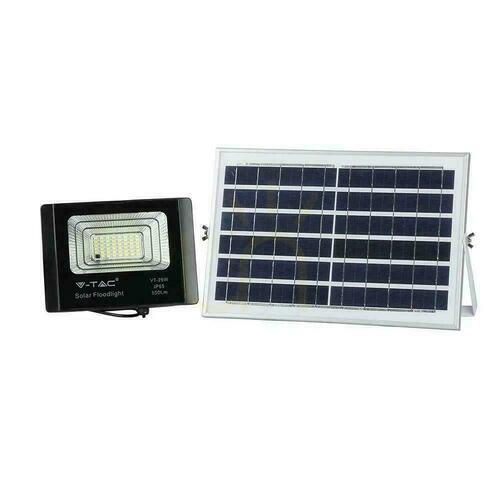
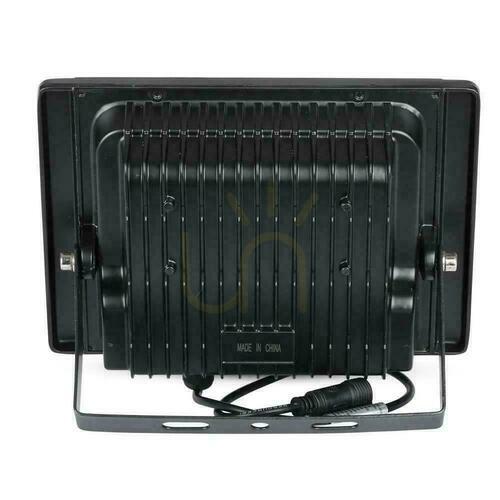
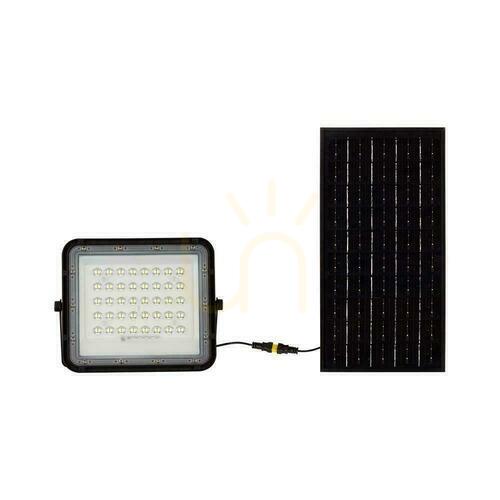
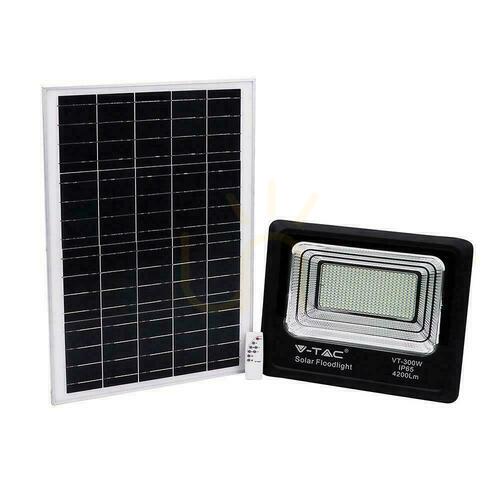
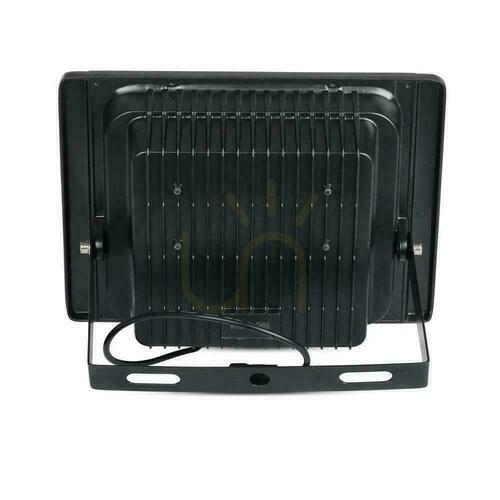
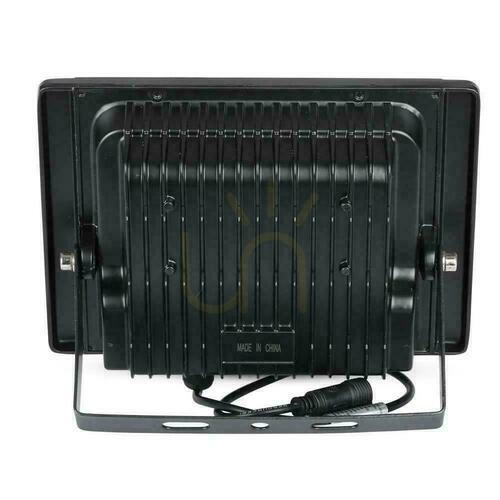
For lighting inside a shed, workshop, garage or stable you need a split light with a remote panel: the panel goes on the roof or a south-facing wall and a lead (typically 3–5 m) runs to the lamp indoors. Indoor shed lights usually have a pull cord, a wall switch or a remote, and some kits include two or more lamps from one panel and battery.
How bright, and how to switch it
| Where |
Typical light output |
Setup |
Best switching |
| Small garden or tool shed |
100–400 lm |
remote panel, single lamp |
pull cord or remote |
| Workshop shed, allotment store |
400–1000 lm |
remote panel, two-lamp kit or bar light |
switch, remote with timer |
| Inside a single garage |
400–1000 lm |
larger panel on the roof, battery in a separate box |
switch or remote |
| Garage door and driveway |
400–1000 lm |
all-in-one or remote panel |
PIR sensor, 6–10 m range |
| Carport, large yard |
1000–2000 lm |
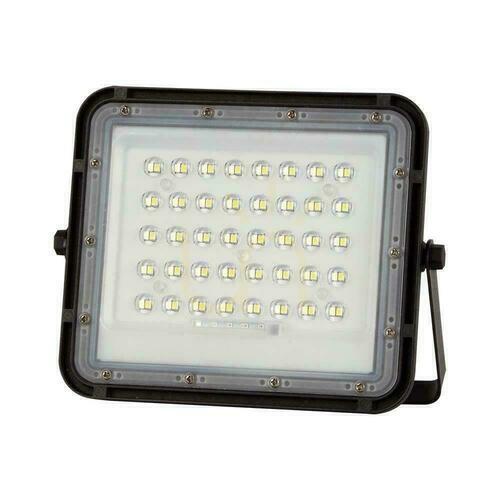
solar floodlight with a separate panel |
PIR with adjustable on-time |
A PIR sensor is ideal outside, where you only need light for a minute while you open the door. Inside it gets annoying: stand still at the workbench and the light times out, often after 20–60 seconds. For anything longer than a quick in-and-out, choose a switch or remote. Many lights offer both.
Outdoors, look for IP44 at the very least and IP65 on an exposed wall that takes driving rain. Lithium batteries are now standard. LiFePO4 cells cost more but last for many more charge cycles, and a replaceable battery means the light outlives its first one.
Fitting it properly
Face the panel south, or as close as you can, tilted at roughly 35–45°. A steeper angle helps in winter, when the sun is low, and lets rain wash it and snow slide off. Keep it clear of shade from eaves, trees and the neighbour’s fence. Shade on even part of the panel slashes its output, and in winter, when there is only an hour or two of sun to catch, a shaded panel can leave you with a few minutes of light.
For an indoor lamp, bring the lead in under the eaves rather than through the roof. Leave a drip loop so water runs off before it reaches the hole, then seal the hole with silicone. Over the garage door, mount the light about 2–3 m up and aim the sensor at the driveway, not the pavement. Otherwise passing cars, dog walkers and foxes will trigger it all night and flatten the battery.
Cool white (5000–6500 K) looks crisp and suits security cameras. Warm white (around 3000 K) is gentler on neighbours and on the look of the house.
FAQ
Can I put a solar light on my shed?
Yes. A self-contained solar light needs no electrical work at all. Screw the light or panel to the shed wall, fascia or roof where it gets the most sun. On a felt roof, fix the panel to the fascia or a bracket rather than drilling through the felt.
How do I add lighting to a shed without mains?
Fit a split solar kit: panel outside, lamp and switch inside. Running a mains supply means an armoured cable buried in the garden and a new circuit from your consumer unit. That is a job for a registered electrician and in England it is normally notifiable under Part P of the Building Regulations. For occasional evening use, solar is far simpler.
What are the best solar lights for a garage?
For the door and drive, a bright PIR light of roughly 400–1000 lm with IP65 and a separate panel if the wall is shaded. For inside, a remote-panel kit with a switch or remote and a battery big enough for the time you actually spend in there.
Can I get a solar shed light with a switch?
Yes, and indoors it is usually the better choice. Pull-cord and wall-switch versions stay on as long as you need, while a remote lets you turn the light on from the door before you step into the dark.
What are common problems with solar lights?
Short run times in winter, panels in shade or covered in grime, sensors that trigger on every passing car, and tired batteries after a few years. UK Decembers average little more than an hour of sunshine a day, so set outdoor lights to motion mode rather than dusk to dawn. Wipe the panel with a damp cloth now and then, and replace the battery when run time drops.
Is it worth putting solar panels on a garage?
Full rooftop solar is a separate decision about your electricity bill. For lighting alone, a small panel of a few watts on the garage roof is plenty. It needs no electrician and keeps the light independent of the house supply.
If your garage already has power, mains-wired garage wall lights are worth comparing. For more on panels, batteries and garden styles, take a look at outdoor solar lights.