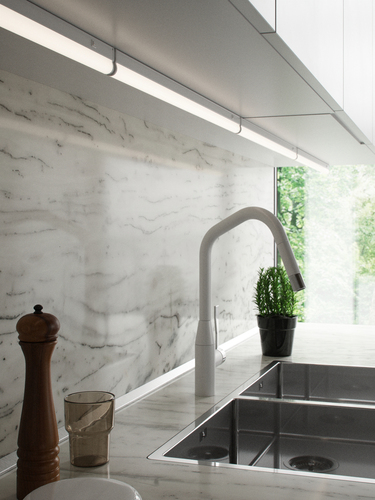
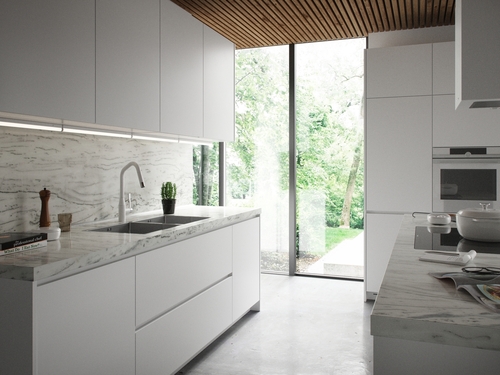
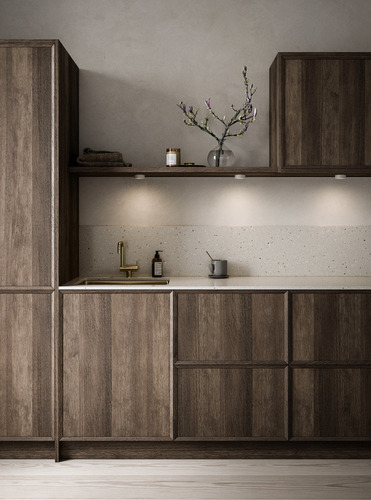
Good under cabinet lighting in the kitchen puts task light on the worktop, the one surface a ceiling light never quite reaches. With the ceiling fitting behind you, your body casts a shadow over the chopping board; a slim fitting under the wall units lights the counter from above and in front, right back to the splashback.
That makes it a different job from lighting glass-fronted cabinets or open shelves, where the point is to show off what's inside. Under-cupboard lights are working lights. They need to be bright enough to read a recipe and tell when the onions are properly golden, accurate on colour, and hidden well enough that they never glare at you from the hob or the dining table.
Link lights, LED tape or pucks?
-
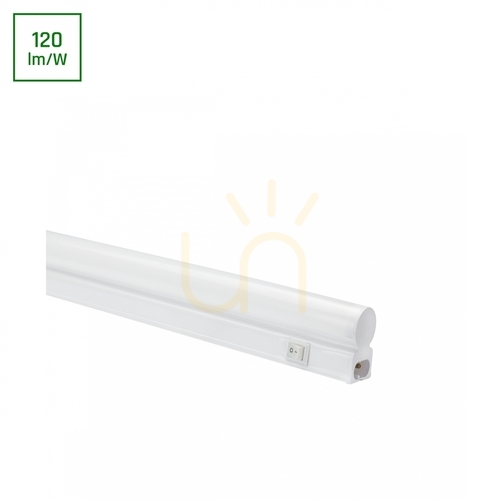
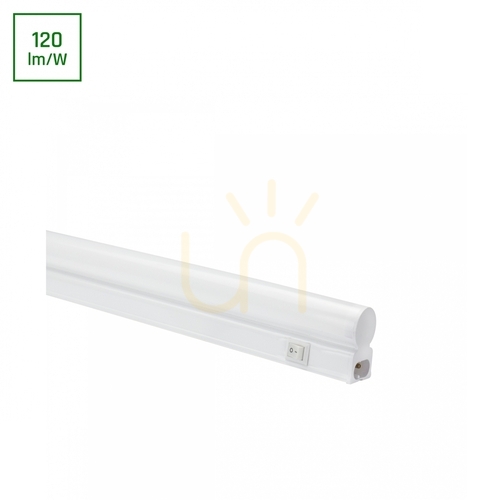
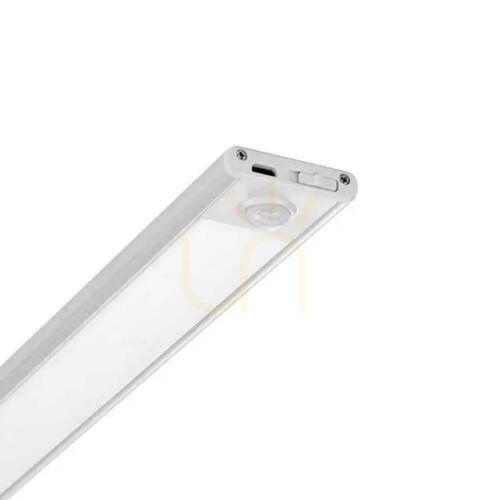
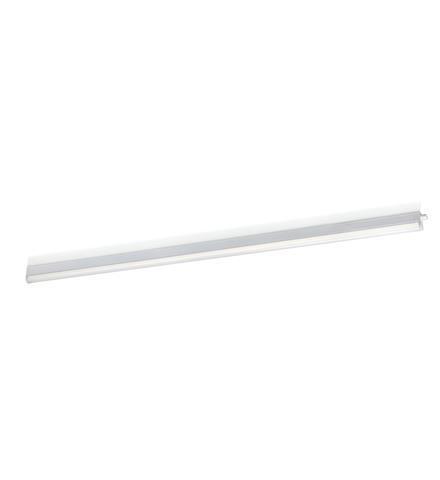
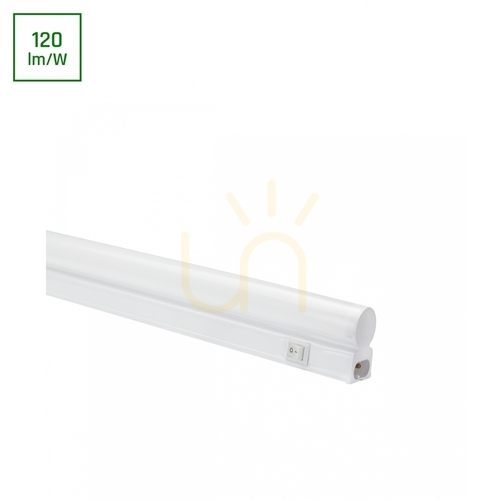
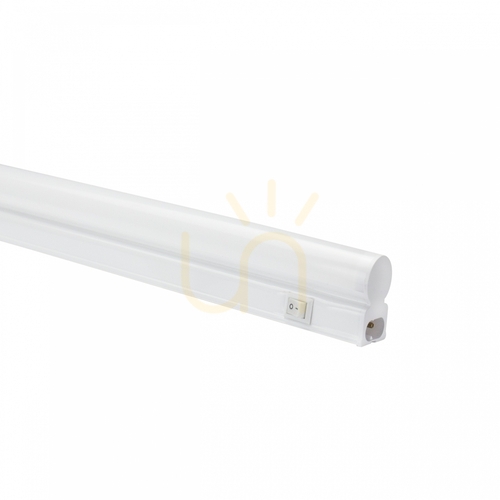
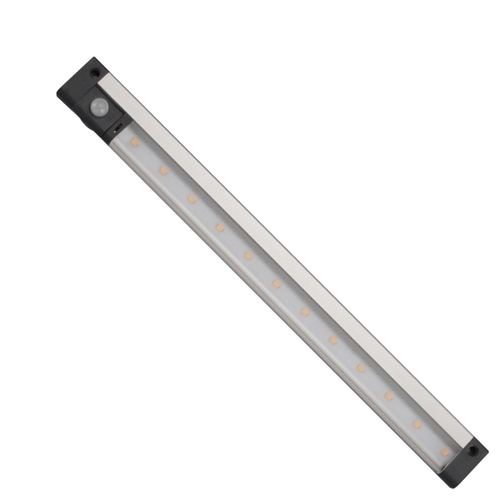
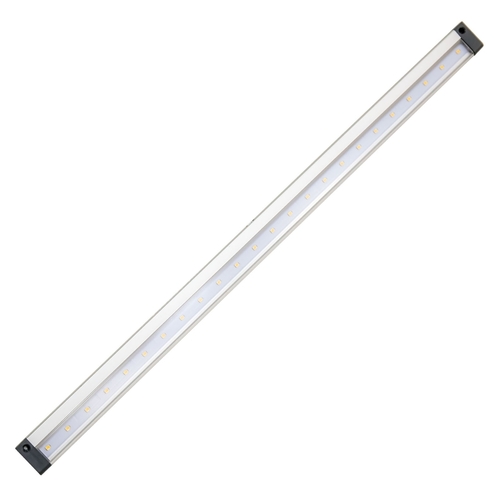
Link lights (LED light bars) are slim mains fittings with built-in LEDs and an opal diffuser. Short connector leads join one bar to the next, so a single plug or connection runs the whole row. Many have an on/off switch on the body; some add a hand-wave sensor, a USB port or even a plug socket.
-
LED tape in an aluminium profile runs at 12 V or 24 V from a driver. It gives the smoothest unbroken line, can be cut to length every few centimetres and sits barely a centimetre deep. The profile draws heat away from the LEDs and the diffuser hides the individual dots.
-
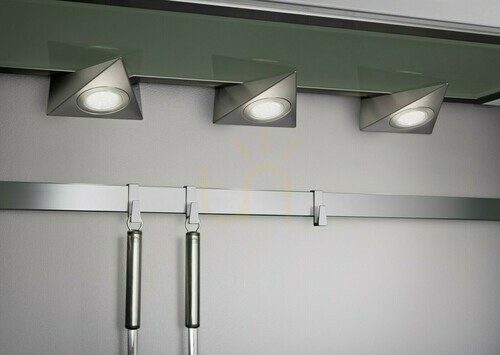
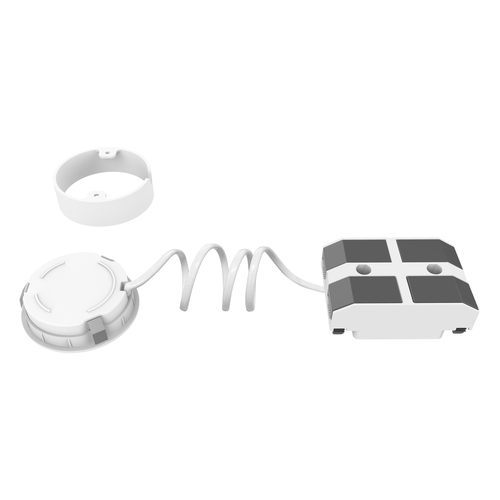
Puck or spot lights are small round or triangular fittings, surface-mounted or recessed into the cabinet base. They throw pools of light rather than an even band – a look that suits shaker and traditional kitchens, as long as the pools are spaced to meet.
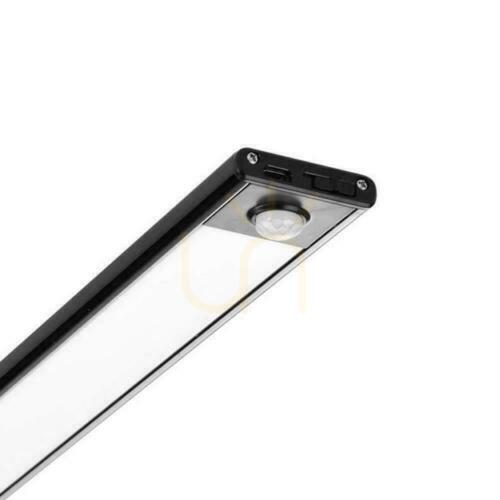
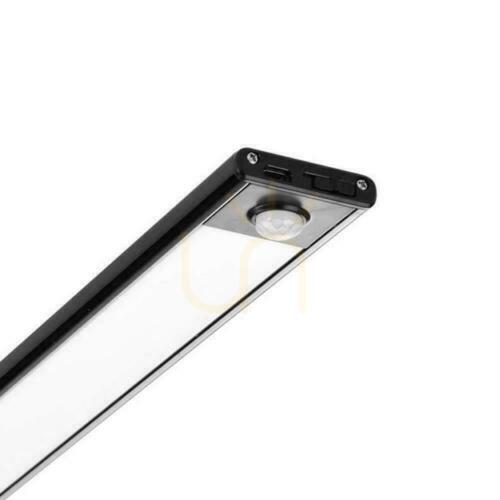
Then there are wireless lights: battery or USB-rechargeable bars with a motion sensor, fixed with tape or magnets in minutes. They are handy in a rented flat or a dark corner with no socket nearby, but they are dimmer than mains lights and you will be recharging them.
Plug-in, hardwired or low voltage?
Plug-in mains lights are the simplest route: the lead runs along the underside of the units to a socket above the worktop or inside a cupboard. Hardwired lights, fed from a fused spur and controlled from a wall switch, look tidier and come on with the rest of the kitchen lighting. Any new wiring, though, is a job for a qualified electrician, and it has to comply with BS 7671.
Low-voltage tape needs a driver. Add up the wattage of every run (watts per metre × length), allow 10–15% headroom and put the driver somewhere you can reach it later – not behind a panel you have screwed shut.
What to look for
Aim for roughly 300–500 lux on the worktop. With wall units hung around 45–55 cm above it, that translates into these figures:
| Spec |
Typical choice |
Why it matters |
| Brightness |
about 500–1,000 lm per metre of worktop |
dark granite or navy units soak up light, so go higher |
| Colour temperature |
3000 K warm white or 4000 K natural white |
keep one colour along the whole run |
| Colour rendering |
CRI 80 at least, CRI 90 ideally |
food looks the colour it really is |
| Depth |
usually 1–3 cm |
slimmer fittings hide behind the light rail |
| Length |
the full width of each unit |
short bars leave dark ends on the worktop |
| IP rating |
IP20 for most fittings |
right above the sink, choose IP44 or higher |
Where to fit them
Fix the light towards the front of the cabinet base, a few centimetres back from the door edge. Mounted against the wall it mostly lights up the tiles, while the middle of the worktop stays dim. A light rail or pelmet along the bottom of the wall units hides the fitting from anyone sitting at the table.
In an L-shaped layout, the corner tends to be the gloomiest spot and often the place the chopping board ends up. A short extra bar or a 45° corner profile sorts it out. Above the hob, leave the job to the cooker hood light, because steam and grease shorten the life of an ordinary under-cupboard fitting.
Switching and dimming
An on/off switch on the fitting is dependable. A hand-wave sensor is nicer when your hands are wet or covered in flour, touch dimmers give stepless control, and a PIR sensor brings the light on for a night-time glass of water. If you plan to use a wall dimmer, check the driver or fitting is listed as compatible with it, since a mismatch causes flicker and buzzing.
Mistakes worth avoiding
- Bare LED tape reflected as a row of dots in a gloss or quartz worktop.
- 3000 K under one unit and 4000 K under the next.
- A soft mood strip bought in the hope it will double as task light.
- A driver buried where nobody can reach it.
Cleaning is easy: a damp cloth with a drop of washing-up liquid. Solvents and cream cleaners will cloud a plastic diffuser.
Under cabinet lighting FAQs
What is the best type of lighting for under kitchen cabinets?
For most kitchens, LED link bars or LED tape in a profile with an opal diffuser: an even band of light with no visible dots. Puck lights suit a more traditional look but leave gaps between the pools of light.
What is the best under-shelf lighting for open kitchen shelves?
Slim LED tape in a shallow profile, tucked under the front lip of the shelf. Battery pucks are fine for one short shelf but get fiddly along a whole wall.
Mains or low-voltage under cabinet lights – which is better?
Mains link lights are quicker to fit and need no driver. Low-voltage tape gives a slimmer, cut-to-fit line, but it needs a driver and more planning.
Are wireless under cupboard lights any good?
For a dark corner or a rental, yes. For everyday cooking, a mains or low-voltage system is brighter and saves you the recharging.
Do I need an electrician to fit under cabinet lights?
Not for plug-in lights. For a hardwired connection, a new fused spur or an extra wall switch, yes.
Should under cabinet lights be warm or cool white?
Warm white (3000 K) suits timber, cream and open-plan kitchen-diners. Natural white (4000 K) suits white, grey and handleless kitchens and makes close work easier.
More on lighting shelves, display cabinets and wardrobes: under cabinet lighting.