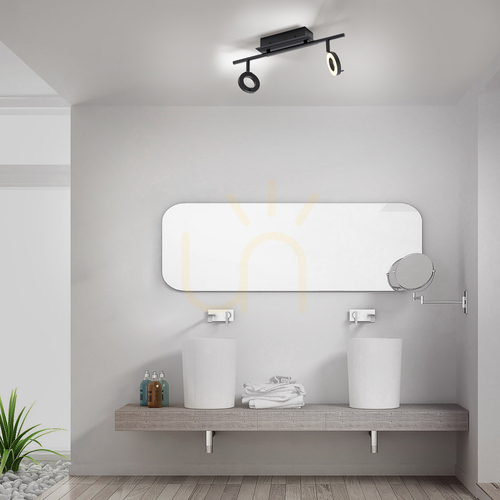
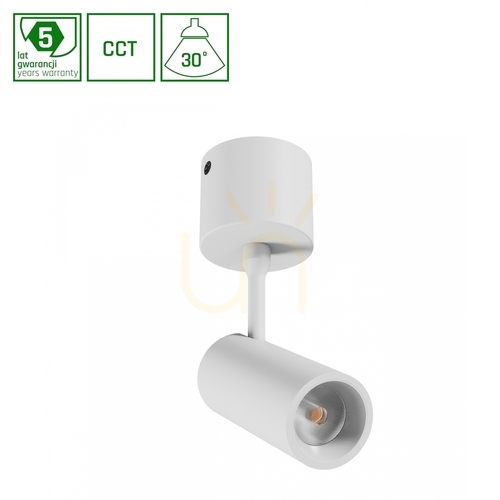
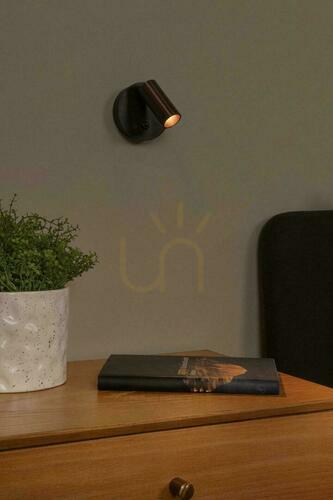
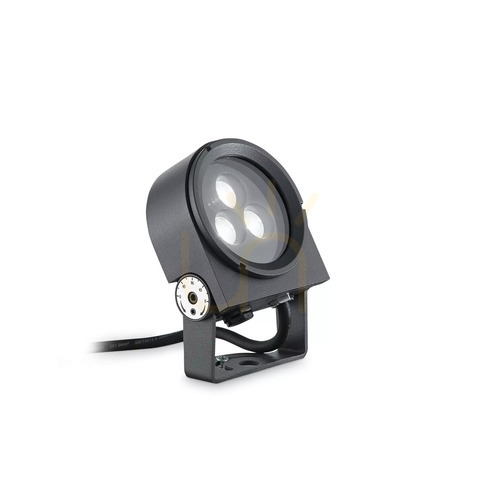
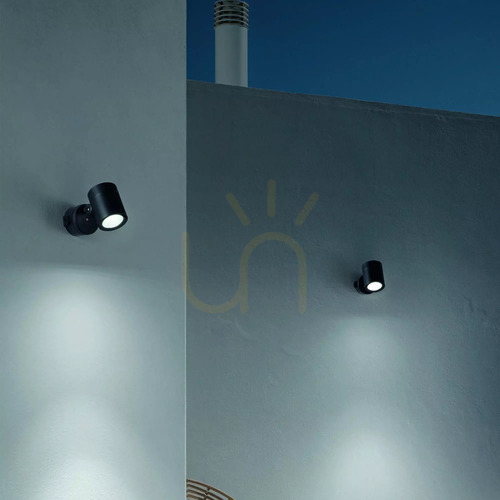
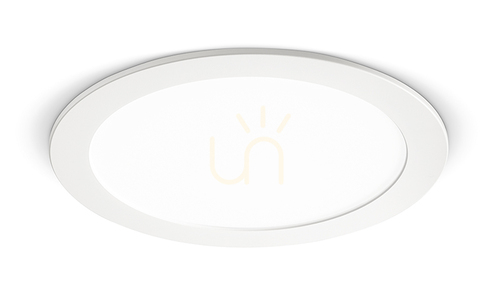
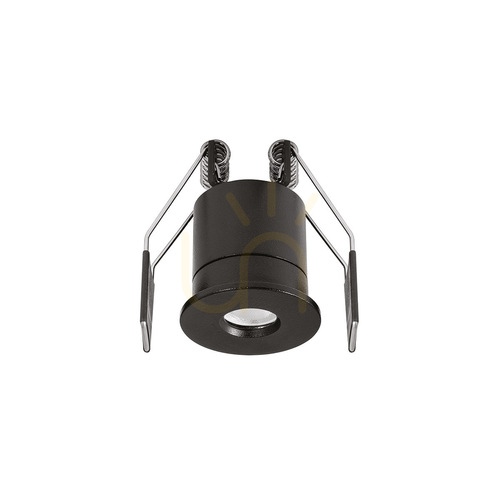
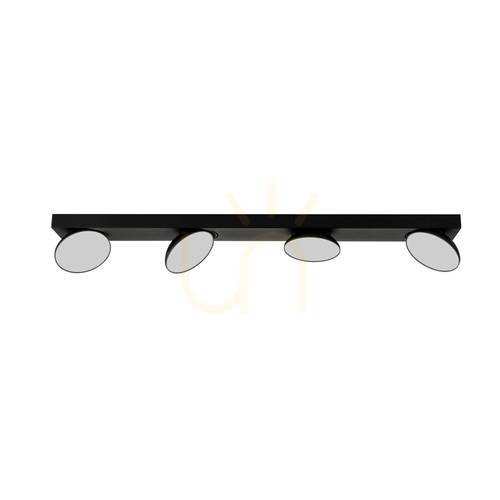
Ask for LED spotlights in a UK shop and you may well be shown a shelf of downlights, because the two names get used for each other. A spotlight proper is the aimable kind: one or more heads on a ceiling plate, a bar or a track, tilted towards a worktop, a picture or a dark corner, with each head running on a few watts.
The second choice is where the LED sits. Some spotlights take ordinary GU10 LED bulbs that you can change in seconds; others have the LED built into the head, which allows a smaller, neater fitting but usually ties you to the light it left the factory with.
Spotlight or downlight – which one do you actually need?
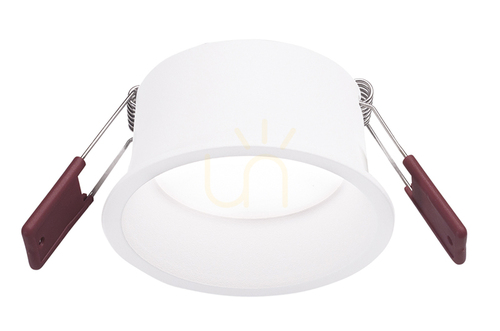
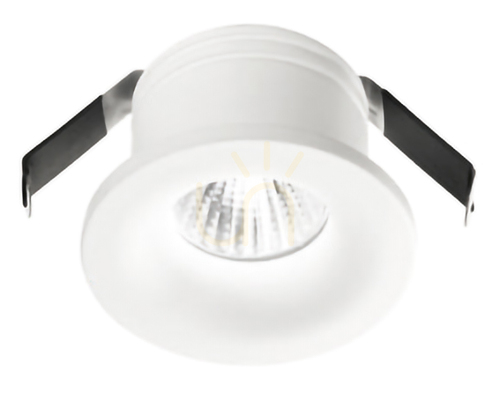
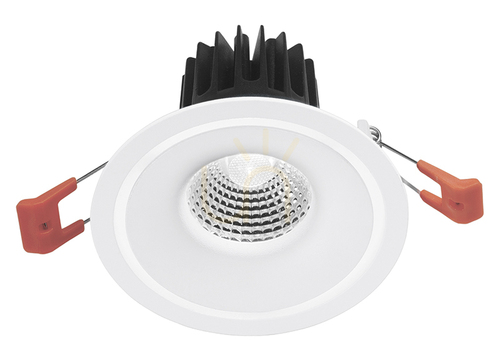
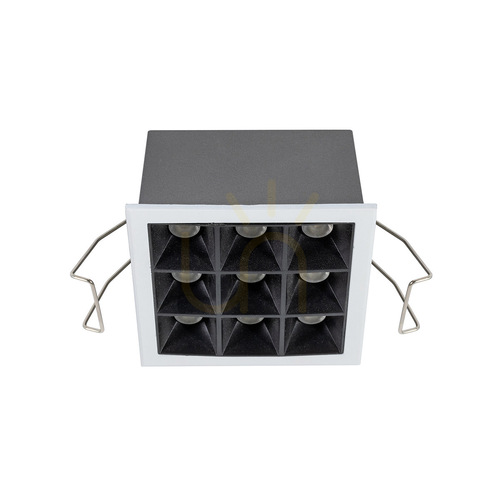
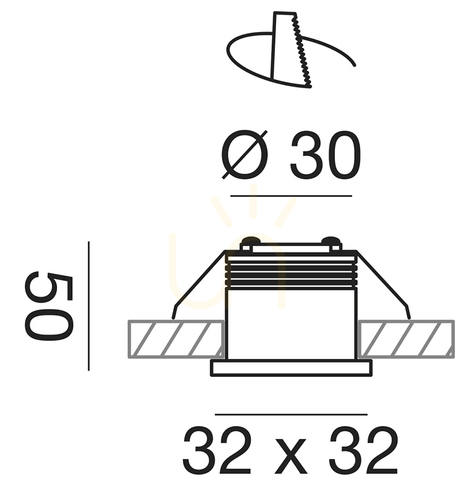
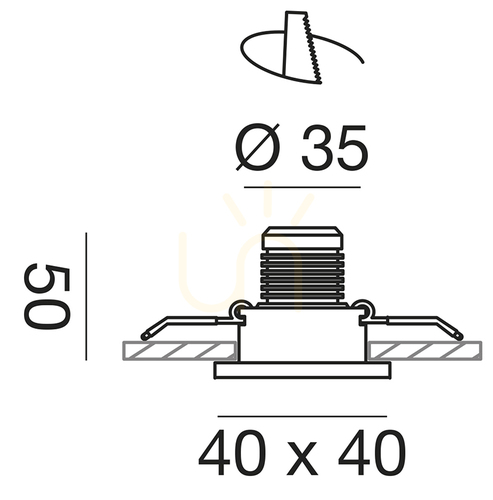
A downlight is recessed into the ceiling, sits flush and throws a broad, even wash of light downwards. A spotlight sits on the surface – on a ceiling plate, a bar or a track – and gives a narrower, aimable beam for accent or task lighting. If you have a solid concrete ceiling or no void above the plasterboard, surface spotlights avoid cutting holes altogether.
Common formats:
-
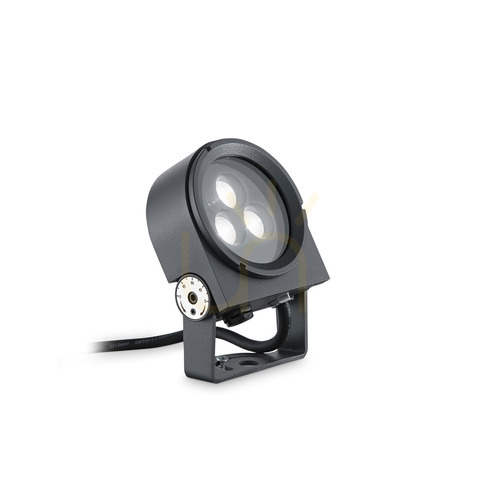
Single spotlights on a small round plate – for one picture, a reading corner or a short run of worktop.
-
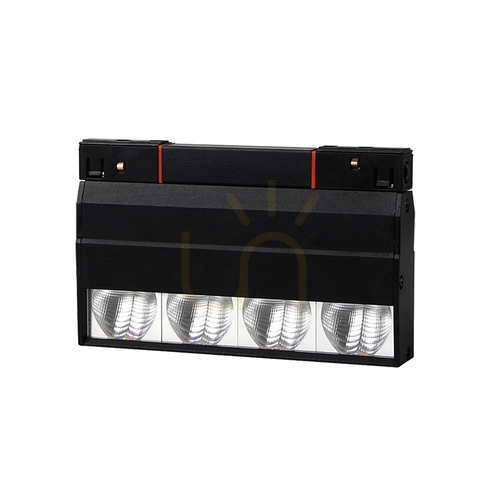
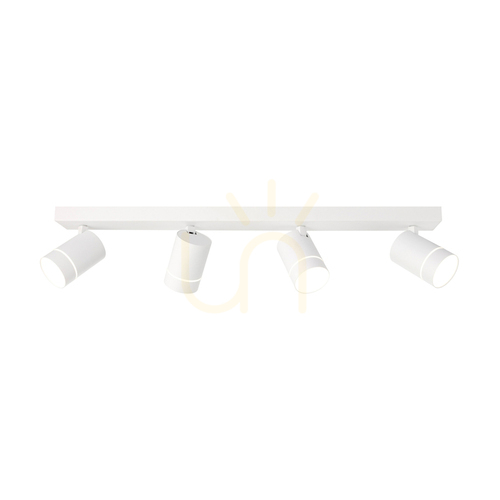
Spotlight bars and plates with two to six heads on one base, each adjustable – one ceiling point, several targets.
-
Track spotlights – heads slide along the rail and can be added or removed without new wiring, handy for long hallways and open-plan kitchen-diners.
Integrated LED or GU10 bulbs?
An integrated fitting usually has better optics and less glare, and the head can be smaller. The trade-off: colour temperature and output are usually fixed (unless the fitting has a CCT switch), and when the module eventually fades it is the module or the whole fitting that gets replaced.
A GU10 spotlight runs on mains voltage and takes any GU10 LED lamp, so you can move from 4000 K to 2700 K or from a wide to a narrow beam just by buying different bulbs. Older 12 V systems with GU5.3 (MR16) lamps need a transformer, and many halogen transformers misbehave with the tiny load of an LED lamp – flicker is the usual symptom, and an LED driver the usual cure.
Choosing by numbers
| What to check |
Typical range |
Good for |
| Narrow beam |
10–25° |
Artwork, a sculpture, high ceilings |
| Medium beam |
30–40° |
Kitchen islands, bookshelves, feature walls |
| Wide beam |
60–120° |
General light in a hallway or small room |
| Light output per head |
usually 300–800 lm |
About 400 lm matches an old 50 W halogen |
| Warm white |
2700–3000 K |
Living rooms, bedrooms, dining areas |
| Cool white |
4000 K |
Bathrooms, utility rooms, home offices |
| Colour rendering |
CRI 80 to CRI 90+ |
CRI 90+ for art, fabrics and food prep |
| IP rating |
IP20 / IP44 / IP65 |
Dry rooms / bathroom zone 2 / zone 1 or outdoors |
Where they work best at home
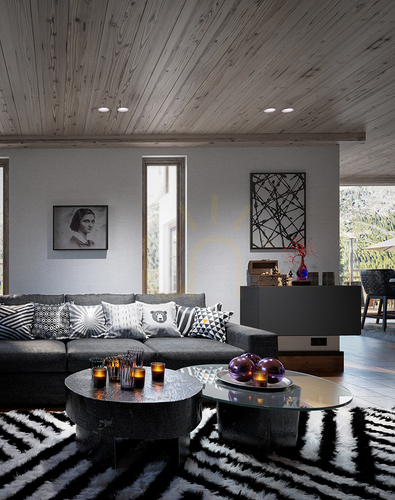
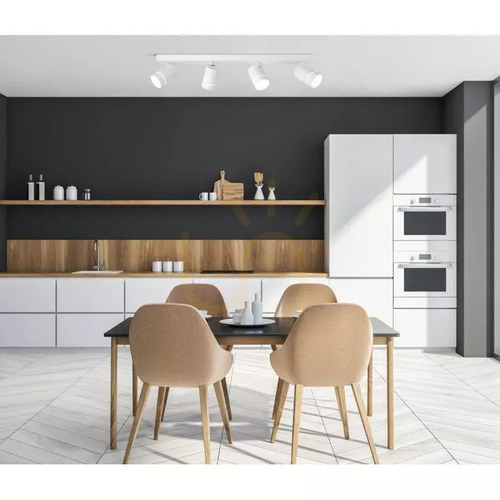
In a living room, spotlights are best used as a second layer: two or three heads washing a wall or picking out shelves, on a separate switch from the main light. In a kitchen, aim the heads at the worktop from slightly in front of where you stand, otherwise your own shadow falls on the chopping board. For pictures, set the beam at roughly 30° from vertical to avoid glare on the glass.
If spotlights are your main light, start about 40–60 cm from the wall and space them 80–120 cm apart. At a 2.4 m ceiling height a 38° beam covers only a few square metres of floor, so a wider angle or more heads will be needed.
What catches people out
-
Swapping a pendant for a spotlight bar. Many UK ceiling roses are wired as loop-in points, with several cables meeting at the rose. A spotlight bar has no terminals to take them, so they need a proper connector in an enclosure behind the plate – a job for an electrician rather than a quick swap.
-
A dimmer from the halogen days. Older dimmer switches were sized for halogen loads of 40 W and more. Three 5 W LED heads fall well short of that, and the result is flicker, buzzing or lamps that glow faintly when switched off. Pair a dimmable fitting with a dimmer rated for LED.
-
Bulbs that do not fit the head. Some GU10 LED lamps are longer than the halogen they replace, or bulkier at the base, and will not sit properly in a slim cylindrical head. Check the lamp length against the fitting before buying a multipack.
-
Bathroom zones. Under BS 7671, zone 1 runs from the bath or shower tray up to 2.25 m and needs at least IPX4 – many people choose IP65 there – while zone 2 calls for IP44. Work in these zones is generally notifiable in England and Wales, so use a registered electrician.
A dusty lens throws away light. Every few months, with the power off, run a soft dry cloth over the heads; a barely damp one lifts kitchen grease, but keep sprays and solvents away from the optics.
LED spotlights: your questions answered
Which LED spotlight is best?
The one whose beam angle, colour temperature and CRI suit the job. A clearly stated lumen figure and a solid metal heatsink say more about quality than the wattage on the box.
Do LED spotlights use a lot of electricity?
No. A 6 W head on for four hours a day uses about 9 kWh a year – roughly what a 50 W halogen used in six weeks.
Is there a downside to LED lights?
Cheap ones can flicker, render colours poorly or glare. Integrated models cannot take a new bulb, and poor dimmer pairing causes buzzing. A decent driver, CRI 90 and a recessed lens solve most of it.
What is the difference between LED spotlight bulbs and integrated spotlights?
Bulbs (GU10, GU5.3) can be swapped for another colour or beam. Integrated spotlights have the LED built in, usually with better optics, but their colour and output are usually fixed unless the fitting has a CCT switch.
Are LED spotlights good for a living room?
Yes, as accent light at 2700–3000 K on a dimmer. On their own they can leave dark corners, so pair them with a ceiling, floor or table lamp.
Can I use these spotlights outdoors?
Only if they are rated IP65 or higher and built for outdoor use. Indoor fittings at IP20 will corrode and are unsafe outside.
For directional lighting more broadly, whatever the light source, see adjustable spotlights; if you want the same aimable beam on a wall, have a look at wall spotlights.