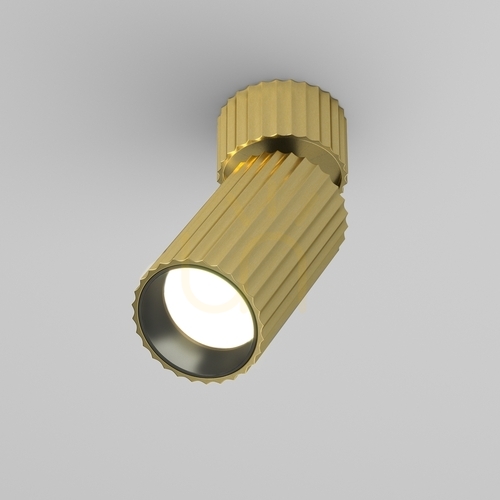
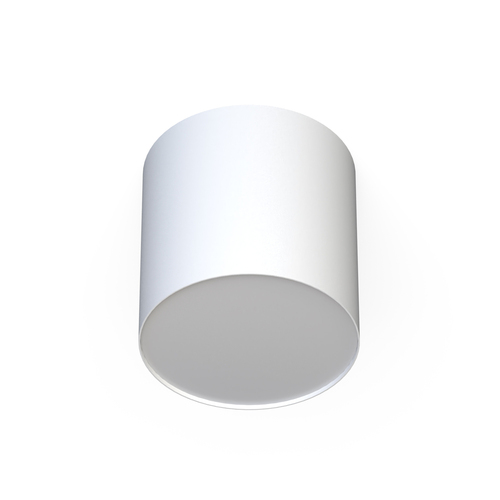
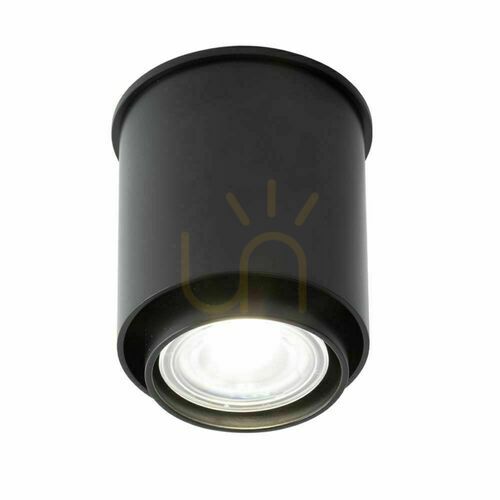
The bedroom is the one room where the ceiling fitting is mostly looked at from flat on your back. That single fact decides more than style does. A flush ceiling light keeps the fixture out of the way above a bed and above a wardrobe door, but it also puts the diffuser squarely in your field of view, so how the fitting handles its own brightness matters more here than anywhere else in the house.
Seen from below, lying down
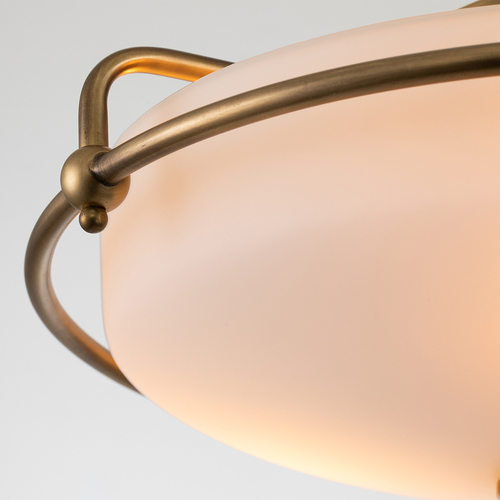
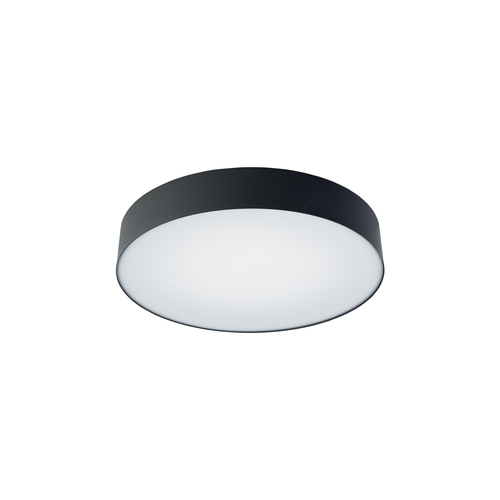
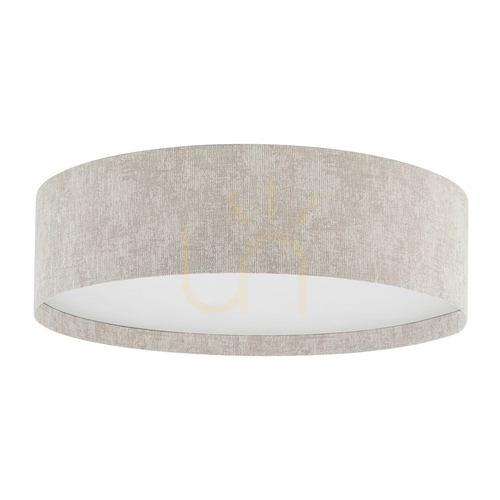
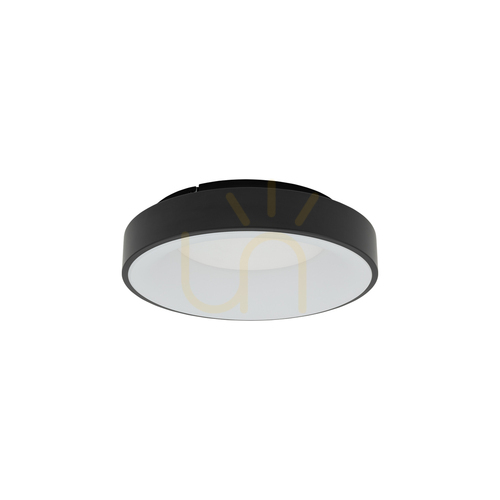
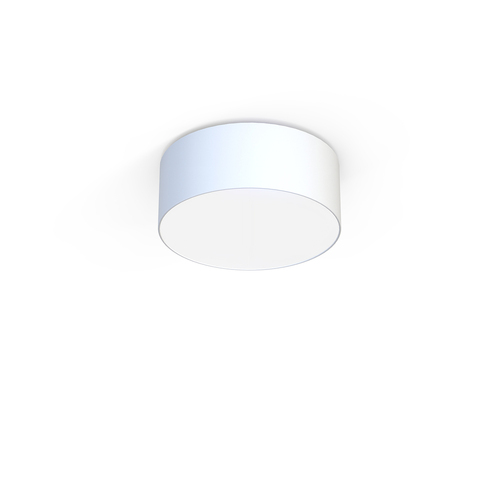
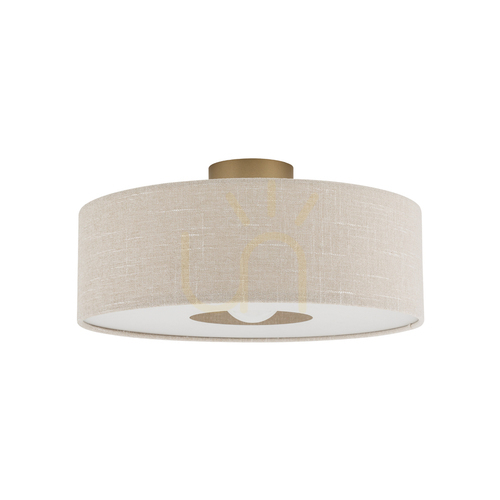
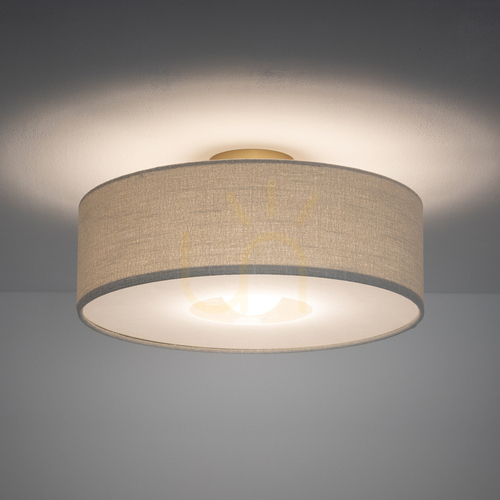
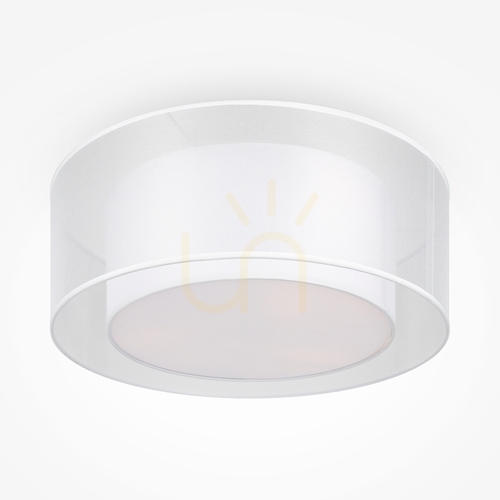
Look up at a lit fitting from a bed and you see the diffuser edge-on and full-on at once. An opal shade with no visible hot spots is the whole game: the lamp should be invisible through the material at every angle. Deep drums hide the source better than shallow plates, because the extra depth keeps the lamp away from the diffuser face. A clear or lightly frosted shade over a bed is a mistake you notice on the first night and every night after.
Wardrobes, doors and the space a flush fitting saves
Bedrooms are the rooms most likely to have a sloped ceiling, a fitted wardrobe with hinged doors, or a loft hatch. A fixture projecting 60-120 mm passes under all three. Position it clear of the wardrobe door swing rather than dead centre if the two conflict — a door that clips the shade is a repair waiting to happen — and on a sloped ceiling check that the fitting is approved for anything other than horizontal mounting before you buy.
Warm light, and dimming that actually reaches the bottom
2700 K or warmer is right for a bedroom; 4000 K belongs in a bathroom. What matters more is the bottom of the dimming range. Many integrated-LED ceiling fittings stop at 10 per cent, which is still far too bright at midnight — a model that reaches 1-5 per cent smoothly is worth paying for. If the fitting offers tunable white, use the warm end in the evening and the neutral end only when you are getting dressed.
Standby, hum and remote controls
An integrated LED with a receiver draws a small standby load and, in a silent bedroom, a poor driver can produce an audible whine or a visible flicker at low dim levels. Both are worth checking within the return window, because you will notice them at 2 a.m. and never unnotice them. A remote or app control is genuinely useful here — it is the one room where you want to turn the light off after you have got into bed.
Frequently asked
How bright should a bedroom ceiling light be?
Around 1,200-1,800 lm for a 12-15 m² room, on a dimmer. Bedrooms are the room most often over-lit.
Should the light go over the bed or in the centre?
Centre of the room. A fitting directly over the pillows is in your eye line whenever it is on.
Can I fit one on a sloping ceiling?
Only if the model states it. A flat base plate needs a flat surface, and a lamp designed for base-down operation should not be run sideways.
Does a flush fitting make a low bedroom feel lower?
The opposite. Nothing hangs into the room, and an opal diffuser that spills a little light onto the surrounding ceiling makes it read as higher than it is.
If glare from below is your main worry, the diffuser material is where to start — see glass flush ceiling lights.