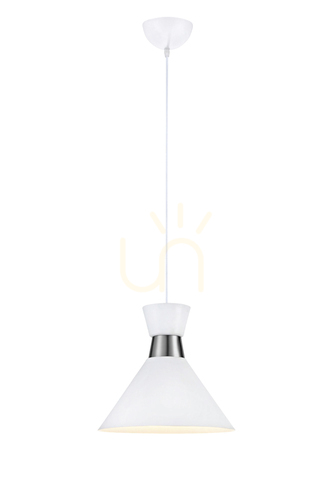
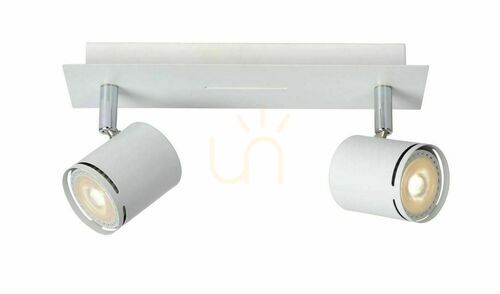
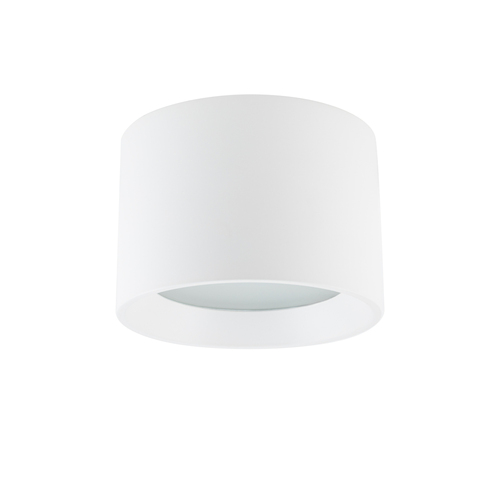
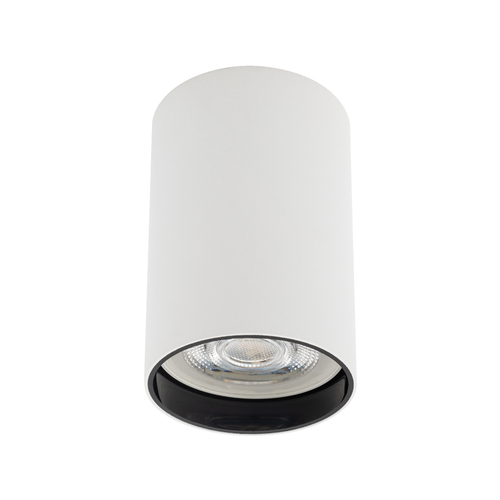
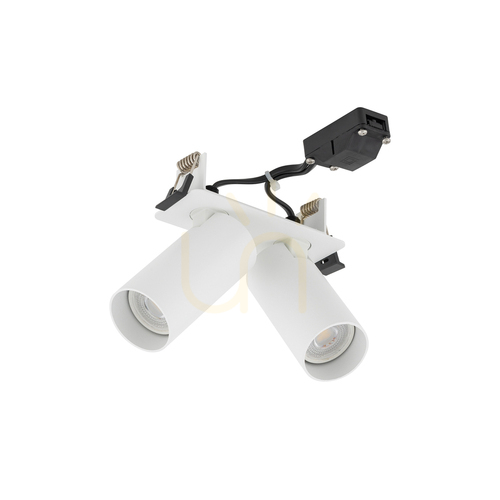
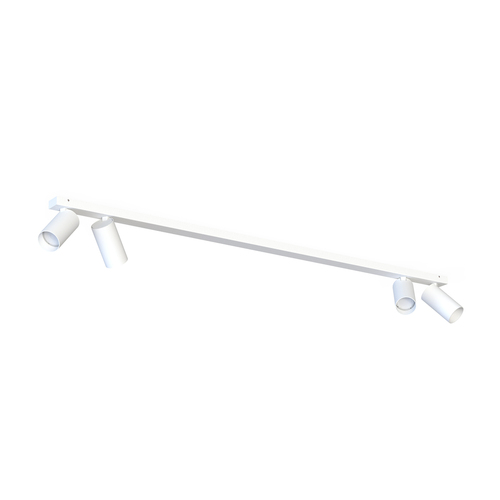
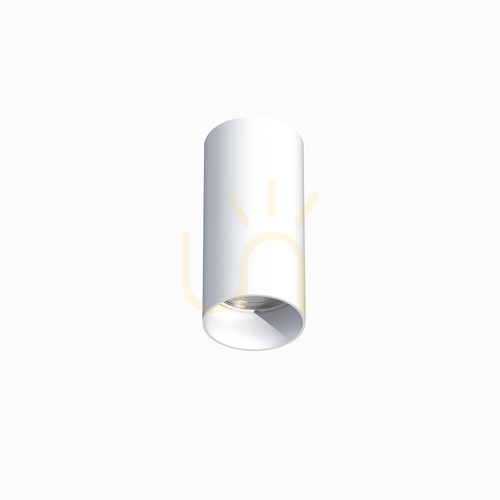
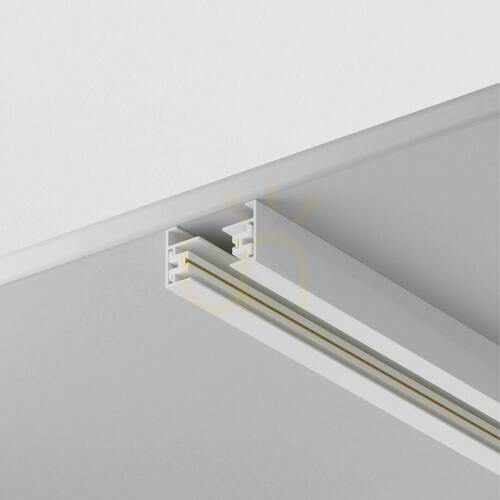
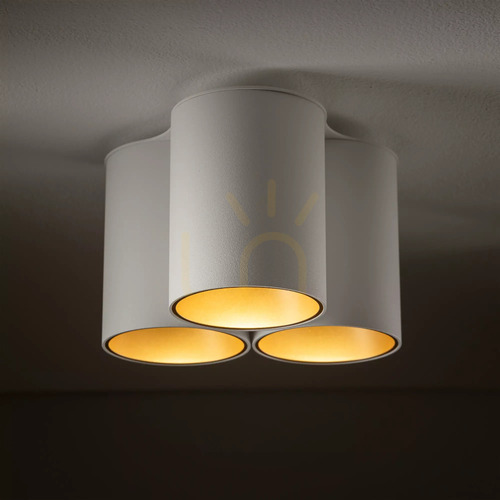
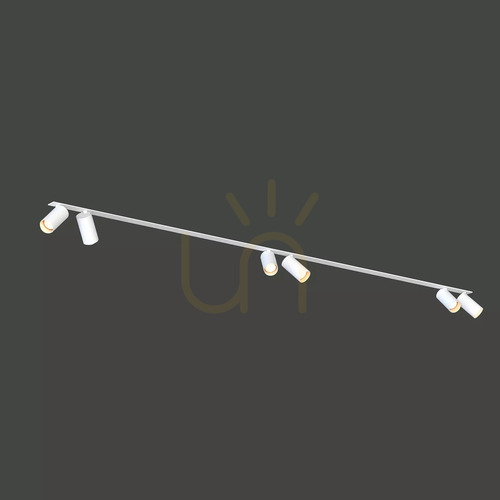
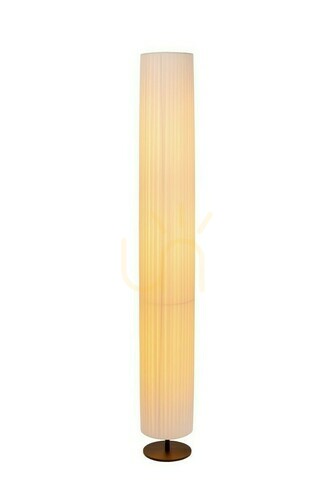
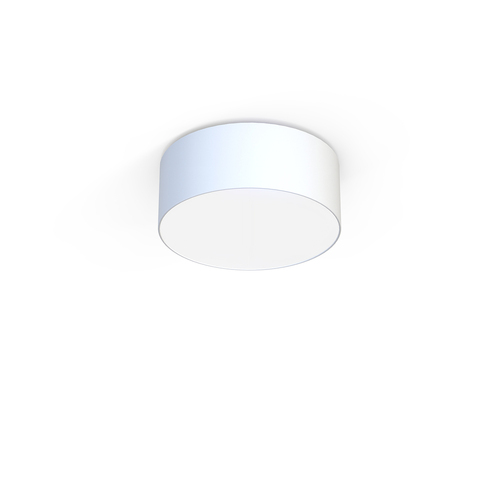
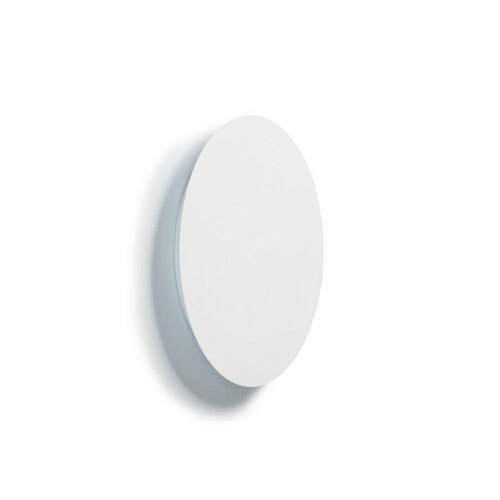
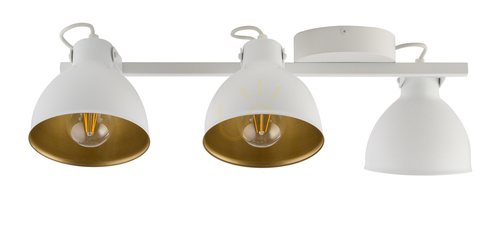
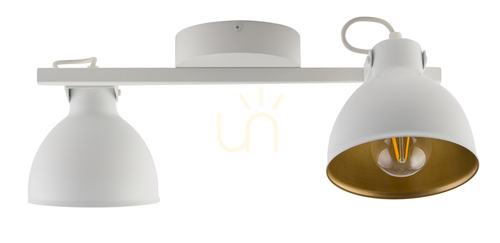
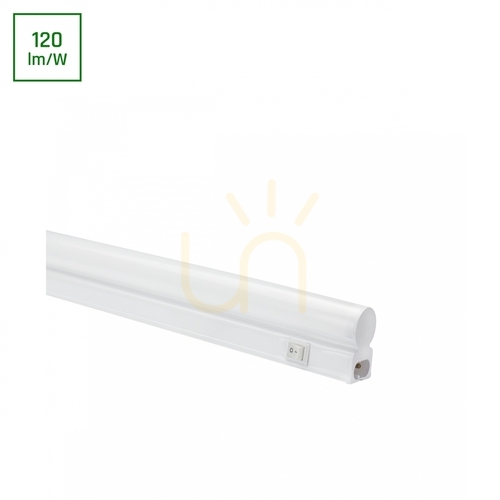
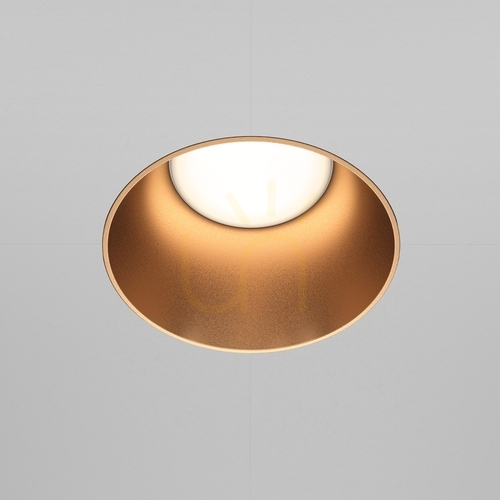
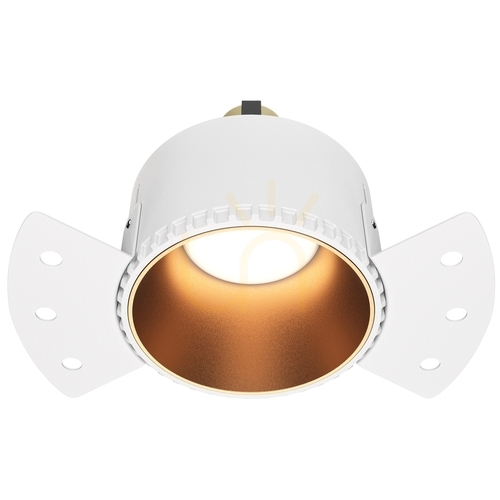
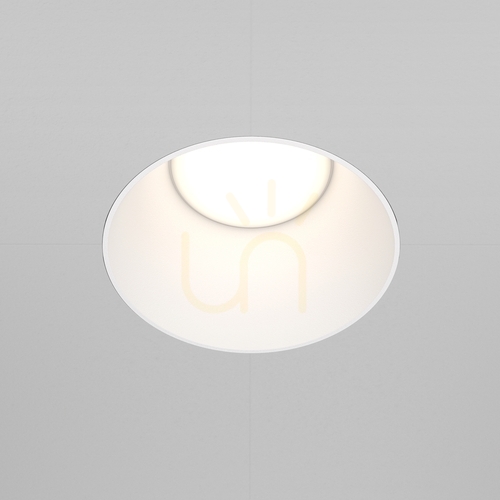
A white lamp is the easiest light to live with: it sits quietly against pale walls and ceilings, and a white shade bounces much of the light back into the room instead of soaking it up. For indoor lighting that applies to every format, from a ceramic table lamp on a sideboard to a flush ceiling light, a wall light or a cluster of pendants over the kitchen island.
The colour here refers to the lamp itself, not to the light it gives. A white fitting can glow warm, neutral or cool depending on the bulb – worth keeping in mind, because searches for “white light” and “white lamps” tend to get mixed up.
Table, floor or ceiling: where white works hardest
Most people searching for a white lamp have a table lamp in mind, and for good reason. A glazed ceramic base with a white linen or cotton drum shade gives a soft, even glow at eye level that no ceiling light can match in the evening. Floor lamps do the same job in a reading corner, while white ceiling lights and pendants handle the general light and simply disappear into a white ceiling.
| Type |
Size or position |
Usual fitting |
Best used for |
| Bedside or table lamp |
roughly 35–60 cm tall |
E27, E14 or B22 bayonet |
bedside reading, side tables, sideboards |
| Floor lamp |
around 140–180 cm |
E27 or integrated LED |
reading chair, dark corners, uplighting |
| Pendant |
hung 75–90 cm above a table |
E27, B22 or integrated LED |
dining tables, kitchen islands, stairwells |
| Flush or semi-flush ceiling light |
shallow, for ceilings around 2.4 m |
integrated LED, E27, GX53 |
bedrooms, hallways, lower ceilings |
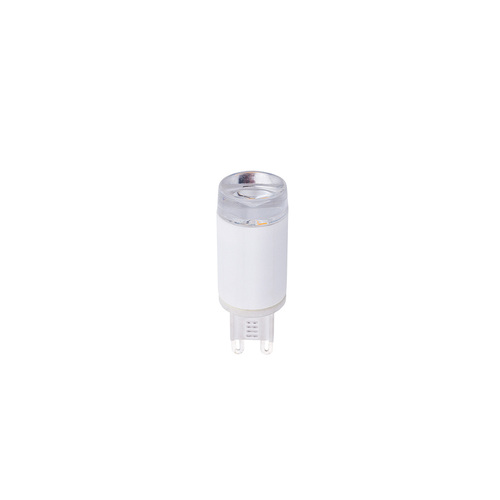
| Wall light |
fixed at about 1.6–1.8 m |
G9, E14 or LED |
hallways, either side of a bed or mirror |
| Spotlights |
roughly 1–1.5 m apart |
GU10 or LED |
kitchens, task lighting, highlighting shelves |
Not all whites are equal
A powder-coated metal shade often reads cool and slightly blue, ceramic looks milky, and fabric or paper turns creamy once the bulb is on. Matt white blends with the ceiling and hides fingerprints; gloss throws highlights and becomes more of a feature; textured white hides small marks but collects dust in its grooves. Opal glass hides the bulb and spreads the light without glare. If the lamp has to sit next to white woodwork or kitchen units, compare it in daylight – a slightly different white beside them can look grey or yellowish.
Bulbs and light colour
The same white shade changes with the bulb. At 2700–3000 K it looks warm and cosy, at 4000 K crisp and neutral, and above 5000 K white starts to look bluish and clinical. Living rooms and bedrooms usually feel best at 2700 K; kitchens and bathrooms can go to 3000–4000 K. Stick to one colour temperature per room, because different whites show up immediately on white surfaces. Many UK homes still use B22 bayonet lampholders, so check the fitting before ordering spare bulbs.
Fitting, safety and care
Plug-in table and floor lamps need nothing more than a socket. Ceiling and wall lights wired into the mains should be fitted by a qualified electrician following BS 7671, especially in bathrooms, where each zone around the bath and shower calls for its own IP rating – IP44 is the usual minimum near a basin. Heavy glass shades need a ceiling fixing that can carry the weight.
To keep white looking white, switch off and let the lamp cool, then wipe it with a damp microfibre cloth and a drop of mild washing-up liquid. Avoid solvents and cream cleaners on painted metal. Opal glass can be washed by hand, fabric shades cleaned with a lint roller or a soft brush attachment, and paper only dusted dry. Cooking fumes and smoke turn white fabric grey over time, so a kitchen pendant is better in glass or metal.
Frequently asked questions
Which white lamp suits a living room?
Layer it: a ceiling light or pendant for general light, a floor lamp by the sofa and one or two table lamps for the evening. Around 100 lm per square metre covers general lighting; the rest is about mood.
Is a white bedside lamp a good idea?
Yes, especially with a fabric shade that hides the bulb from where you lie. Look for a warm 2700 K bulb and a shade wide enough to throw light onto the page rather than into your eyes.
What makes a white lamp look luxurious?
Material and proportion: heavy glazed ceramic, real linen, opal glass and a shade in scale with the base. A white lamp with brass, marble or wood details usually reads more expensive than an all-plastic one.
How big should an extra-large white table lamp be?
On a console or sideboard, a lamp of 70 cm or more can hold its own, as long as the bottom of the shade sits close to eye level when you are seated so the bulb is not on show.
Do white lampshades go yellow?
Glass, porcelain and good powder coating keep their colour. Cheaper plastics and some fabrics can yellow with sunlight and heat; LED bulbs run far cooler than old incandescents, which helps.
Will a large white ceiling shade work with a low ceiling?
With ceilings around 2.4 m, choose a flush or semi-flush shade, or keep a pendant high enough to leave about 2.1 m of headroom underneath where people walk.
For more on choosing light fittings room by room, start with indoor lights; if the white lamp is meant for the bedroom, read on about white bedside lamps.