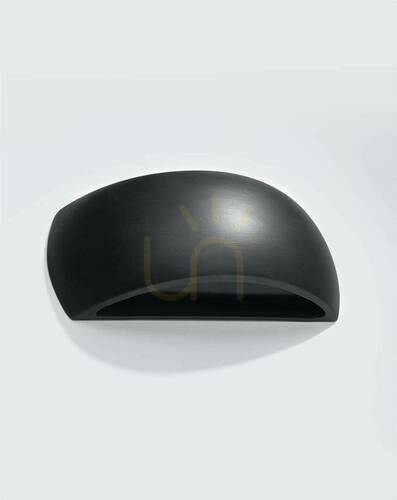
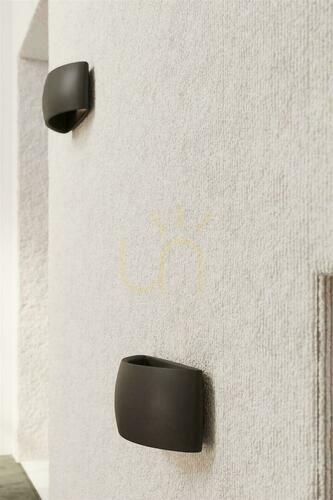
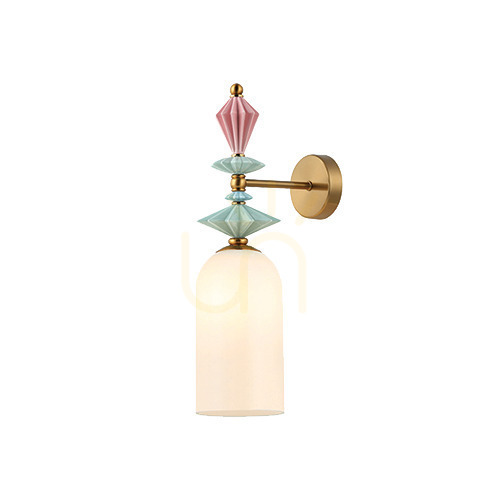
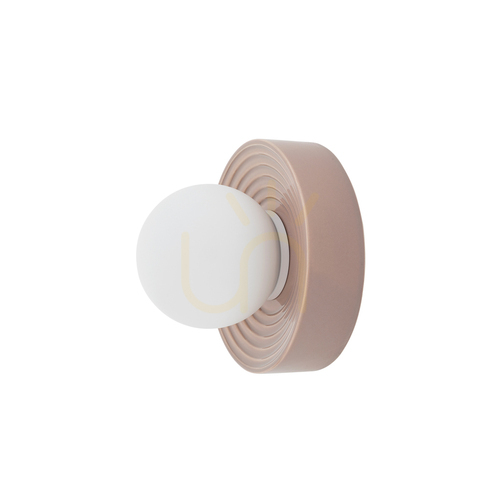
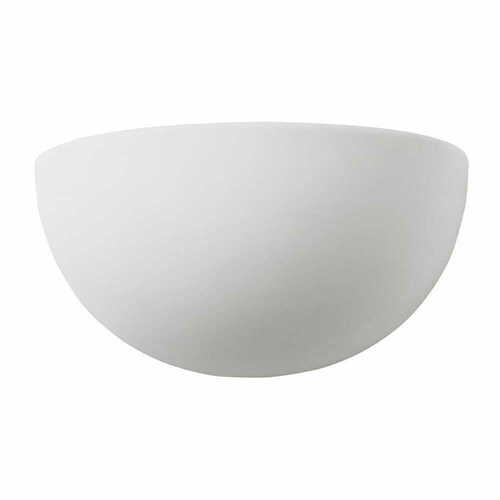
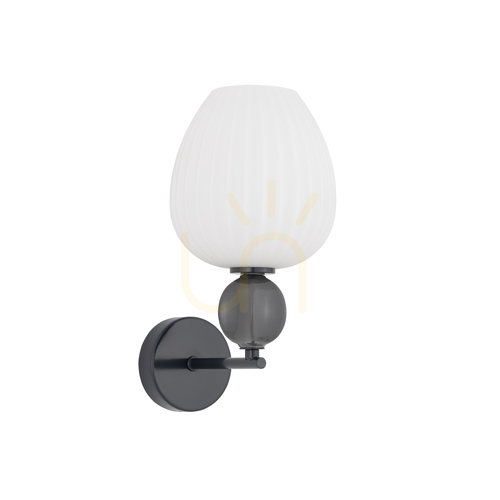
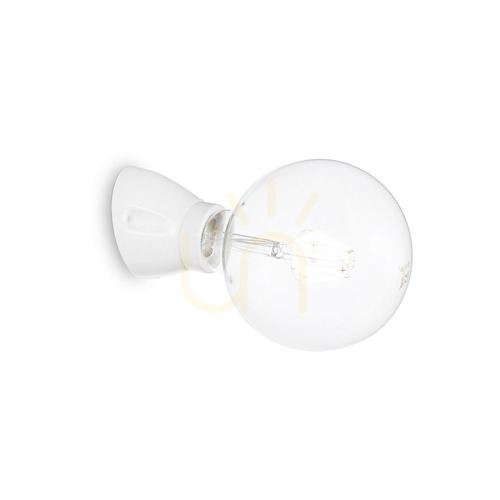
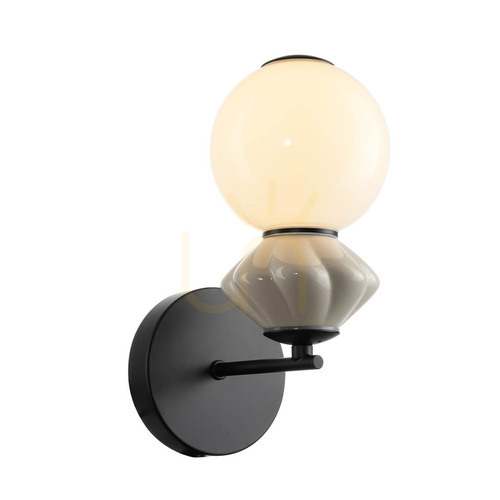
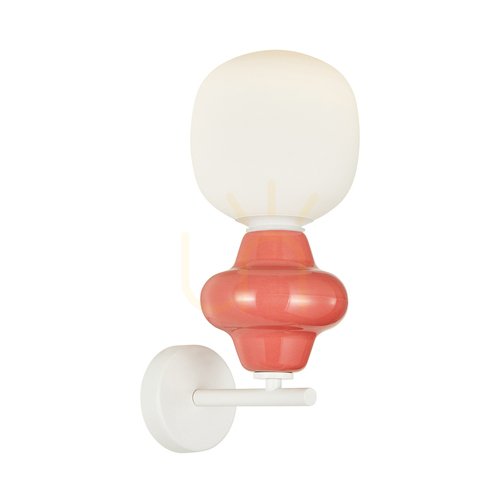
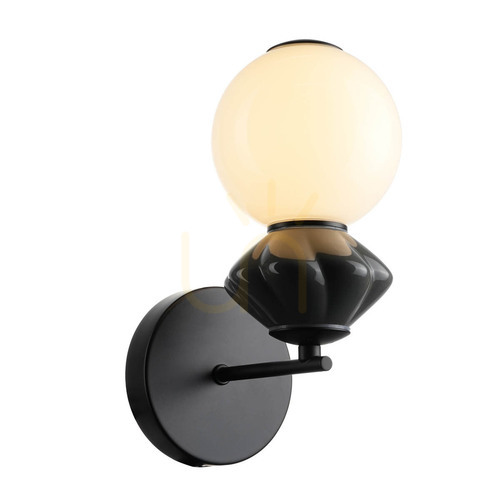
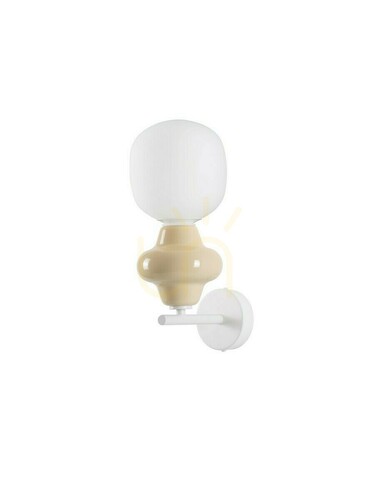
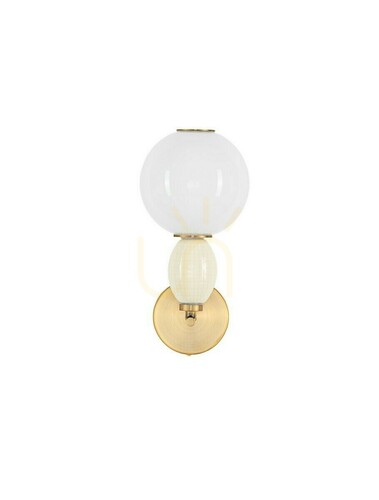
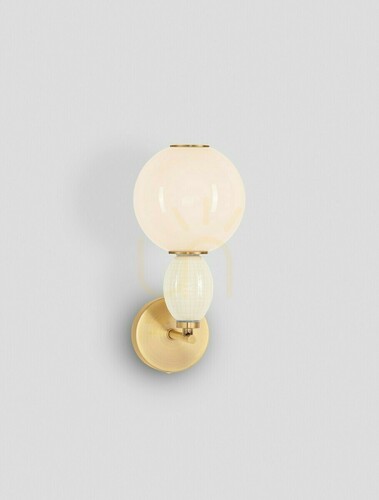
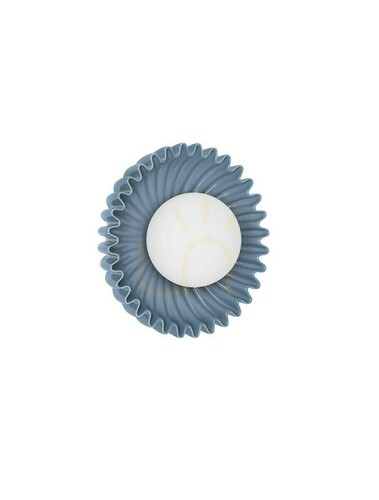
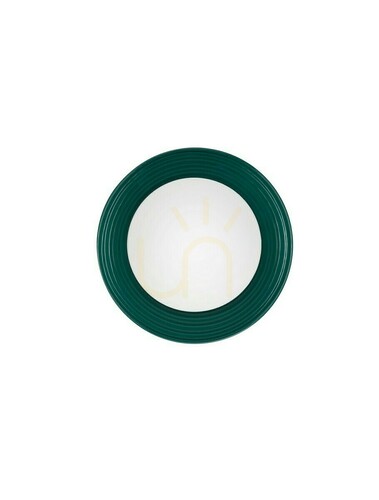
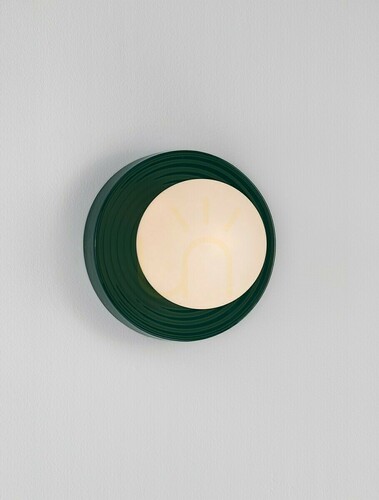
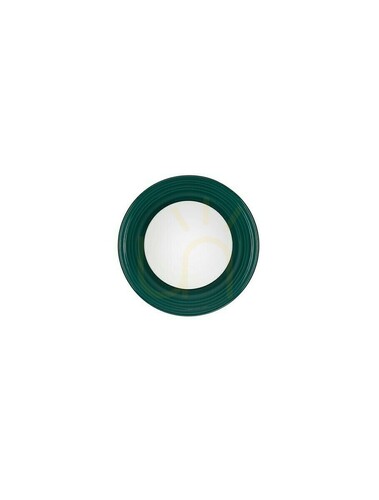
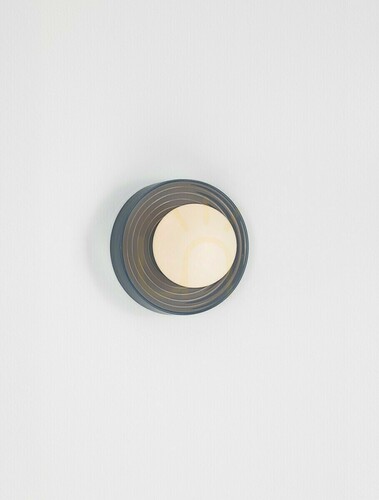
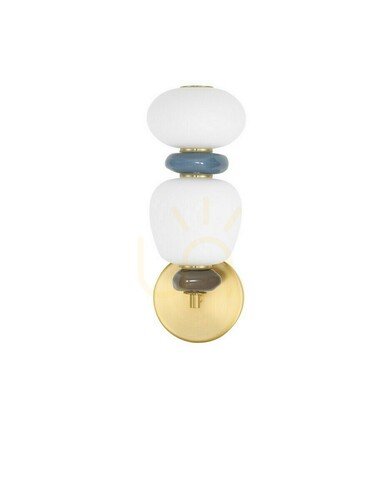
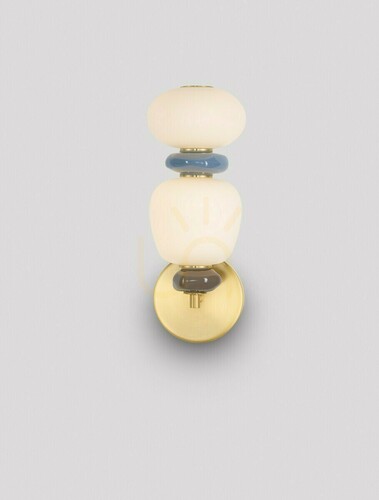
Ceramic wall lights behave differently from metal and glass ones, and the difference is worth knowing before you buy. Fired clay is thick, slightly translucent at the edges and never quite identical piece to piece — so the light it gives is softer, the weight is higher, and two fittings from the same batch may not be twins.
Glazed or raw
A glaze is a layer of glass fired onto the clay. Gloss glaze reflects, bounces light around the shade and wipes clean in seconds. Matte glaze absorbs a little and gives the quiet, chalky look most people are actually after. Unglazed bisque is the third option: porous, paintable with ordinary emulsion, and the one to choose when you want the fitting to vanish into the wall colour. Bisque marks more easily, so keep it away from a hob or a hallway where hands find it.
Handmade means each one differs
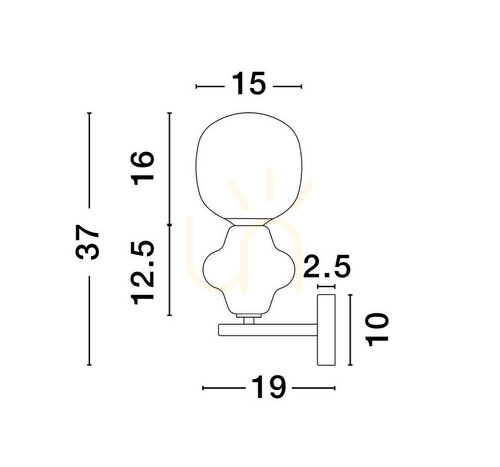
Clay shrinks in the kiln, by anywhere from 5 to 15 percent depending on the body, so dimensions on ceramic fittings are nominal rather than exact. Glaze pools where the form curves and thins at the rim, which is why one shade looks deeper in colour than the next. Fine surface crazing in a glaze is a normal ageing effect, not a crack. If you are mounting a symmetrical pair either side of a bed, expect a visible difference between them and hang them anyway — that variation is the reason to buy ceramic in the first place.
Weight, fixings and heat
A ceramic shade weighs several times what an equivalent metal one does. On a solid wall that is irrelevant; on plasterboard it means proper cavity anchors rather than the plugs in the box, and a backplate wide enough to spread the load. Ceramic tolerates heat well, but the lampholder inside does not — stay within the wattage marked on the fitting, and prefer LED, which keeps the whole assembly cool enough for the glaze not to matter.
Where ceramic works, and where it does not
It is at its best in bedrooms, on a landing, beside a fireplace and in any scheme built on plaster, linen and wood. Fired ceramic itself is unbothered by damp, which is why it turns up in bathroom schemes — but the rating of the complete fitting, not the material, decides whether it may go there. The place to avoid is a narrow corridor at shoulder height: a thick clay rim chips against a doorframe and cannot be touched up like paint.
Frequently asked questions
Can ceramic wall lights be painted?
Unglazed bisque can, with ordinary emulsion. Glazed ceramic cannot be painted reliably — paint sits on the glass surface and peels.
Do ceramic shades block the light?
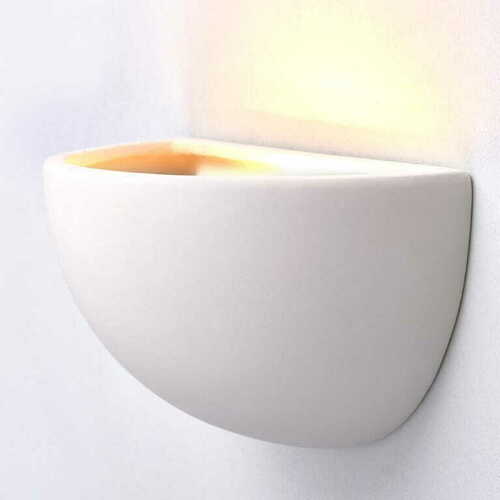
They direct rather than block it. Thick walls push the light up and down out of the open ends, and thin edges glow slightly. Expect a defined beam, not a lantern.
Is a hairline mark in the glaze a defect?
Crazing — a fine web in the glaze layer only — is normal in many glazes. A crack running through the clay body is not.
Which bulb suits a ceramic wall light?
Whatever the holder takes, at 2700 K. Since the shade is opaque, output matters more than diffusion: a frosted lamp is fine, and a decorative filament is wasted inside.
The same handmade look continues in Table Lamps, and for the overhead layer there are Pendant Lights.