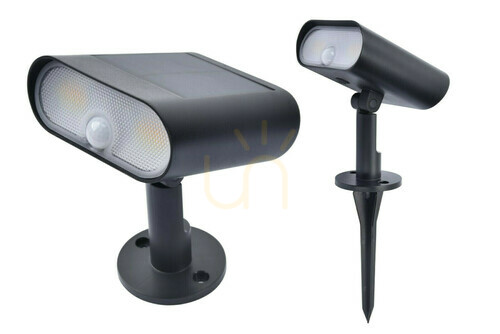
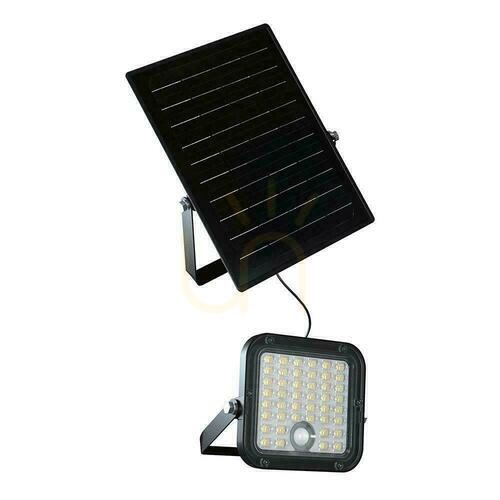
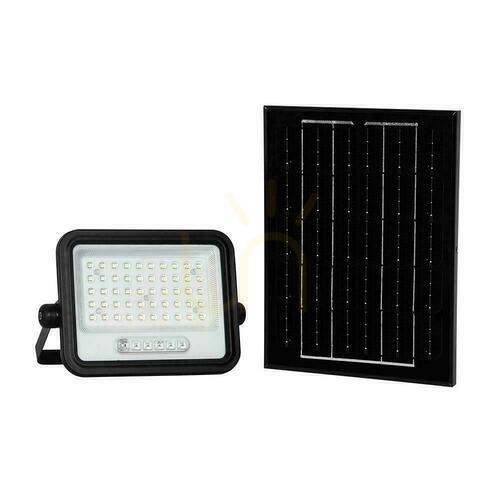
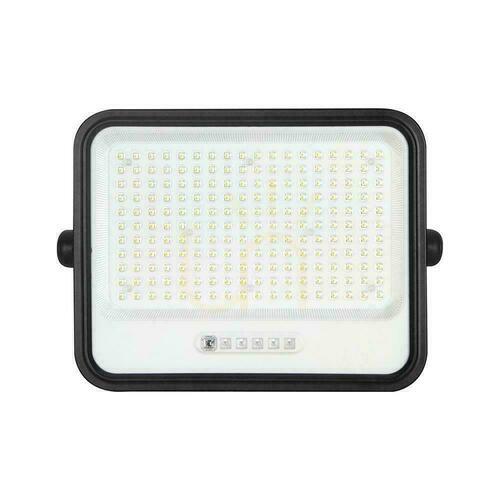
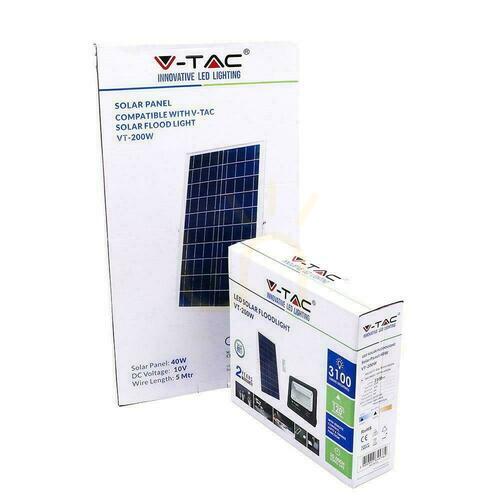
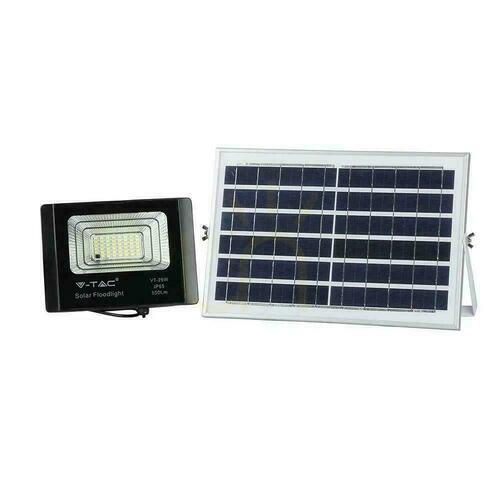
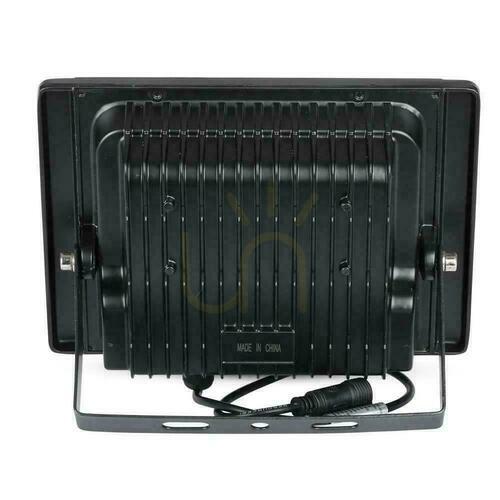
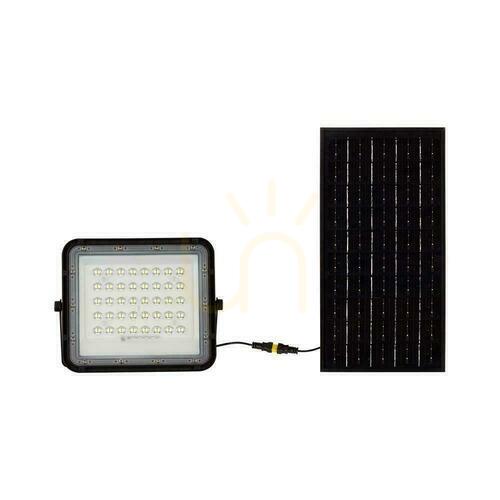
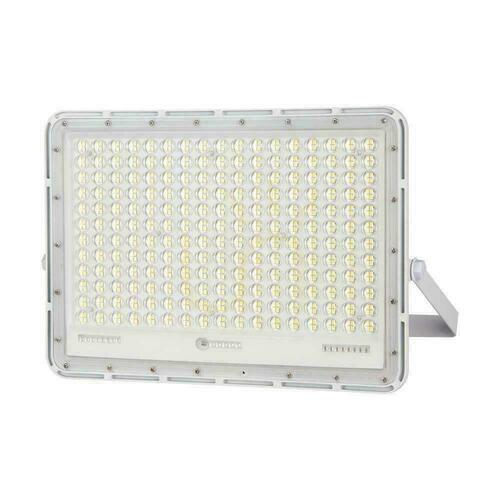
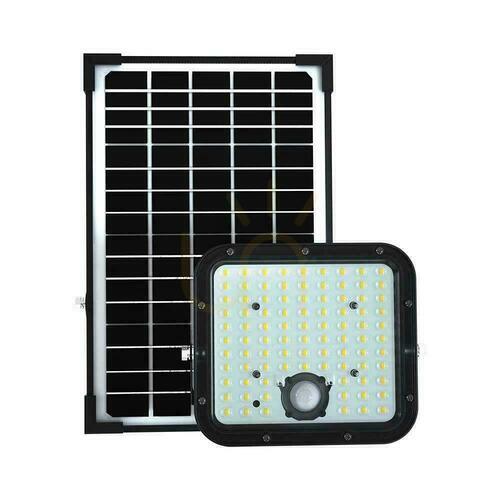
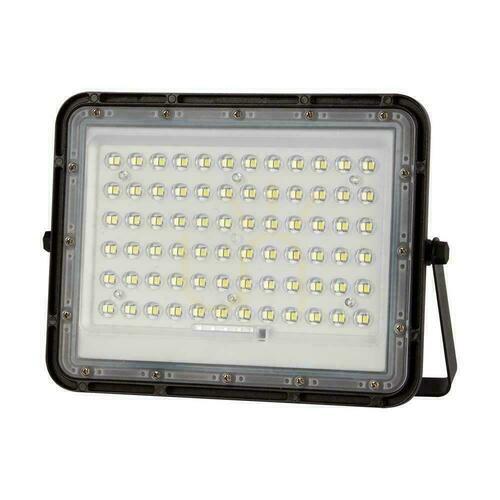
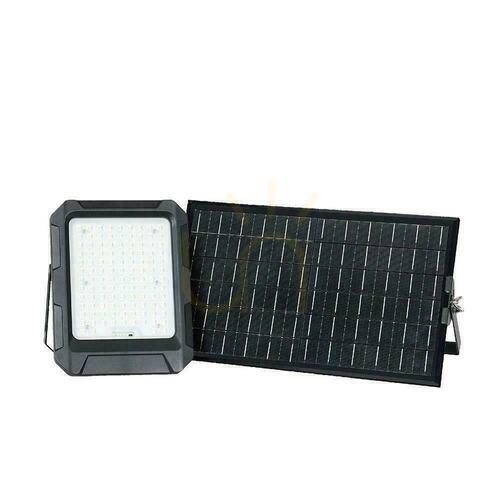
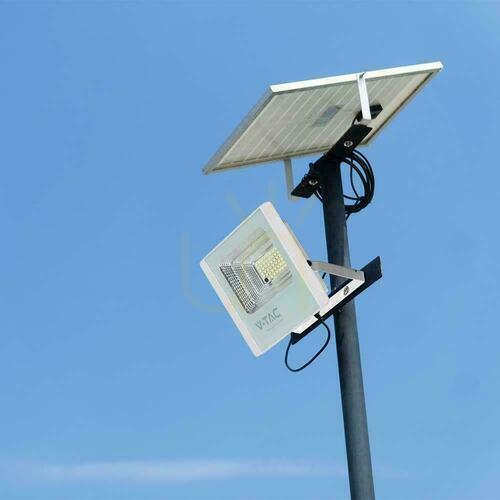
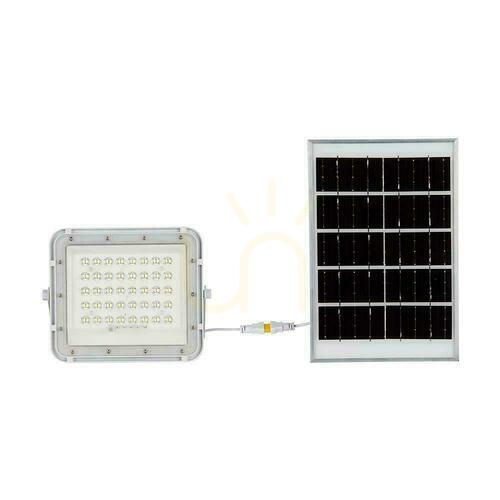
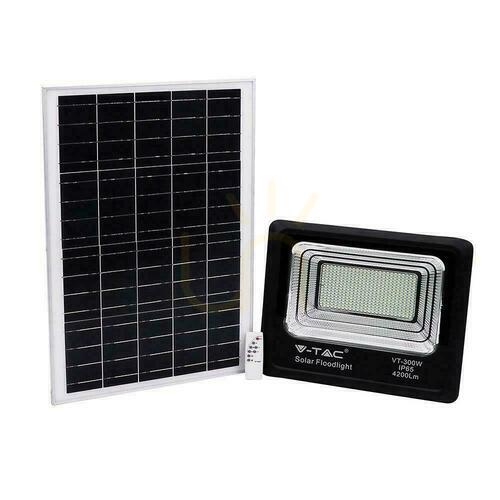
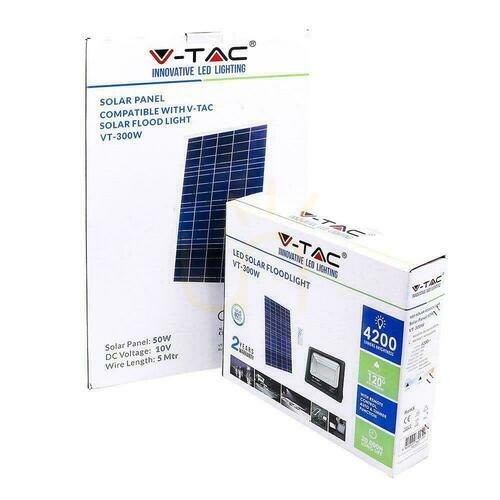
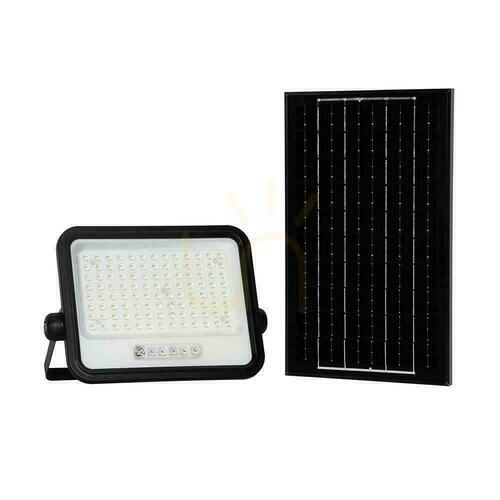
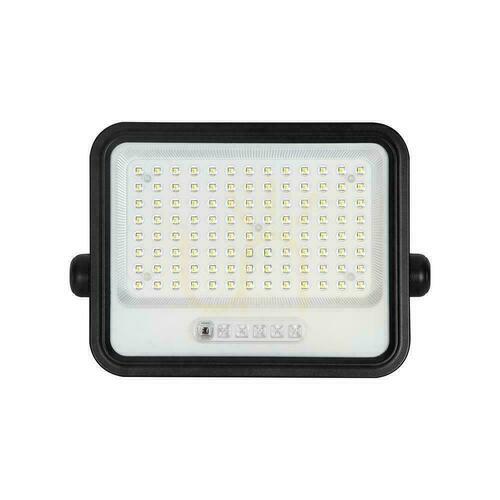
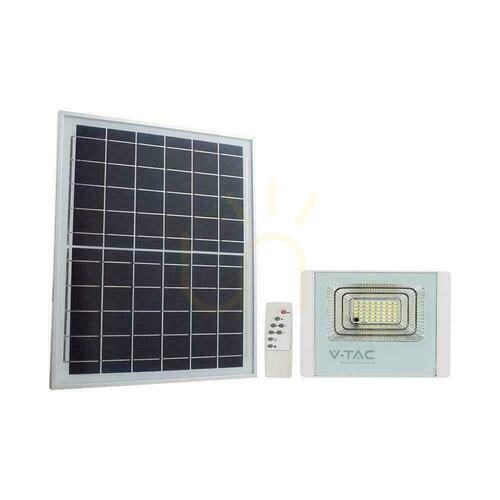
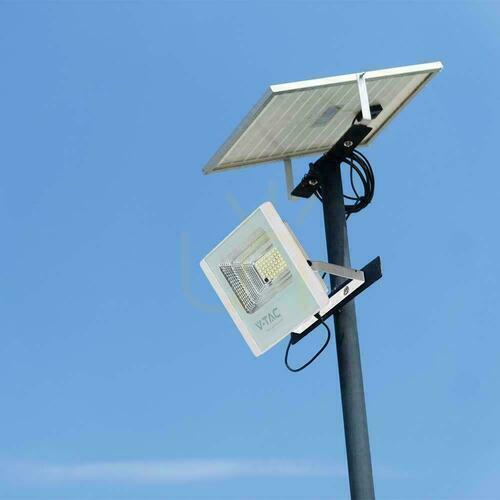
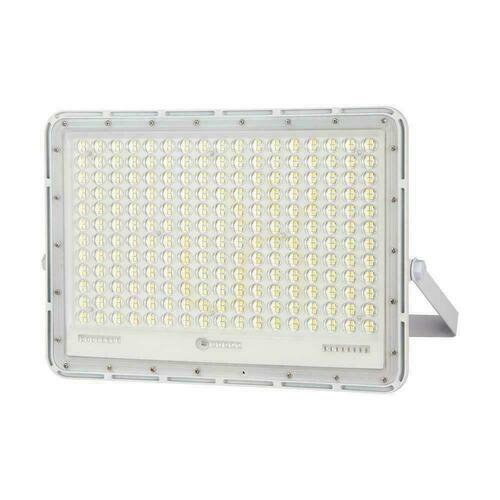
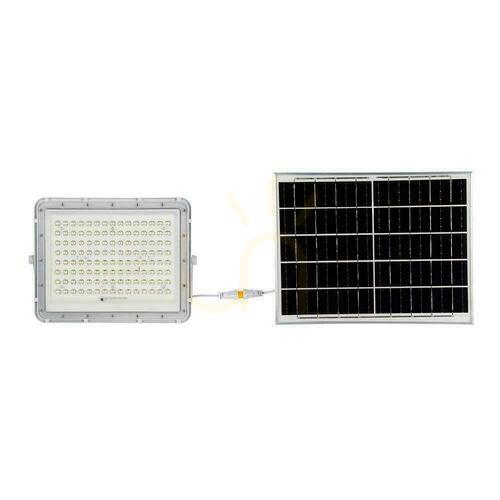
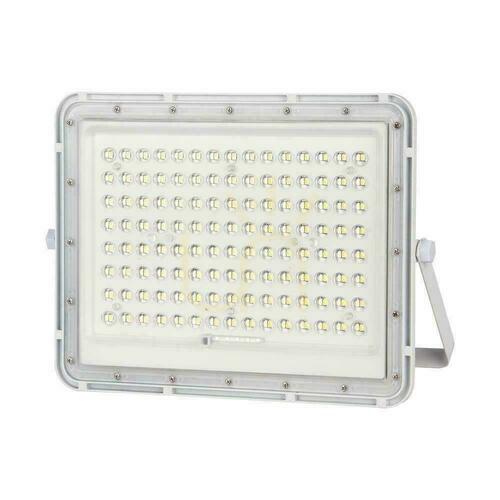
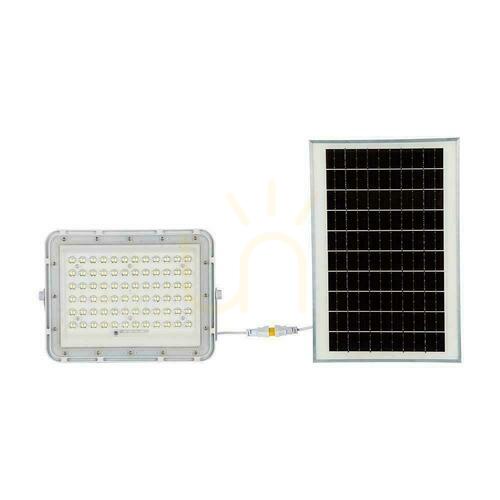
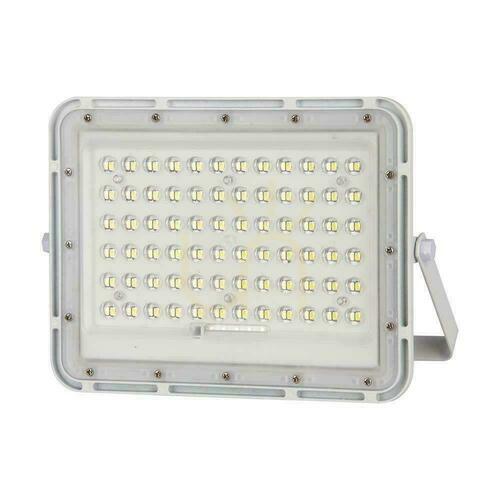
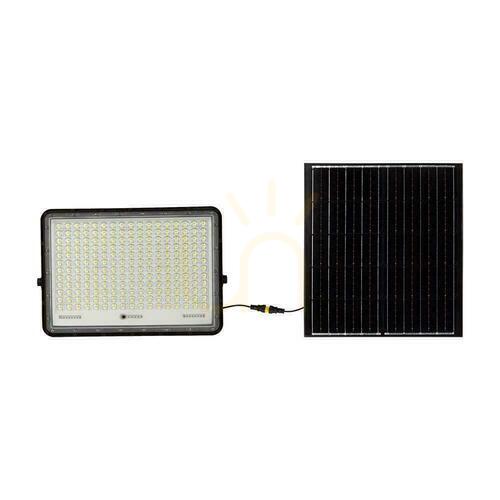
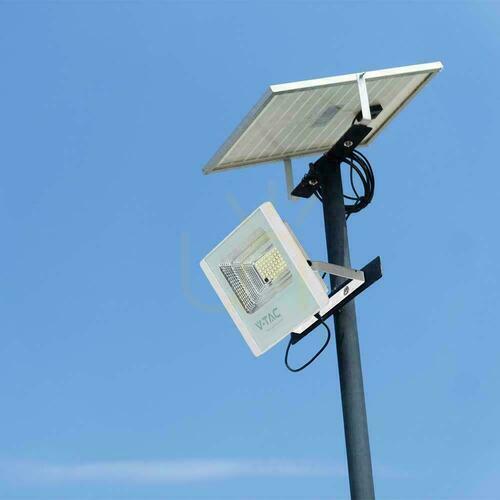
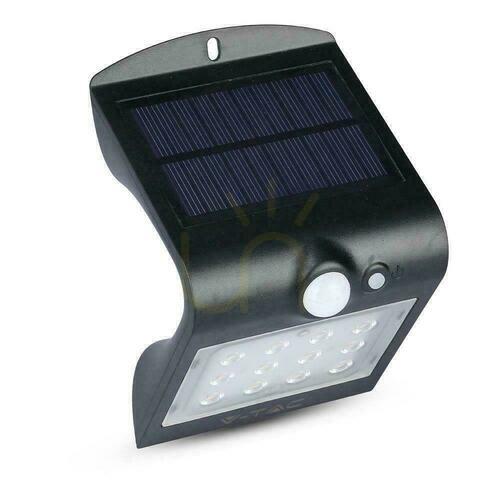
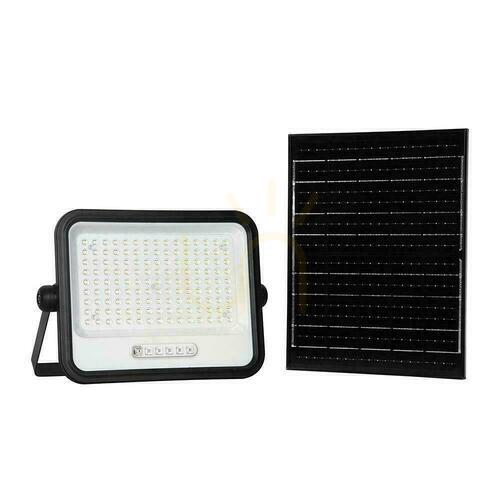
A solar security light is an outdoor spotlight or floodlight with its own photovoltaic panel and battery: it charges in daylight and switches itself on after dark, with no mains cable at all. That makes it the easy answer for a side gate, a shed, a garage corner or a back fence where running a supply would mean digging up the garden.
Going solar changes how you judge a spotlight. Brightness and run time no longer depend on the wiring but on how much sunlight the panel catches, so the panel’s position, the lighting mode and the motion sensor matter more than the wattage printed on the box.
Security floodlight or garden spotlight?
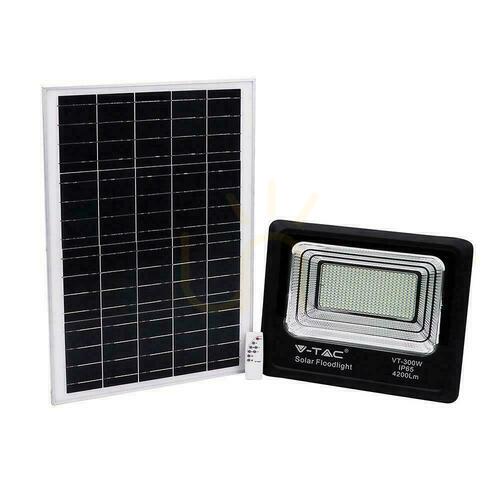
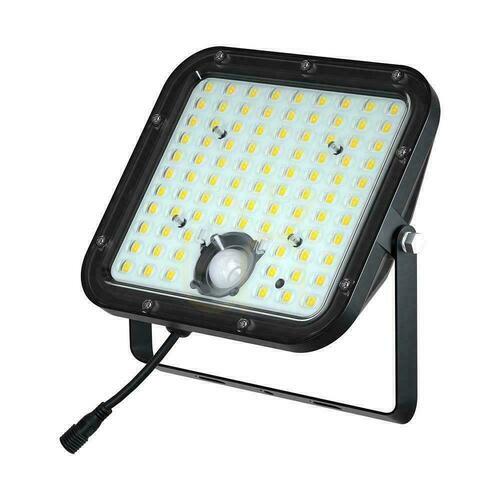
Solar outdoor spotlights fall into two broad camps. Wall-mounted security lights sit above a door, beside a driveway or on the corner of a building. Most have a PIR motion sensor and put out anything from a few hundred to well over 2,000 lumens, but only for a short burst after they detect movement. Their job is to show you the keyhole and make an intruder think twice.
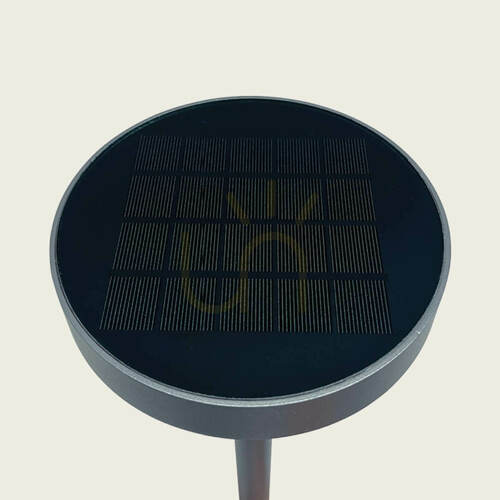
The second camp is small garden spotlights on a ground spike, used to wash light up a tree, a hedge or a stretch of brickwork. They tend to give a few dozen to around 250 lumens, often stay on all night at low power, and sometimes come as sets of two, three or more heads running off one panel.
Choosing the right one
| Spec |
Typical figures |
What it means in practice |
| Brightness |
front door or side path 800–1,000 lm; driveway or open garden 2,000 lm and up; accent lighting 20–250 lm |
compare lumens, not watts |
| PIR detection |
usually 5–8 m, angle around 100–120° |
mount at roughly 2–2.5 m for best coverage |
| Time on after trigger |
adjustable, roughly 30 seconds to 2 minutes |
shorter settings stretch the battery |
| Panel |
built in, tilting, or remote on a lead of a few metres |
remote panels rescue north-facing or shaded walls |
| Weatherproofing |
IP44, IP54, IP65 |
IP44 under a porch or eaves; IP65 for a fully exposed wall |
| Battery |
usually lithium-ion, rated in mAh |
a bigger battery copes better with a run of grey days |
Many lights offer three modes: off until motion, then full brightness; a dim glow all night that jumps to full power on motion; or a steady low light. Some add a remote control, a timer or a choice of warm and cool white.
Getting the panel position right
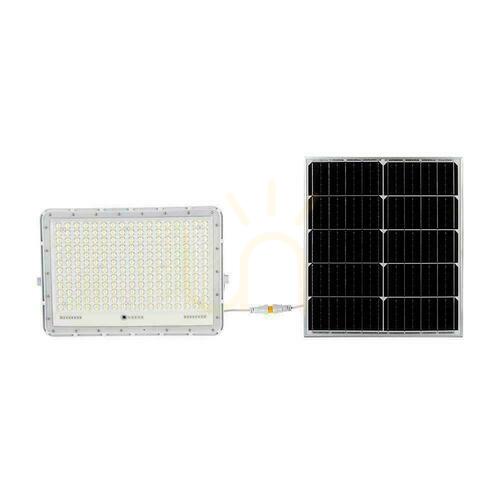
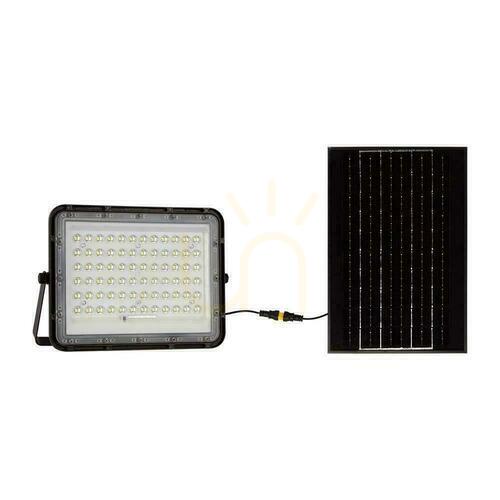
Everything hinges on the panel. Face it south if you can, keep it clear of trees, gutters and overhanging eaves, and avoid north-facing walls entirely for an integrated unit. If the light has to go somewhere shady, such as under a carport or on the north side of the house, choose a model with a remote panel: fix the lamp where you need the light and run the lead round to a sunny spot. A tilting panel set fairly steeply catches more of the low winter sun and sheds rain and leaves more easily.
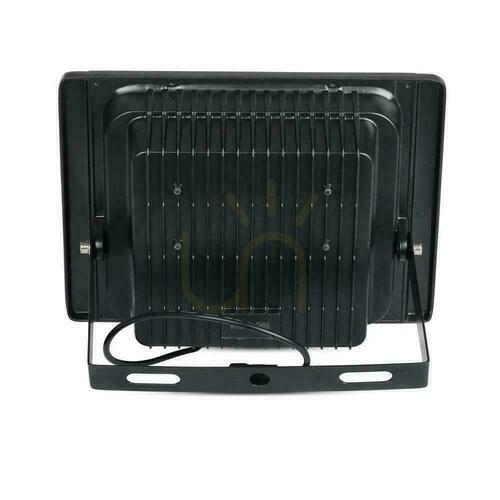
Because there is no mains connection, fitting is a drill-and-wall-plug job you can do yourself, with no electrician needed. Point the PIR at the area people walk through rather than the pavement or the road, or passing cars and pedestrians will trigger it and drain the battery. For steep steps or anywhere the light really has to work every night of the year, a mains-powered fitting remains the safer bet.
Winter, weather and upkeep
British winters are the real test. Short days, low sun and long spells of overcast sky mean a December charge is a fraction of a June one. Motion-only mode is what keeps a solar security light useful through those months, because it draws power for seconds rather than hours. Wipe the panel every few weeks to clear grime, pollen and bird droppings, and brush off snow when it settles.
The LEDs will outlast the battery by years, so check whether the battery can be replaced before you buy. If you take the light down for a long spell, store it with the battery about half charged and top it up now and then, as a fully flat lithium cell can be damaged for good. A dead unit counts as electrical waste and belongs at the recycling centre, not in the bin.
Frequently asked questions
Are solar-powered security lights any good?
For gates, sheds, side passages and driveways used a few times a night, yes. They cost nothing to run and go up in minutes. Where you need bright light all night, every night, mains still wins.
What’s the brightest solar security light?
Larger floodlight-style models with a separate panel can exceed 2,000 lumens, and a few go well beyond. Brightness that high only works with a big panel in full sun, so check the panel size and battery capacity alongside the lumen figure.
Do solar security lights work in winter?
They do, but with less stored energy. Use motion-only mode, keep the panel clean and sunny, and expect shorter run times during dull weeks.
Do solar lights charge on cloudy days?
Yes, though much more slowly. After several grey days the light may run for a shorter time or at lower brightness until the sun returns.
How long does a solar security light stay on?
Each trigger keeps it lit for the time you set, typically 30 seconds to 2 minutes. On a full charge, motion-only mode can last several nights.
What is the best outdoor solar security light?
The one matched to its spot, not the one with the biggest number on the box. Check four things: a lumen figure that suits the area, an IP65 housing for an exposed wall, a PIR whose on-time and sensitivity you can adjust, and a panel that can sit in proper sun, on a lead if the wall itself is shaded. A replaceable battery is worth having as well, because the battery decides how many winters the light will see.
For outdoor spotlights of every kind, see outdoor spot lights; if there is a supply on the wall, compare with LED floodlights with motion sensor.