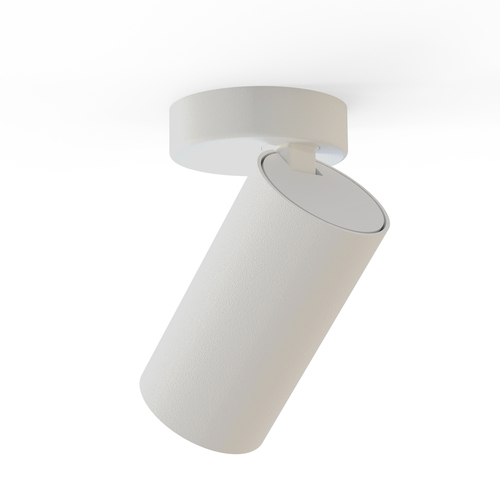
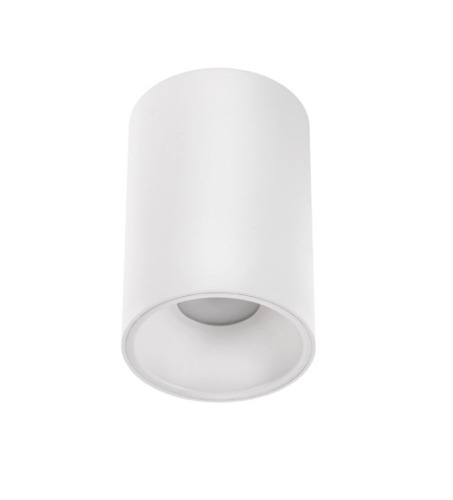
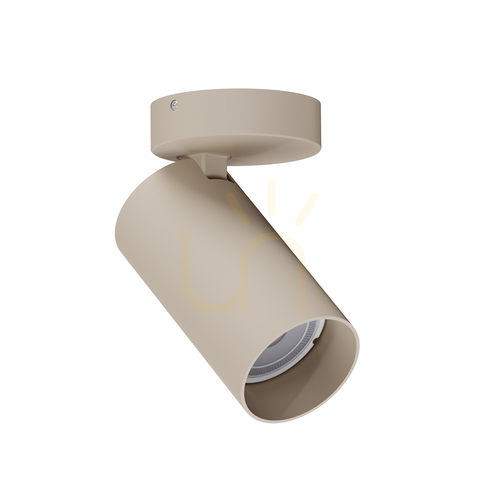
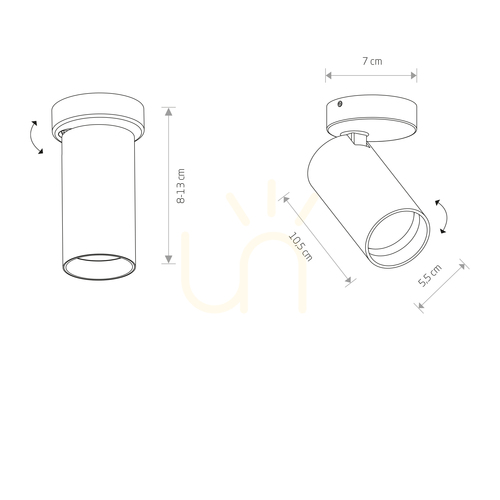
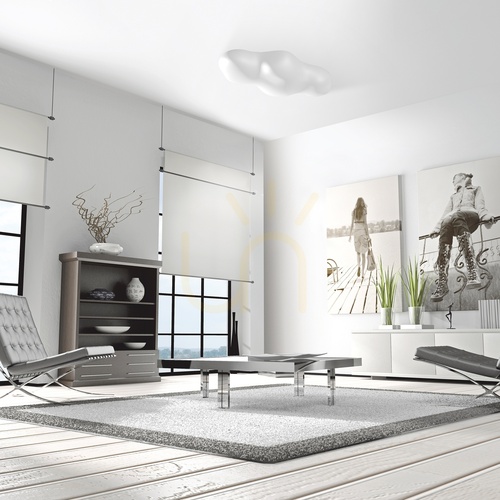
The right sloped ceiling light is one that still points downwards once it is fixed to an angled surface – onto the bed, the desk or the floor rather than along the pitch. So when you choose ceiling lights for a loft room or a vaulted ceiling, the fixing comes first: a swivel canopy, an adjustable head or a sloped ceiling adapter. The shade, finish and style follow.
Screw an ordinary flush fitting flat onto a slope and you get light thrown sideways, glare for anyone sitting underneath and a dark strip along the eaves. Rooms under the roof simply need fittings designed for them.
What type of lighting is best for a sloped ceiling?
There is no single answer, because a loft conversion has several different ceiling heights in one room. Most designers combine a few of these:
-
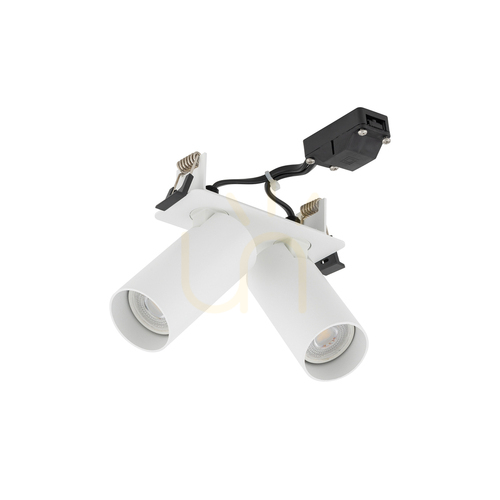
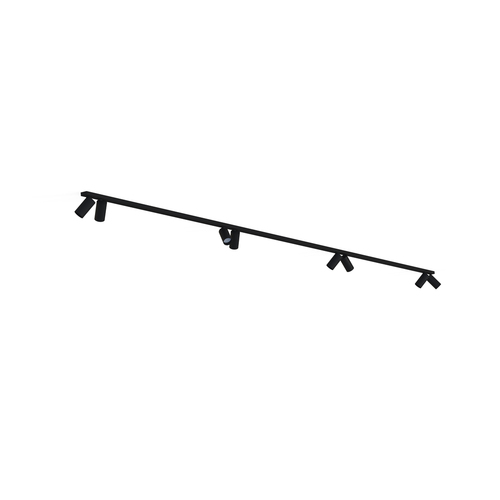
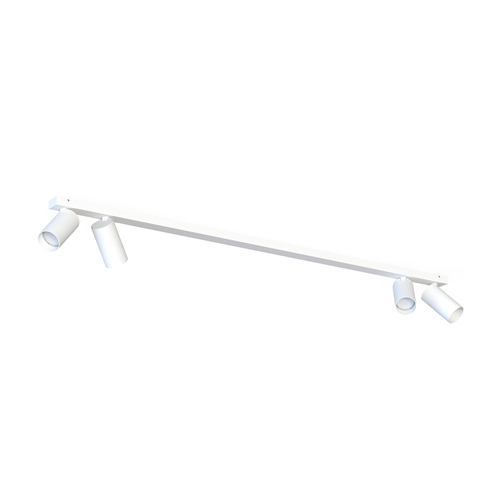
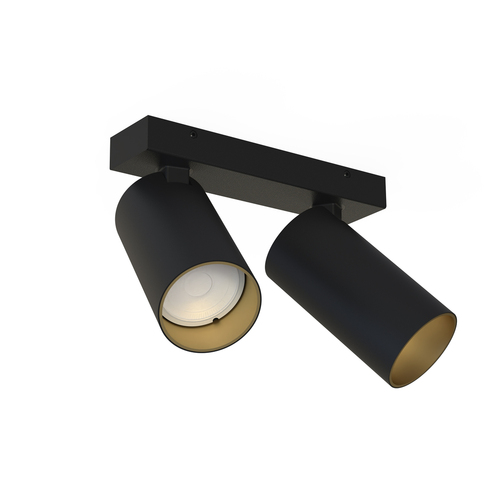
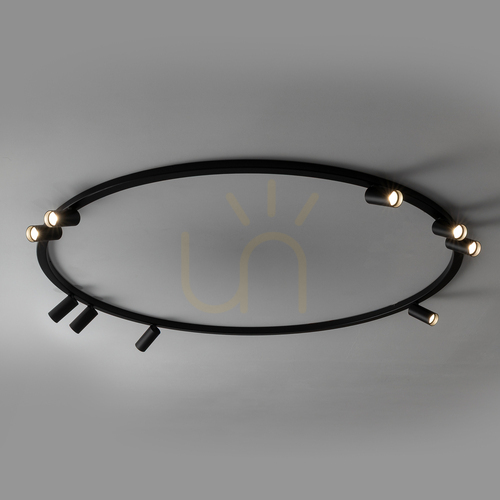
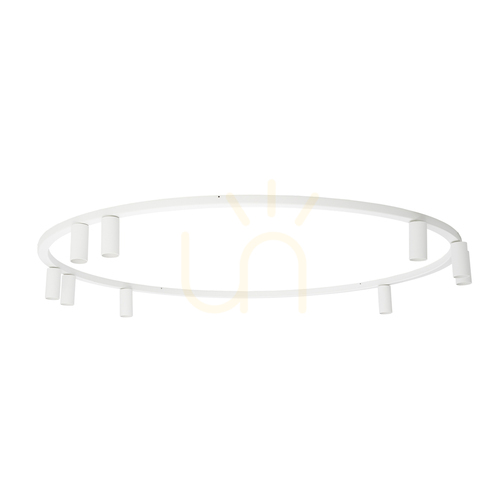
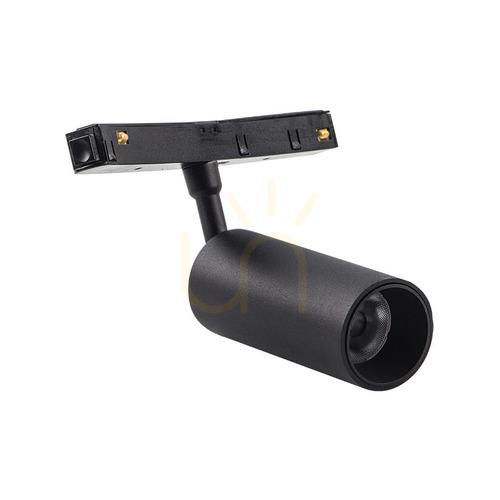
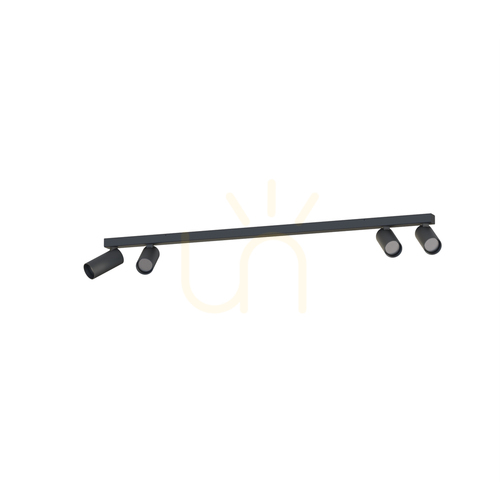
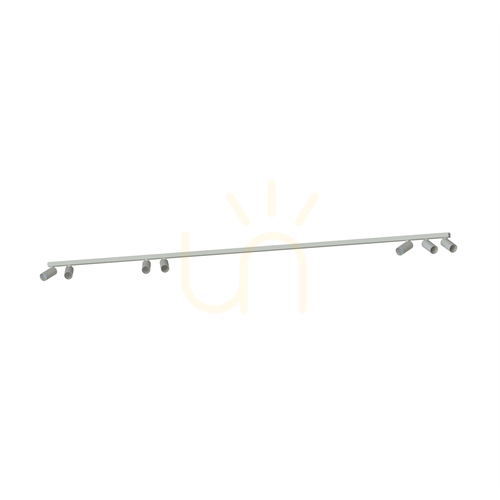
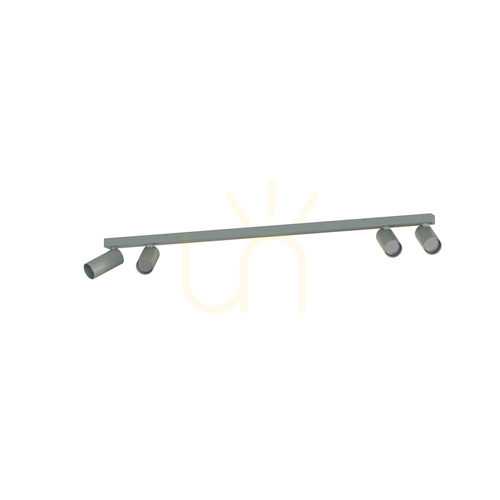
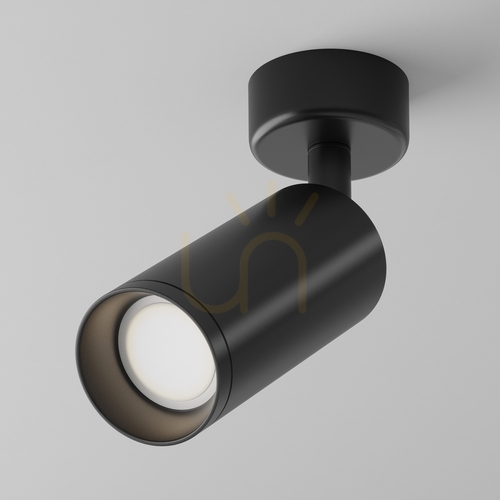
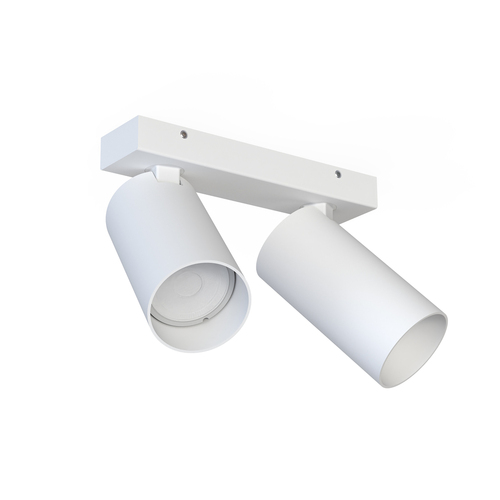
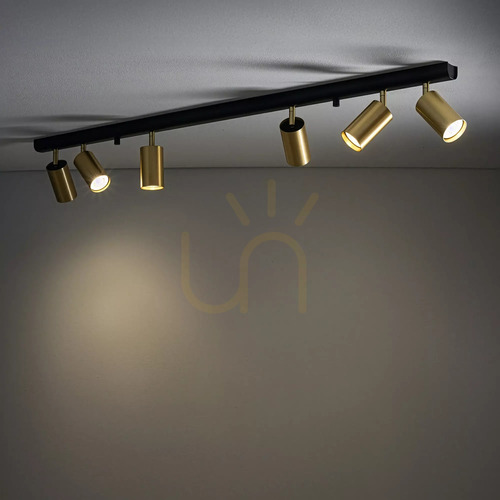
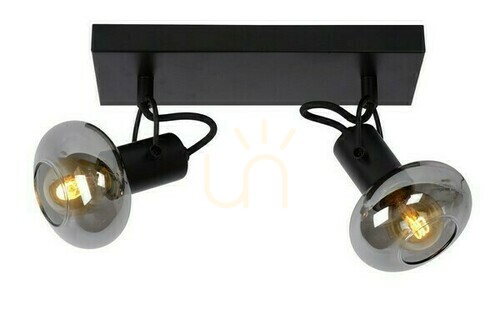
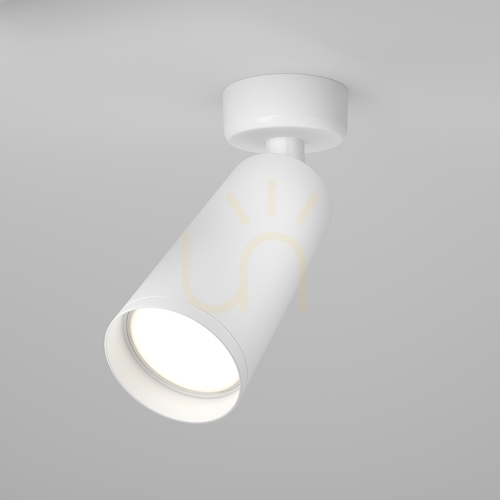
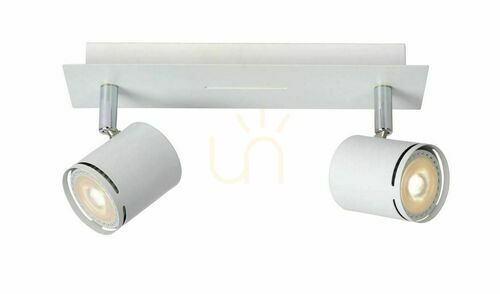
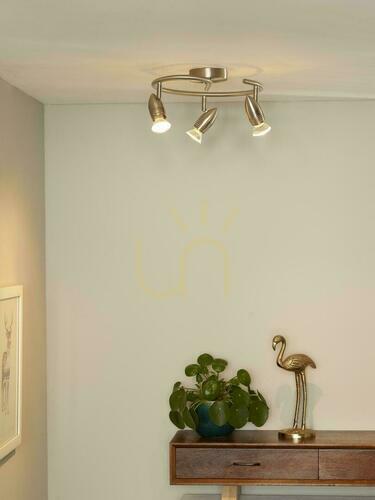
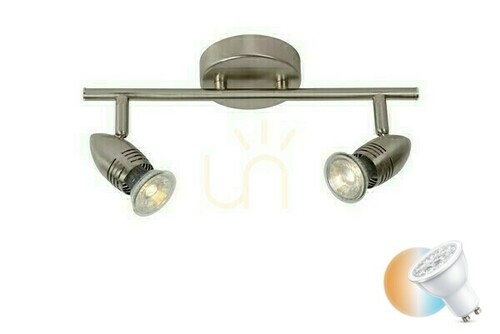
Adjustable spotlights – single spots or bars with two to six heads, fixed straight onto the slope and angled down or towards a wall. Flexible, easy to fit and forgiving of awkward pitches.
-
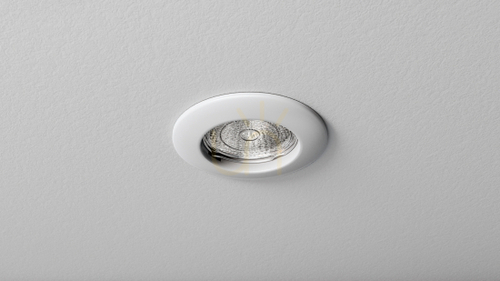
Tilting downlights – recessed into the plasterboard with a gimbal ring that corrects the angle. Fixed downlights work only on flat or gently sloping sections.
-
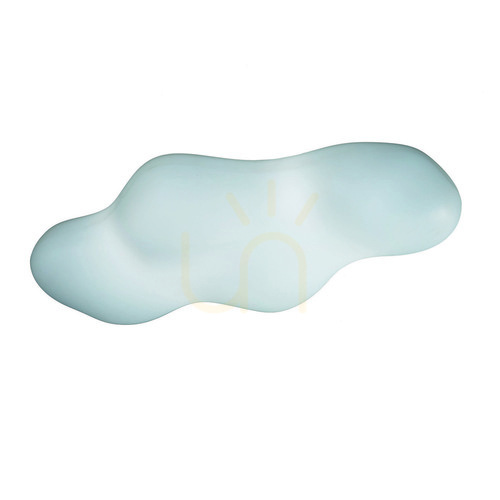
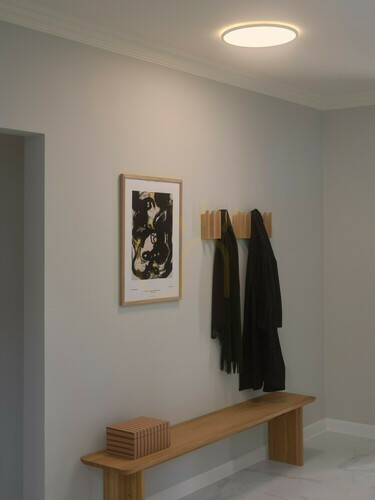
Angled flush and semi-flush fittings – a base that compensates for the pitch keeps the body level. Plain flat panels suit only shallow slopes; on steep ones they glare.
-
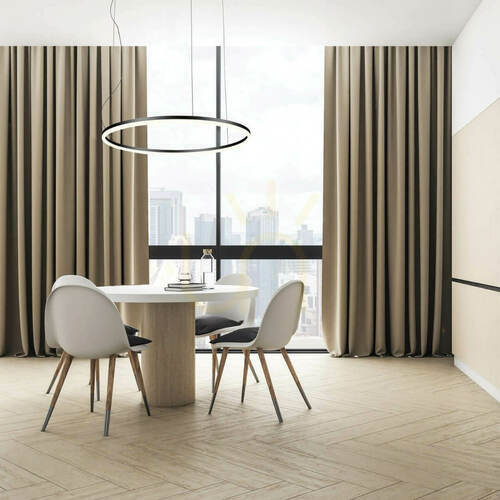
Pendants with a sloped ceiling canopy – the swivel lets the flex hang plumb. Avoid pendants on a rigid rod: their canopies are made for flat ceilings.
-
Track and wire systems – several heads from one supply point, easy to reposition later.
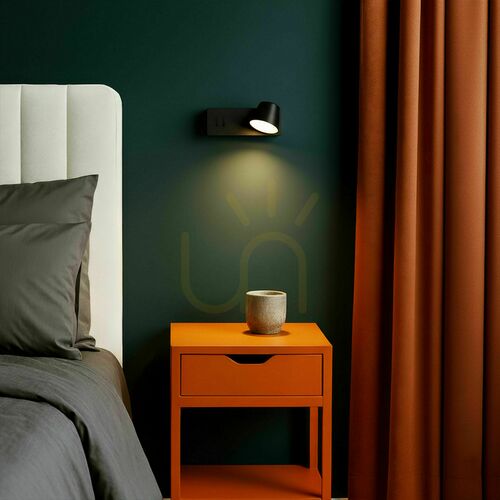
Wall lights on the low knee wall, a floor lamp under the eaves and LED strip hidden on top of a collar tie or beam complete the picture.
Choosing a fitting for each part of the room
Measure two points before you buy: the apex, and the lowest spot you regularly walk under. The second number decides whether a pendant is realistic at all.
| Where |
Typical height |
Works well |
Rule of thumb |
| Apex or flat top section |
2.5 m and above |
pendant with swivel canopy, flush fitting, track |
at least 2.1 m from the base of the light to the floor |
| Mid-slope, walkways |
around 2.1–2.5 m |
spotlight bar, angled semi-flush |
flush fittings stand roughly 8–15 cm proud, semi-flush 15–25 cm |
| Under the eaves, over bed or desk |
around 1.2–2.1 m |
tilting downlights, slim adjustable spots |
aim away from the eyes of someone lying down |
| Spot spacing on the slope |
– |
single spots or downlights |
about 90 cm from walls, 1.2–1.8 m apart |
| Steep pitch, above about 30° |
– |
fittings with a sloped ceiling adapter |
check the maximum angle in the specification |
For brightness, aim for roughly 300–400 lumens per square metre in a bedroom or living space and 400–600 where you work. A fitting high up in the apex delivers noticeably less light to the floor than the same one lower down, so err on the generous side. Warm white at 2700–3000 K keeps a low room cosy; around 4000 K helps at a desk.
How to light an angled ceiling well
One central light rarely copes with a loft room. Put the main light in the tallest part, then wash the knee wall with spots or wall lights – a bright lower wall makes the room feel wider. Light bounced off the slope from a hidden strip lifts the ceiling visually. Give the bed, desk and reading chair under the eaves their own light.
With several pendants, step the drops: wherever the ceiling is higher, lengthen that cable by the same amount so all the shades hang at one height. Make sure no shade touches the slope or its neighbour – multi-drop canopies on a slope tend to bunch them together.
Installation, insulation and upkeep
A loft ceiling is usually plasterboard with insulation and a vapour barrier behind it. Recessed lights there need fittings rated for contact with insulation or a cover that keeps it clear, and where the ceiling separates two floors, fire-rated downlights are the usual choice. Plan positions before boarding out. Fix heavier fittings to rafters or noggins, not plasterboard alone. Fixed wiring has to meet BS 7671, and in England and Wales a new circuit or work in a bathroom is notifiable under Part P, so use a qualified electrician.
A light at the apex means a ladder for every bulb change: choose long-life LED and consider dimming. Dust settles on the upper side of tilted shades, so wipe them dry with the power off.
Frequently asked questions
How can I mount a light on a sloped ceiling?
Use a fitting with an angle-adjustable base or swivel canopy, or fit a sloped ceiling adapter between ceiling and light. Fix it into a rafter or noggin and leave the connection to an electrician.
Do sloped ceiling lighting adapters work with any light?
They work with most pendants on a flexible cable and many flush fittings, but not with rigid rods. Each adapter has a maximum pitch, so check it against your roof angle.
Can you hang pendant lights on a sloped ceiling in the UK?
Yes, as long as the canopy swivels and the pendant hangs from flex or chain. Keep at least 2.1 m clearance in walkways and hang it far enough from the slope for the shade to sit freely.
What is the best sloped ceiling lighting for a bedroom?
Adjustable spots or a slim angled flush fitting for general light, plus wall lights or a lamp by the bed. Position spots so they do not shine straight at the pillow.
Are LED panels suitable for a slanted ceiling?
Only on a shallow slope or the flat top section. On a steep pitch a panel throws light sideways and causes glare.
Can I use spotlights in a loft bathroom?
Yes, with the right rating: in zones 1 and 2 around the bath or shower, fittings need at least IPX4, and IP44 or higher is common.
For fitting types and styles in general, see ceiling lights. If your loft stairs lead onto a long landing, the advice on hallway ceiling lights may help too.