The best office ceiling lights do a quiet but demanding job: they spread even, glare-free light over desks and the room around them, so you can read a screen and a printout for hours without squinting or ending the day with tired eyes. That is a different brief from a living-room ceiling light, where mood comes first and a bright central bulb is often all anyone expects.
Office ceiling lighting does two quite different jobs. One is fitting out a commercial office, meeting room or reception and needs to meet BS EN 12464-1. The other is turning a spare bedroom or box room into a home office and simply wants to stop working under a single harsh pendant. The physics is the same for both; only the scale changes.
What makes a ceiling light work in an office
Office fittings are built to hide the light source and spread the output wide. You will usually come across:
-
LED panels – 600 × 600 mm to drop into a suspended grid ceiling, or 1200 × 300 mm and 1200 × 600 mm versions; most can also be surface-mounted with a frame kit or hung on wires;
-
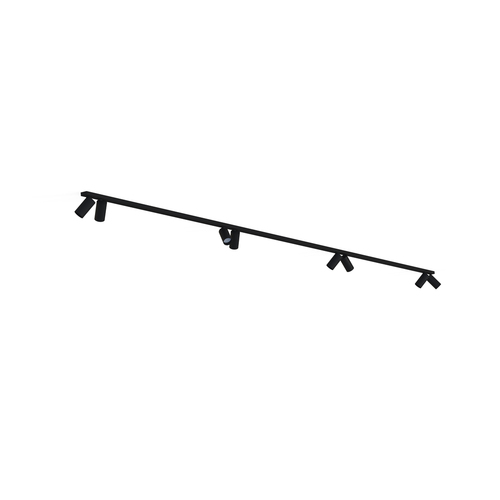
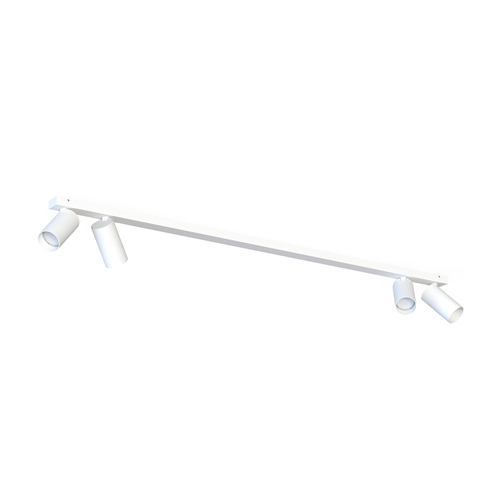
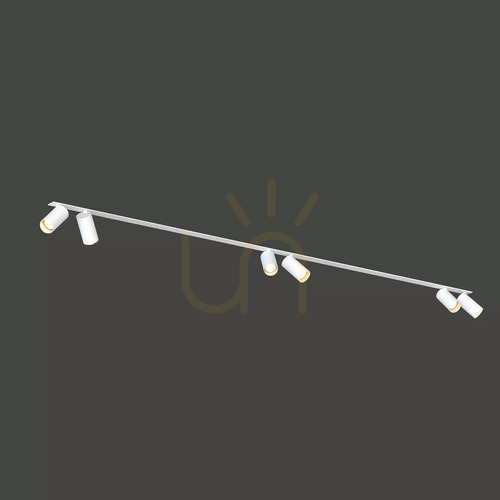
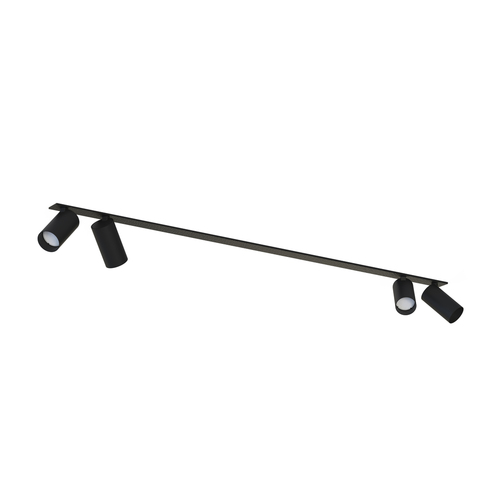
linear fittings – long, slim battens or profiles, surface-mounted or suspended, which suit rows of desks and narrow rooms;
-
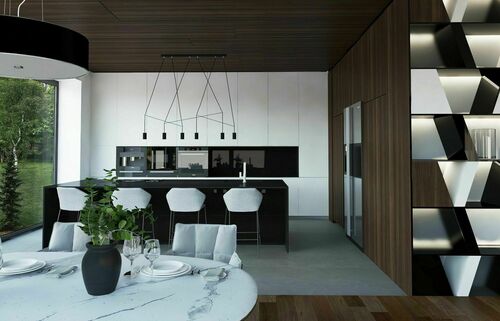
suspended direct/indirect lights – shining down onto the desk and up onto the ceiling, so the whole room feels brighter and screens show less contrast;
-
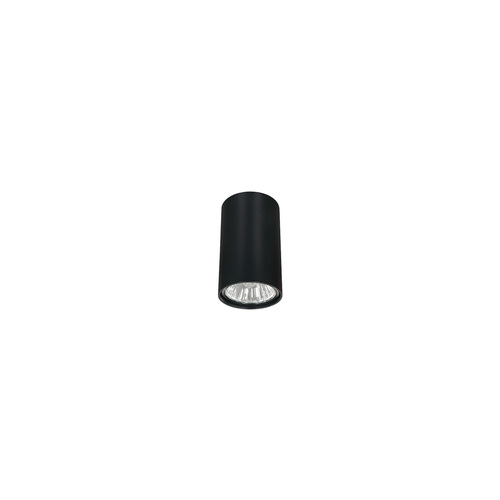
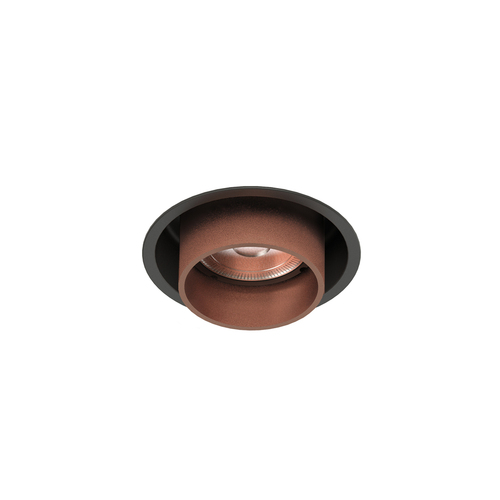
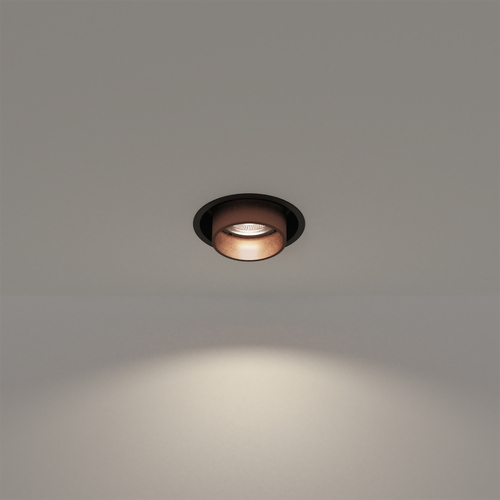
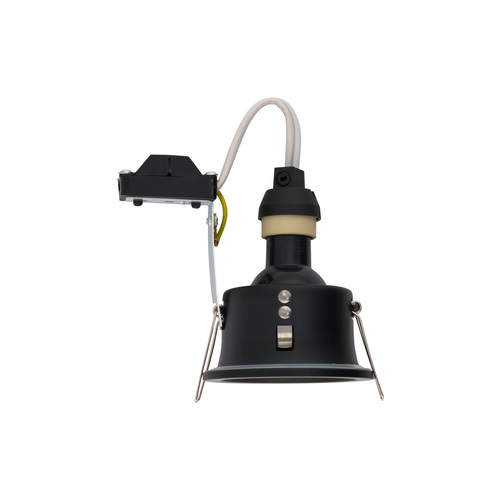
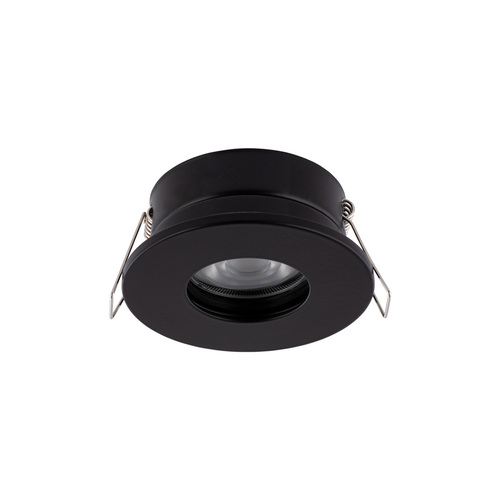
recessed downlights – common in plasterboard ceilings, usually in corridors, kitchens and breakout areas rather than over workstations;
-
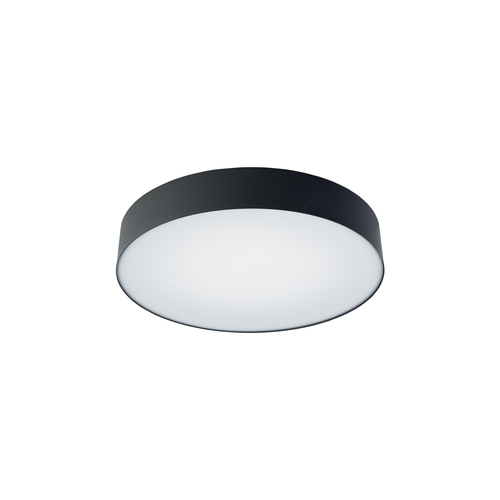
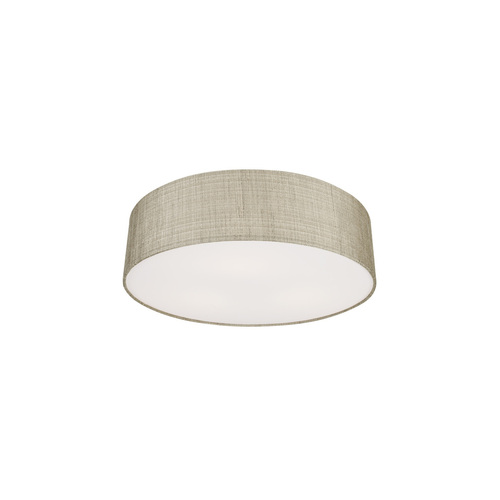
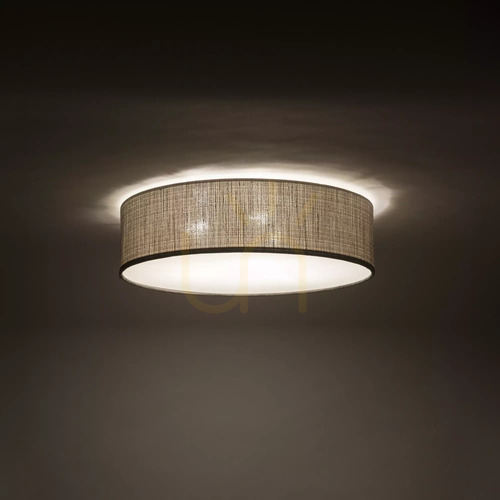
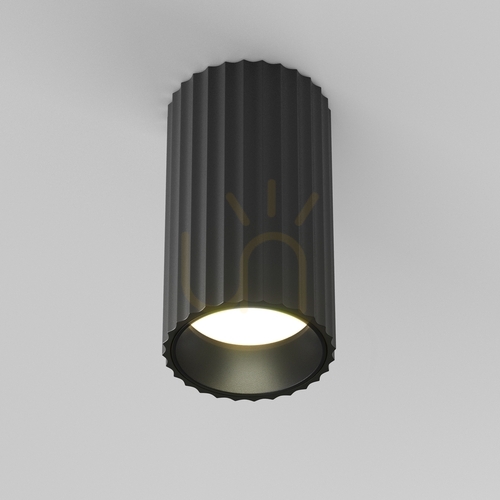
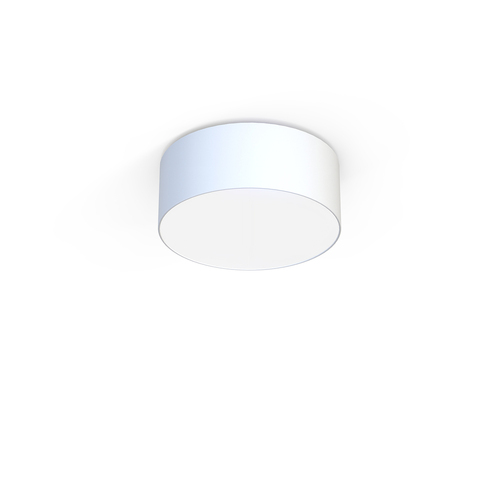
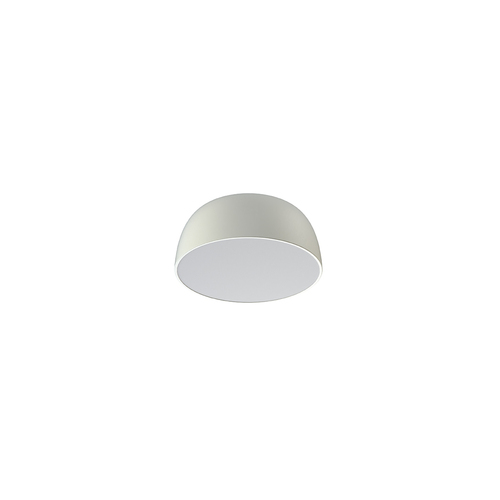
flush and semi-flush lights – the sensible choice for a home study with a standard 2.4 m ceiling, ideally with an opal diffuser.
How much light, and what kind
BS EN 12464-1 sets maintained illuminance levels (measured on the working surface), a maximum unified glare rating and a minimum colour rendering index. Here is what it asks of the spaces an office usually has, with a rough idea of how to reach it:
| Space |
Illuminance |
Max UGR |
Typical ceiling solution |
| Desk work, reading, screens |
500 lux |
19 |
low-glare panels or linear fittings in rows |
| Technical drawing |
750 lux |
16 |
louvred or microprismatic fittings, closer spacing |
| Meeting room |
500 lux |
19 |
dimmable panels or a long suspended light over the table |
| Reception desk |
300 lux |
22 |
decorative pendants plus downlights |
| Corridors |
around 100 lux |
28 |
downlights or flush fittings, often on sensors |
To turn lux into lumens, assume that roughly half to two thirds of what the fittings emit reaches the desk in a light-coloured room. For 500 lux that means about 800–1000 lumens of ceiling light per square metre of floor, so a 10 m² home office needs something like 8,000–10,000 lumens in total. Dark walls and high ceilings push that up.
Colour temperature matters as much as brightness. Neutral white at 4000 K is the office standard: crisp enough to keep you alert, without the bluish edge of 5000–6500 K “daylight” lamps. In a home office used in the evening, a fitting with adjustable colour temperature lets you warm the light to 3000 K after dark. Aim for CRI 80 as a minimum and CRI 90 if you are on video calls or checking colours in print.
Getting the layout right
Reflections cause more complaints than anything else. A light directly behind you shows up in the monitor; one directly in front shines into your eyes. The usual rule is to light from the side, with rows of linear fittings running parallel to the window wall and to your line of sight, and to set the desk so the window sits to one side rather than behind the screen.
A large, evenly lit surface reflects far less than a small bright point, which is why offices favour panels with microprismatic diffusers. If you choose a suspended light with an uplight component, leave 300–500 mm between fitting and ceiling so the upward light can spread. Pale walls and a white ceiling make every lumen go further.
Corridors, toilets and meeting rooms that stand empty half the day are good candidates for presence detection – see ceiling lights with motion sensor.
Pitfalls and upkeep
-
Flicker: cheap drivers can pulse at a rate you do not consciously see but still notice by mid-afternoon. Look for fittings sold as flicker-free.
-
Integrated LED vs replaceable lamps: integrated panels are slim and efficient, often rated around 50,000 hours, but when they fail the whole fitting goes. Fittings that take E27 or GU10 bulbs, or LED T8 tubes, let you swap just the source.
-
A bright desk in a dark room: tiring in a way that even, slightly lower light is not.
-
Installation: wiring a fitting into the 230 V circuit is a job for a qualified electrician working to BS 7671.
-
Dust: wipe diffusers and louvres with a dry or barely damp cloth, with the power off.
Office ceiling lights: common questions
What type of ceiling lights are best for offices?
Low-glare LED panels or linear fittings with a UGR of 19 or less, in neutral white. In a home office, a flush fitting with a good diffuser, paired with a desk lamp, does the same job on a smaller scale.
Why does Gen Z hate overhead lighting?
Because many people grew up with one bare, bright bulb in the middle of the room, which flattens faces and casts hard shadows. Office lighting avoids that by spreading the light over a large, diffused surface, adding indirect light and keeping the source out of your eyeline.
What is the best layout for ceiling lights in an office?
Rows parallel to the windows, with the fittings to the side of each desk rather than directly behind or in front of the user. Even spacing matters more than the number of fittings.
What is the best ceiling lighting for a home office?
A dimmable flush or semi-flush light, or a slim panel, at 4000 K with adjustable colour if you work late. Add a desk lamp on the side opposite your writing hand.
How many lumens do I need for a home office?
Around 800–1000 lumens per square metre of floor for 500 lux at the desk, or less if a good desk lamp handles the close work.
Are LED panels suitable for a domestic ceiling?
Yes, with a surface-mount frame. Recessed panels need a void above the plasterboard deep enough for the driver.
More on choosing ceiling lights for other rooms, from living rooms to kitchens: ceiling lights.