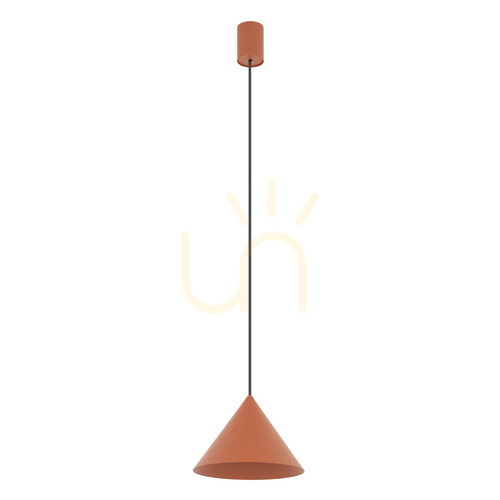
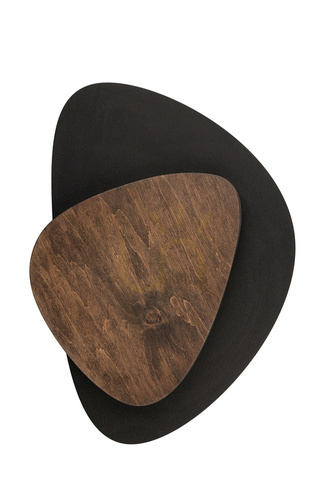
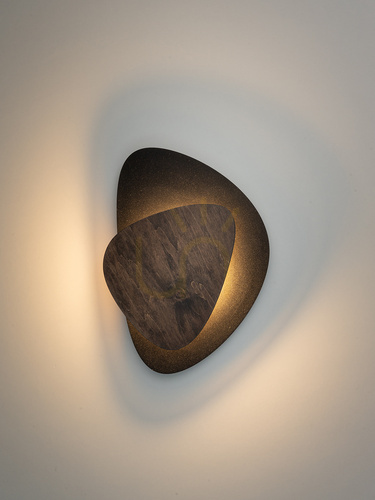
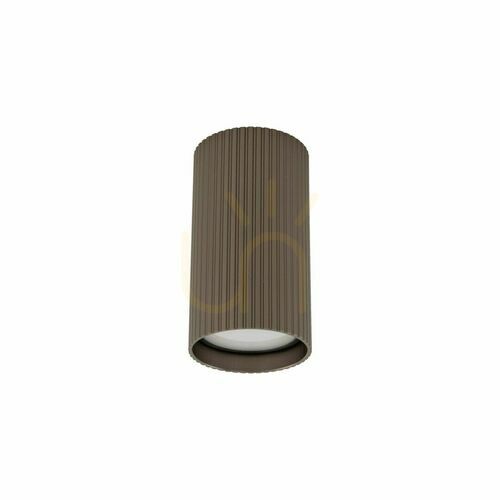
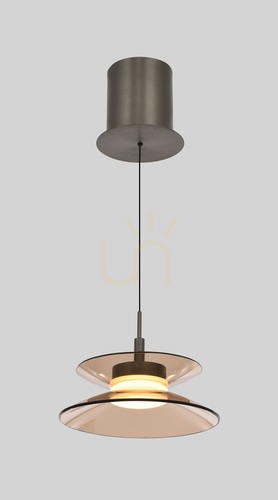
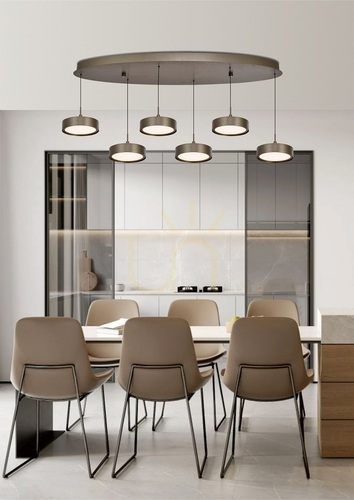
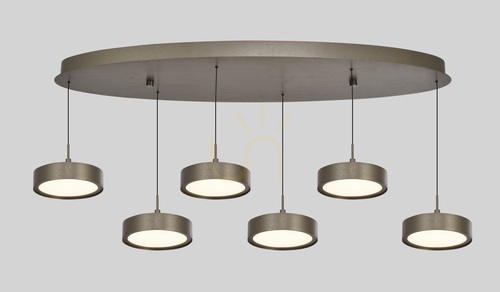
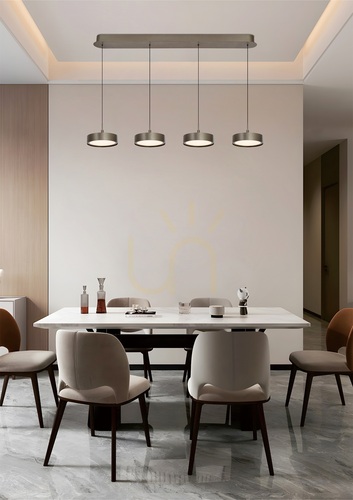
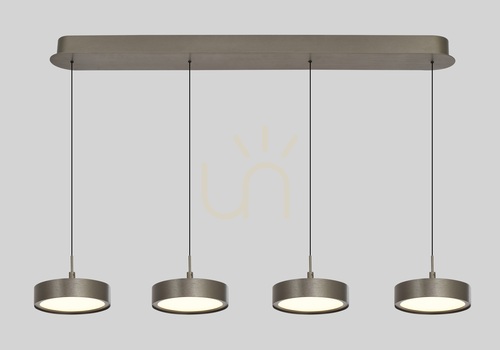
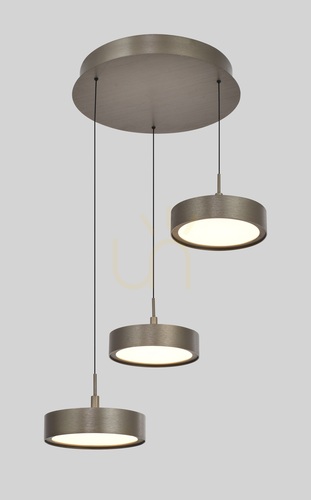
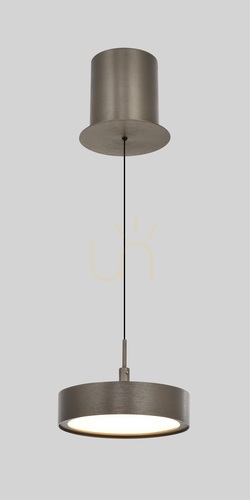
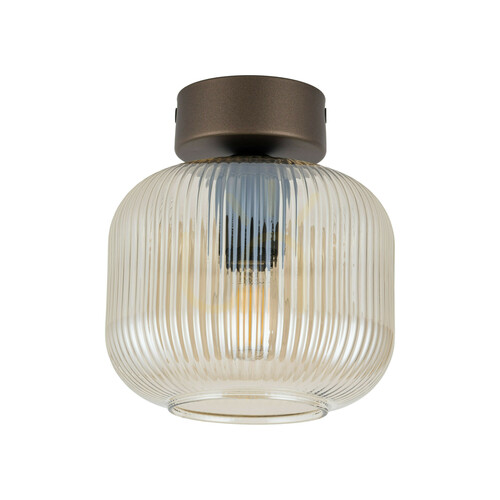
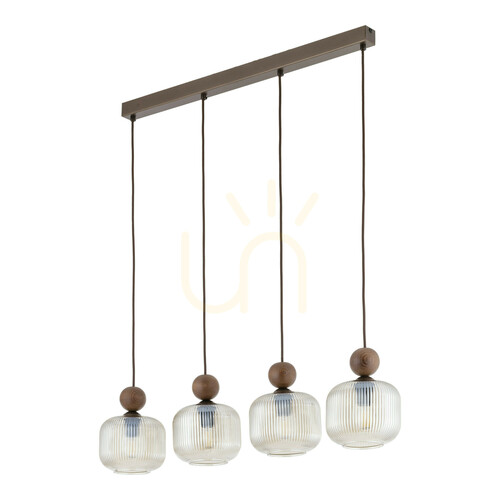
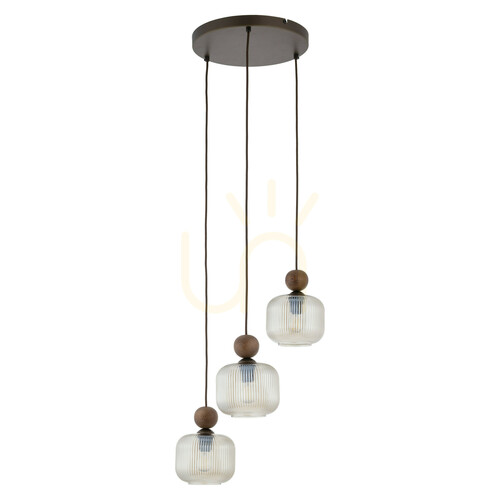
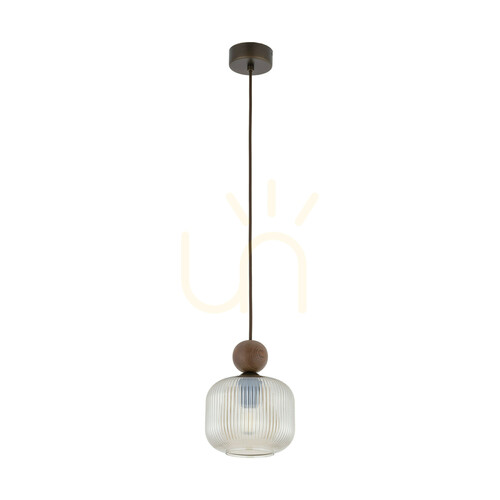
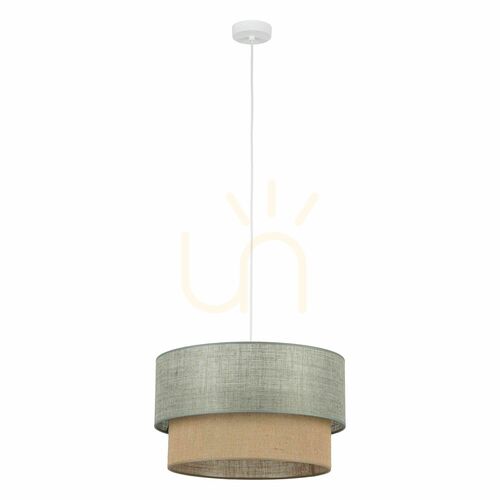
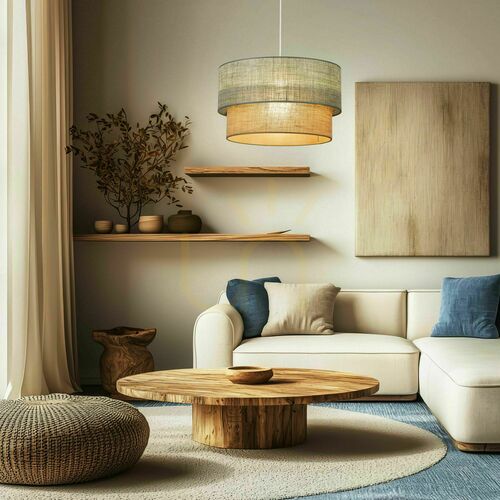
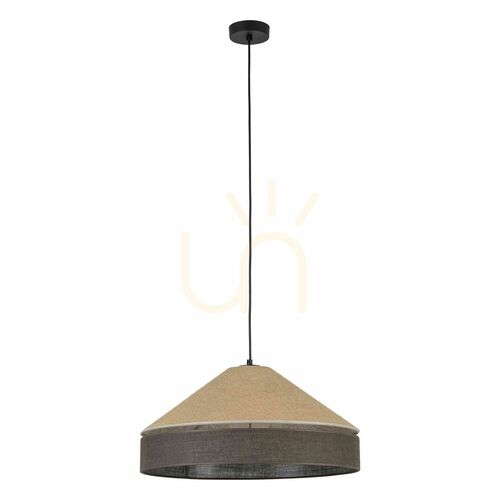
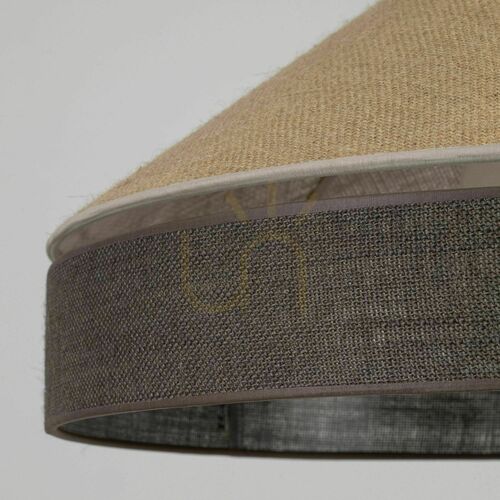
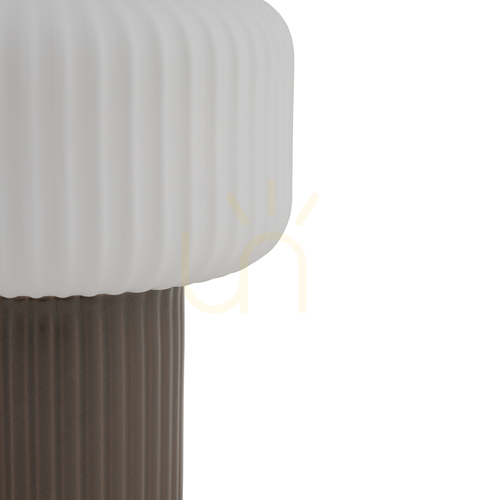
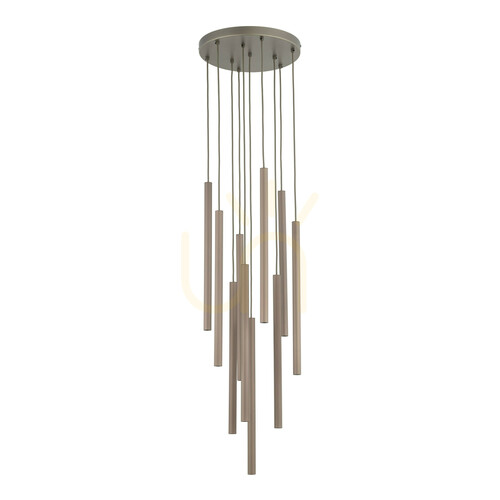
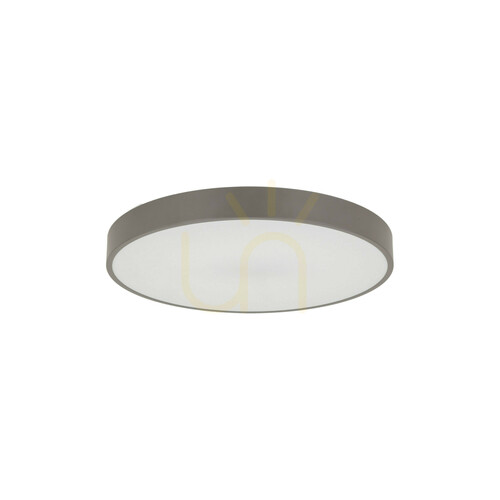
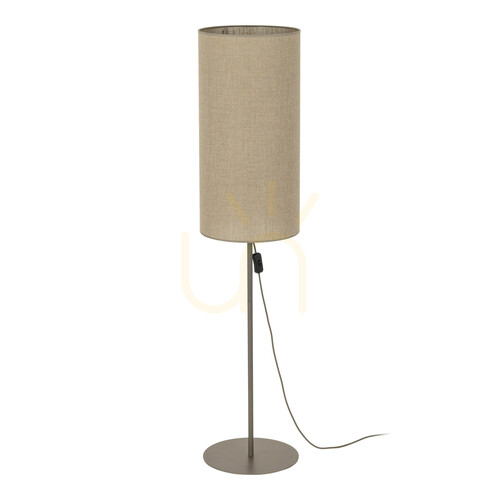
A brown lamp is the easiest way to warm up a room that feels a little clinical: chocolate-glazed ceramic, walnut, antique bronze or amber glass all read as cosy before the bulb is even switched on. The colour also shapes the light, because a dark shade or tinted glass holds back part of the output and sends the rest downwards, so a brown lamp behaves differently from the same design in white.
That makes brown a good choice for mood and task lighting, and a more careful one when the lamp is meant to light a whole room on its own.
Which brown, and what is it made of?
In lighting, brown covers a surprising range of materials. Table lamps often have a stoneware or ceramic base in cocoa, toffee or a reactive glaze that pools darker at the edges, topped with a linen or cotton shade. Wooden bases come in oak, walnut, mango wood or a dark stain. Metal appears as antique or brushed bronze and rust-effect finishes; glass as amber, cognac or smoked. Then there are natural fibres such as rattan, wicker, jute and seagrass, plus velvet shades in chocolate, caramel or terracotta.
The same variety runs across pendants, flush and semi-flush ceiling lights, wall lights, floor lamps and bedside lamps. Some take a standard bulb, some have integrated LED, and a few small table lamps are cordless and rechargeable.
Choosing a brown lamp room by room
Most British ceilings sit around 2.4 m, while Victorian and Edwardian houses often go well beyond 2.7 m. That, and what the lamp is for, matters more than the exact shade of brown.
| Room |
Brown lamp that works |
What to check |
| Bedroom |
Pair of ceramic or wooden bedside lamps with fabric shades |
Bottom of the shade roughly at eye level when you sit up in bed; a warm 2700 K bulb |
| Living room |
Floor lamp beside a chair, table lamps on side tables or a sideboard |
A light-coloured or metallic shade lining if you read by it |
| Dining room |
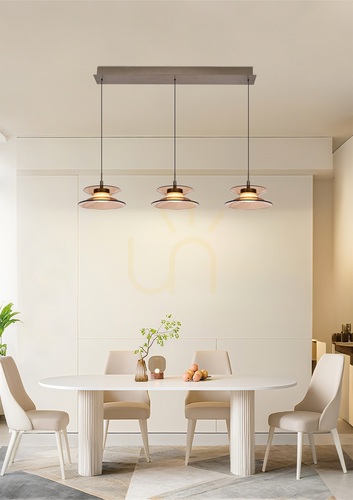
Amber or smoked glass pendants, rattan or bronze shades |
Shade bottom about 75–85 cm above the table; two or three pendants for a long table |
| Kitchen |
Smoked glass or brown metal pendants over an island |
Add spotlights or under-cabinet strips for worktop tasks |
| Hallway and landing |
Flush or semi-flush fitting, wall lights in bronze or wood |
Keep about 2.1 m of clear headroom where people walk |
Shades, linings and glass decide the light
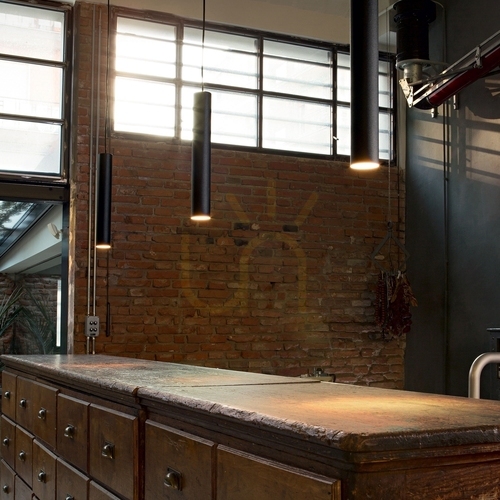
Look inside the shade before you look at the colour. A white lining bounces light back out and gives the most diffusion; a gold or copper lining adds warmth; a dark matt lining keeps the glow low and moody. An opaque brown metal shade lights only what sits beneath it, which is lovely over a table and gloomy as a room's only light.
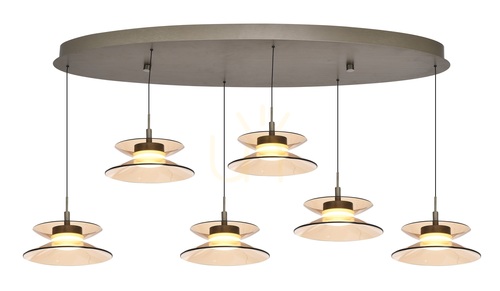
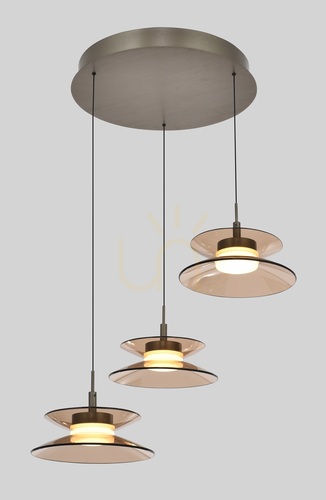
Tinted glass works like a filter. Amber and cognac glass turn white light honey-coloured and reduce brightness noticeably, so pair them with a brighter bulb than usual – around 800–1000 lm per shade – or treat them as accent lighting. Warm white at 2700–3000 K suits almost every brown finish; cool 4000 K makes bronze look greyish and wood flat. A bulb with a colour rendering index of 90 or more shows wood grain and glazes at their best.
Brown lamps commonly take E27 (Edison screw), E14 (small Edison screw) or B22 (bayonet) bulbs, and multi-light designs often use G9. Check the cap before buying spares.
Getting the colour right
Browns have undertones: red (mahogany, cognac, terracotta), yellow (oak, honey, toffee) or grey (taupe, mocha). A lamp that nearly matches your furniture can look like a mistake; either match the wood closely or contrast it clearly. Brown sits well with cream, ecru, sage and olive green, navy, ochre, black and brass. In a room with dark floors and furniture, plan more light overall, because brown surfaces reflect very little of it.
Care and safety
-
Ceramic and glazed bases: a damp cloth is enough. Dust fabric and velvet shades with a lint roller or a soft brush attachment.
-
Wood, rattan and wicker: dry or barely damp cloth only, and a vacuum brush for weaves. Strong sun on a windowsill changes the tone of wood over time.
-
Bronze and patina: dry microfibre, no metal polish or cream cleaners, which strip the aged finish.
-
Glass shades: take them down, wash in lukewarm soapy water and dry completely before refitting.
-
Wiring: ceiling and wall lights connect to 230 V wiring and should be fitted by a qualified electrician to BS 7671.
Brown lamps: common questions
What bulb should go in a brown bedside lamp?
A warm white LED of around 2700 K and 400–800 lm is plenty for reading. If the shade is dark, choose the brighter end, or a frosted bulb so no hot spot shows through the fabric.
Light or dark brown floor lamp?
Light brown, caramel and natural wood keep a small room airy. Dark brown and chocolate add weight and work best against pale walls or in a larger living room.
What shade goes with a chocolate brown table lamp?
Cream, oatmeal or ivory linen is the safe choice and lets the most light through. A matching brown shade looks rich but gives a much dimmer, more atmospheric glow.
Is a vintage brown lamp safe to use?
Often, once it has been checked. Old cable insulation and fabric flex can perish, so have a vintage lamp tested and rewired with a fused plug if needed.
Will a small brown lamp give enough light?
For a bedside, shelf or windowsill, yes. As the main light in a room, no – use it alongside a ceiling light or a floor lamp.
Where should a brown floor lamp go in a living room?
Behind or beside a reading chair, or in a dark corner where it lifts the room. Set the bottom of the shade at roughly eye level when you are seated, so you see the light on the page rather than the bare bulb.
Plan a brown lamp together with the rest of the room's lighting – more on the different types of fitting under indoor lights. If the warm glow of tinted glass is what draws you, read more about amber lights.