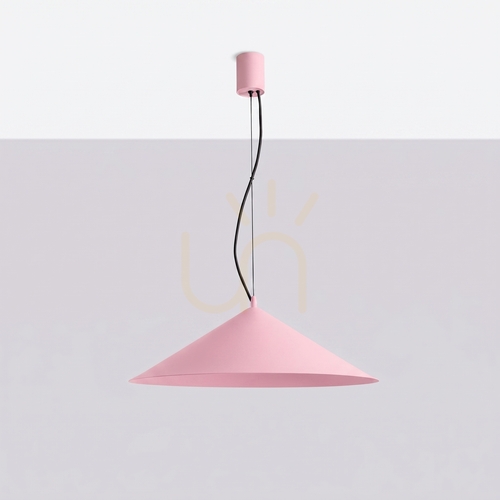
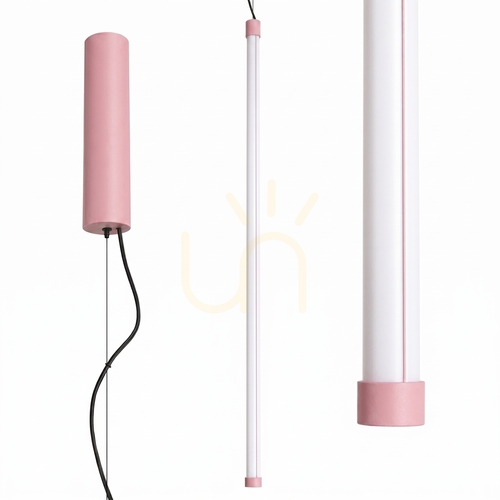
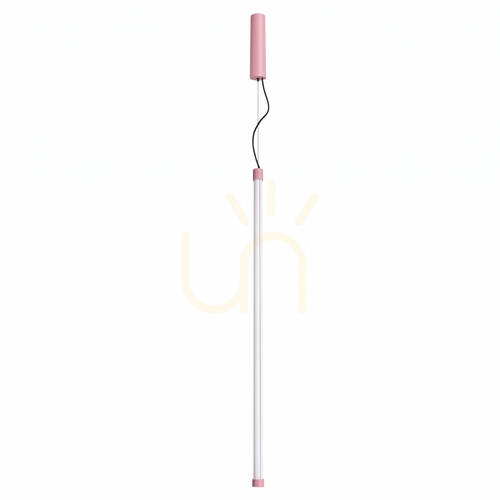
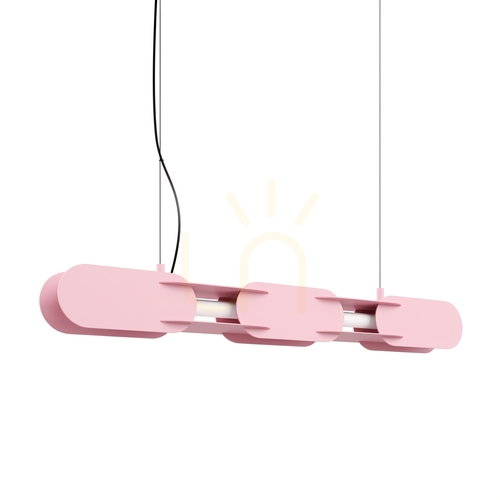
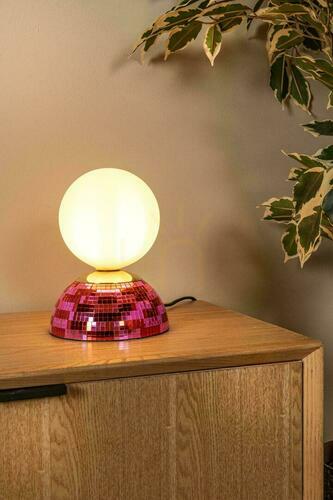
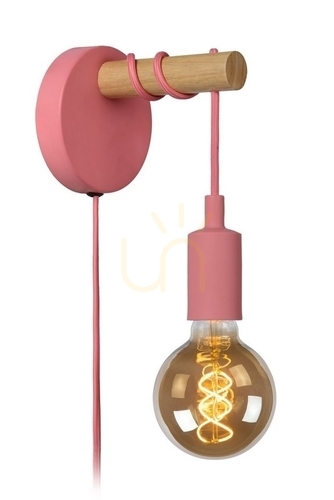
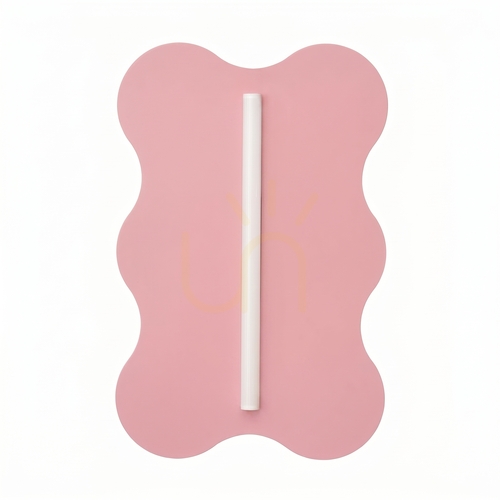
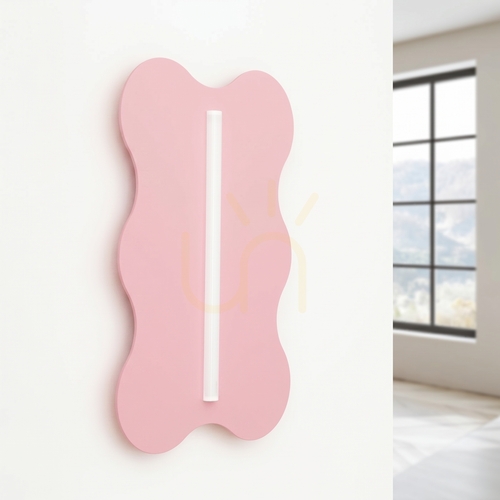
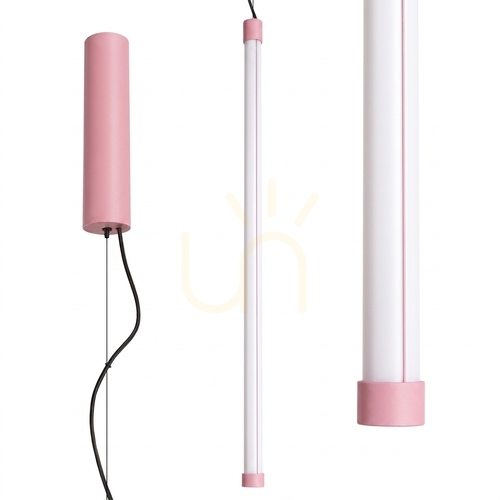
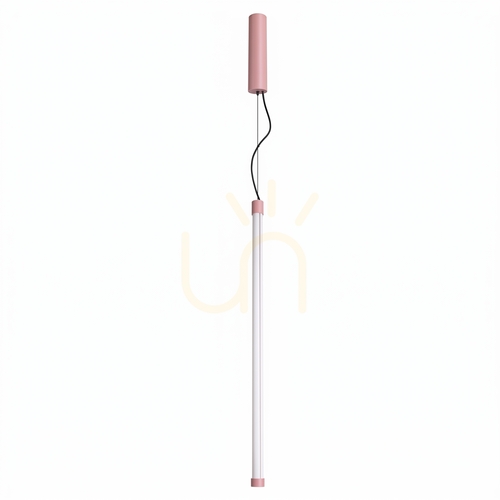
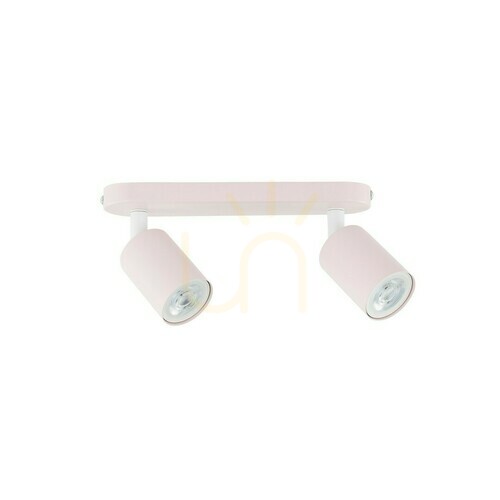
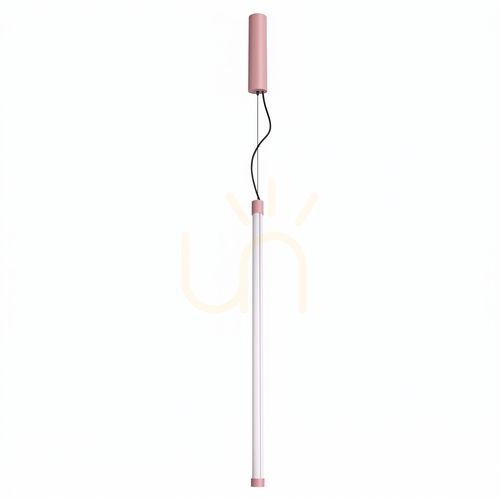
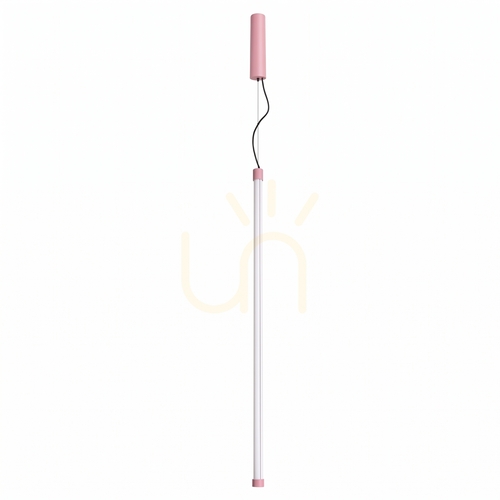
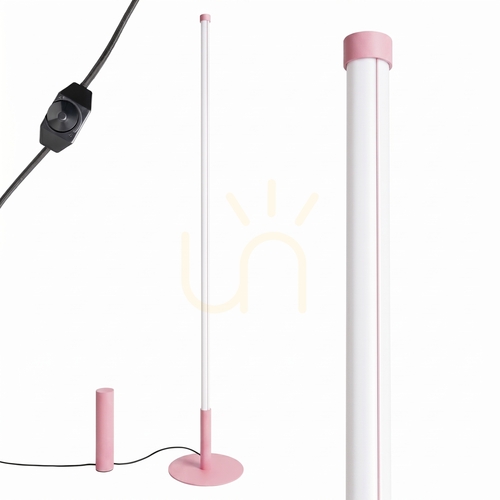
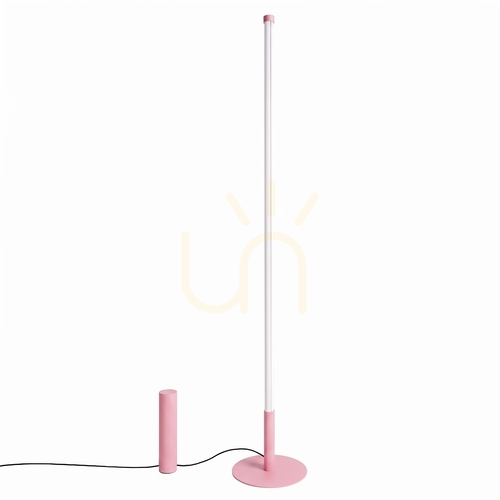
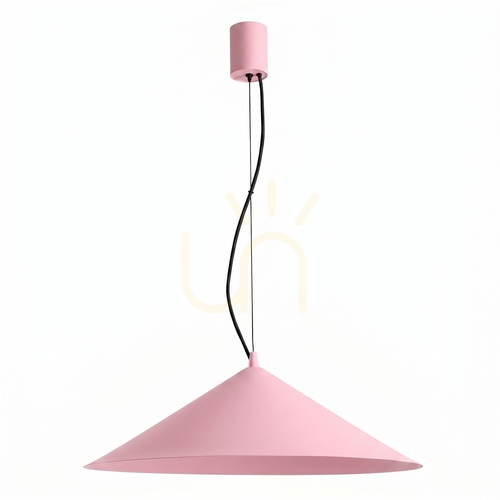
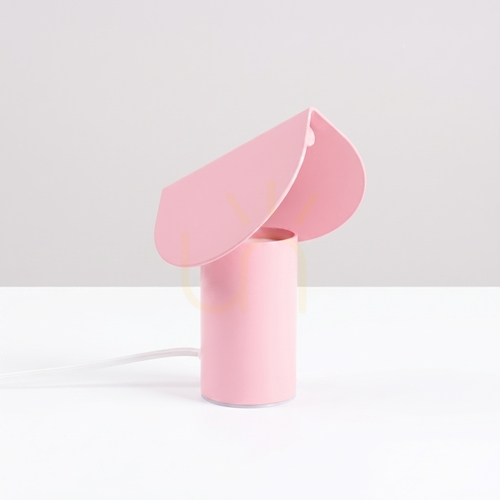
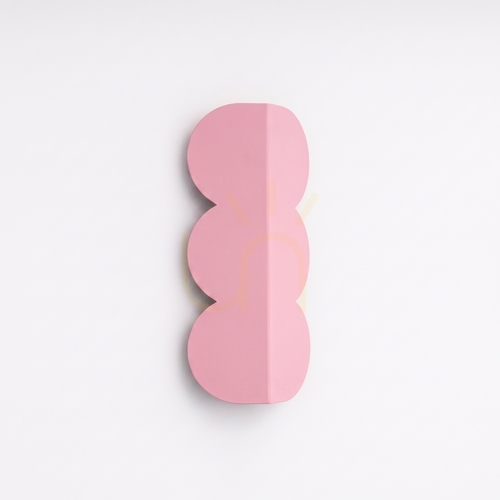
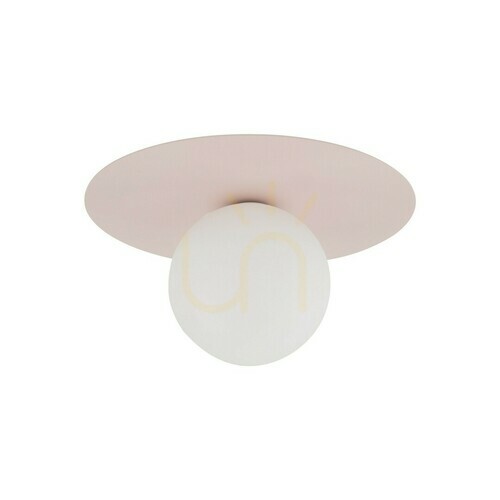
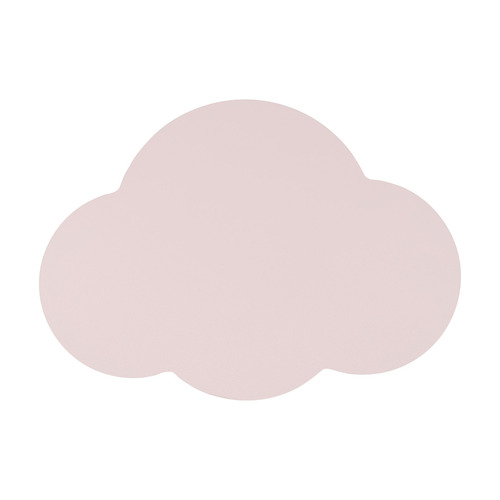
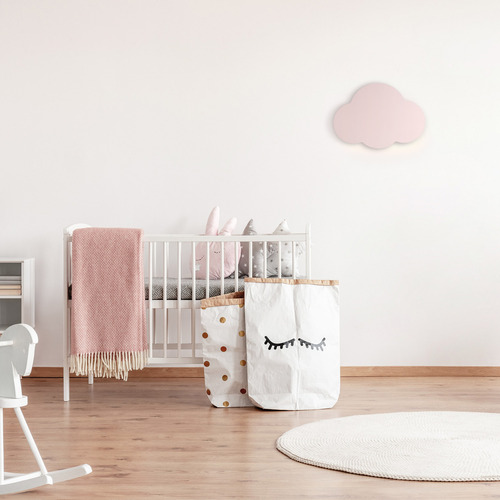
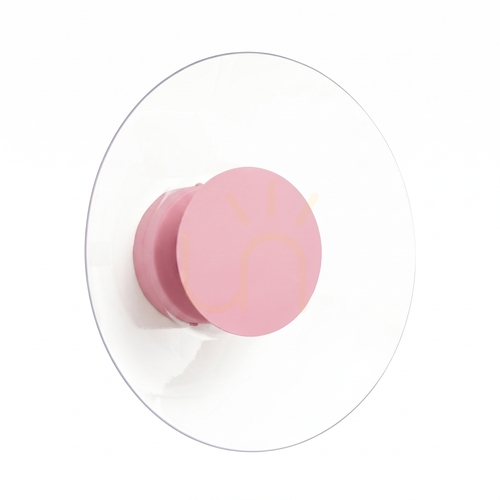
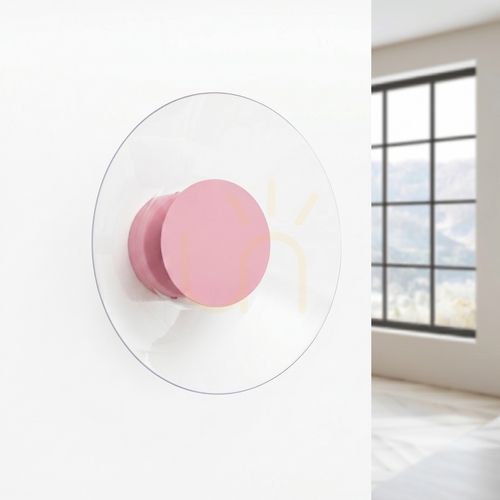
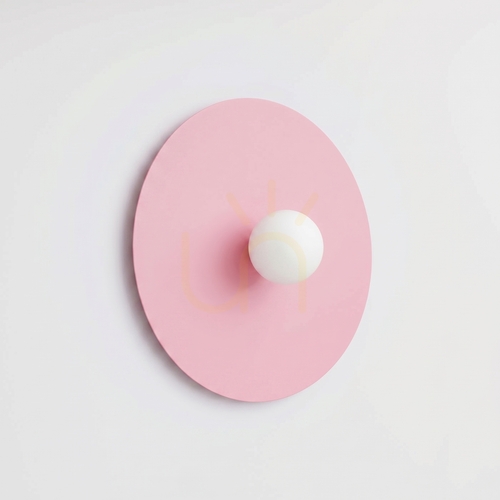
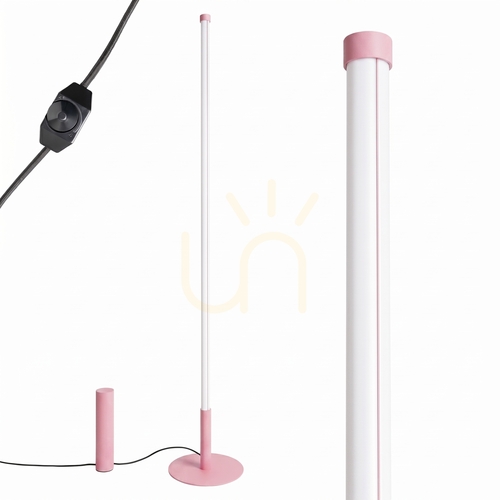
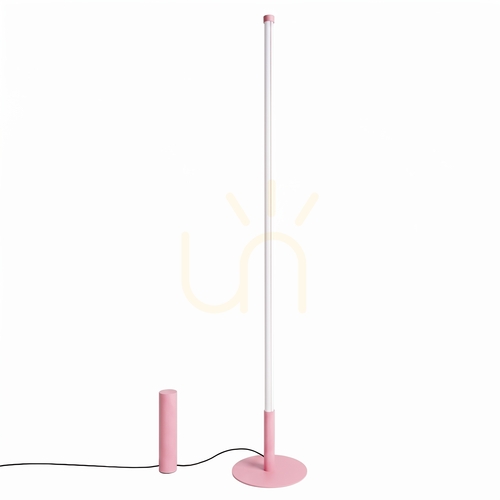
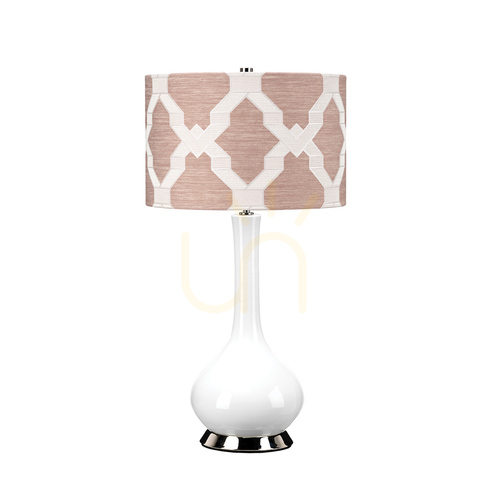
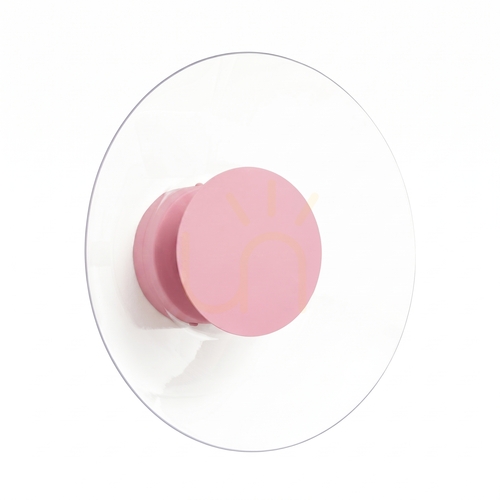
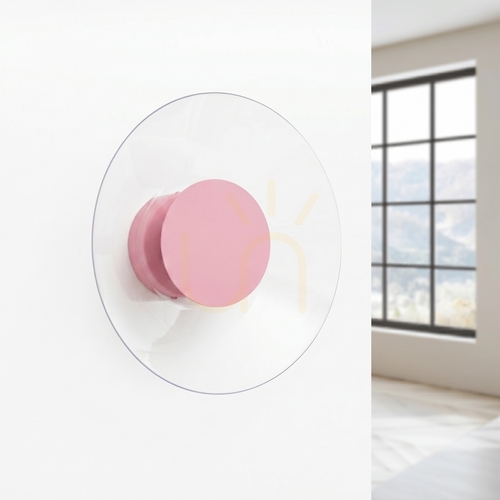
A pink lamp brings colour into a room without a tin of paint, and it works twice: as an object during the day and as a source of tinted, softer light once the evening comes in. How pink that light turns out depends far more on the shade material and the bulb than on the photo you fell for.
Pink also covers a wide spread, from barely-there blush and dusty rose to coral, raspberry and hot pink, plus rose-gold metal finishes. Pick the shade of pink for the room first, then the fitting type: ceiling pendant, flush light, wall light, table or floor lamp.
Blush, dusty or hot pink: matching the tone to the room
Paler pinks behave almost like a warm neutral, so they sit happily in bedrooms and living rooms next to grey, sage and natural wood. Saturated pinks are statement pieces, best used once per room, where the eye lands first. The table below pairs common tones with the rooms and bulbs that suit them.
| Tone |
Where it works |
Bulb that flatters it |
Pairs well with |
| Blush / pale pink |
bedroom, nursery, bathroom (IP44 near water) |
2700 K warm white |
white, oak, soft grey |
| Dusty rose |
living room, bedroom, hallway |
2700–3000 K |
sage, charcoal, brass |
| Coral / salmon |
dining room, kitchen-diner |
3000 K |
navy, terracotta, rattan |
| Raspberry / hot pink |
teenager's room, home bar, reading corner |
3000 K, CRI 90+ |
black, emerald, chrome |
| Rose gold (metal) |
living room, dressing table |
2700–3000 K |
marble, velvet, cream |
Avoid cool 4000 K bulbs behind pastel pink if you can: under cool white, blush tends to look greyish or slightly lilac. A colour rendering index of 90 or above keeps pinks, reds and skin tones looking natural rather than flat.
Fabric, glass or metal: how the material changes the light
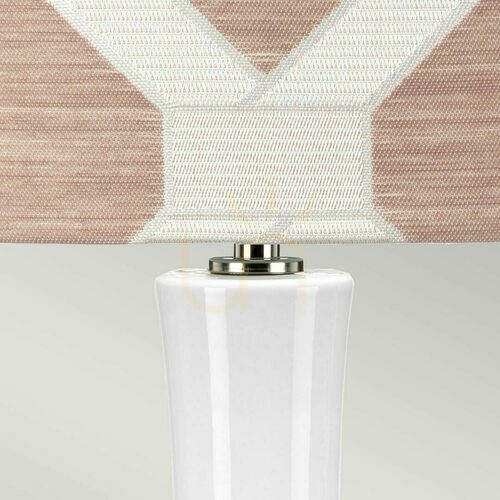
An opaque body – powder-coated metal, ceramic, or a fabric shade with a white lining – shows its pink when the lamp is off, while the light that spills out of the top and bottom stays ordinary white. Unlined fabric, paper and tinted glass are the opposite: they glow, and they wash the room in a rosy cast. That glow is lovely in a bedroom and frustrating on a desk.
Coloured shades also swallow part of the output. Deep pink glass or thick velvet can make a lamp noticeably dimmer, so treat it as mood lighting and keep a brighter source for tasks. If a pink ceiling light has to light the whole room, opal (milky) glass spreads light evenly and tints it far less than clear coloured glass.
Fitting a pink light in a UK home
-
Easy-fit shades – the quickest route to a pink ceiling light: a non-electric shade that slips over the existing pendant lampholder, with no rewiring.
-
Lampholders – UK pendants often use B22 bayonet caps, while many continental fittings take E27 or E14 screw caps. Check the cap before buying bulbs.
-
Ceiling height – in a typical modern home with ceilings around 2.4 m, a flush or semi-flush pink light usually looks better than a large globe on a long drop. Over a dining table, hang the shade roughly 60–80 cm above the top.
-
Wiring – new ceiling or wall fittings on the 230 V supply should be connected by a qualified electrician to BS 7671. In bathrooms the zones around the bath and shower call for IP44 or higher.
-
Class II – a double-insulated fitting needs no earth connection, which helps in older properties with no earth at the ceiling rose.
Pitfalls and care
Pastel fabric, paper and plastic fade in direct sun, so a lamp beside a south-facing window can end up two-tone within a few summers. Powder coating and glass hold their colour much longer. Never exceed the maximum wattage printed on the fitting; LED bulbs run cool, which protects fabric shades and slows fading.
Switch off and let the bulb cool before cleaning. Use a lint roller or soft brush on fabric, brush velvet with the pile, wash glass in lukewarm water with a drop of washing-up liquid and dry it fully before refitting, and wipe metal with a damp microfibre cloth – abrasive creams dull the finish.
Pink lamp FAQ
What is a good pink lamp for a girl's bedroom?
Choose a stable base, an LED source that stays cool to the touch, an unbreakable fabric or plastic shade while she is small, and a cable routed out of reach. Dimming helps at bedtime; a separate white desk lamp is better for homework.
Does a pink lamp give off pink light?
Only if the shade lets light through – tinted glass, paper or unlined fabric. Metal, ceramic and lined shades look pink but emit ordinary white light.
Are pink ceiling lights a good idea for a bedroom?
Yes, especially in pale or dusty tones with a 2700 K bulb. Keep the main light diffused and add a bedside light for reading, so the ceiling fitting can stay dimmed in the evening.
Blush pink or hot pink: which is easier to live with?
Blush reads as a warm neutral and suits most schemes for years. Hot pink is a statement; use it on one lamp and repeat it once elsewhere, in a cushion or print, so it feels intentional.
How do I make a pink pendant light look modern rather than vintage?
Go for simple geometric forms, matt powder-coated metal or opal glass, and pair it with black, chrome or concrete. Pleated fabric, fringing and brass arms push the look towards vintage.
Can I use a pink ceiling light shade in a kitchen-diner?
Over the dining table, yes. Over worktops, add neutral task lighting, because strongly tinted light makes food and surfaces harder to judge.
For lighting the rest of the home, from flush ceiling lights to wall lights, browse indoor lights; if the pink is heading for the bedside table, read about pink bedside lamps next.