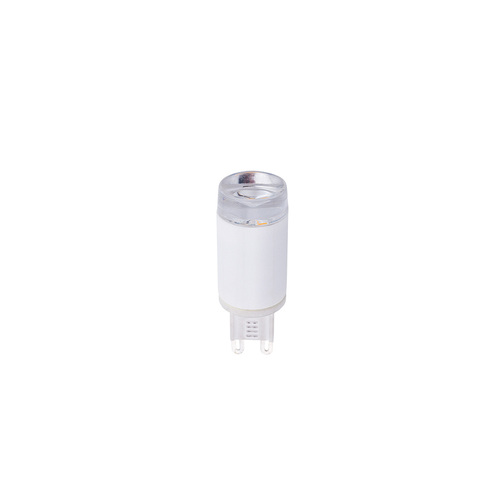
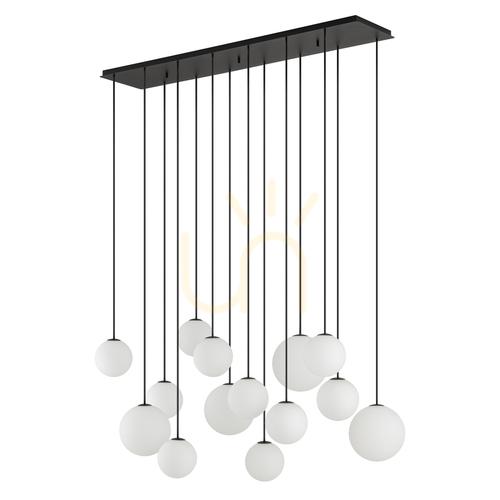
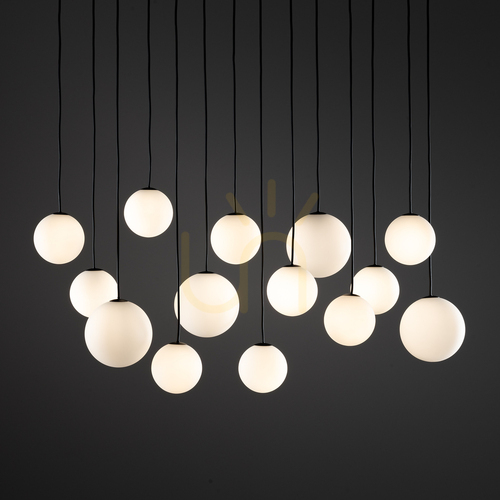
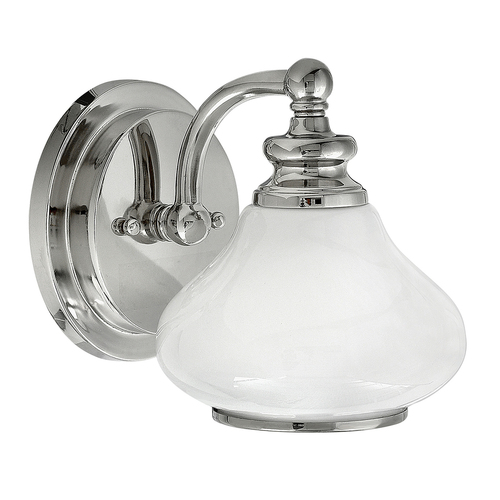
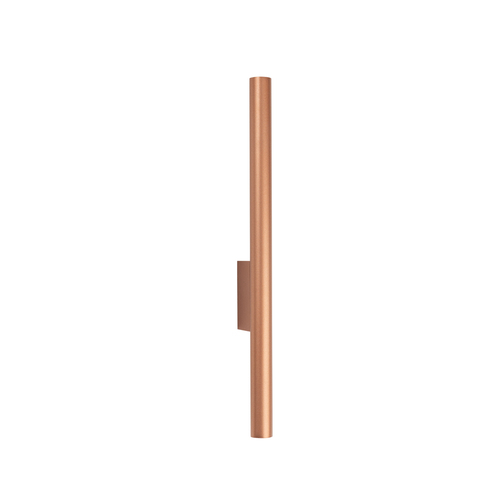
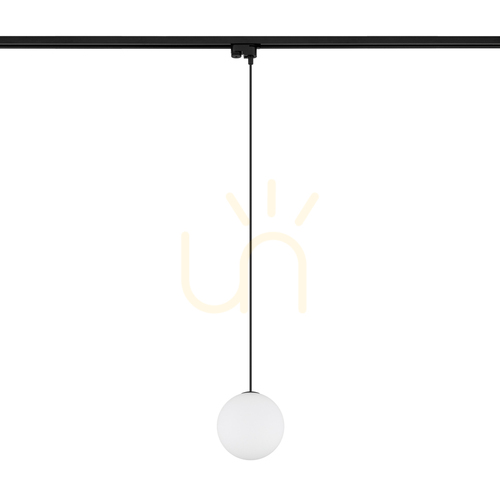
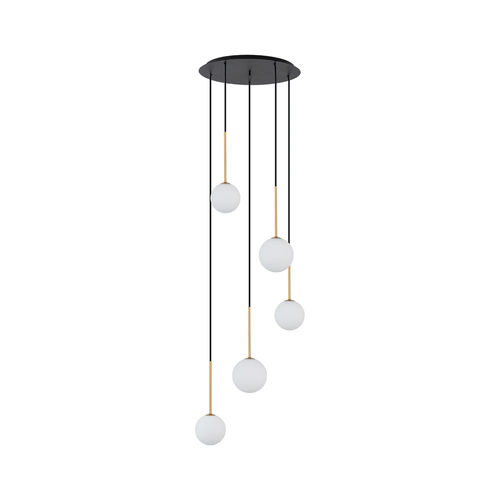
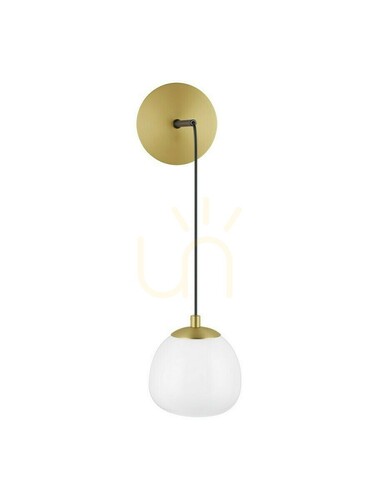
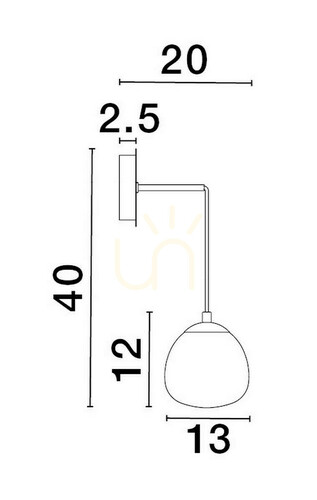
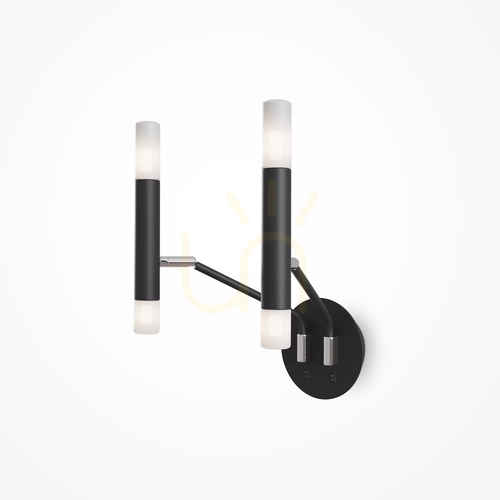
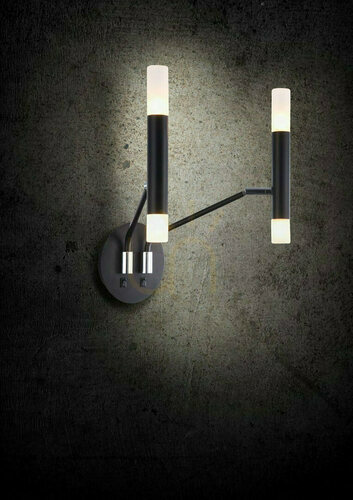
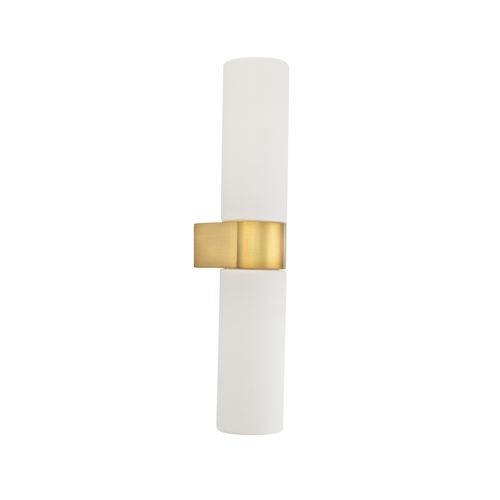
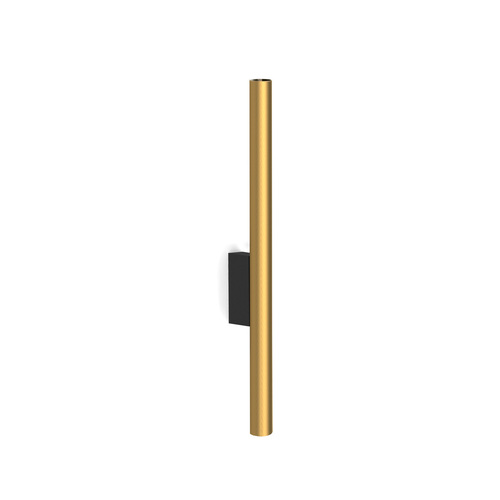
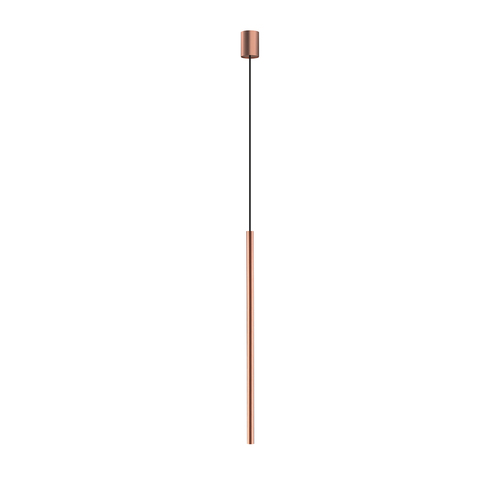
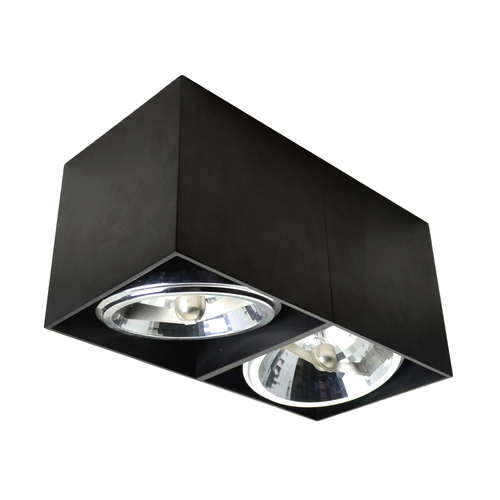
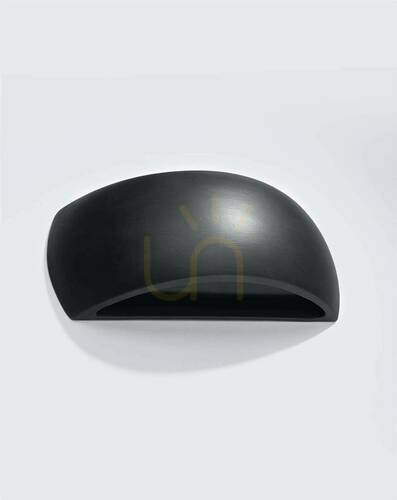
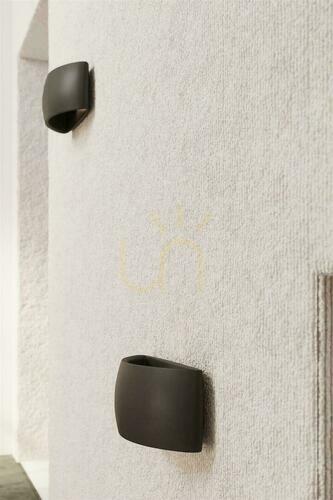
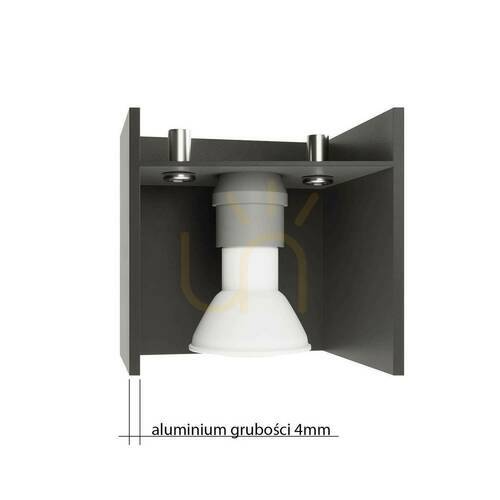
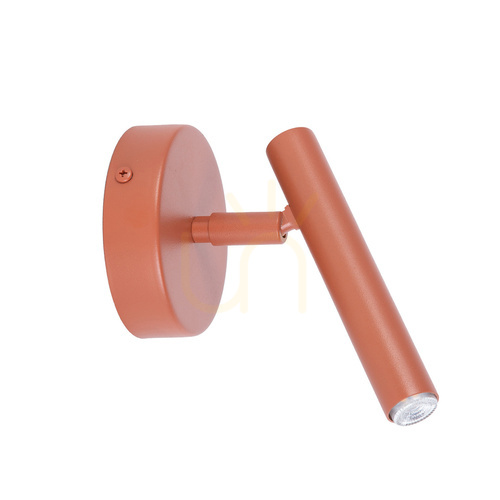
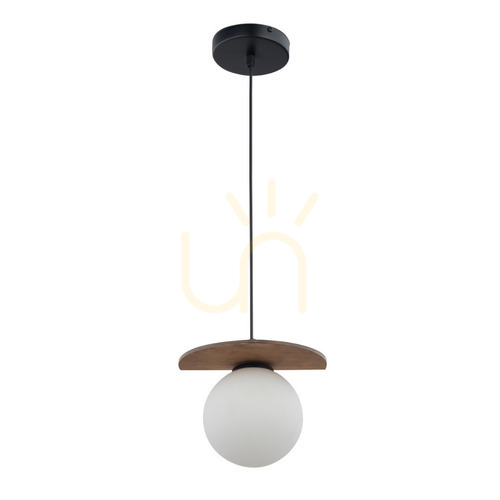
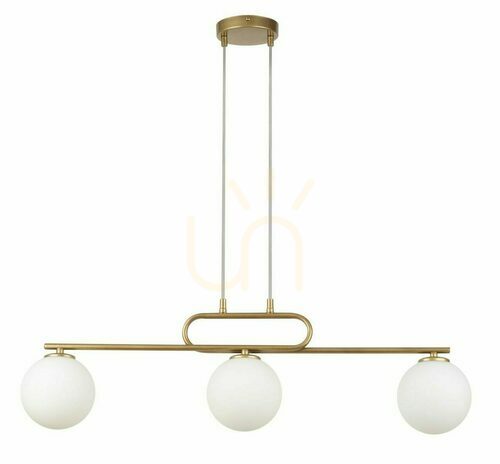
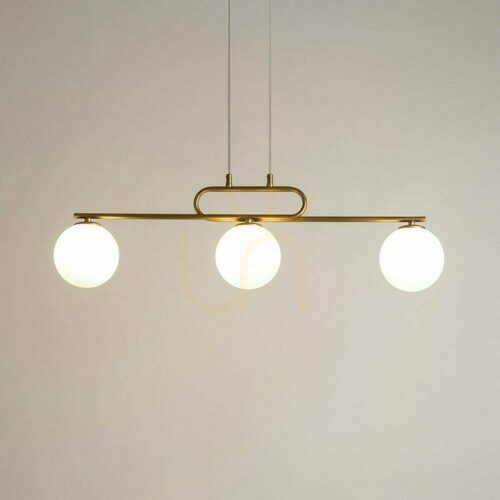
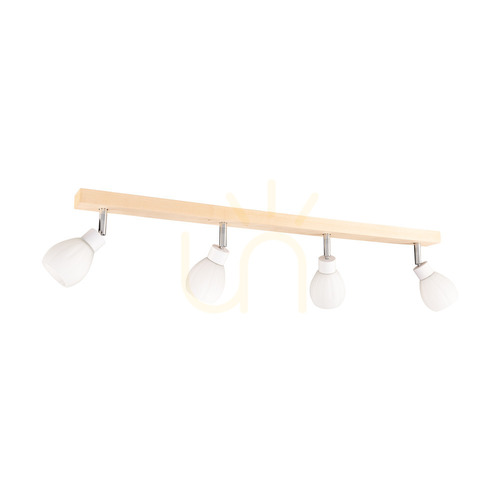
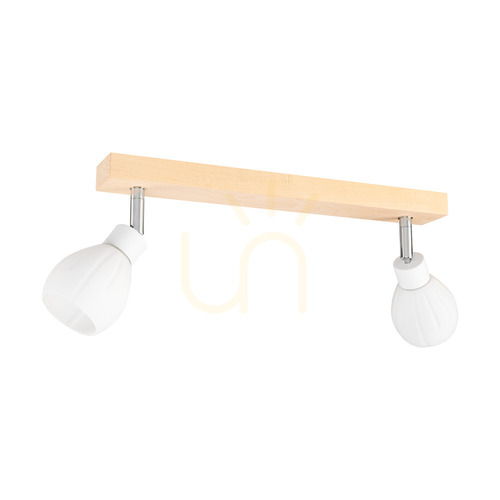
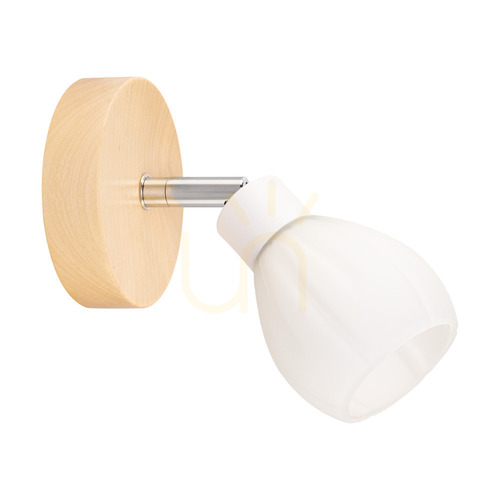
A G9 lamp is a small mains-voltage capsule with two looped pins set 9 mm apart, and a G9 light fitting is any pendant, wall light or chandelier built around that push-in holder. Because the capsule runs straight off the 230–240 V supply without a transformer and is barely longer than a thumb, designers use it wherever the shade is small, the arm is slim or a fitting needs many points of light.
Lamp, bulb or fitting?
In the lighting trade a "lamp" is the bulb itself, while the thing on your ceiling is the "fitting" or "luminaire". At home most of us say lamp for both, which is why searches for a G9 lamp mix replacement capsules with complete lights. What links them is the holder: a fitting with a G9 lampholder will only accept a G9 capsule, and the size of its shade decides how large that capsule can be.
Where a G9 light fitting makes sense
The cap shines in designs where a standard bulb would look clumsy:
- cluster pendants and chandeliers with glass globes, tubes or crystal drops
- wall lights in hallways, on landings and either side of a bed
- bathroom lights above a mirror
- compact table and desk lamps
- flush ceiling lights with several small shades
One capsule gives a soft, local glow, so a single-point G9 wall light is mood lighting rather than the main light in a room. For a living room you would normally look at a multi-arm pendant or combine G9 wall lights with another source.
Swapping halogen for LED
Halogen G9 capsules can no longer be sold as new stock in Great Britain or the EU, so any replacement you buy now is likely to be LED. The pins are identical, which means an LED capsule drops straight into a holder made for halogen. It runs far cooler and uses roughly a tenth of the power. Use this as a guide when matching the old wattage:
| Old halogen G9 |
Typical LED G9 |
Approx. light output |
Colour to pick |
| 25 W |
2–2.5 W |
200–260 lm |
2700 K for bedside and accent light |
| 33 W |
3–3.5 W |
300–370 lm |
2700–3000 K for hallways and landings |
| 40 W |
4–5 W |
400–500 lm |
3000 K for dining and living rooms |
| 60 W |
6–7 W |
650–750 lm |
4000 K for kitchens and bathrooms |
Two things trip people up. First, size: most LED capsules are 45–70 mm long and 15–22 mm across, often longer than the halogen they replace, so measure the inside of a small globe or narrow tube first. Second, looks: under clear glass you see the bulb, and a clear or filament-style capsule usually looks tidier than a frosted plastic body. For a mirror or dressing table, a CRI of 90 or more shows skin tones more faithfully.
Heat, enclosed globes and the holder
Most G9 designs trace back to the halogen era, when capsules ran hot enough to scorch a shade, so the lampholders are ceramic and often mounted on a threaded M10 tube in the arm or held by a ring that also clamps the glass. LED capsules run much cooler, but their electronics dislike trapped heat. In a small, fully sealed globe, pick a capsule its maker approves for enclosed fittings and it will last noticeably longer. If you still have halogen capsules in use, handle them with a cloth or glove: oil from your skin on the quartz glass shortens their life.
Dimming G9 LEDs
Only capsules marked dimmable will dim, and they want an LED-rated trailing-edge dimmer. Older dimmers sized for halogen loads often have a minimum load of 40 W or more; three 3 W LEDs never reach it, which shows up as flicker, buzzing or a faint glow when the switch is off. If a chandelier flickers after a bulb swap, the dimmer is the first suspect.
Fitting, bathrooms and safety
Connecting a new light fitting to the mains is a job for a qualified electrician working to BS 7671. In a bathroom, zones 1 and 2 call for at least IPX4, which in practice means choosing fittings rated IP44 or higher. If a capsule keeps working loose or flickers when touched, check the holder: G9 lampholders are usually ceramic, and cracked ceramic or tired contacts need replacing rather than a new bulb.
G9 questions people ask
What is a G9 light bulb?
A small capsule with a pin base: "G" marks a pin cap and "9" the 9 mm spacing between its two looped contacts. It pushes in rather than screwing or twisting.
Are G9 bulbs being discontinued?
Halogen G9 capsules have been phased out under ecodesign rules. The G9 cap itself is not going anywhere: LED versions carry on, and existing fittings keep working.
Can you replace G9 halogen bulbs with LED?
Yes. The pins are the same, so check only the length of the LED capsule and whether the fitting sits on a dimmer.
How do you install a G9 bulb?
Switch off, let the old capsule cool, pull it straight out, then press the new one firmly home. Hold it by the base, not the glass.
Which colour temperature suits a G9 fitting?
Warm white at 2700–3000 K suits living rooms and bedrooms; 4000 K gives a crisper light in kitchens and bathrooms.
Can I use a G4 bulb in a G9 fitting?
No. G4 has pins 4 mm apart and usually runs on 12 V via a driver, while G9 runs on mains voltage.
Many G9 light fittings are built around blown or moulded shades, so glass lamps are a natural next stop; for lighting the rest of the home, see indoor lighting.