Brass pendant lamps - a timeless hit in interior design
Introduction
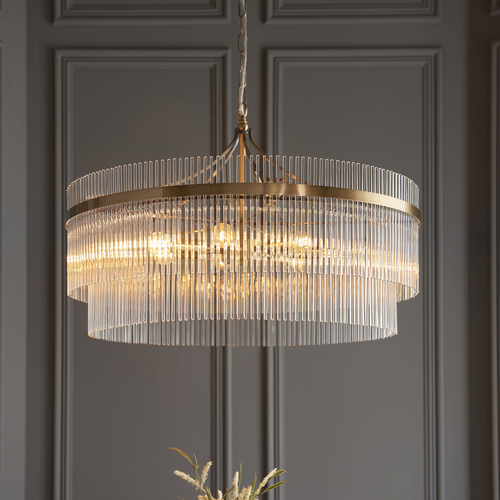
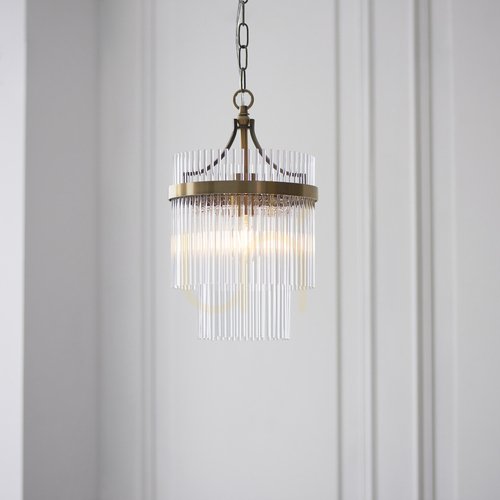
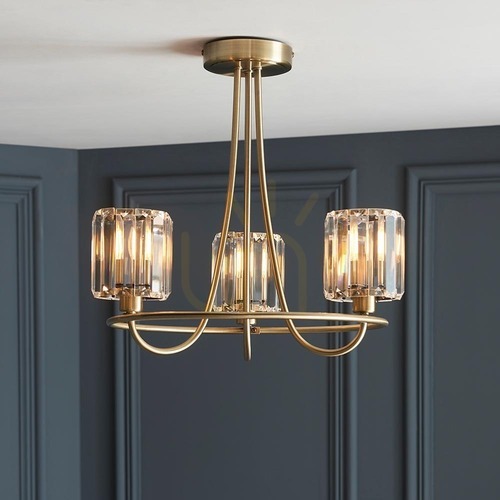
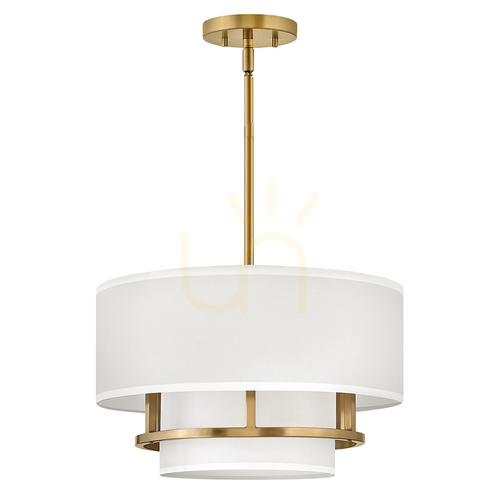
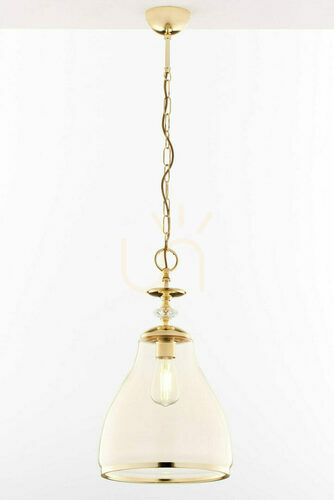
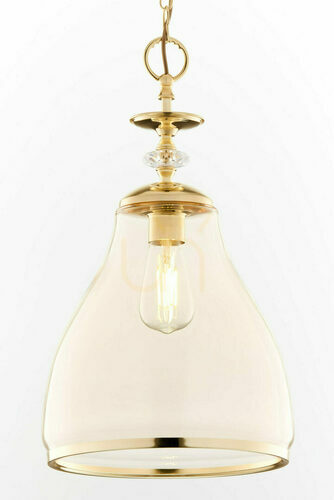
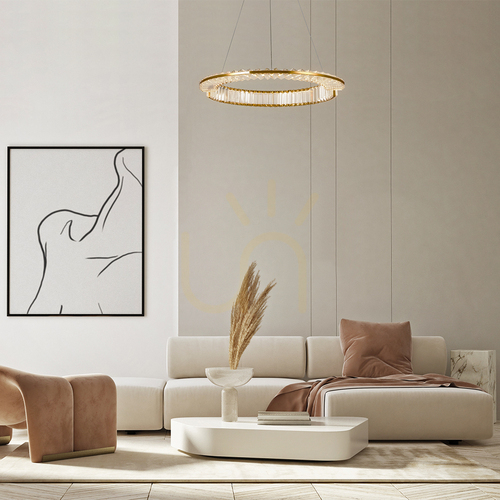
Brass pendant lamps have been at the forefront of lighting solutions chosen by designers and home users for years. With its soft sheen, deep color and impression of solidity, the brass pendant lamp has a dual function: to illuminate and decorate the. This lighting combines artisanal class with modern LED technology, so it performs equally well in modern classic style apartments, loft interiors and elegant minimalist spaces. In this guide, we show you how to consciously choose brass pendant lamps for living rooms, dining rooms, kitchens, bedrooms, communication areas and commercial facilities, how to plan mounting heights, select light color and light output, and how to care for the metal - so that the brass pendant lamp will retain its noble character for years.
Why brass? Advantages of the material
Brass is an alloy of copper and zinc, valued for its durability, resistance to corrosion and ease of processing. In interior lighting, it has another advantage: its color introduces warmth without aggressive flashing. Compared to gold, it tends to be more subtle, and visually friendlier towards steel. The brass pendant lamp works like jewelry with a soft sheen: it reflects light, but does not dominate. Works well with wood, marble, concrete, glass, ceramics and textiles. It adds "soul" to modern interiors, classic - freshness, and loft - nobility. Importantly, the brass finish can be polished, brushed, satin or aged (patinated). Each of them changes the perception of the form: polished accentuates elegance, satin calms, and patina emphasizes vintage.
Typologies and forms - which brass lamp to choose?
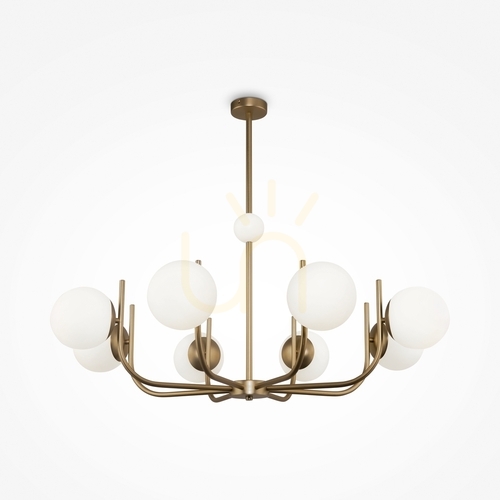
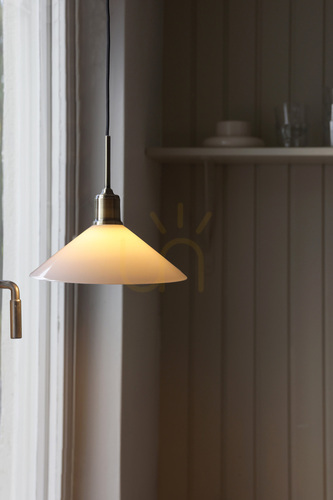
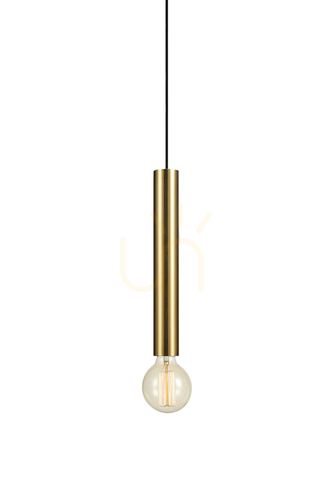
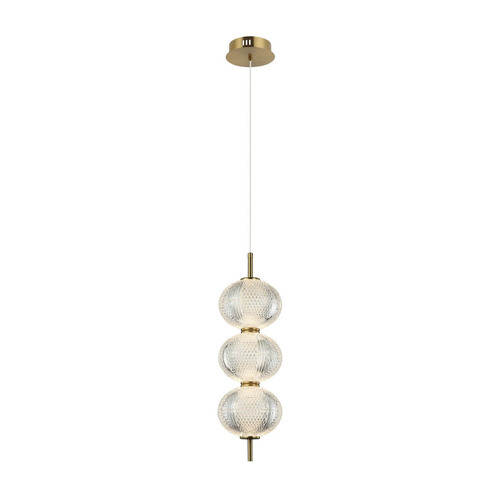
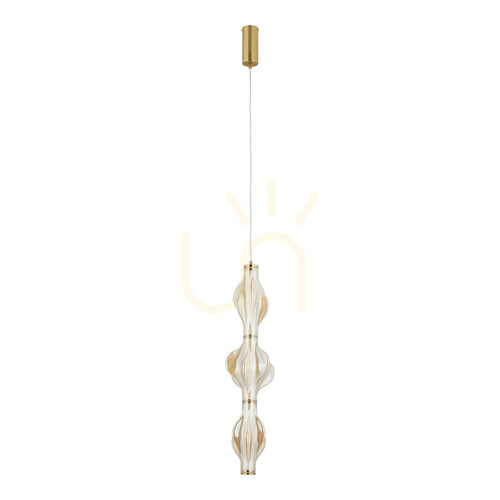
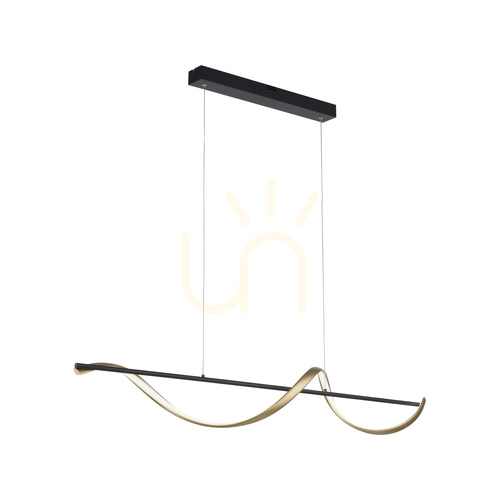
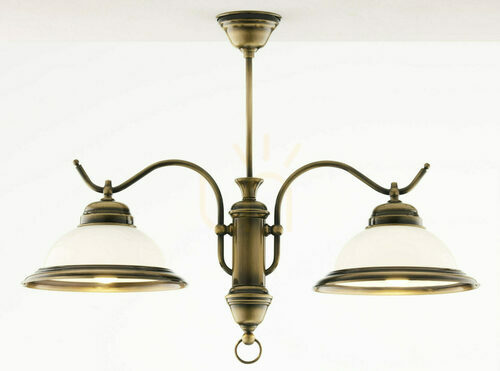
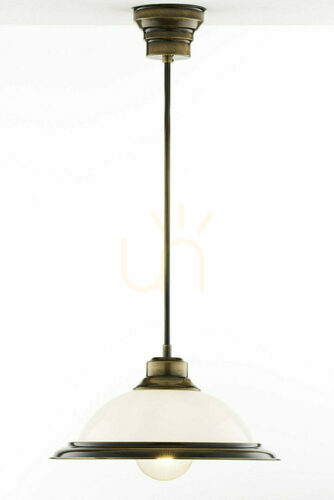
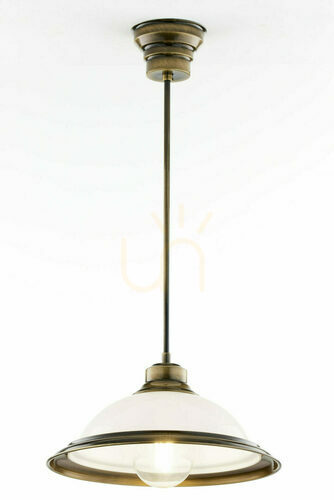
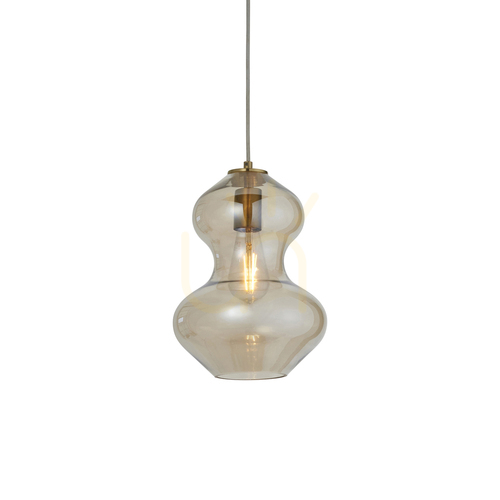
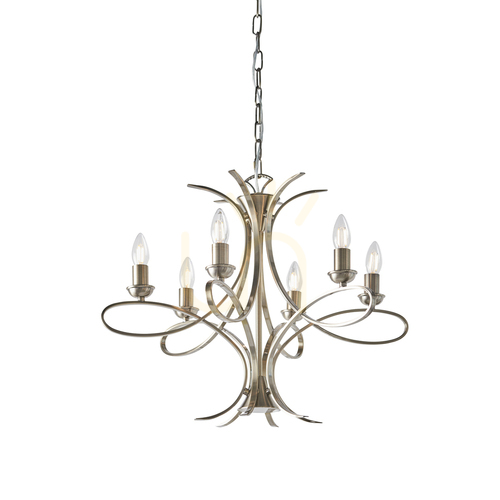
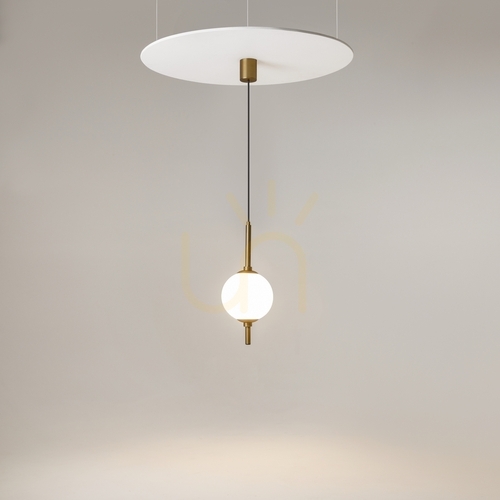
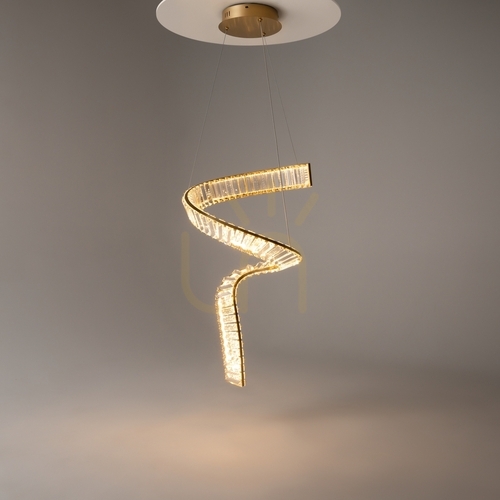
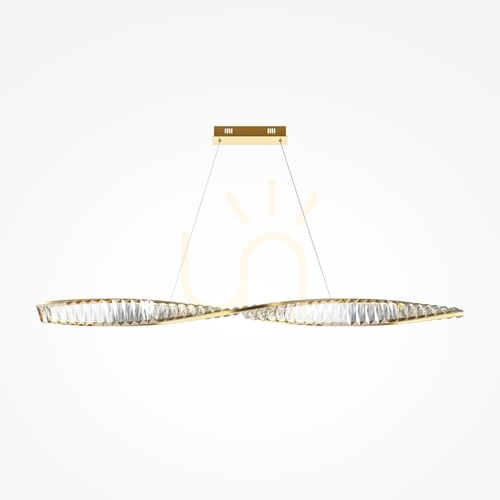
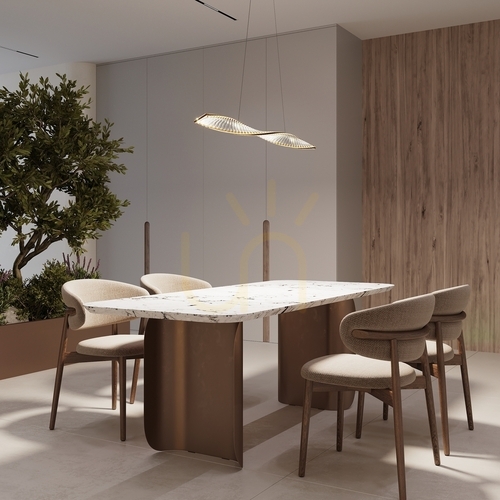
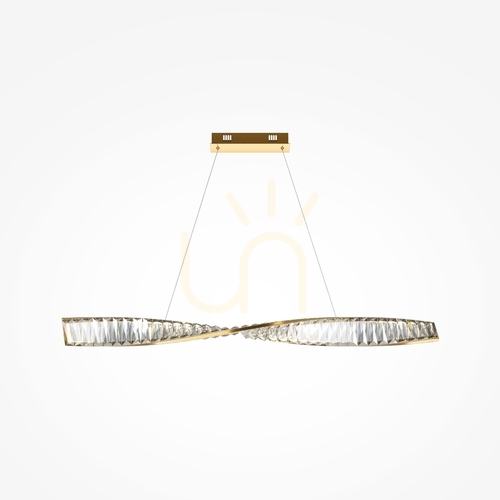
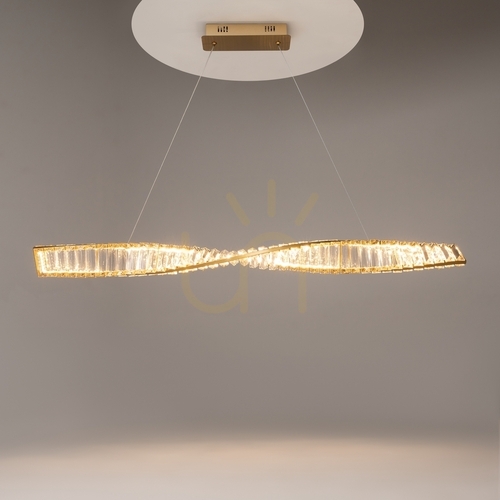
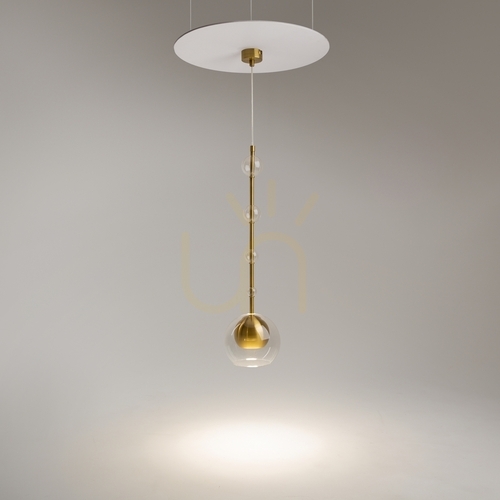
The market offers a wide spectrum of models. Popular choices include milk glass spheres with gold details, simple tubes and cones for the kitchen, flat plates over the table, elaborate "spiders" and linear lamps for long countertops. Within a single design language, wire diameters and lengths can be mixed, resulting in a cohesive but lively composition. Brass pendant lamp can be the protagonist (large shade, low overhang) or the background (smaller light points in series). Scale is important: a shade that is too small will die over a large table, one that is too grand will overwhelm a small dining room.
Brass finishes - polished, satin, brushed, patina.
- Polished brass - high gloss, glamour effect, stronger light reflections, great duo with marble and glass.
- Brushed/satin brass - subdued, elegant, works well in home offices and modern kitchens.
- Patinated brass - conscious "history" on the surface, vintage/retro vibe, interesting juxtapositions with wood and stoneware.
The choice of finish affects whether brass pendant lamps will play first fiddle or complement the material palette.
Selection for rooms - practical scenarios
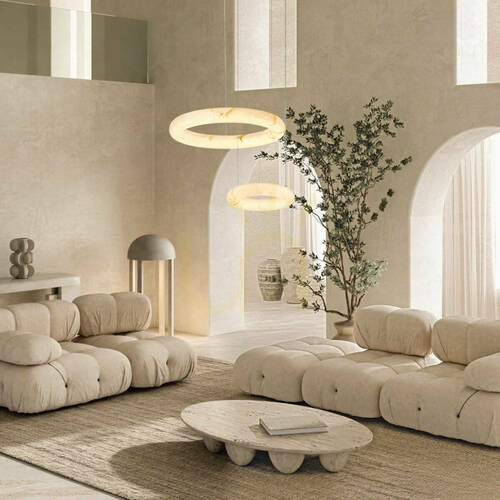
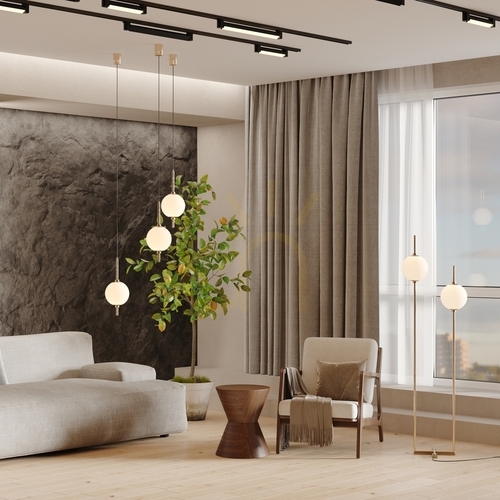
Living room: a central brass pendant lamp over the coffee table marks the lounge area; in larger living rooms, a duo works well - a central lampshade and a smaller lamp over the reading seat.
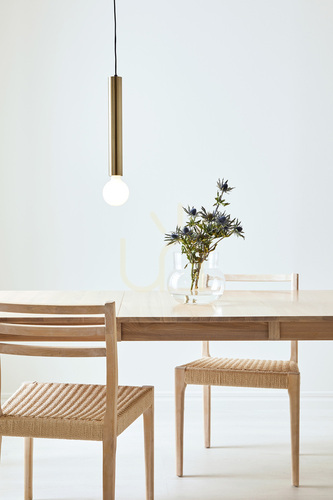
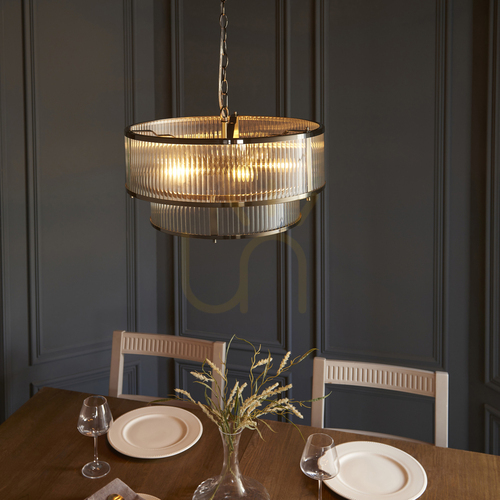
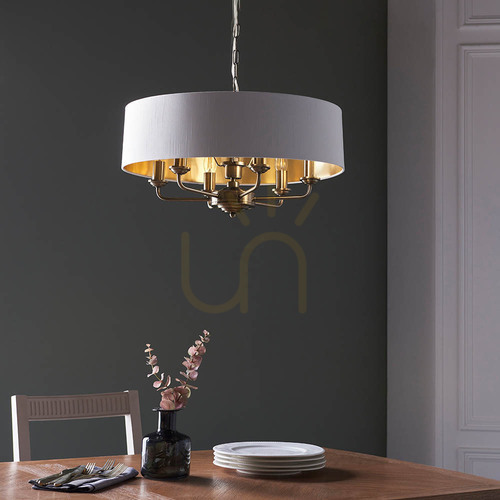
Dining room: above the table, hang the lampshade 70-85 cm above the tabletop; the diameter of the lamp is usually 1/3-1/2 of the table width. Instead of one large one, you can hang three smaller ones in a row.
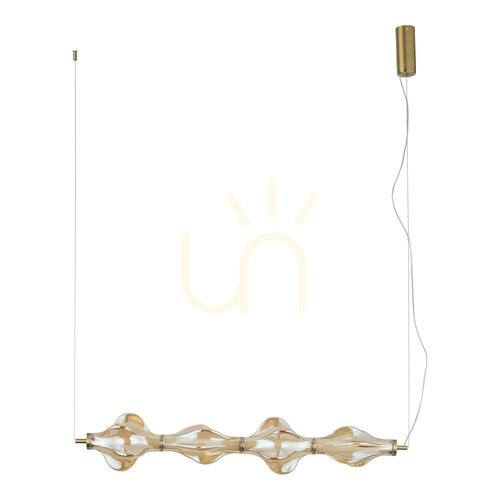
Kitchen: Above the island, three tubes or one linear lamp - the rhythm organizes the space and evenly illuminates the countertop.
Bedroom: Two overhangs on sides of bed free up bedside table tops; choose shades that reduce glare.
Corridor/stairs: smaller luminaires in a row guide the user and provide rhythm.
Bathroom: In areas exposed to moisture, pay attention to the increased tightness of the luminaires (IP in accordance with the place of installation).
Light - color, flux, CRI and dimming
Brass loves warm color temperatures. For relaxation areas we recommend 2700-3000 K, for kitchen and work 3000-3500 K.. High color rendering index (CRI 90+) makes fabrics, wood and food look natural. If the lamp has transparent glass, choose sources with a larger diffuser or milk bulbs to reduce glare. Dimming (triac, DALI, Zigbee, Wi-Fi) allows one luminaire to create different scenes: a meal, a conversation, a movie screening.
How many lumens? Indicative guidelines
- Dining room (over a table of 6-8 people): 1,000-2,000 lm, depending on the color of the tabletop and the height of the suspension.
- Living room (coffee area): 800-1,500 lm as mood light + side lighting.
- Kitchen (island/countertop): 1,500-3,000 lm spread over several points or a linear lamp.
- Bedroom (overhangs by the bed): 2×300-600 lm, warm color and dimmer for comfort.
Proportions and heights - quick rules
- Above the table: the lower edge of the lampshade usually 70-85 cm above the tabletop.
- In the aisles: min. 200-210 cm from the floor to the lower edge of the lamp.
- Shade diameter: 1/3-1/2 of the table width.
- Spacing of three lamps: equal spacing, and the extreme axial min. 20-30 cm from the edge of the countertop.
Treat the rules flexibly - what matters is the comfort of vision and the proportions of the interior.
Compositions - how to combine brass pendant lamps in a series
Sequences of three identical lampshades organize the rhythm of the dining room and kitchen. Cascades of varying lengths create a sculptural installation in high spaces. If you choose a mixture of diameters, repeat two motifs (e.g.. sphere + tube), and leave the third as an accent. Throughout the apartment, repeat the shade and texture of brass in details - handles, mirror frames, small accessories - you then tie the composition together without the impression of exaggeration.
Comparison: brass vs. gold
Gold tends to be more shiny and cooler in appearance; brass is warmer, less "flashy", easier to juxtapose with raw materials. In practice, the brass pendant lamp is more likely to prove itself as a long-lasting element that does not tire the eye, but is still associated with class.
Accompanying materials - glass, wood, stone, fabrics
Brass combines excellently with milky glass (soft diffusion), smoky glass (contrast and depth) and transparent glass (lighter visual effect). With wood it forms a warming duo, with concrete - a modern counterpoint, with marble - a luxurious classic. Fabrics (linens, velours) enhance the feeling of coziness.
Maintenance and care of brass
Start cleaning with a dry microfiber cloth. For tougher dirt, use a solution of water with a mild detergent, then pat dry. Treat lacquered finishes extremely gently; in unlacquered models, the natural patina is desirable and an asset. Avoid abrasives and hard sponges. Regularity matters more than aggressive chemistry - brass pendant lamps will repay the favor with brilliance.
Ecology and serviceability
Brass is recyclable, and luminaires designed for light source replacement extend the product's life cycle. Bet on designs where the LED module, fixture or cable can be replaced - this realistically reduces the environmental footprint.
Safety and installation - what to keep in mind
Pay attention to the load capacity of the ceiling mount and the quality of the soffit. The cables should be of sufficient length and adjustable. In bathrooms, choose the IP rating for the mounting zone. Entrust the installation to a professional; correct electrical connections and sensible wire routing ensure safety and trouble-free operation.
The most common mistakes and how to avoid them
- Too small scale of the luminaire over a large table - better one larger or several smaller ones in a row.
- Suspension too high - light "escapes" and faces are underexposed.
- Visible, glaring source - choose a milky bulb or diffused shade.
- Haphazard mixing of metal shades - stick to one tone of brass throughout the interior.
Brass pendant lamp in different styles
Modern classic: a sphere of milky glass on brushed brass as discreet luxury.
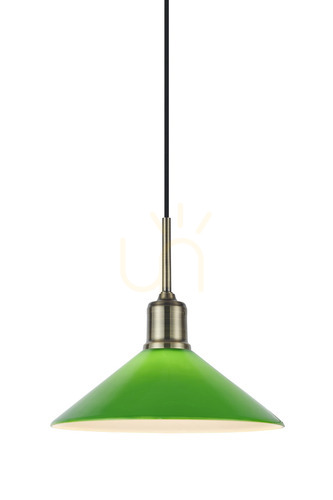
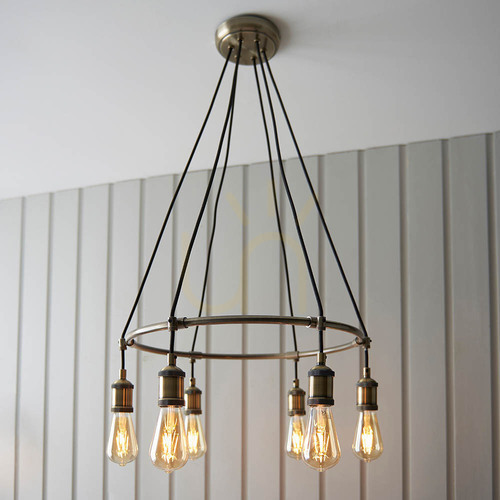
Loft/industrial: simple tube or "dome" type lampshade on black wire, brass as concrete warming.
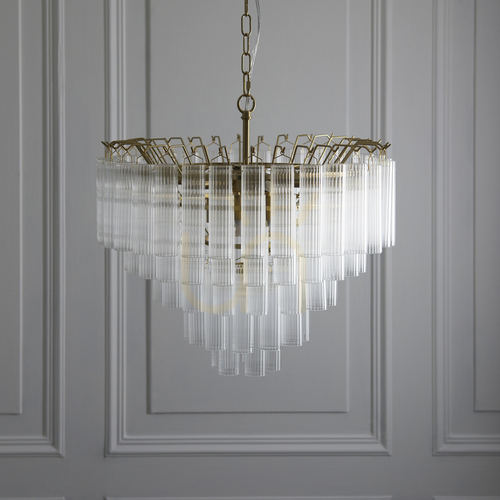
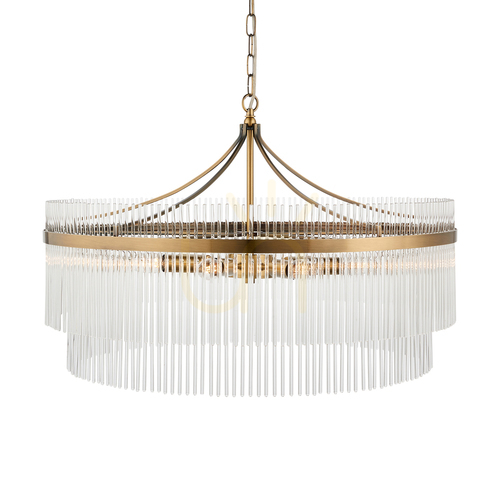
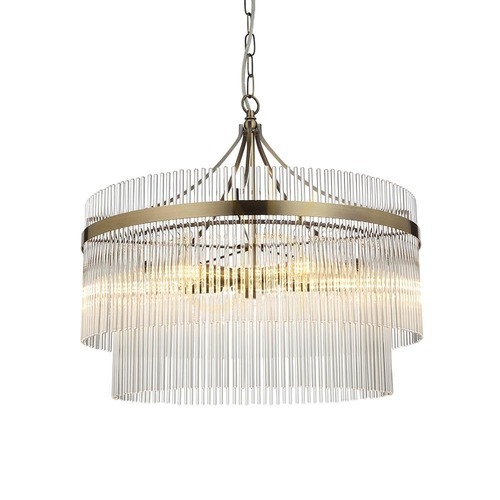
Glamour/art déco: multi-point compositions, geometric arms, combination with smoked glass.
Minimalism: light linear lamp - only what you need, in satin brass.
Kitchen and dining room - selection practice
If the countertop is dark, increase the light output or lower the suspension. For folding tables, consider a linear lamp or three points to maintain uniformity. Remember easy cleaning: the smooth surfaces of the lampshades and access to the bulbs shorten daily maintenance.
Bedroom and relaxation areas
In the bedroom, a brass pendant lamp in the role of a bedside lamp works great: you gain a free tabletop, and the light goes exactly where you need it. Bet on dimmers and lampshades that do not dazzle when changing position. Use lower luminance levels and warm colors in the TV area.
Corridors, staircases, high spaces
On staircases, cascades and chandeliers with wires of different lengths work - they fill in the vertical and make orientation easier. In long corridors, the rhythm of smaller luminaires organizes the traffic flow and adds dynamics.
Smart features and control
Brass pendant lamps work well with smart controls: "meal", "work", "cinema" scenes, daily color temperature schedules, presence sensors. Control by app, remote control or voice increases convenience and reduces energy consumption.
FAQ - frequently asked questions
Does a brass pendant lamp fit in a small apartment? Yes - choose a satin finish and smaller diameters; you'll keep it lightweight.
Does brass age? Naturally - in unpainted models patina appears. It's a feature, not a flaw.
How to choose the light color? 2700-3000 K for relaxation, 3000-3500 K for work and kitchen.
Do you need a dimmer? Yes, if you want one lamp to handle different scenes and moods.
Pre-purchase checklist
1) Determine the function: main light or accent light.
2) Measure the countertop/table and ceiling height.
3) Choose a brass finish (polished, satin, patina).
4) Decide on the number of points and how the light will diffuse.
5) Check dimming compatibility and type of fixture.
6) Plan suspension height and spacing.
7) Consider ease of cleaning and servicing.
Examples of color and material combinations
- Satin brass + green accent + smoked glass - an elegant, calming palette.
- Polished brass + marble + black - a premium dining room effect.
- Patinated brass + brick + raw wood - loft atmosphere with soul.
- Satin brass + light oak + linen - cozy minimalism.
Case study - three meters, three strategies.
A 32 sq. m. bachelor apartment: one linear lamp above the work-dining table + a small sphere by the sofa.
Apartment 58 m²: three tubes over kitchen island + sphere in dining room; consistent brass in details.
140 sq. ft. house: cascade in the hallway (various wire lengths) + large lamp over 8-seat table; scene dimming.
Technical specifications - quick guide
Fixture: E27/G9/GU10 or integrated LEDs.
Power supply: check the voltage range and type of dimming.
CRI: recommended ≥90.
CCT: 2700-3500 K at home..
IP: match to zone (e.g.. bathroom).
Installation: solid soffit, proper anchors, safe cable routing.
How to avoid glare and reflections
Choose shades with diffusers or milk bulbs. Position the lamp so that the light source does not reflect in the TV or laptop screen. In the kitchen, avoid low overhangs in the axis of the hood - grease and steam will be less troublesome.
Trends - what will be fashionable tomorrow
Modular, expandable lamps and satin, warm brass tones are growing in popularity. Design is moving toward soft curves, organic shapes and better acoustics (shades made of sound-absorbing materials).
Summary
Brass pendant lamps combine technology and timeless aesthetics. A well-chosen brass pendant lamp can glue together a palette of materials, delineate functional zones, and build a mood - from everyday dining, to working at the island, to evening relaxation. When choosing a brass pendant lamp pay attention to proportions, light color, visual comfort and serviceability. This will give you lighting that will work and delight for years to come.
Technical appendix - in-depth design tips
Selection of diameter and wattage: for a round table with a diameter of 100-120 cm, a 35-50 cm lampshade or a set of 3×20-25 cm works well.. For 240-300 cm tops, consider a 90-120 cm linear lamp or a sequence of 3-5 smaller shades. Adjust the mounting height according to the height of the household members and seated prospects - it's the lack of glare of the caller that counts. Use a consistent tone of brass in the open floor plans of the apartment, but vary the forms to clearly mark functions. Scene control lets you switch between work and relaxation modes with a single click. In dark arrangements, increase the flux by 10-20% relative to light ones, in light ones - bet on dimming.