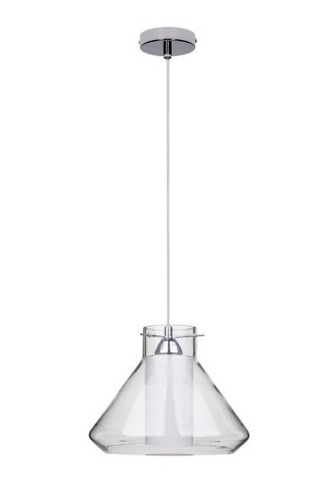
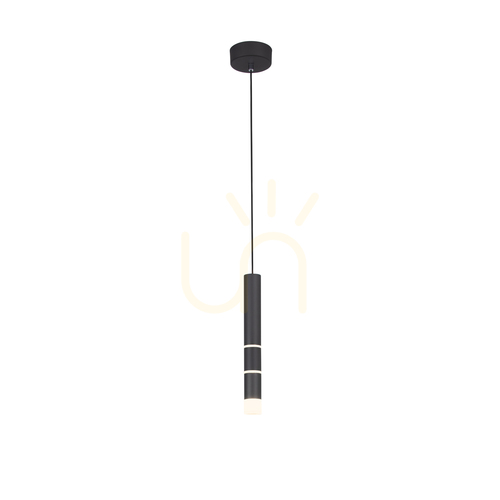
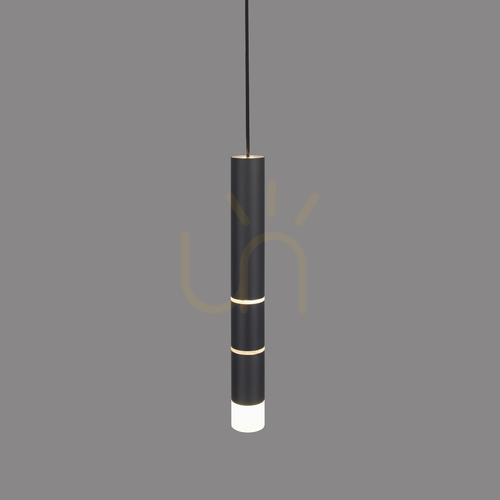
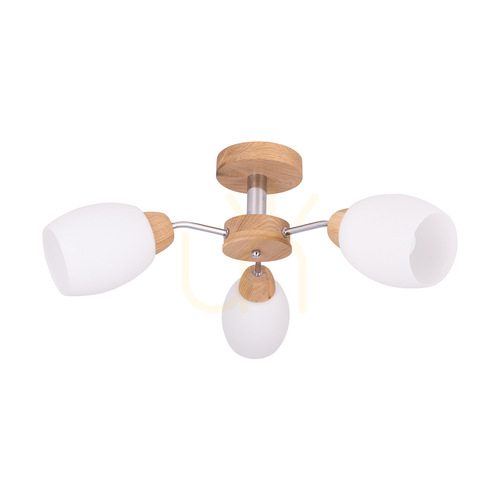
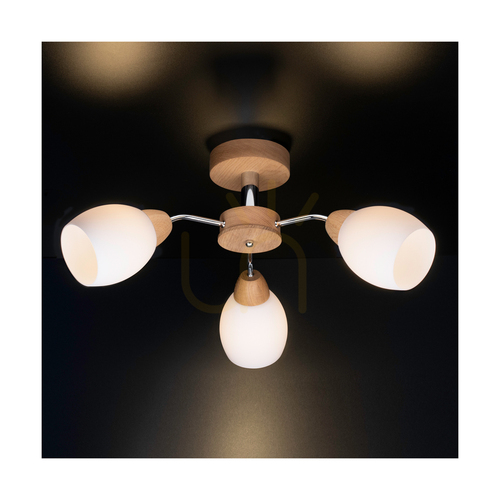
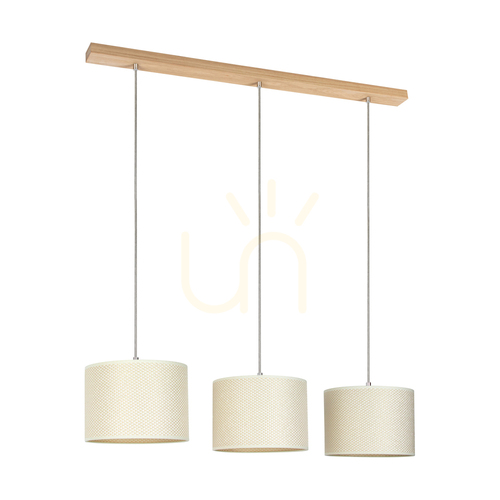
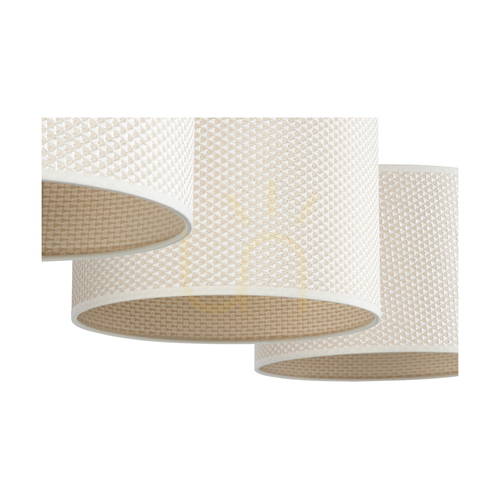
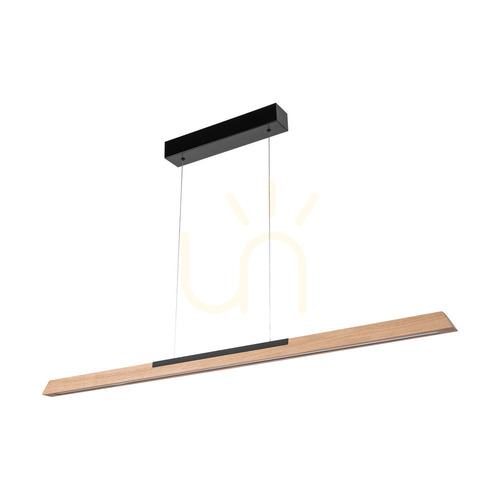
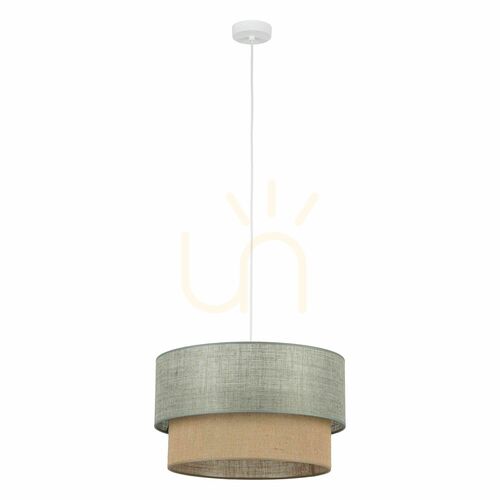
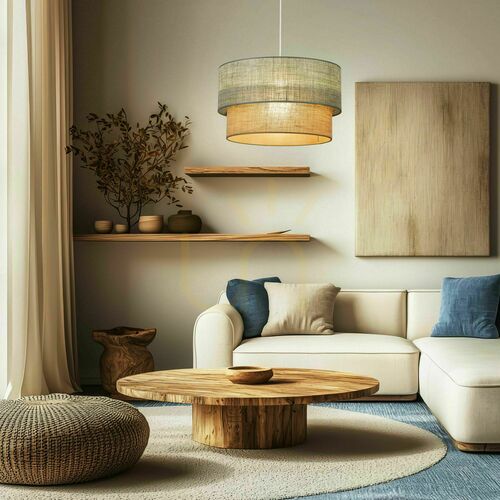
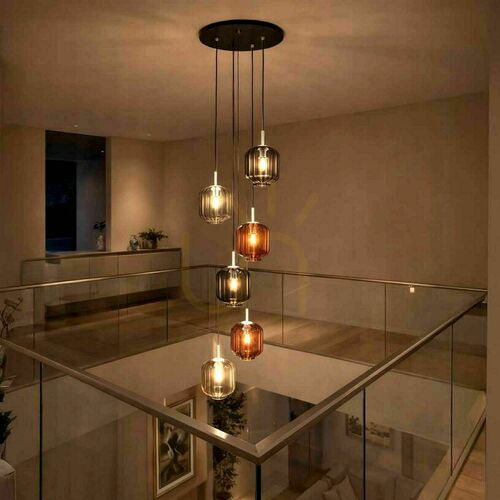
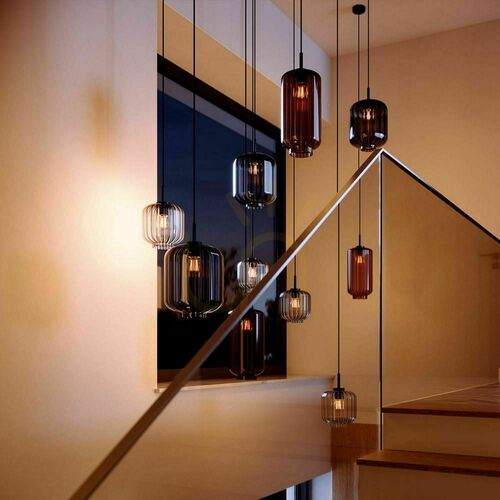
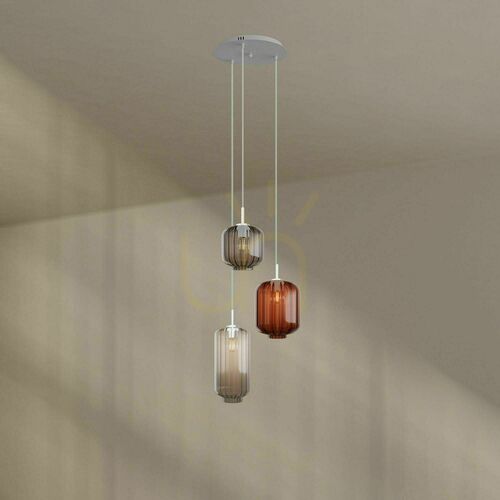
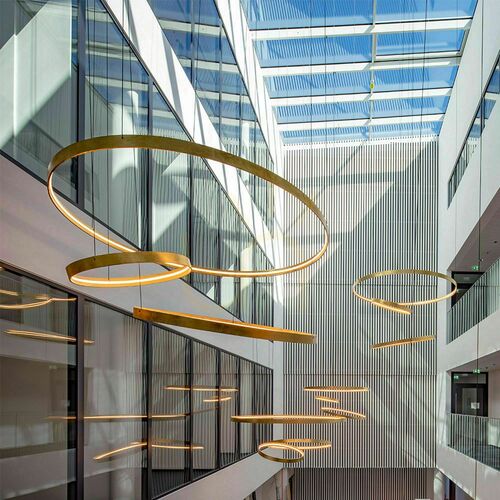
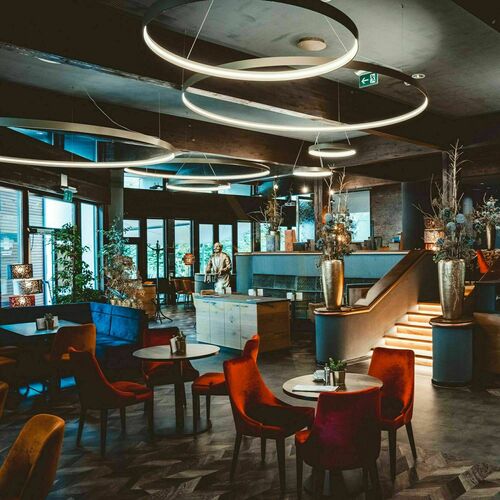
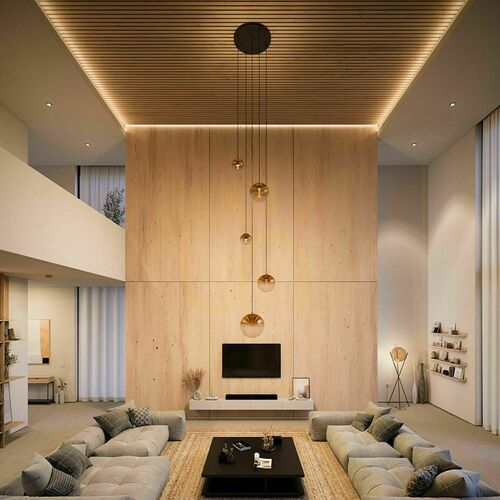
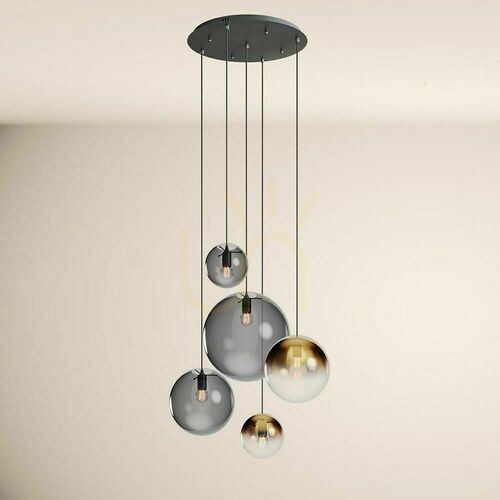
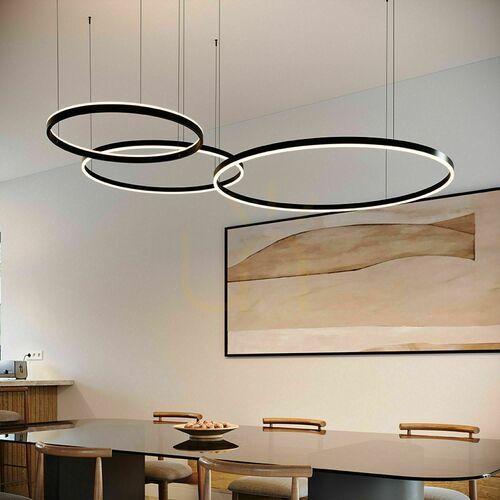
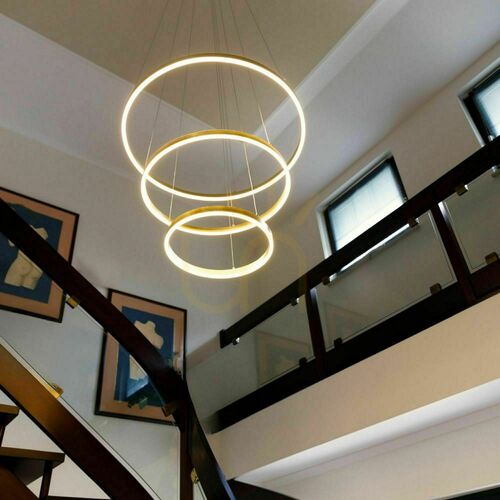
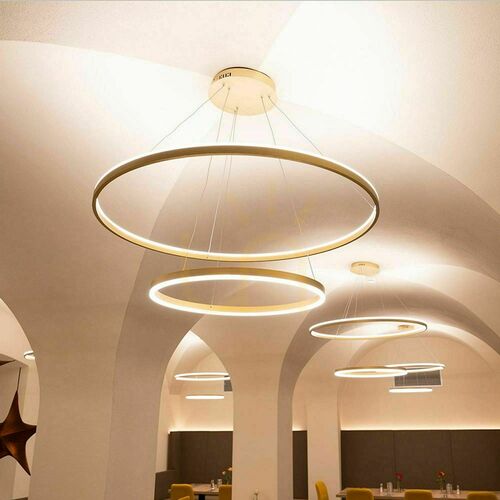
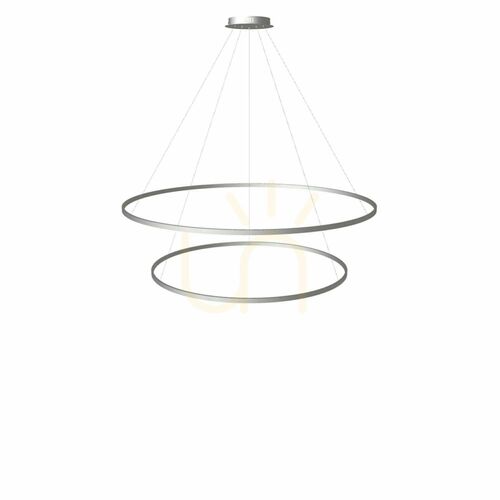
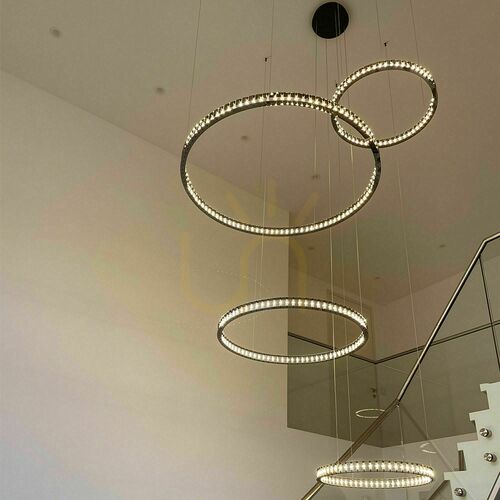
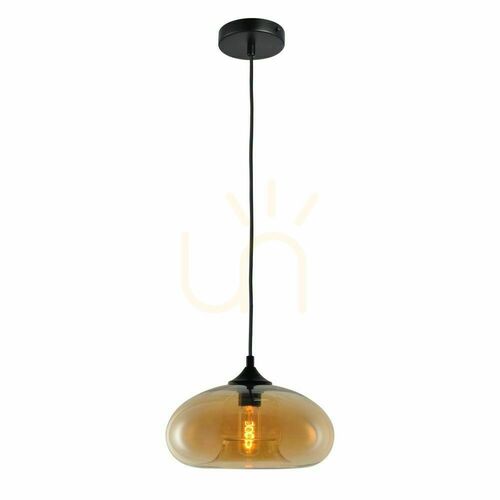
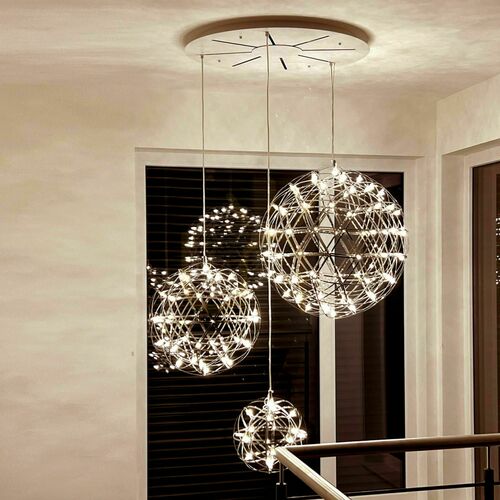
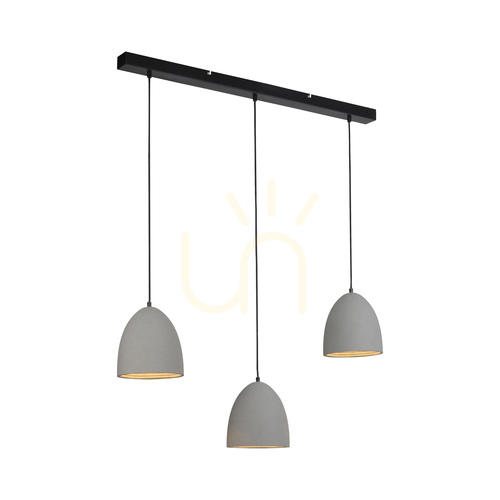
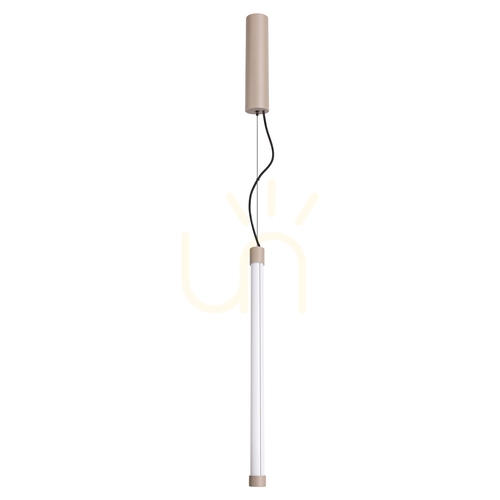
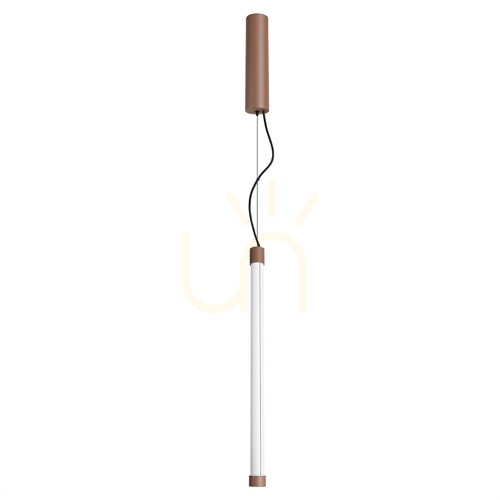
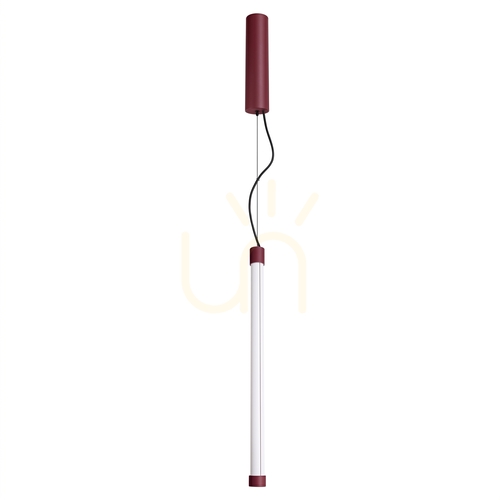
The right hall ceiling light hangs high enough that nobody clips it on the way in, and spreads light across the walls rather than dropping a single bright circle on the doormat. Choosing a pendant rather than a flush fitting for the hallway changes the brief: in a dining room you sit beside the shade, but in a hall you walk straight underneath it with coats, shopping and the odd bike, so headroom and glare matter before style does.
Start with your ceiling, not the shade
British hallways vary more than almost any other room. A modern build often has ceilings of about 2.4 m, while a Victorian or Edwardian terrace may have a long, narrow hall with 2.7–3 m or more above your head. Aim to keep the bottom of the pendant at roughly 2.0–2.1 m from the floor, which is just above a standard internal door. Take that figure away from your ceiling height and you have the maximum drop for the whole fitting, flex and shade included.
| Your hallway |
What usually works |
| Ceiling below about 2.4 m |
flush or semi-flush fitting rather than a true pendant |
| New build, 2.4–2.5 m |
short drop, fitting no taller than about 30–45 cm overall |
| Period terrace, 2.7–3 m+ |
longer drop, larger shade or a lantern-style pendant |
| Narrow hall up to 1.2 m wide |
shade around 20–35 cm across, centred on the walkway |
| Long corridor |
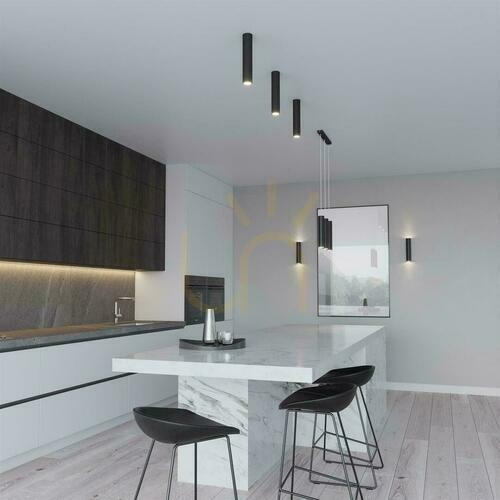
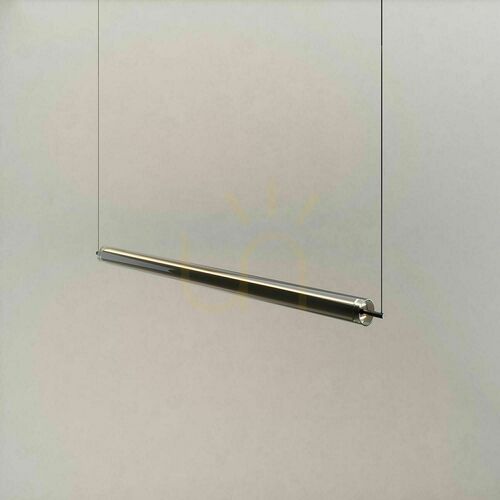
matching pendants roughly every 1.5–2.5 m, or one linear fitting |
| Brightness |
about 100–150 lm per m² of floor; more if the hall has no window |
Most hallway pendants take a standard bulb, either B22 bayonet or E27 screw, so you choose the brightness and warmth yourself. Fittings with integrated LED tend to be slimmer, which can buy back a few centimetres of headroom under a lower ceiling.
Glare, spread and the narrow-hall problem
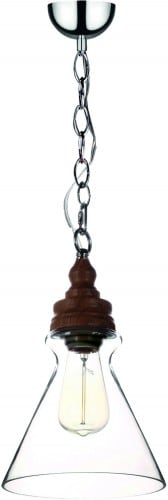
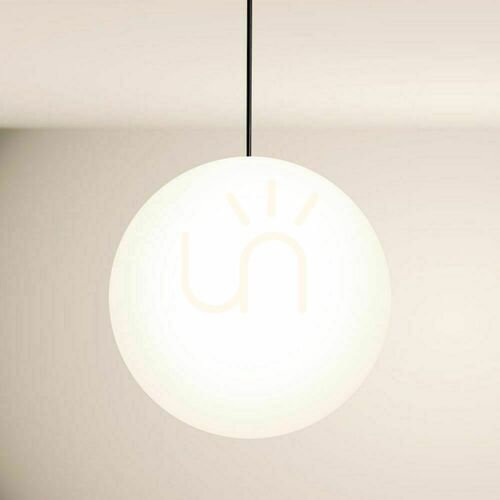
You look up at a hall light far more than at one in the living room, often straight into it as you come through the front door. A clear glass shade with a bare filament bulb at 2 m can be dazzling. Opal or frosted glass, fabric drums and shades closed with a diffuser at the base are kinder on the eyes.
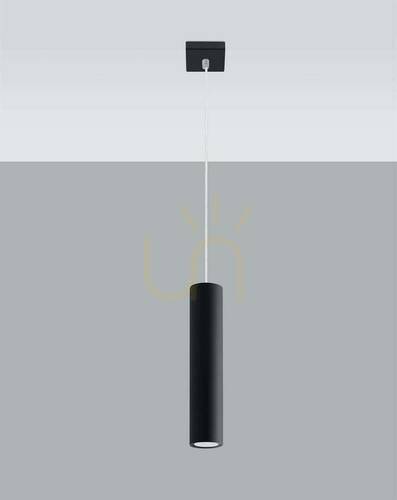
Spread matters just as much. A closed metal dome throws light downwards, so the floor is bright and the walls stay dim, and a narrow hall feels narrower still. Shades that also let light out sideways and upwards brighten the walls and ceiling, which makes the space feel wider. A warm white of 2700–3000 K suits most hallways; cooler light can feel clinical when you come home on a winter evening.
Hall, stairs and landing
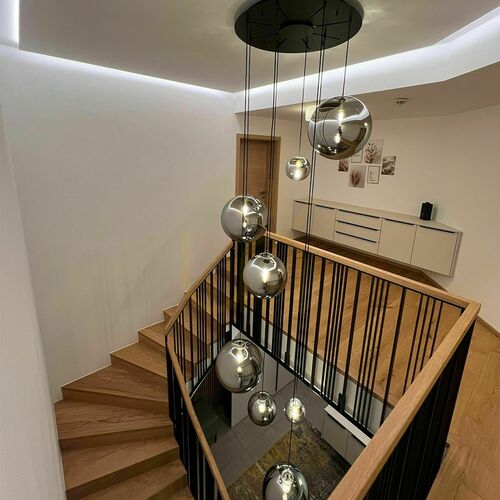
In many British homes the hall opens straight onto the stairs, so the hall light, the stairwell and the landing are seen together. It helps to pick fittings in the same finish, or the same family of shapes, for all three. Two-way switching, with a switch at the front door and another at the top of the stairs, is standard in a hall and landing, and a long ground-floor corridor benefits from the same arrangement at each end. A motion sensor is another option if you often come in with your hands full.
A pendant above head height is no help at the mirror, because overhead light casts shadows under the eyes. Add a wall light at face level by the mirror or coat hooks, ideally with a colour rendering index (CRI) of 80 or better, 90 if you check your outfit there.
Fitting and looking after it
-
Installation: wiring a ceiling light on 230 V mains is a job for a registered electrician. The flex is usually cut to length during fitting; an adjustable cord grip makes later tweaks easier.
-
Weight: heavy glass or multi-arm pendants need a fixing suited to your ceiling, particularly plasterboard or lath and plaster in older houses.
-
Dust: the hall gets more grit from outside than other rooms, and open-topped shades collect it. Switch off, let the bulb cool, then wipe glass with a soft cloth; go over fabric with a lint roller or soft brush.
-
Dimming: needs both a dimmable bulb or LED fitting and a compatible dimmer switch.
Questions people ask
What is the best type of ceiling light for a hallway?
With a ceiling of about 2.4 m or more, a pendant on a short drop with a diffused shade gives both style and even light. Below that, a flush or semi-flush fitting is safer. Either way, choose a shade that lights the walls, not just the floor.
What is the best ceiling light for a small hallway?
Something compact with a light-coloured, diffused shade around 20–35 cm across, hung on a short drop. In a very low or tight hall, a flush fitting plus a wall light usually works better than a pendant.
What lighting is best for a hallway?
Layered lighting: a warm, glare-free ceiling light for general use, plus a wall light at the mirror or coat rack. Windowless halls need a brighter main light than ones with daylight from the front door.
How low can a pendant hang in a hallway?
Keep its lowest point at around 2.0–2.1 m above the floor and clear of any door as it swings. Higher is almost always better in a walkway.
Can I use the same pendant for the hall and landing?
Yes, and it often looks more coherent. Just check each drop separately, because a landing over an open stairwell can take a much longer pendant than the hall below.
How many pendants do I need in a long hallway?
Roughly one every 1.5–2.5 m, depending on the shade size and bulb output. Keep them identical and on the centre line so the corridor reads as one space.
For shade shapes, drops and bulb types in general, see pendant lights. If your hallway leads straight up the stairs, there is more on long drops over a stairwell under staircase pendant lights.