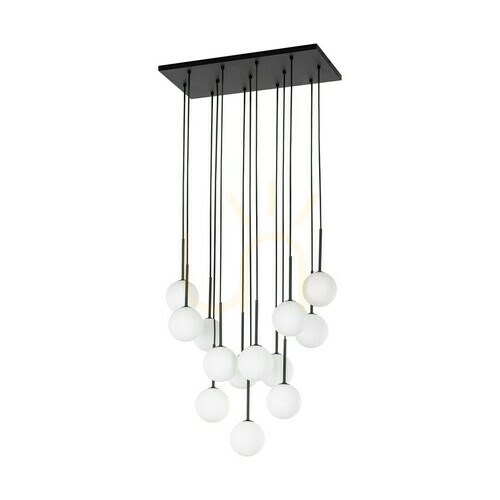
Scandinavian style pendant lamps - a guide to selection, arrangement and care
Scandinavian style in lighting combines simplicity, naturalness and convenience for everyday use. Pendant lamps in this vein are functional, visually neutral and timeless, making them easily adaptable to a variety of settings - from minimalist and modern interiors, to japanese and boho, to classic apartments with predominantly bright colors. This comprehensive guide shows how to consciously select a lamp, plan its location, combine it with other light sources, care for the materials and achieve the soft, welcoming ambience for which Scandinavian interiors are famous.
The essence of Scandinavian light
Scandinavian lighting focuses on brightness, balance and lack of excess. Pendant lamps usually have simple forms and a limited color palette, so as not to dominate the overall decor. The focus is on materials: light wood, lacquered metal, milky glass and subtly textured fabrics. The quality of light dispersion also matters - lampshades are often frosted or translucent to gently soften shadows and not dazzle. In the Scandinavian approach, light is meant to serve everyday life: it is supposed to be conducive to relaxing, reading, working at the table and family conversations, while at the same time building coherence in the arrangement.
Features of Scandinavian pendant lamps
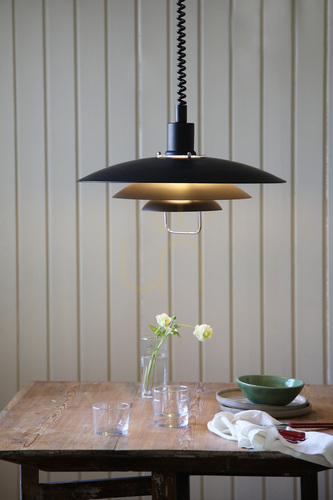
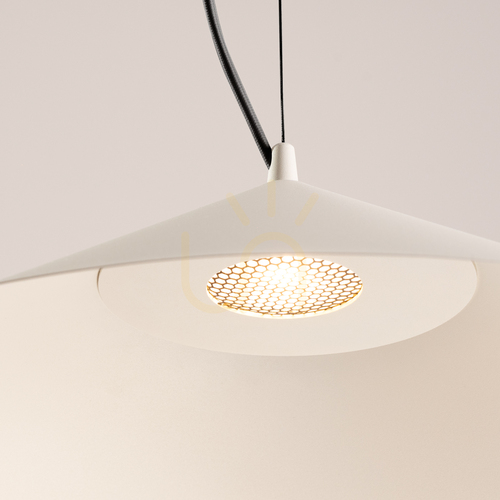
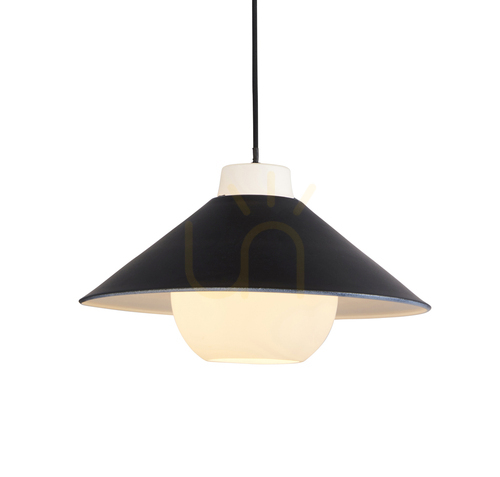
The most common are lampshades with geometric, clear shapes: spheres, cylinders, cones, delicate ellipsoids. The color scheme is based on white, gray, beige and pastels; there is also an appearance of faded black as a counterpoint. Wood introduces warmth and naturalness, metal provides durability, and glass is responsible for soft light diffusion. Many models provide for height adjustment, making it easy to fit the lamp to a table, kitchen island or relaxation area. The designers focus on details of high workmanship: precise joints, light proportions, balanced diameters of lampshades.
Materials and finishes - how to read their character
Wood
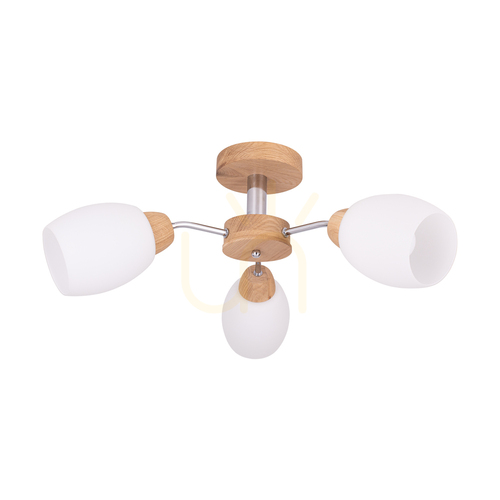
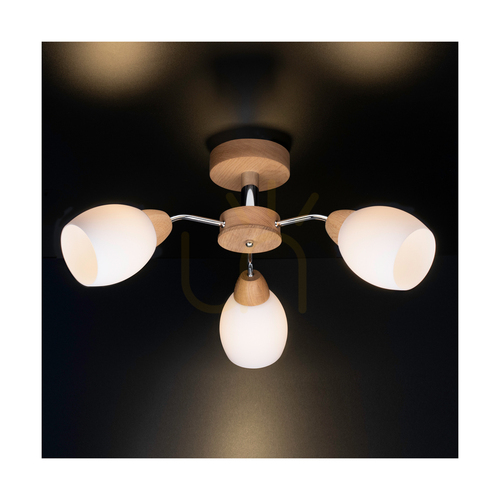
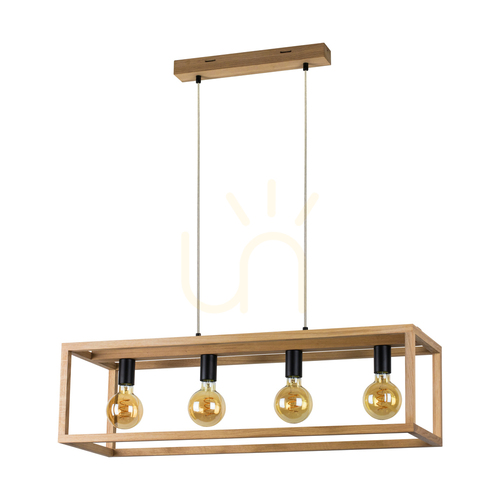
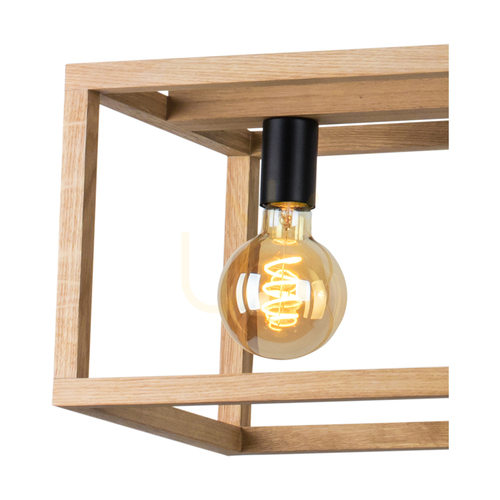
The most common is light beech, oak or ash, usually oiled or matte lacquered. Wooden overlays, rings and mounting details warm up the metal or glass and enhance the feeling of home coziness. Wood stands up well to the passage of time, and the gentle patination only enhances its natural charm.
Metal
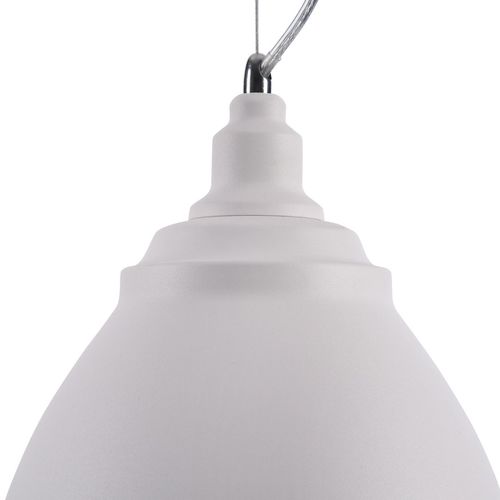
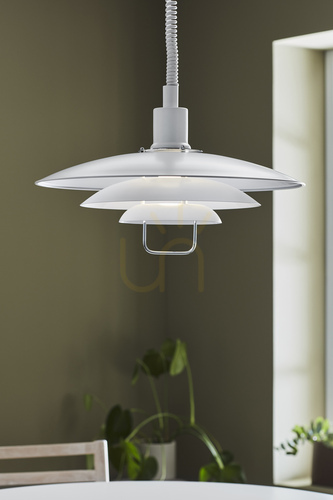
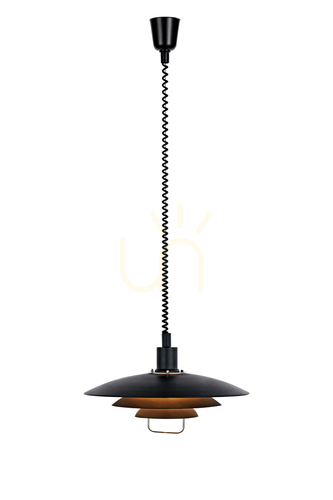
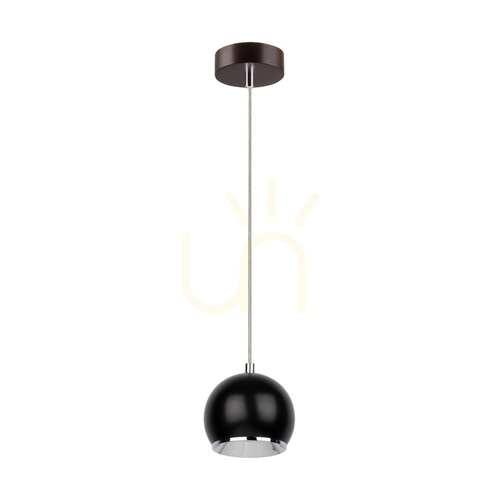
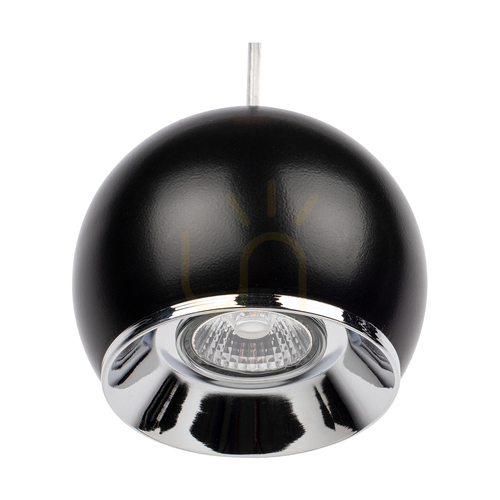
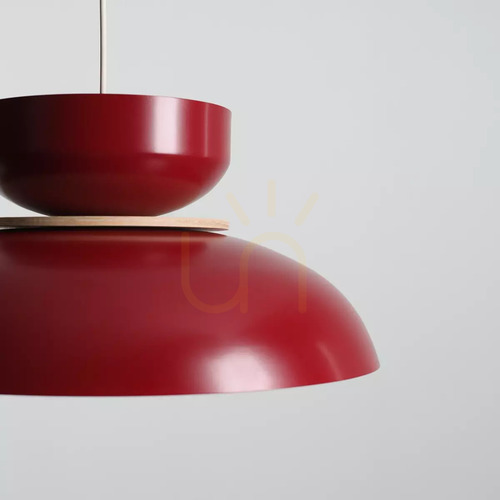
Matte or semi-matte lacquer on aluminum and steel is responsible for visual lightness and resistance to minor dirt. Versions in neutral colors are the most versatile, while black or graphite accents add expression in modern and loft spaces. The carefully shaped metal shade focuses or diffuses the light stream depending on the geometry and coating on the inside.
Glass
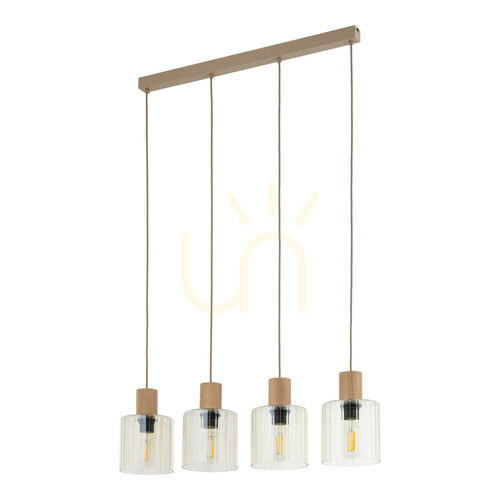
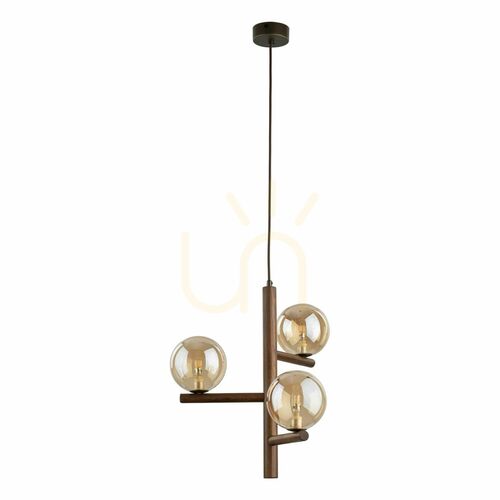
Milky glass is synonymous with soft, even light. Spherical or ellipsoidal lampshades make the lighting gentle on the eyes and do not create sharp contrasts. Transparent glass, on the other hand, exposes the decorative bulb and better illuminates the worktops.
Fabric
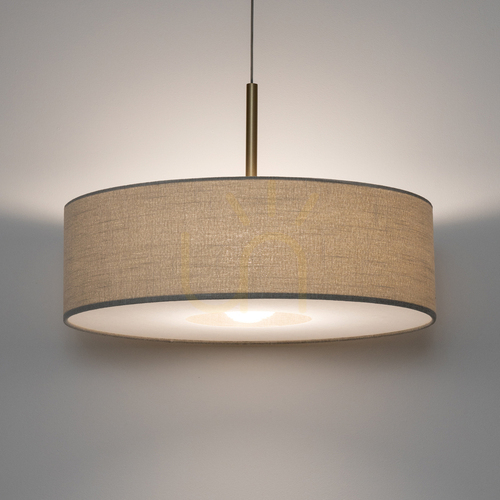
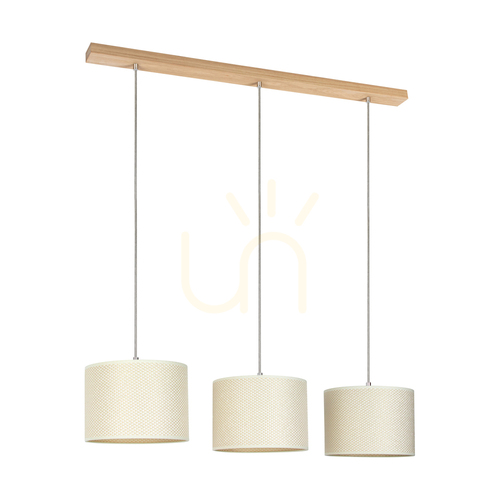
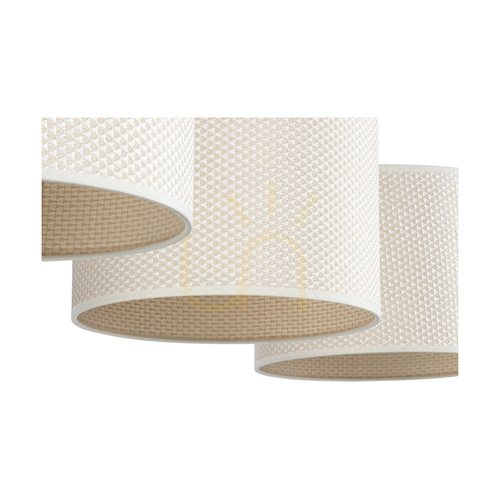
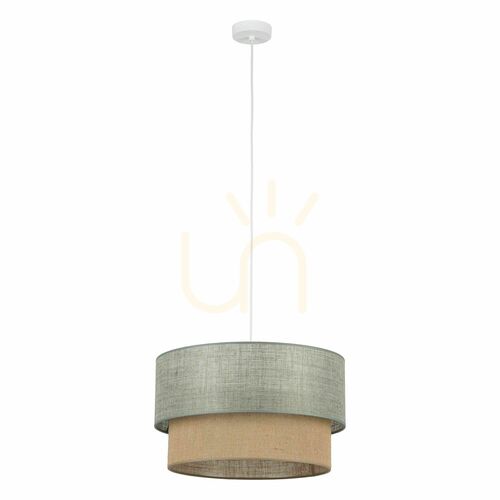
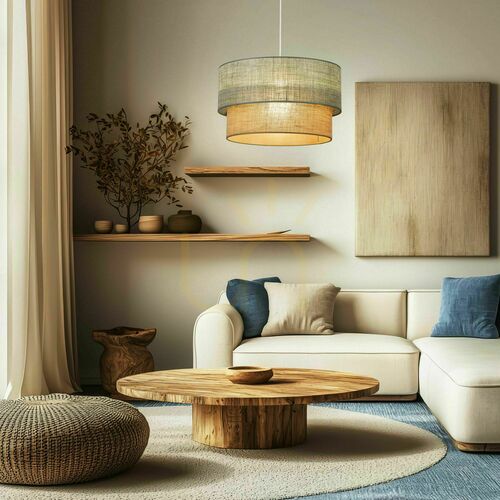
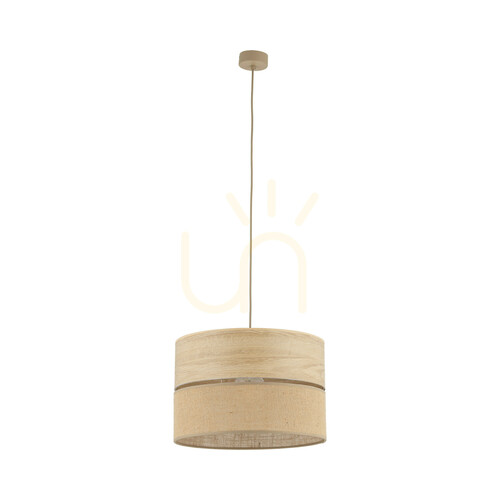
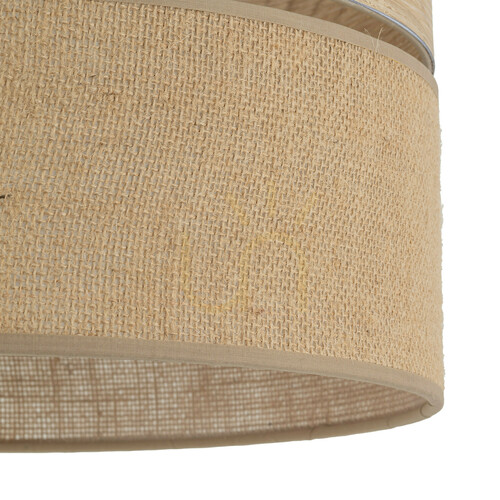
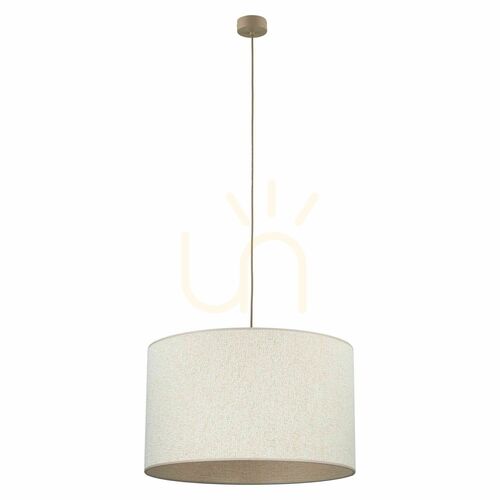
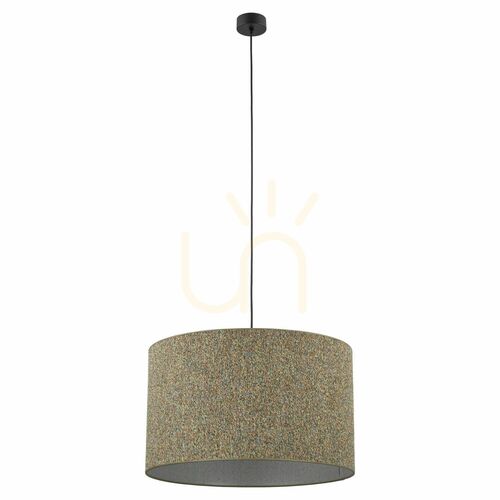
Textile lampshades - usually in natural shades - filter the light and enhance the feeling of coziness. In the bedroom and in the lounge area they give the effect of a lamp that even invites you to calm down and relax.
Scandinavian color scheme - how to choose lamp colors
The basis are light colors: white, ivory, sandy beige, soft grays and pastels. Such a palette builds serenity, brightens the interior and makes it easy to juxtapose the lamp with wood, stone or fabrics. Contrasting accents - black, graphite, dark olive - work well if you want a stronger rhythm of the arrangement, but still in the spirit of minimalism. It is worth remembering that the color of the lampshade affects the shade of light: white and milky brighten, darker coatings create a more intimate atmosphere.
Forms and proportions - from spheres to soft cones
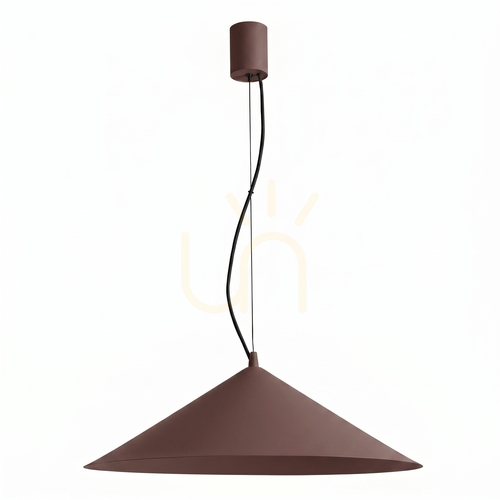
Milk glass spheres are the most versatile - they fit over a round table, in a narrow hallway and in a bedroom. Metal cones and hemispheres direct light downward better, so they pass the test over a kitchen countertop or coffee table. Ellipsoids and cylinders fit into arrangements where we are looking for optical lightness and flowing lines. In open spaces, compositions of several lamps of different diameters, suspended at varying heights, which gives the whole a rhythm and depth, work well.
Choosing a lamp for the room
Living room
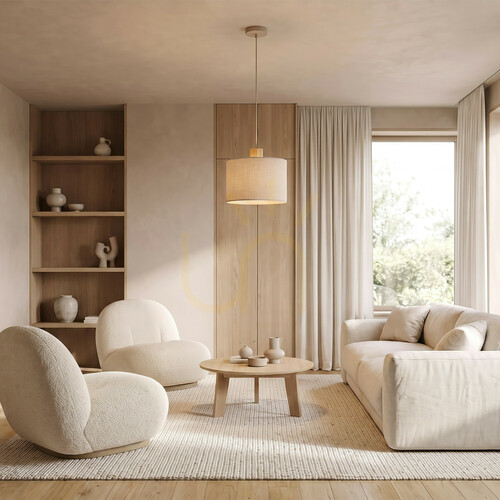
In the living room, a hanging lamp can determine the center of the composition. Hang a glass globe or a set of two smaller lamps above the coffee table to create a soft island of light. If the living room is connected to the dining room, use two different but related lamps to separate the functions of the space and maintain aesthetic consistency.
Dining room
Above the table, lampshades that direct light downward, but shielded enough not to dazzle, work best. For a long countertop, three small lamps hung at equal intervals are a good choice. Suspension height is usually about 70-80 cm above the countertop, which provides comfortable conversation and even lighting.
Kitchen
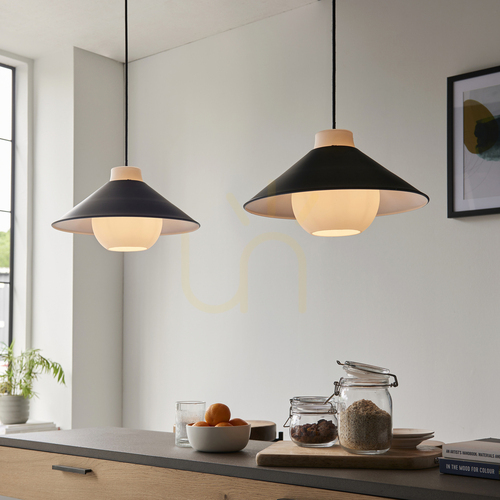
Scandinavian kitchen values functionality: above the kitchen island, lamps with a narrower angle of light will work well, which will precisely illuminate the countertop. Over the breakfast table, choose softly diffusing lampshades. It's worth combining a pendant lamp with under-cabinet lighting for a layered effect.
Bedroom
In the bedroom, the most important thing is the mood. Lamps with fabric lampshade or milk glass will build a soft light conducive to tranquility. In modern arrangements, instead of classic bedside lamps, a pair of small pendant lamps are used on either side of the bed - they free up the cabinet top and organize the composition of the wall.
Hallway and corridor
In narrow spaces it is important to have an even dispersion of light and optical lightness. Small, bright shades or milky spheres avoid dramatic shadows. If the corridor is long, consider two or three lamps spaced at equal distances.
Children's room and study
In children's rooms, materials that are easy to clean and light that does not tire the eyes are important. Simple milk glass or fabric lampshades work well with the pastel palette. In the office, bet on a fixture that evenly illuminates the desk while not overly reflecting the monitor.
Planning layers of light
Scandinavian effect is achieved by combining several levels of lighting. The pendant lamp is the general layer, while wall lamps and table lamps build mood and illuminate functional zones. LED strips under kitchen cabinets or in niches increase convenience. It is worthwhile to provide for dimming to change the atmosphere with a single gesture: from bright light for daily activities to intimate evening scenes.
How to choose the size of the lampshade and suspension height
The diameter of the lampshade should harmonize with the size of the countertop or zone it illuminates. Over a table of 90 cm in width, a lampshade with a diameter of 35-50 cm will work well, and at longer table tops three smaller lamps instead of one large one will look better. Suspension height over the table is usually in the range of 70-80 cm, over the kitchen island is sometimes slightly higher. In circulation spaces, try to leave at least 200 cm of clearance so as not to restrict freedom of movement.
Light color and intensity - how to achieve comfort
Warm white promotes relaxation and works well in the living room and bedroom. Neutral white makes kitchen work easier and will work well in the office. When choosing a lamp, pay attention to dimmability and compatibility with LED bulbs. In open spaces, graded power is helpful: brighter over the table and island, softer in the lounge area.
Installation and safety
Installation of the lamp is worth planning together with the layout of the furniture. Before installation, disconnect the power supply and make sure the mounting point will support the weight of the luminaire. For high ceilings and heavier lampshades, a sturdy hook or studs matched to the type of ceiling will be useful. If you are inexperienced, use the help of an electrician - you will gain confidence in the correct connection and aesthetic finish.
Care and durability of materials
Wipe metal and glass lampshades with a soft, dry cloth. If necessary, use a gentle glass cleaner, and maintain wooden parts with appropriate preparations. Textile lampshades are best vacuumed with a soft brush. Avoid aggressive detergents that could tarnish the paint or discolor the fabric. Regular maintenance improves not only aesthetic qualities, but also the quality and uniformity of light.
Trends and developments
In Scandinavian lighting, the role of natural materials and frugal forms is strengthening. Popular are compositions of several lamps of different diameters and models with milky glass on wooden details. Increasingly, solutions are appearing that allow control of brightness and light color, as well as luminaires made from recycled materials. Minimalism does not mean boring - subtle differences in textures, Depth of glass and subtle carpentry details add character to lamps.
The most common mistakes and how to avoid them
Too small a lamp over a large table gives the impression of a haphazard selection and does not illuminate the area. A fixture that hangs too high loses function and introduces unnecessary shadows. Too cool light color in rest area takes away from coziness. Lack of lighting layers results in monotonous, flat light. The solution? Match the proportions to the furniture, plan the height and direction of the light, combine layers and allow yourself to dim.
Example design combinations
Dining room with light table
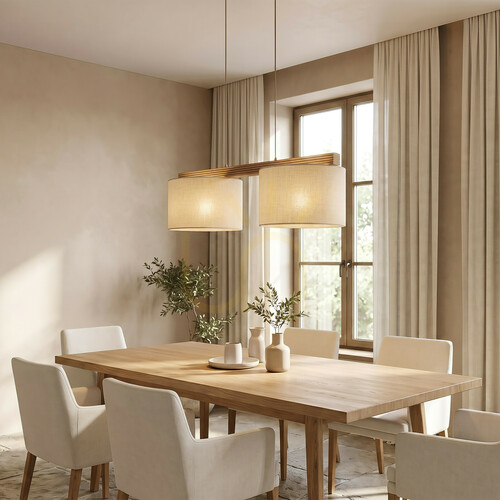
An oval table of light wood and two milky balls suspended in the axis of the tabletop create a soft, calm composition. Neutral walls, linen curtains and a soft carpet complete the scene with light that does not dominate, but organizes the space.
Open space living room
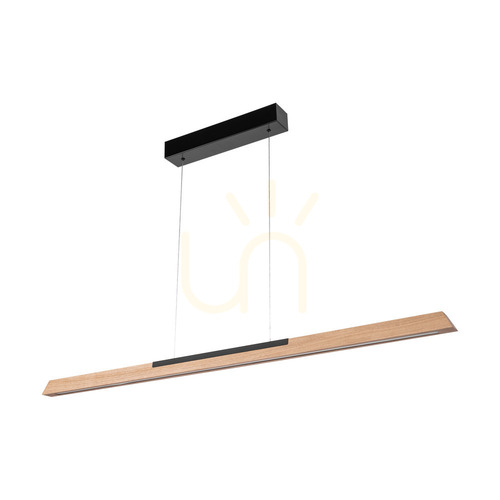
Above the sofa, hang a medium glass sphere, above the table - a longer linear lamp with a milky diffuser. The color contrast remains moderate, and the lamps are tied together by the detail of light wood. Lighting creates two functional islands.
Kitchen island
Three small conical shades suspended evenly over the island provide precise working light. In the background, warm under-cabinet lighting and a discreet lamp in the dining area build a multi-faceted effect.
Bedroom with lamps instead of bedside lamps
A pair of small spheres of milky glass hung low on either side of the bed frees the table tops and organizes the composition. The light is diffused, soothing and ideal for evening reading.
FAQ - short answers to practical questions
How high to hang the lamp over the dining room table?
The most common range is 70-80 cm above the tabletop. Adjust the height according to the height of the household members and the proportions of the table - a lower installation creates a more intimate atmosphere, a higher one provides more freedom of view.
Is one lamp enough in an open living area?
Usually not. Scandinavian comfort is created in layers: pendant lamp, wall lamps, table lamps, task lighting. The combination of several sources provides a plastic image and the ability to quickly change the mood.
What materials are the easiest to care for?
Metal and glass clean the fastest - a soft cloth is often enough. Fabrics require vacuuming and wood requires periodic maintenance. The choice of material is worth depending on the place of installation and intensity of use.
Do Scandinavian lamps go well with dark walls?
Yes, the contrast works in their favor. A bright lampshade against a dark wall emphasizes the form of the lamp and organizes the composition, and you get an exceptionally cozy effect when dimming the light.
Summary - a light that organizes and calms.
Scandinavian style pendant lamp is an investment in balance and comfort. Thanks to simple forms, neutral colors and noble materials, the luminaire does not age with trends. A well-planned hanging height, correctly selected light color and power, and a layered lighting plan keep the interior bright, malleable, and welcoming on a daily basis. It's a light that's easy to return to after a long day.
Light scenarios in practice - how to use light every day
Good lighting design does not end with lamp installation. The Scandinavian approach involves flexibility: morning light should be brighter and more energizing, and evening light should be warmer and soothing. That's why dimmers and LED bulbs with adjustable color temperature are the ideal solution. With one switch, you can transform your living room from an active space to a moody place of relaxation. In the dining room, during meals, evenness and lack of glare will come in handy; later, during conversation, you'll appreciate subtle half-shadows.
It is worthwhile to provide separate circuits for pendant lamps and auxiliary lighting. This way you will create several scenes: "work at the table", "dinner", "evening relaxation". Three levels are indispensable in a kitchen: general lighting, task lighting above the countertop, and decorative accents in niches. Twilight or motion sensors will work well in the hallway, which will turn on a discreet light at nighttime without waking up the household members.
Family living room - scenes from morning to night
In the morning, set neutral white and a higher brightness level to stimulate activity. In the afternoons, dim the pendant lamp and add side light points to highlight the texture of the fabrics and the warmth of the wood. In the evening, switch to a warm shade and the lowest intensity, which promotes tranquility. If you watch movies, place an extra light behind the TV or in a corner to reduce the contrast between the screen and the background.
Dining room - light that promotes conversation
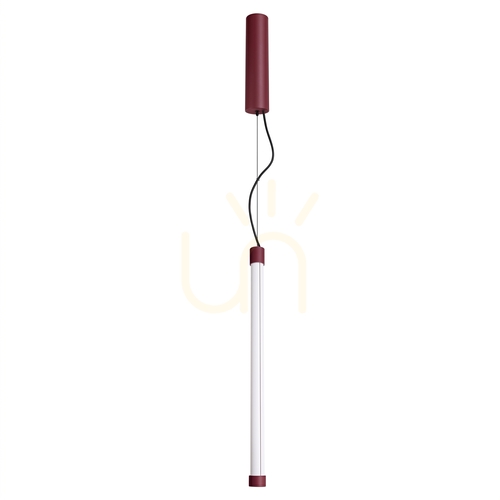
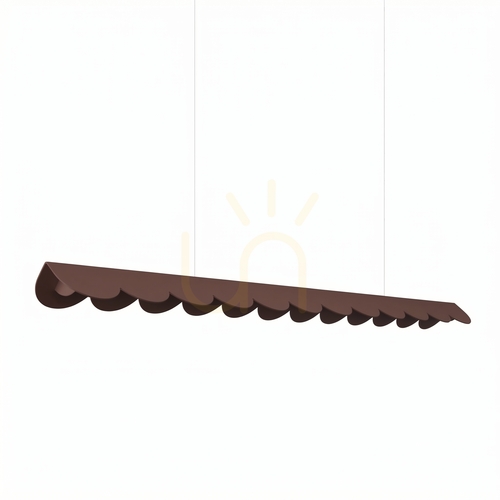
The lampshade should illuminate the plates evenly, but not glaringly. The best effect comes from the milky glass and frosted surfaces inside the shade. If the table happens to be extended, consider a linear lamp with a long diffuser or two individually adjustable light points.
Home office - concentration without eye fatigue
In the office, bet on higher luminance and more neutral color. The pendant lamp should work with a desk lamp to reduce shadows on the tabletop and reflections in the screen. Controlling light levels during the day to match weather conditions is also valuable.
Sustainable solutions and sustainability - what matters
Scandinavian philosophy values sanity: less, but better and longer lasting. In practice, this means choosing luminaires that can be easily repaired, replace the light source in them and clean the dust from them. LED bulbs with high luminous efficiency reduce energy consumption, while durable materials reduce the need for frequent replacement. More and more manufacturers are using recycled components and designing lamps to be disassembled and recyclable at the end of their life cycle.
Good practices also include choosing safe paint finishes, wood from certified sources and recyclable packaging. It's not just a fashion statement - it's a concrete benefit for the household budget and the environment.
Integration with your smart home system
You can connect Scandinavian pendant lights to control systems that allow you to save your favorite light scenes and recall them with one touch. On/off and dimming schedules make life easier, and light intensity sensors automatically adjust brightness according to the time of day. This is a discreet comfort - the technology remains invisible, and you use it intuitively.
Combining Scandinavian lamps with other styles - practical examples.
Scandinavian + loft
Combine milky glass and light wood with graphite metal and raw brick. You will get an interior that is friendly but firm in expression. The lamp with a simple form will soften the loft austerity and bring visual order.
Scandinavian + boho
Neutral lamp made of milky glass or frosted metal provides a backdrop for natural fabrics, jute baskets and plaids. The balance between the smooth shade and the texture of the accessories is the key to harmony.
Scandinavian + classic
In an arrangement with classic stucco, bet on a sparing lamp with soft lines. It will be a contemporary accent that does not interfere with the detail, and the light with a warm color will emphasize the sculptural nature of the walls.
Instant metamorphoses with light - a mini guide.
Want to quickly refresh your interior without redecorating? Replace the lamp over the table with a larger one with a milky shade and add a dimmer. In the living room, add a second point - a table lamp - and save the scene "evening". In the kitchen, install three smaller lamps over the island instead of one large one; the space will become lighter and more functional.
The most common technical questions
Is one lamp enough in a kitchen with an island?
Usually no. The lamp over the island is a task light; you also need general lighting and under-cabinet lighting. Only together do they form a comfortable, safe and aesthetically pleasing arrangement.
How to avoid glare over the table?
Choose shades made of milky glass or with a frosted coating inside. Take care of the right hanging height and possible dimming.
Do black details go well with Scandinavian lighting?
Yes, as an accent that organizes the composition. Black in the details adds rhythm, but should not drown out the bright colors that dominate the interior.