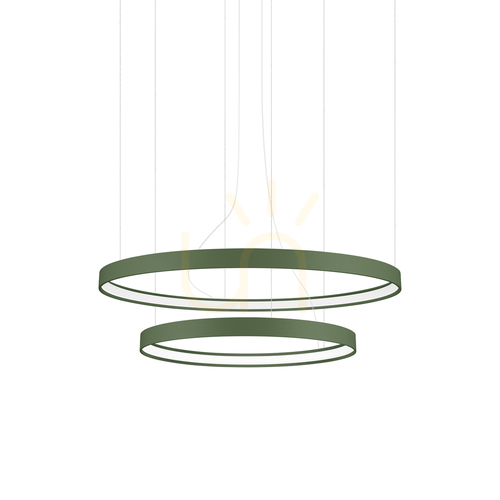
A hallway chandelier has to solve a clearance problem before it solves a decorating one. Halls are narrow, doors swing into them, coats hang in them, and the ceiling is rarely generous. Those constraints decide most of the choice, and they are worth working through before anything else.
Headroom comes first
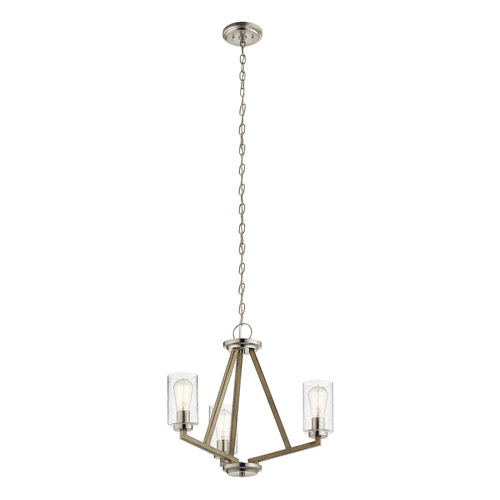
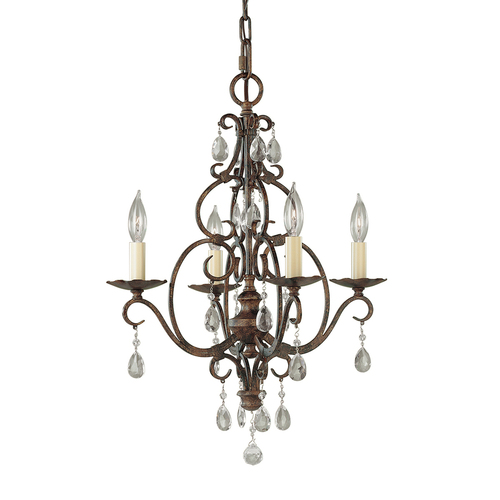
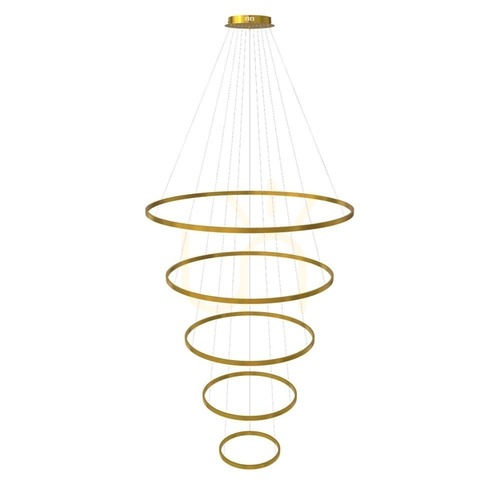
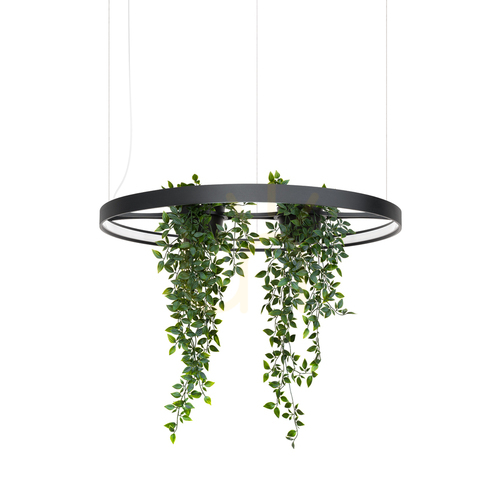
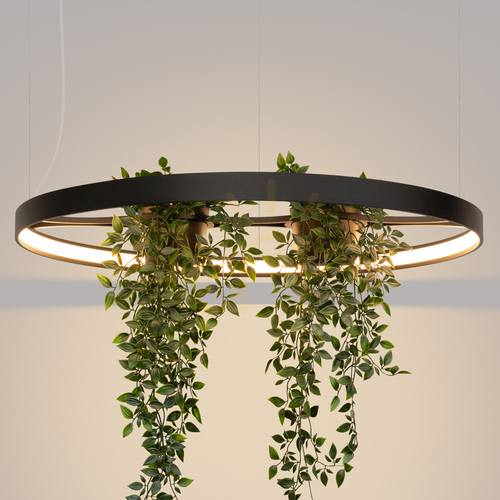
People move quickly through a hall, often carrying something. Keep the lowest point of the fitting above 210 cm, and above 220 cm where the passage is narrower than 110 cm. With a 250 cm ceiling that leaves 30-40 cm of fitting - enough for a shallow crystal frame, a ring with drops or a short-stem ceiling piece, but not for anything tiered. If the hall is in an older house with a 300 cm ceiling, the same fitting can hang on a longer chain and the whole calculation opens up.
Door swings, coat rails and the stairs
Sketch the arc of every door before you fix a position. A 90 cm door opening inwards sweeps a quarter circle where nothing may hang. The same applies over a coat rail: someone reaching up with a coat gets much closer to the fitting than the drawing suggests. And if the hall contains the foot of the staircase, check the line of sight from the first few treads - a fitting that clears your head in the hall may not clear it from the third step.
Narrow hall, small diameter
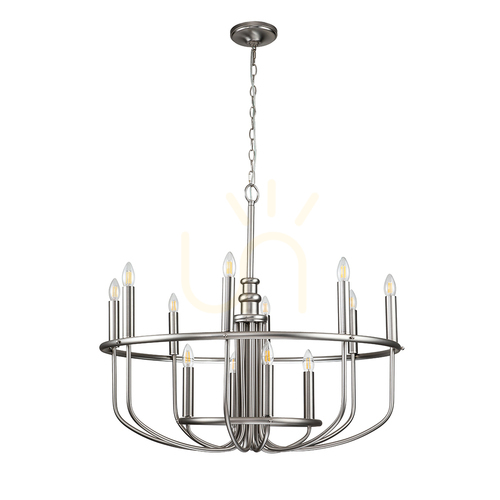
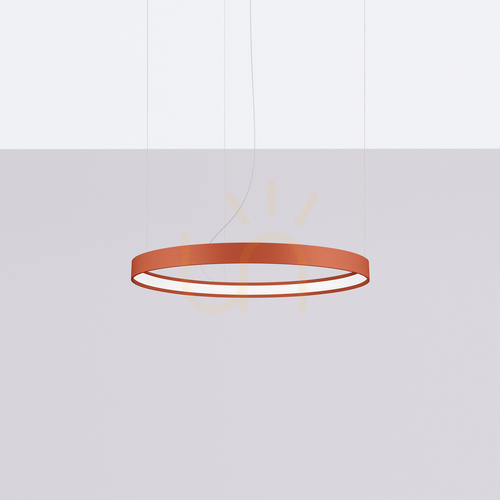
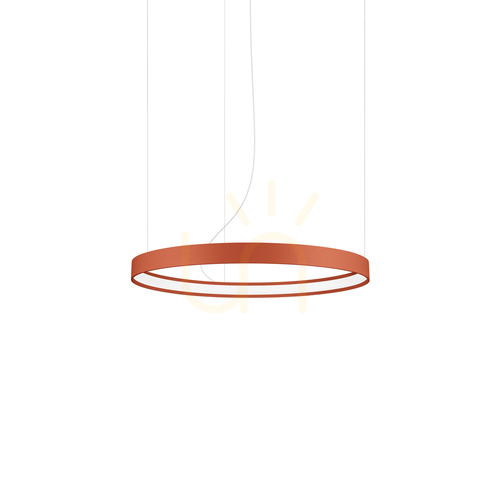
A 120 cm wide hall takes 30-45 cm of diameter. Larger looks generous in a photograph and becomes an obstacle in use. Because the hall is the first room a visitor sees, a small detailed chandelier does more here than a large plain one. In a hall longer than about four metres, two small fittings spaced 250-300 cm apart light it far more evenly than one in the middle, which always leaves a dark end.
How much light a hall actually needs
Not much. Somewhere between 300 and 600 lumens covers a normal hall, at 2700 K so the transition from the living rooms feels continuous. Since hall lights are on briefly and often, a dimmer with a low night setting or a motion sensor is worth more than extra output. One thing people miss: a mirror opposite the fitting doubles it visually, so with a mirrored hall you can go a size smaller and still get the effect.
Common questions
Can a chandelier work in a narrow hallway?
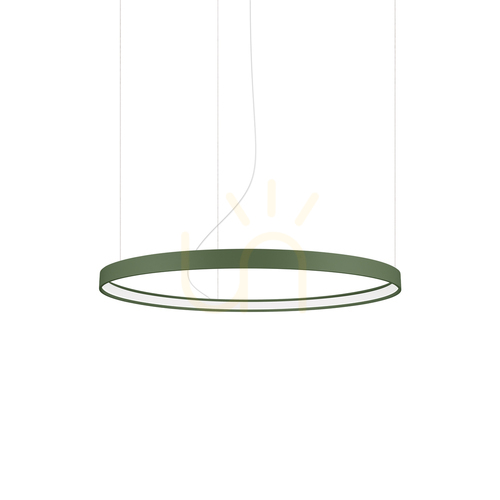
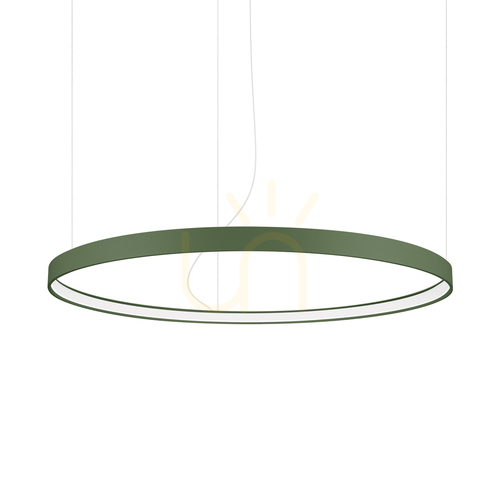
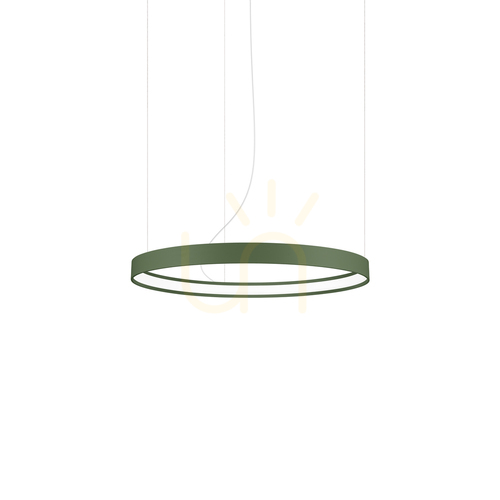
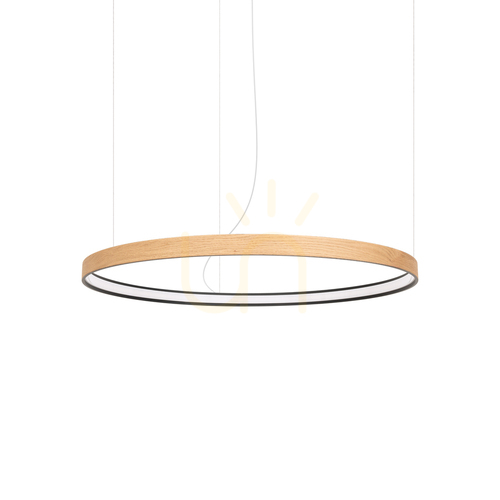
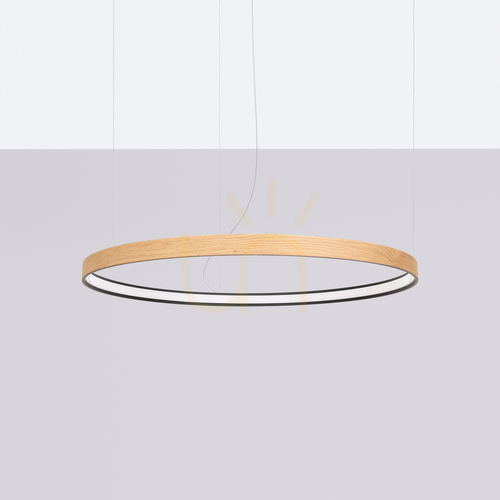
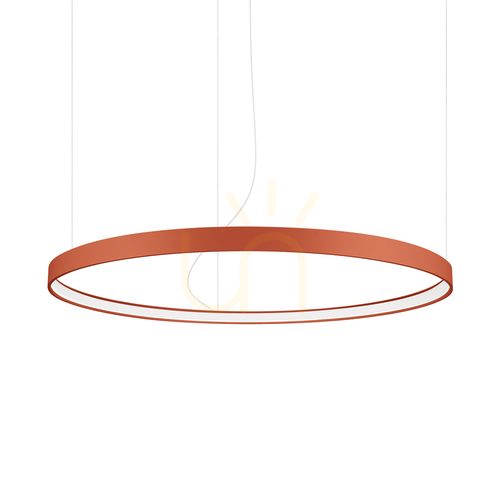
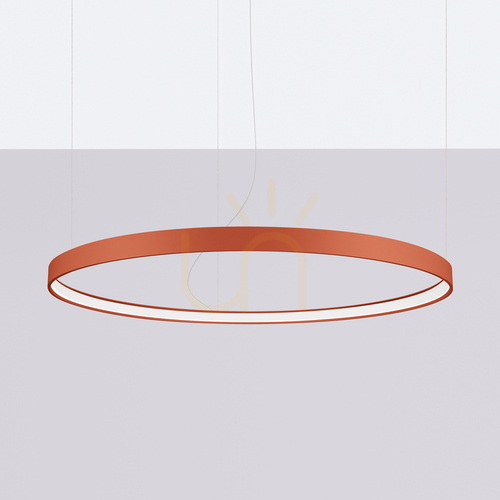
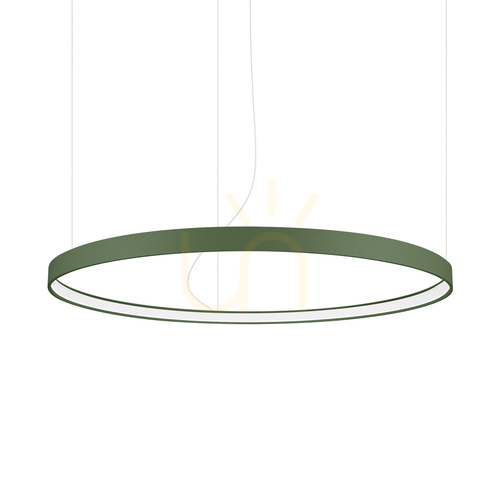
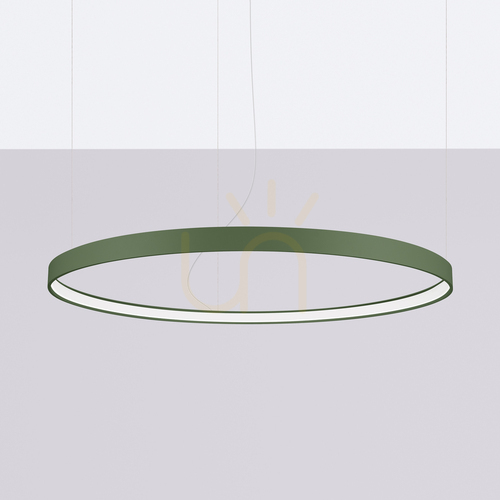
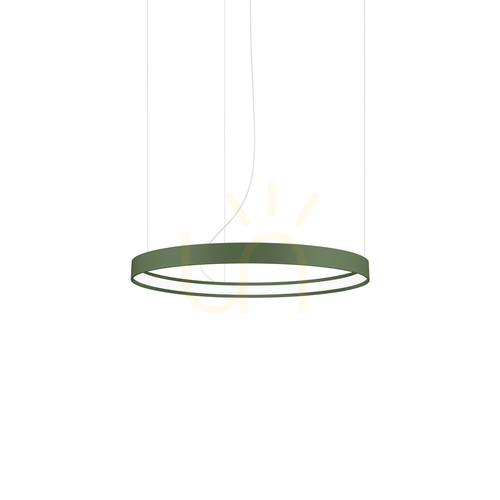
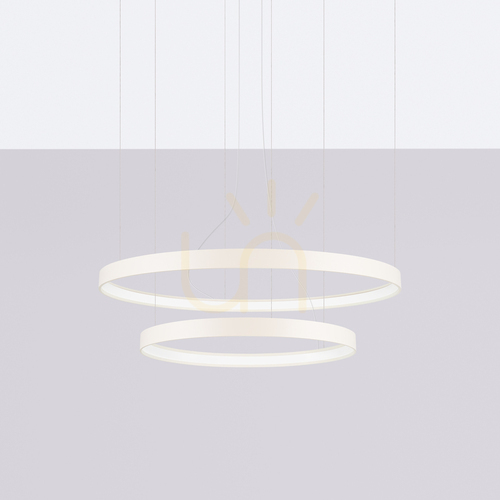
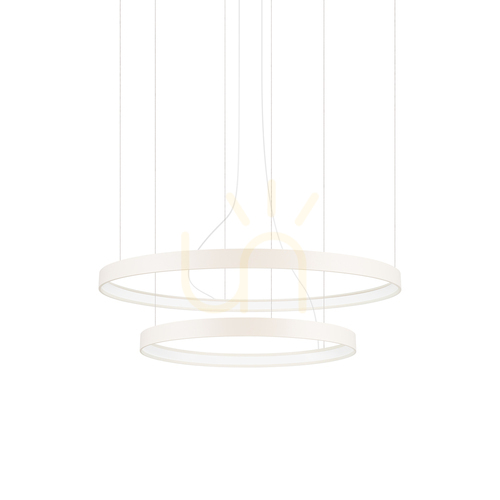
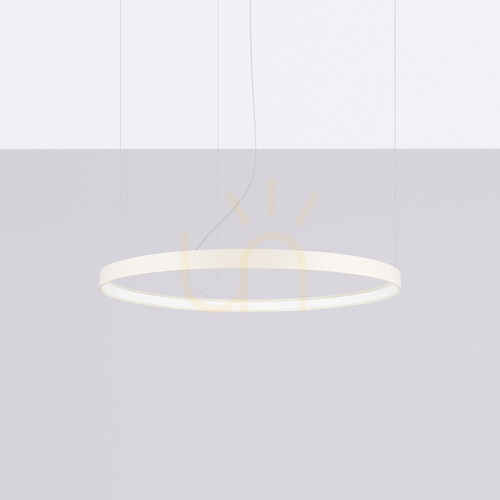
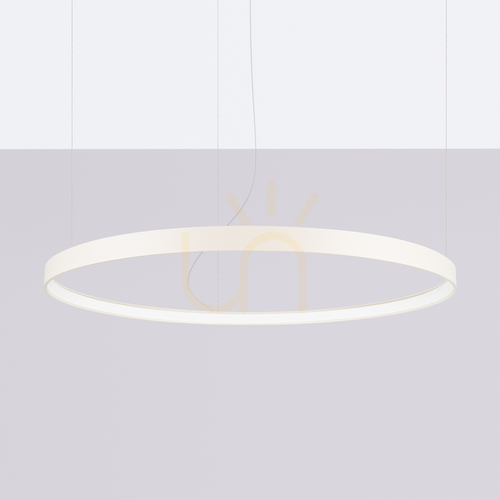
Yes, provided the overall height stays under about 40 cm and the diameter does not intrude on the walking width. Flat ring designs are made for this.
One fitting or two?
Two from around four metres of length. A single central fitting always leaves the far end dim.
What colour temperature?
2700 K. Cooler light makes a windowless hall feel narrower and more clinical.
What about the stairwell it opens onto?
That is measured from the void rather than the ceiling - see staircase chandeliers.