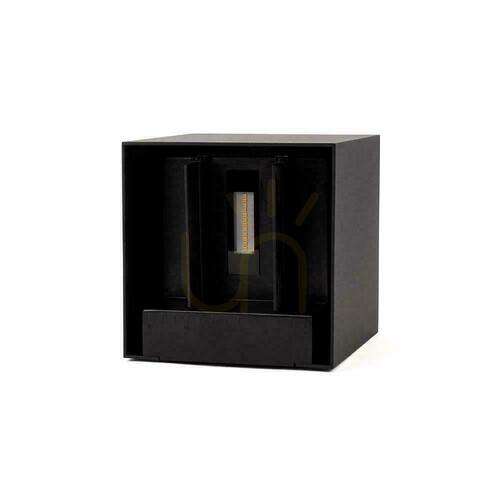
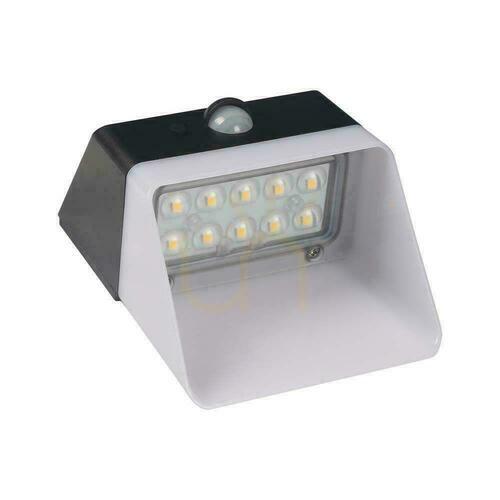
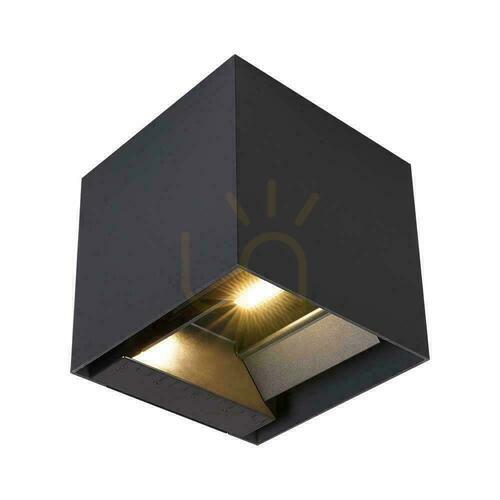
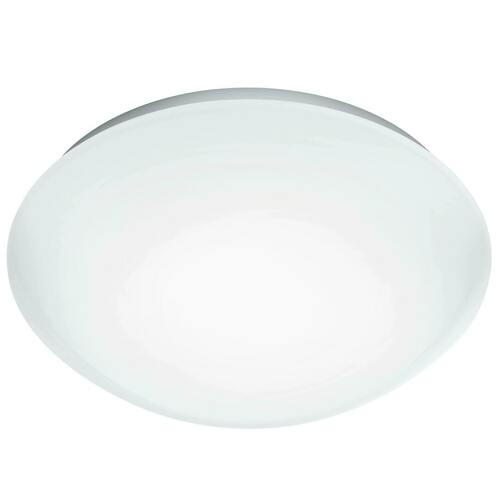
An indoor motion sensor light switches itself on when someone walks into its field of view and off again once the movement stops and a timer runs out. Indoors that means a lit landing at 3 am, a wardrobe that lights up as the door opens and a utility room nobody leaves glowing all evening.
The sensor works differently inside a home than on a driveway: distances are short, the light shouldn't dazzle someone half asleep, and the first real decision is where the power comes from – a battery, a plug socket or the lighting circuit.
Wireless or hard-wired?
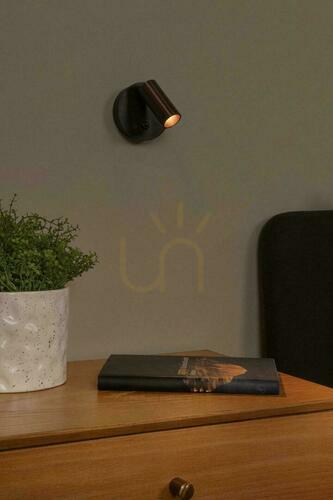
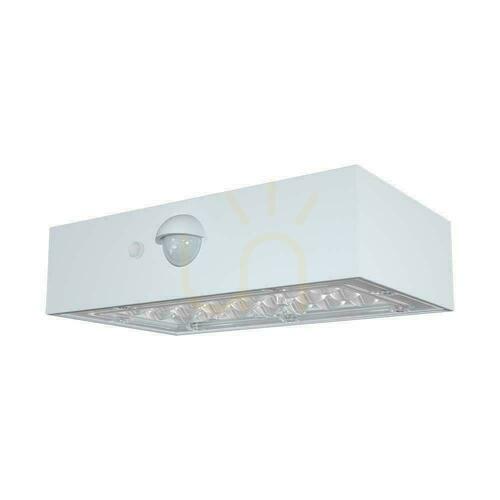
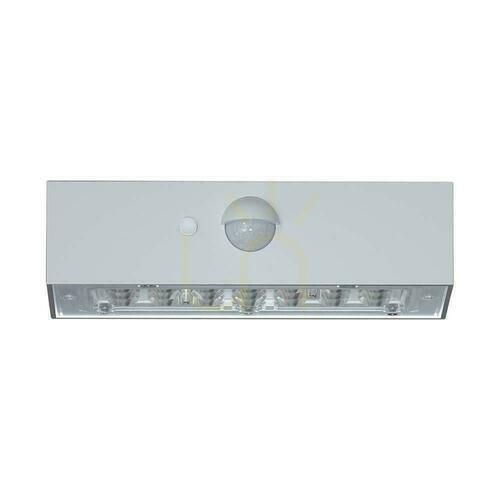
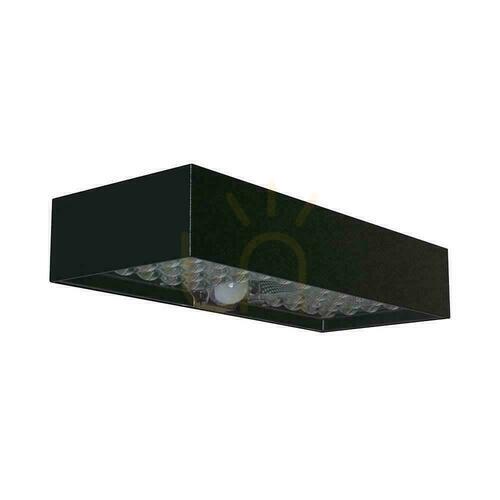
Battery and rechargeable lights are the wireless option. Most run on three AAA or AA cells or charge over USB, and fix with an adhesive pad, a screw or a magnetic strip. They are ideal for wardrobes, kitchen cupboards, the understairs cupboard or a dark bit of skirting where there is no cable to hand. Expect modest output, roughly 20–100 lm, a fixed on-time of around 20–30 seconds and a sensor that reaches about 3–5 m.
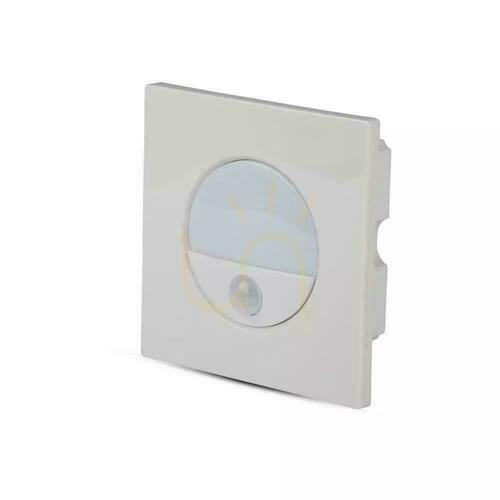
Plug-in night lights go straight into a 13 A socket on the landing or in a child's room. They draw well under a watt, glow softly and need no maintenance, which is why they suit the night-time trip to the bathroom.
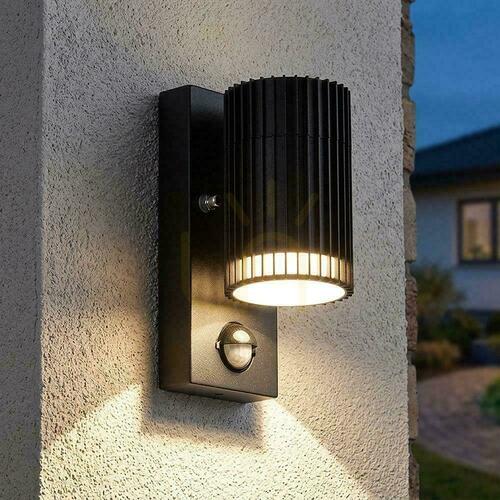
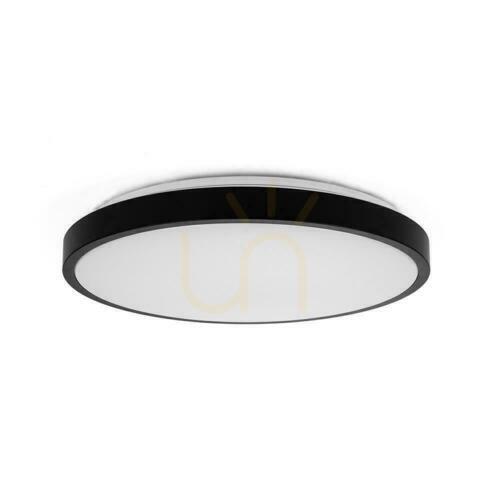
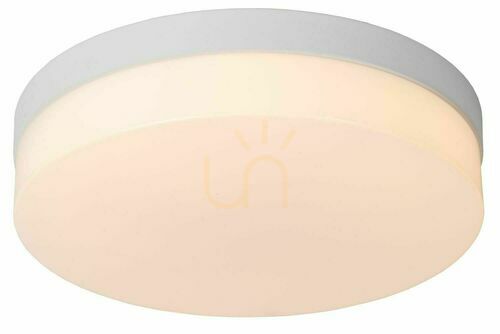
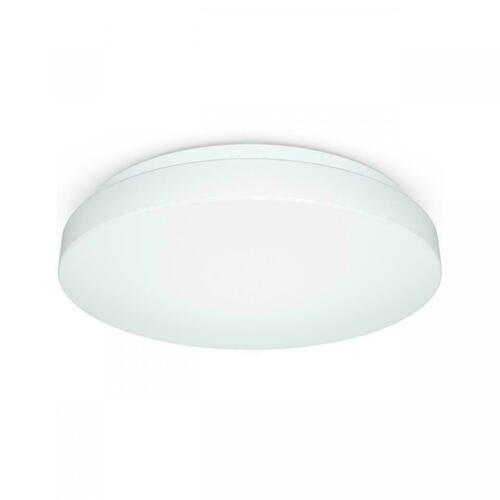
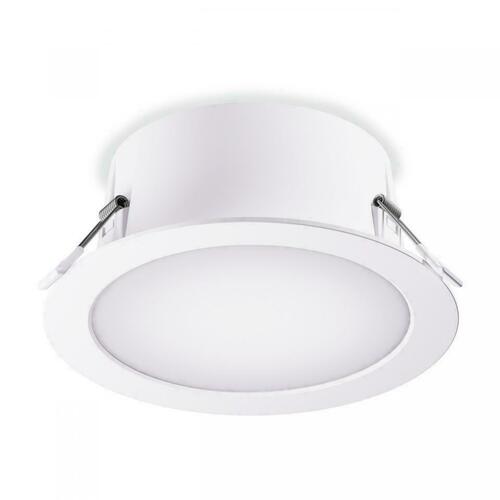
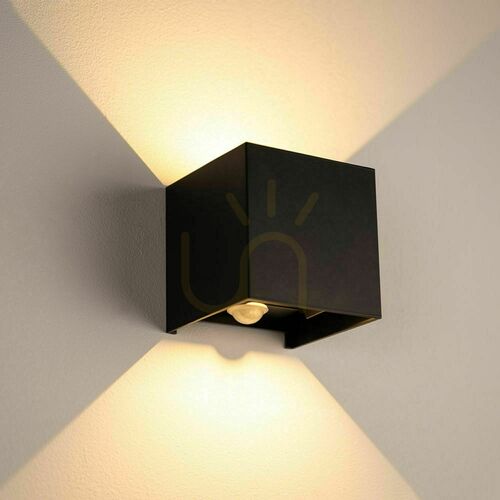
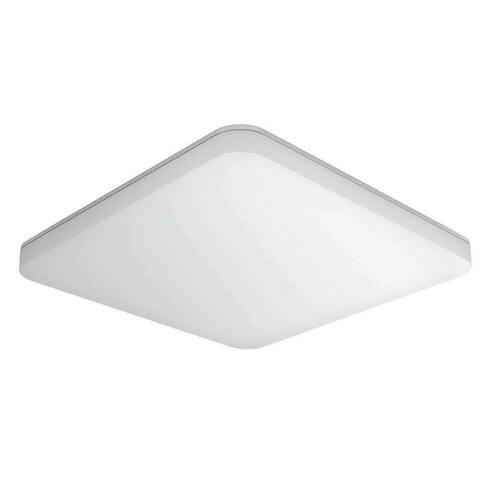
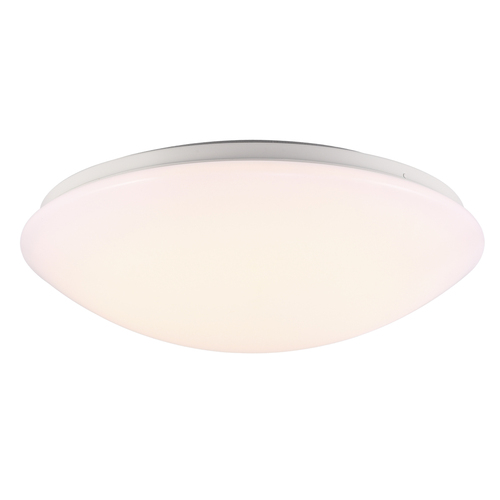
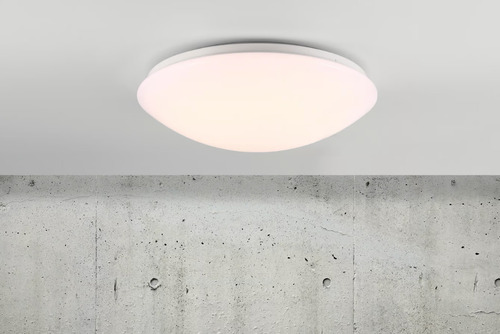
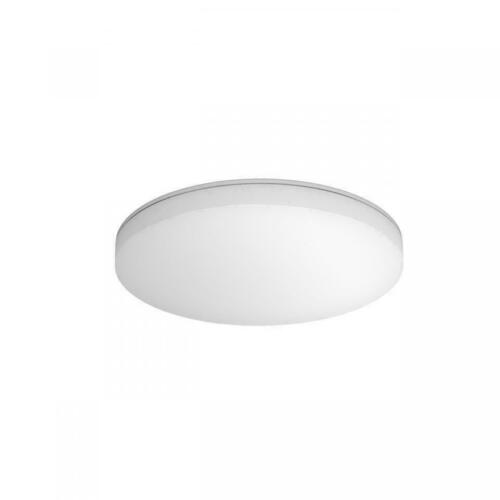
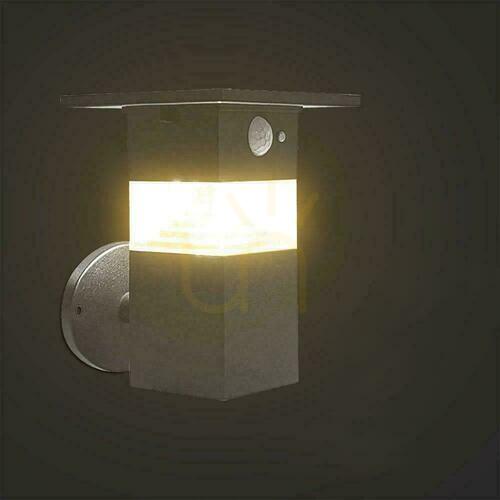
Mains fittings – flush ceiling lights, wall lights and bulkheads with a built-in sensor – replace an ordinary fitting on the lighting circuit. They give proper room light, usually let you set the timer, the daylight threshold and the sensitivity, and a ceiling-mounted sensor typically covers a full 360° at about 6–8 m across.
PIR or microwave?
A PIR (passive infrared) sensor reacts to the changing heat pattern of a moving body. It needs a clear view, can't see through glass and responds best to someone walking across its field rather than straight towards it. A microwave (HF or radar) sensor sends out a low-power signal and reads the reflection, so it picks up smaller movements and can hide behind a diffuser. The flip side: it also sees through plasterboard, doors and stud walls, so it may switch on when someone moves in the next room.
Choosing for each spot
| Spot |
Best power option |
Sensor reach |
Light |
Timer |
| Wardrobe, airing cupboard, kitchen cupboard |
battery or USB rechargeable |
2–3 m |
20–100 lm, 3000–4000 K |
fixed, 20–30 s |
| Landing, route to the bathroom |
plug-in or battery |
3–5 m |
low glow, 2700–3000 K |
30–60 s |
| Hallway |
mains ceiling or wall light |
6–8 m, 360° from the ceiling |
800–1500 lm, 3000 K |
1–3 min |
| Stairs |
mains or rechargeable step lights |
top and bottom of the flight |
light on the treads |
1–2 min |
| Utility room, garage, loft, cellar |
mains, IP44–IP65 |
8–12 m |
1500 lm or more, 4000 K |
2–5 min |
The figures are typical; each fitting's instructions give its own adjustment range. In an en-suite or bathroom, choose at least IP44 and check which bathroom zone the fitting may go in.
Fitting tips
- A ceiling sensor works best at a normal 2.4–2.7 m. Mounted much above 3 m, the blind spot directly underneath grows.
- On a long hallway, aim the sensor so people cross its field.
- Keep PIR sensors out of sight of radiators, heaters and warm air from a cooker or tumble dryer – a moving pocket of warm air can trigger them.
- Leave the wall switch on. With it off, the sensor has no power.
- Mains fittings must be wired to BS 7671. Unless you are competent with electrics, have a qualified electrician fit them.
Common niggles and care
Light goes off while you sit reading? A motion sensor sees movement, not presence, so lengthen the timer or keep sensor lights to rooms you pass through. Comes on by itself? Turn the sensitivity down and check for pets, heat sources or, with microwave sensors, movement behind a wall. Wipe the sensor lens now and then with a dry cloth; dust and kitchen grease cut its range. In battery lights, replace all the cells together, and treat dimming or flickering as the cue.
FAQ
Are motion sensor lights a good idea indoors?
In pass-through spaces, yes: hallways, landings, stairs, cupboards and utility rooms. Nobody fumbles for a switch and nothing is left on. In living rooms, bedrooms and home offices they tend to annoy, because you sit still and the light goes out.
How do I get a motion sensor light to work?
Check the batteries or the wall switch first. Then set the daylight (lux) control to the sun symbol so it works in daylight, turn the timer and sensitivity to minimum, walk through the room and raise the sensitivity until it reliably picks you up. Set the final timer and, if you only want it after dark, turn the lux control back towards the moon.
Do motion sensor lights have cameras in them?
No. A standard PIR sensor only registers changes in infrared heat, and a microwave sensor only measures a reflected signal. Neither records images. Camera lights exist, but they are a separate kind of security device and say so clearly.
How long does a motion sensor light stay on?
Simple battery lights usually stay on for 20–30 seconds after the last movement. Mains fittings normally let you choose anything from a few seconds to several minutes. Each new movement restarts the countdown.
Wireless motion sensor lights: battery or rechargeable?
Battery lights fit anywhere and run for months on a set of cells with light use. Rechargeable ones save on batteries but have to come down for charging every few weeks, depending on how often they trigger. For somewhere you rarely reach, such as the loft hatch, batteries are less hassle.
Why won't my sensor light turn off?
Usually the timer is set to maximum, the sensitivity is too high or something warm keeps moving in its view. If it stays on in an empty, cool room, the wiring or the relay may be at fault – a job for an electrician.
For a softer glow on the landing, have a look at motion sensor night lights. Rooms where you sit and relax are better served by conventional indoor lighting on a switch or dimmer.