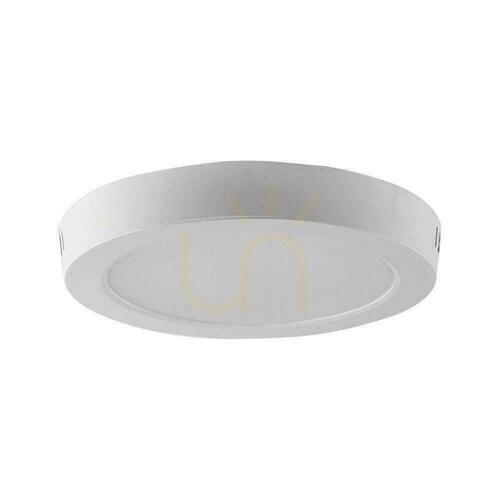
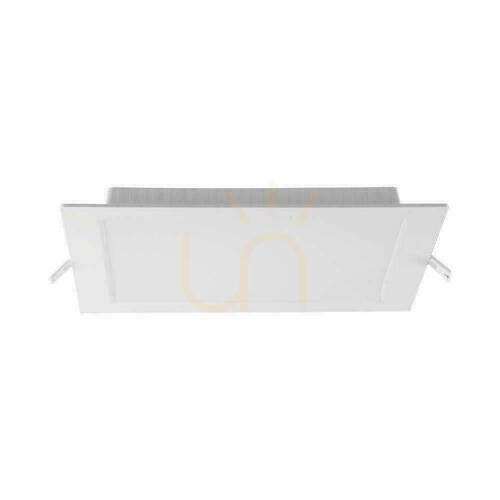
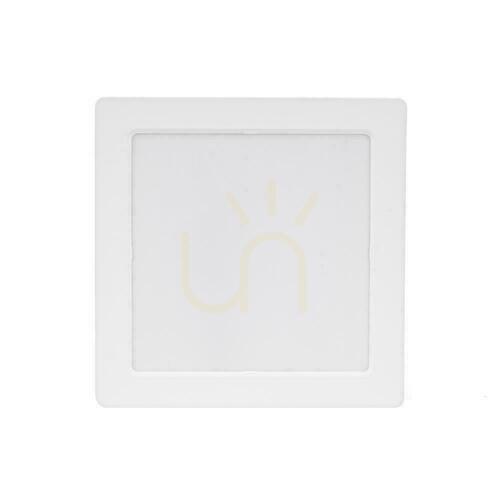
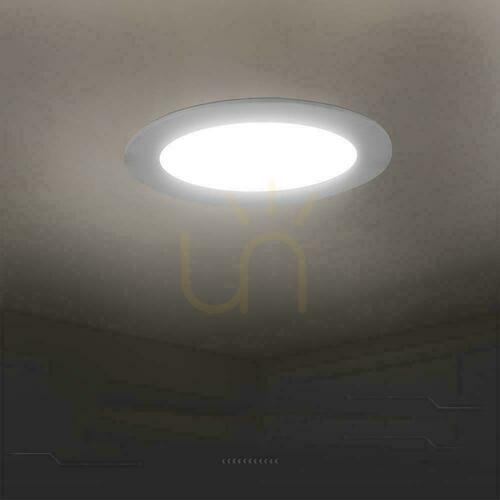
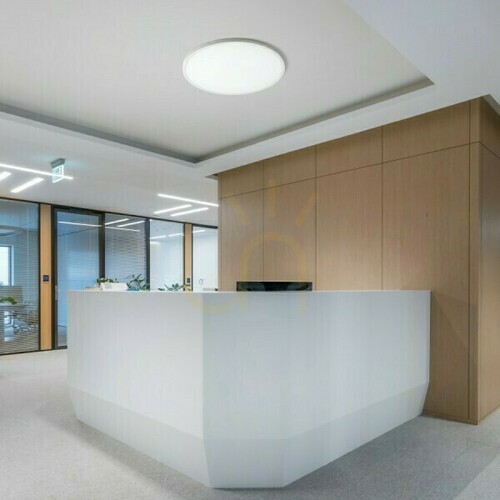
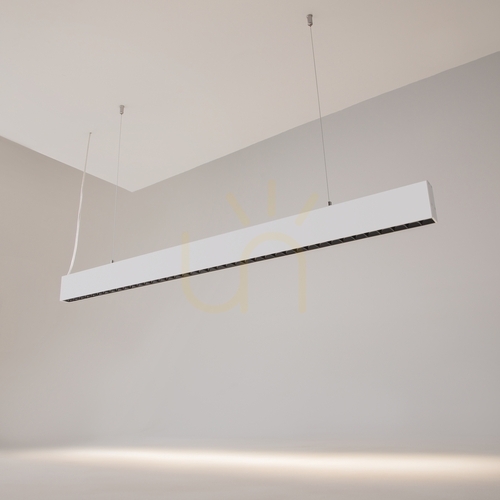
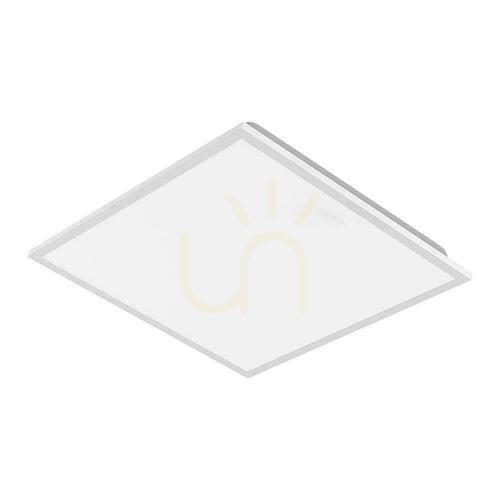
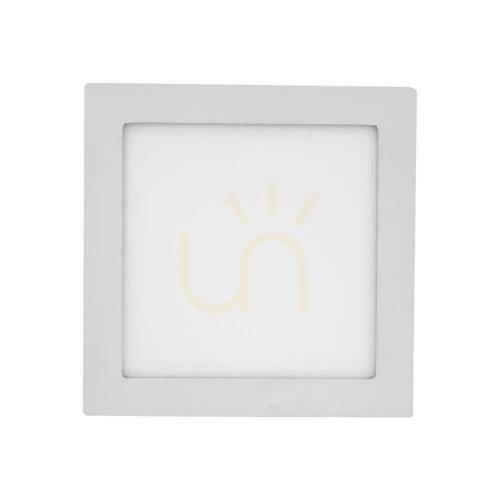
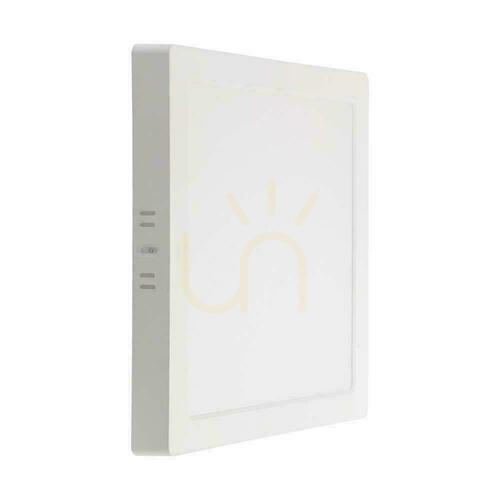
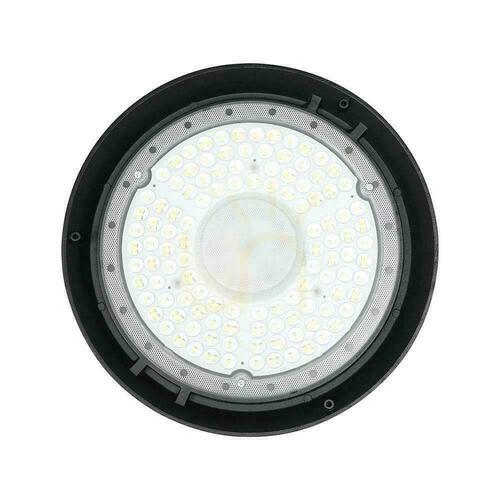
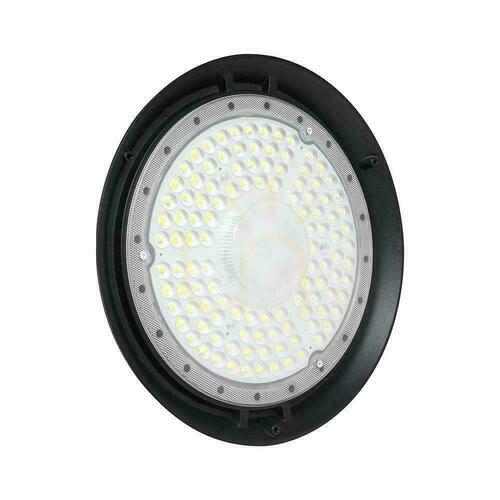
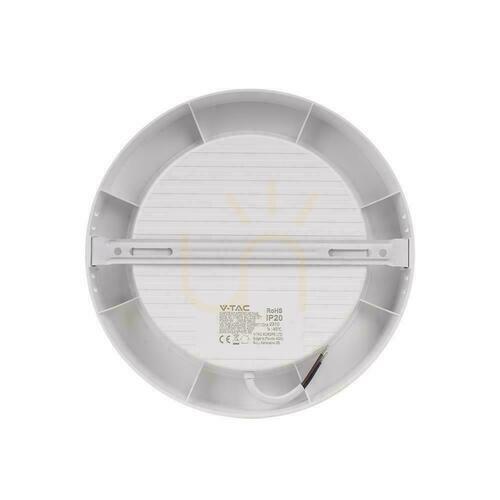
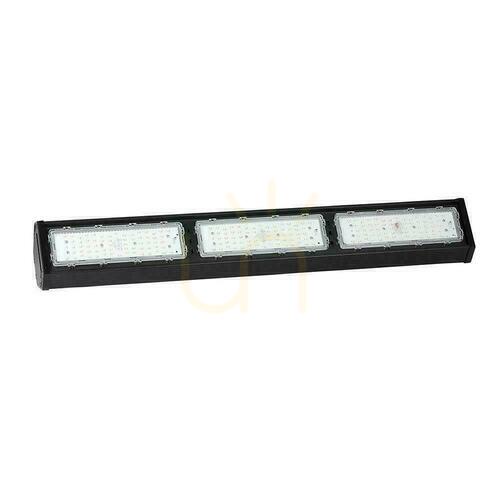
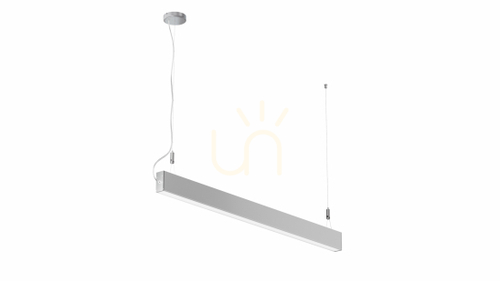
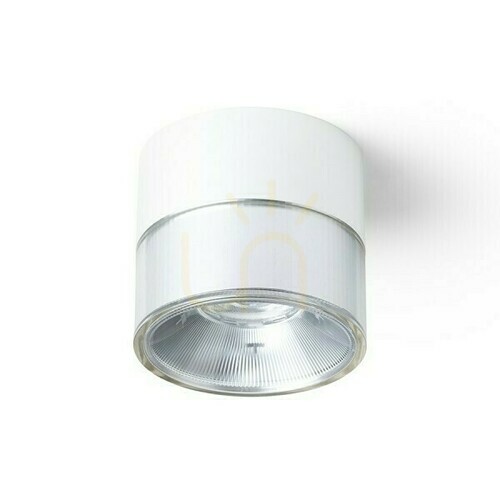
The integrated LED filter keeps the fittings whose light engine is built in — no socket, no lamp to buy separately, no relamping in three years. What is left is a working kit for a commercial or industrial fit-out: recessed and surface LED panels, LED battens and weatherproof linear fittings, downlights, floodlights, track spotlights, UFO high bays, plus the drivers and DALI adapters that tie them together. V-TAC supplies the largest share here, alongside SpectrumLED, Lumines, Domeno LED and Rendl.
Start with lux on the task, not watts on the box
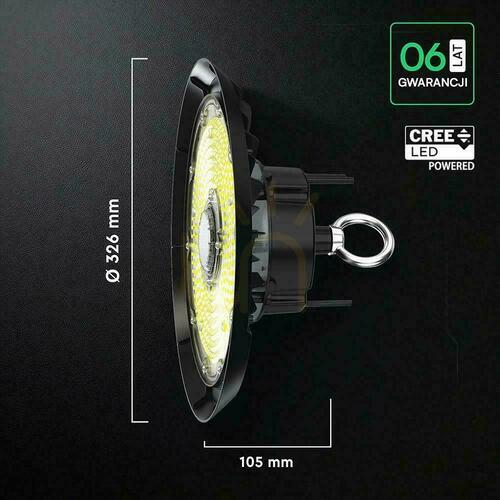
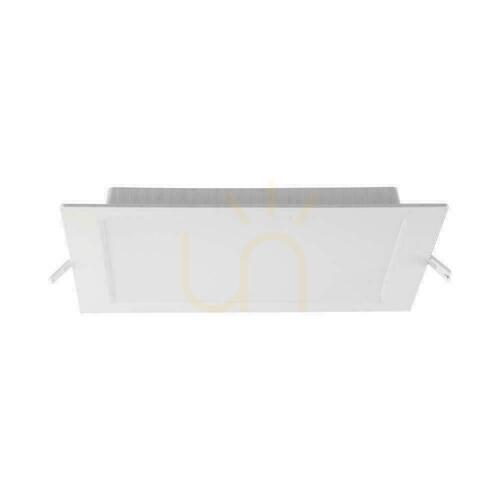
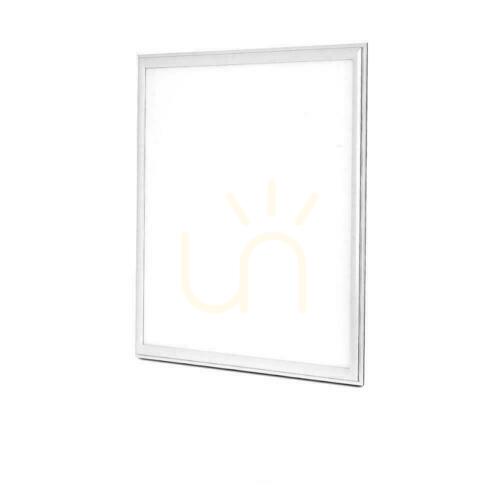
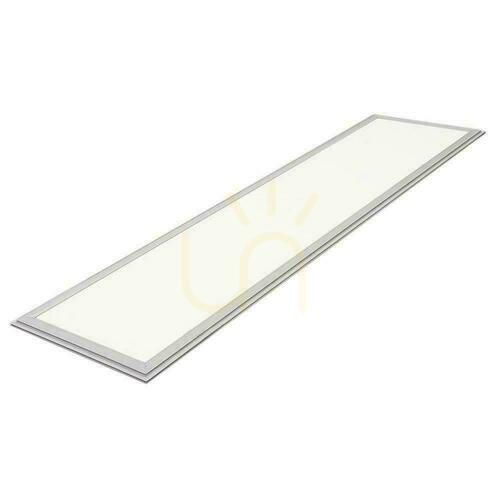
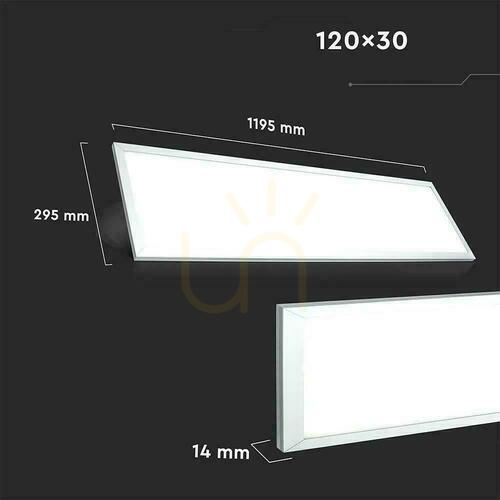
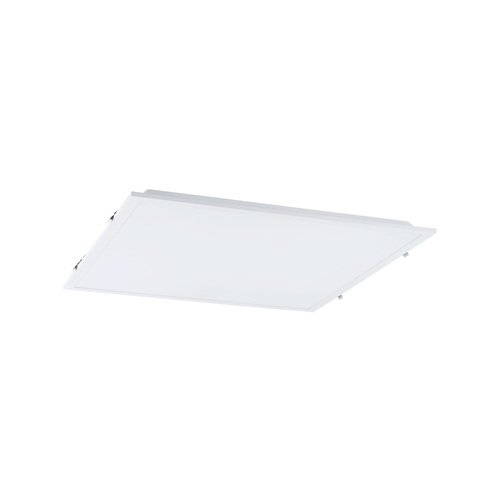
EN 12464-1 sets maintained illuminance for indoor workplaces: roughly 500 lx at an office desk, 300 lx on a retail sales floor, 300–750 lx for assembly and fine work, 100–200 lx in circulation routes and warehouse aisles. Work backwards from that. A 595 × 595 mm panel drawing 40 W puts out 4800 lm at 120 lm/W, so four of them cover a 4 × 5 m office with headroom. A 200 W UFO high bay at 27 000 lm with a 90° beam serves a point 8–10 m up; drop the ceiling and you want that same flux split across more, smaller fittings or the floor turns patchy.
Matching format to ceiling height
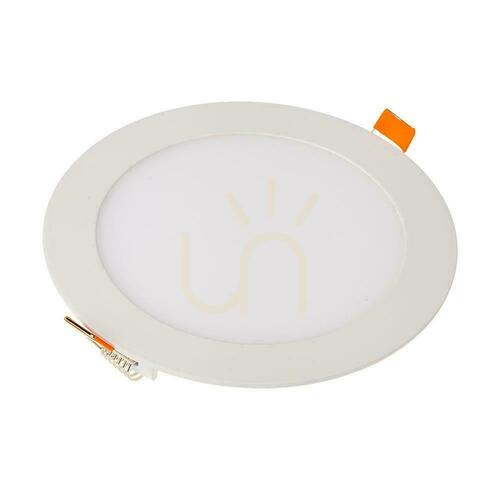
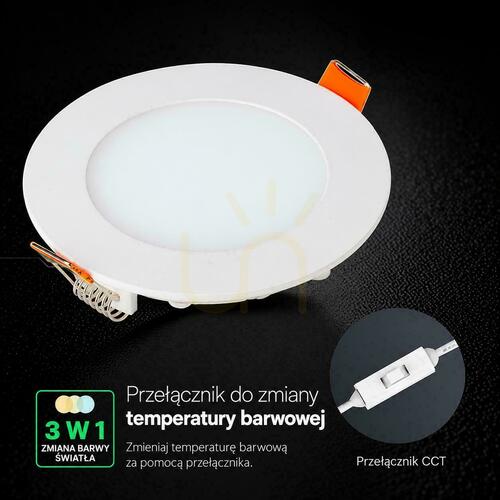
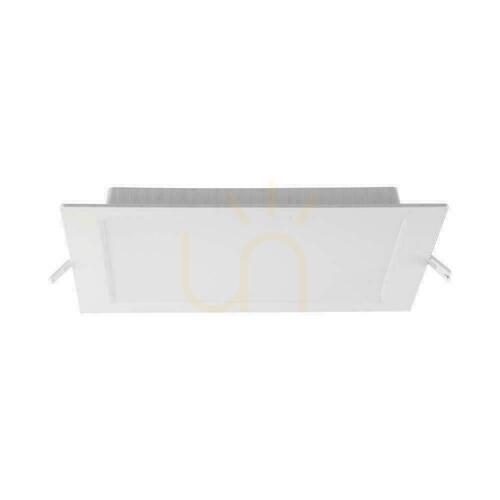
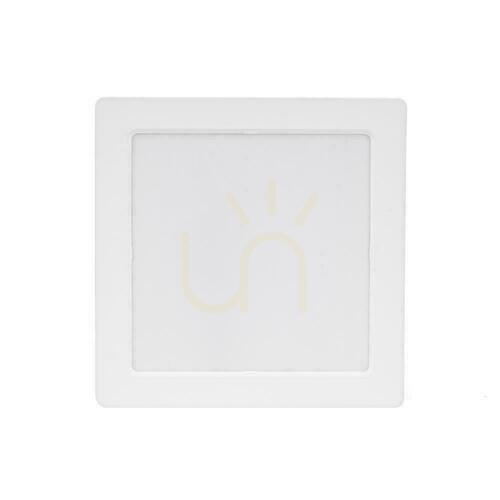
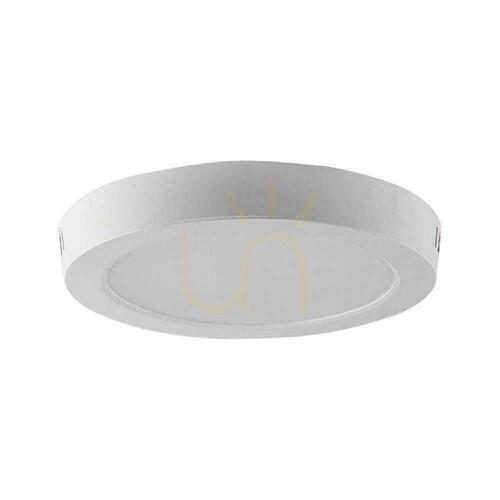
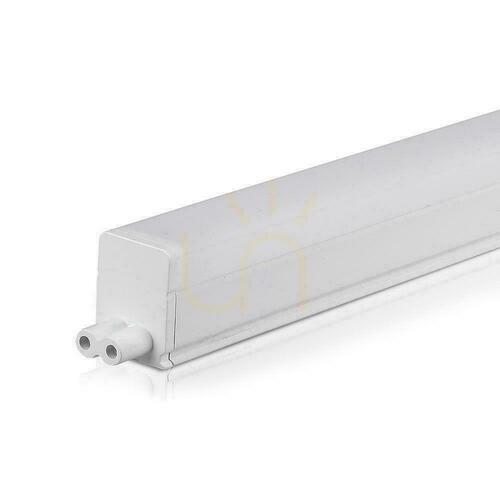
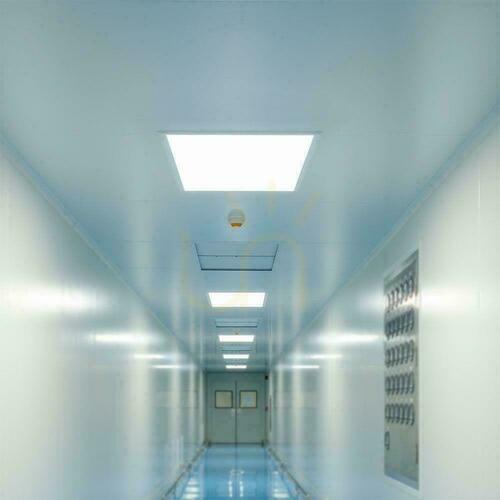
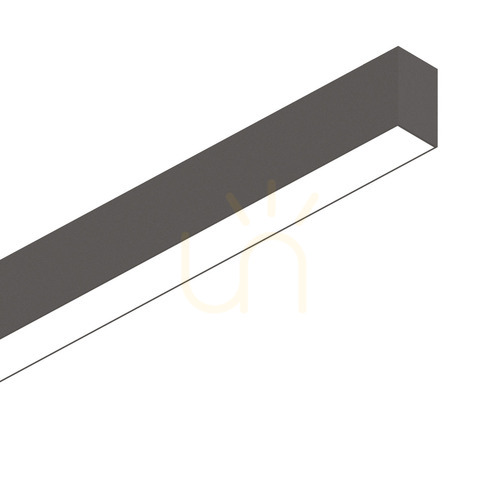
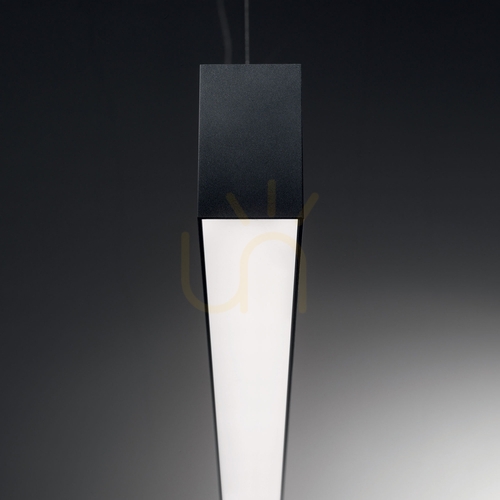
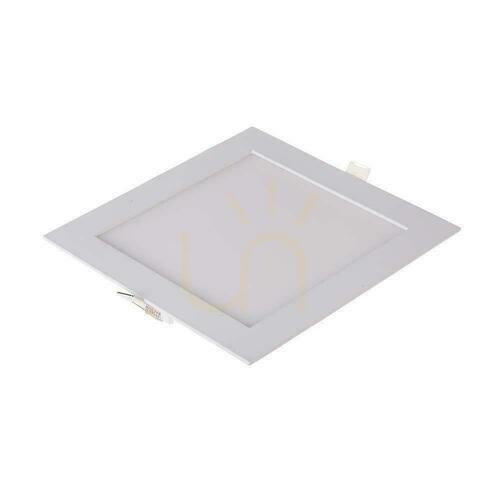
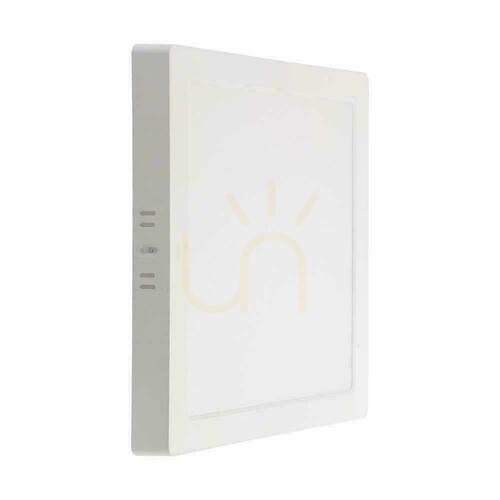
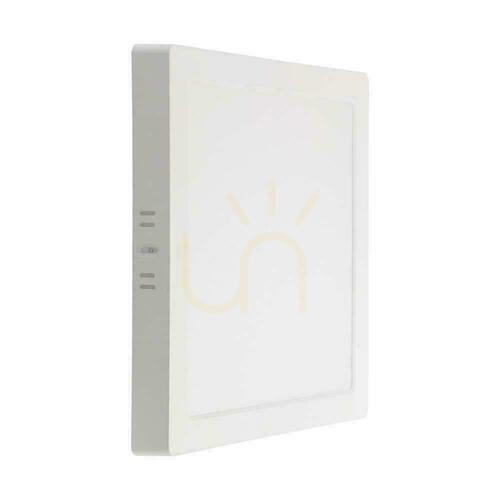
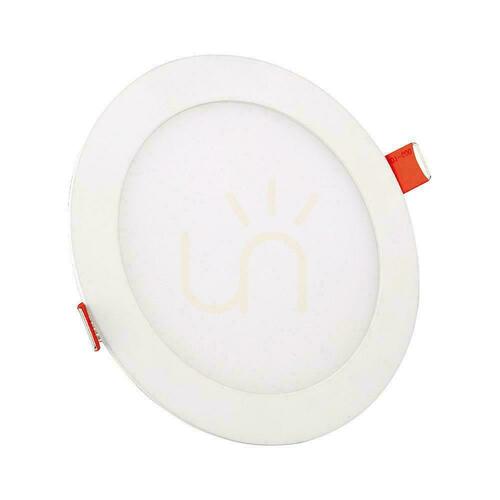
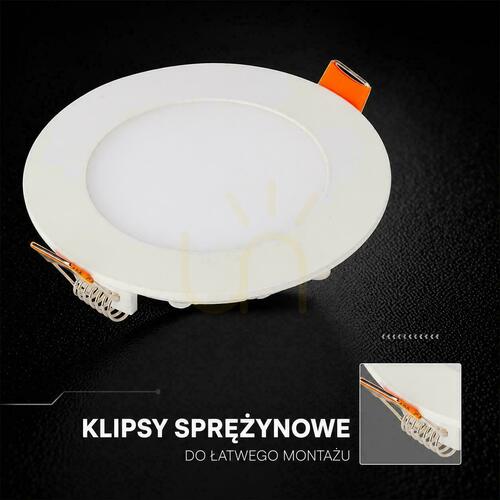
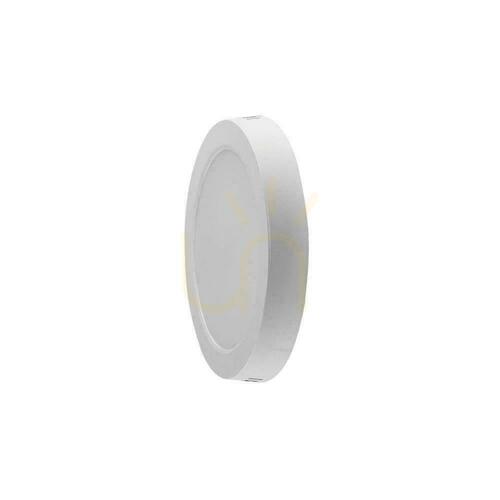
Recessed panels and downlights from 90 mm to 290 mm suit suspended ceilings at 2.7–3.5 m. LED battens at 60, 120 and 180 cm run light along an aisle, a rack or a counter and link into continuous lines. IP66 weatherproof battens belong in workshops, wash bays and cold stores. High bays start to make sense from about 6 m; below that a linear fitting or a larger panel usually wins on uniformity and cost. Track-mounted spots stay in shops and showrooms, where the accent has to move when the display does.
Glare, colour rendering and colour temperature
4000 K is the default for offices, workshops and warehouses. 3000 K reads warmer and suits hospitality and parts of a sales floor; 6500 K turns up where contrast and detail matter, such as inspection benches. Ra 80 covers most tasks, but if anyone is judging paint, fabric or produce under the light, look for Ra 90 and above. Where there are screens, check UGR: fittings declaring UGR ≤ 19 use a micro-prismatic or deep-set diffuser and stay out of the reflection. SDCM tells you how closely neighbouring fittings match in colour — in one continuous ceiling run the difference is visible without instruments.
Ingress and impact protection
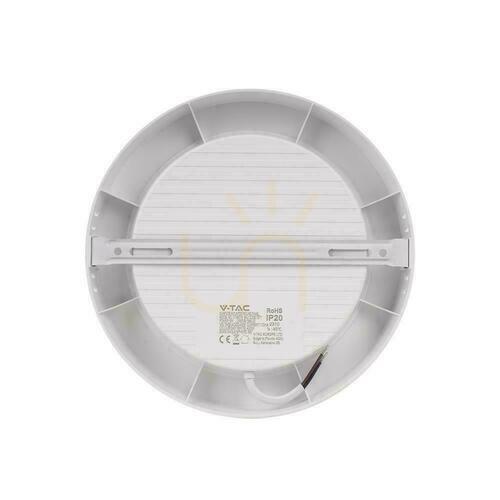
IP20 is dry office and retail space. IP44 tolerates splashing, so it goes into back-of-house and staff areas. IP65 and IP66 cover halls, garages, workshops and anything hosed down — that is how the high bays and sealed battens here are rated. Impact rating is separate: IK08 means a housing tested to a 5 J blow, which matters in a warehouse with forklift traffic. Aluminium bodies shed heat better than plastic and tend to carry the longer warranties.
Dimming, DALI and emergency duty
Some fittings are non-dimmable and need to be treated that way at design stage; others run on DALI or 1–10 V, and there are adapters and drivers here to bring those protocols into an existing installation, including a phase-selector DALI adapter for track. If the building needs escape lighting, specify fittings with an emergency module: EN 1838 asks for 1 lx along the centre line of an escape route and 0.5 lx in open areas, held for an hour after supply fails. One caution on the spec sheets — some energy labels in this range still show the withdrawn pre-2021 letters (A+, A++), which are not the same scale as today's A–G.
Questions buyers ask
Can the LED be replaced in an integrated fitting?
Not like a lamp. Some models carry a module a service technician can swap and say so on the product card; others are designed to run for the life of the fitting.
How many battens for 100 m² of warehouse?
At 150 lx maintained with 2700 lm fittings, budget roughly 8–10 units, depending on height, surface reflectance and maintenance factor. Treat it as a first pass, not a calculation.
Does a higher wattage always mean more light?
No — efficacy decides. A fitting at 135 lm/W delivers more from 200 W than one at 105 lm/W does, so compare lumens and lm/W before comparing watts.
Looking for a particular housing finish? See black industrial fittings.