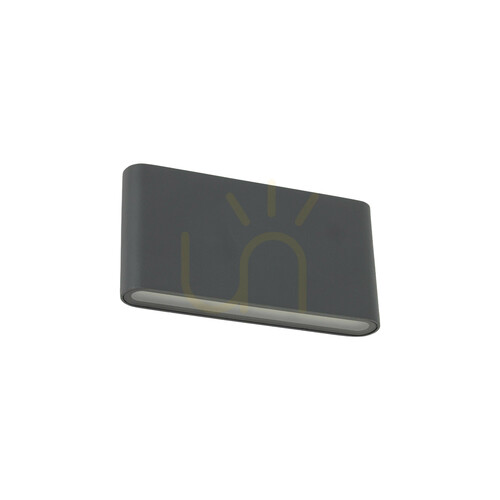
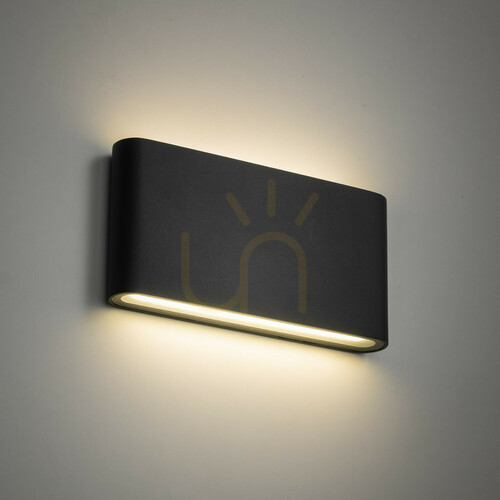
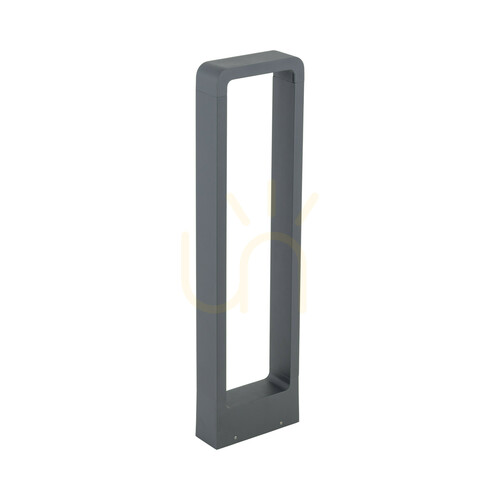
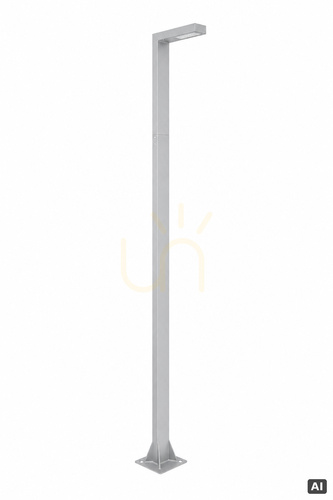
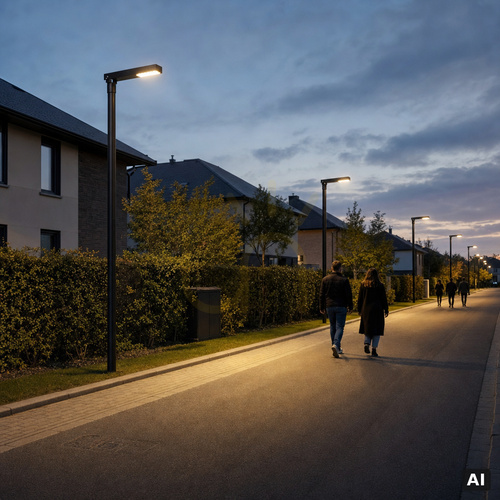
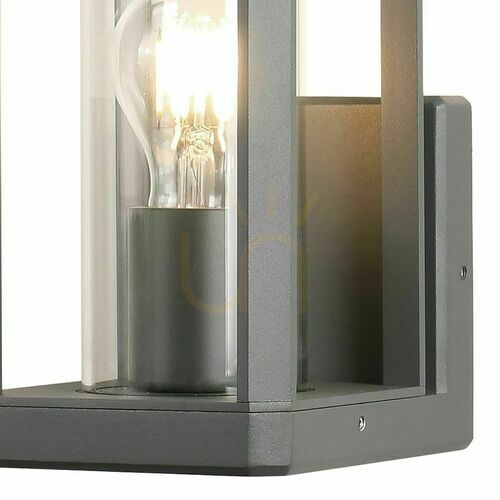
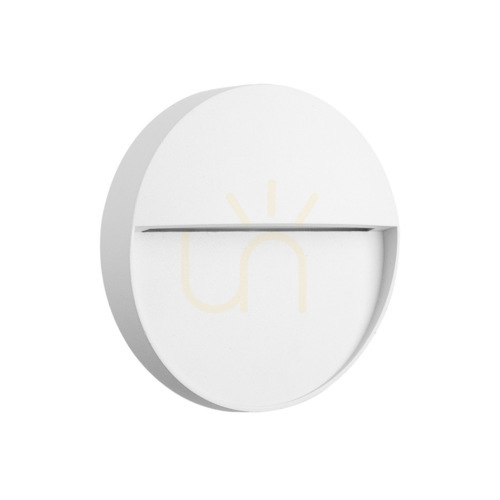
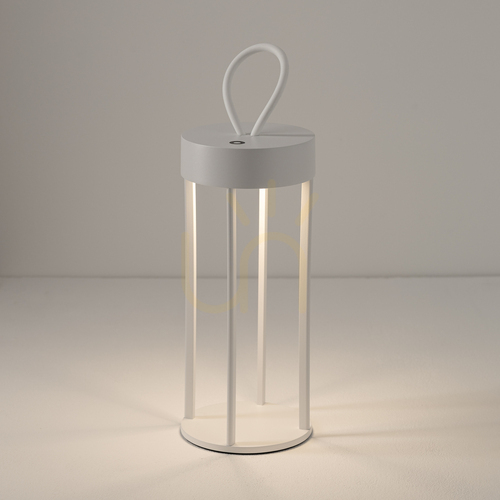
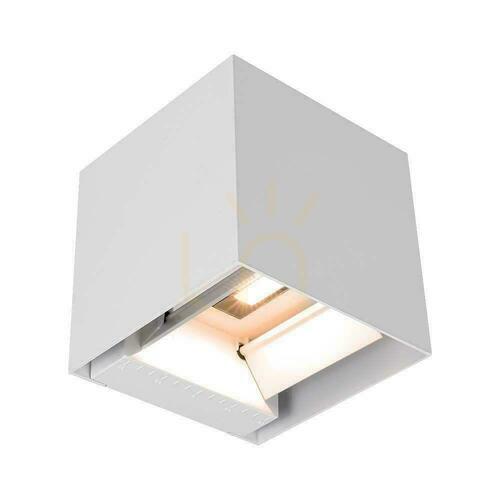
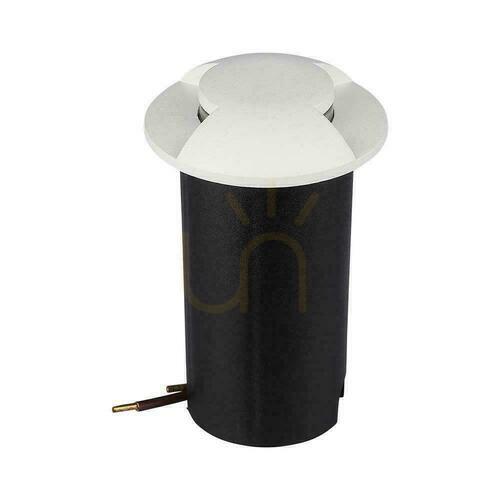
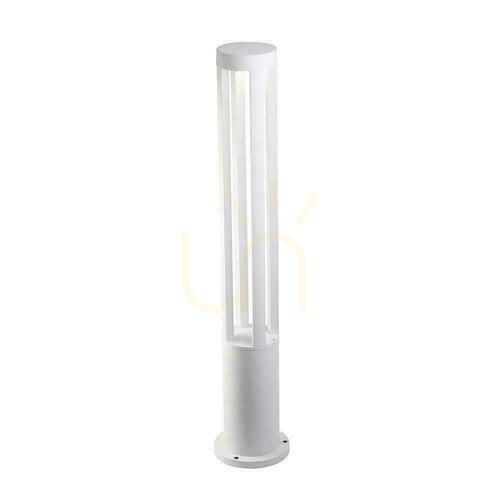
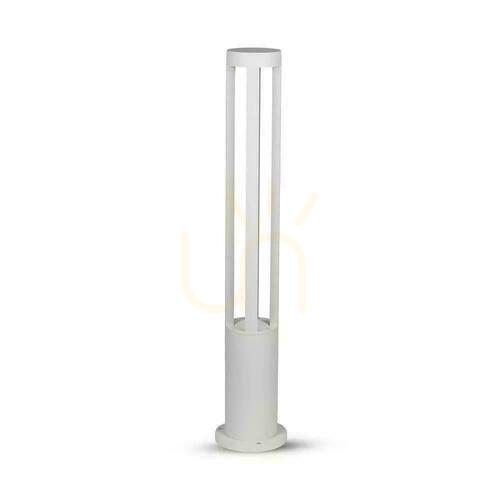
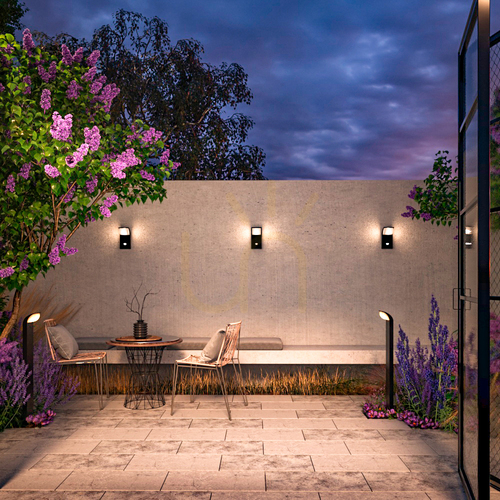
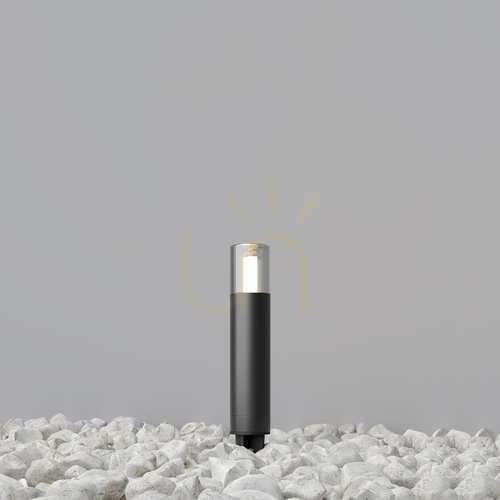
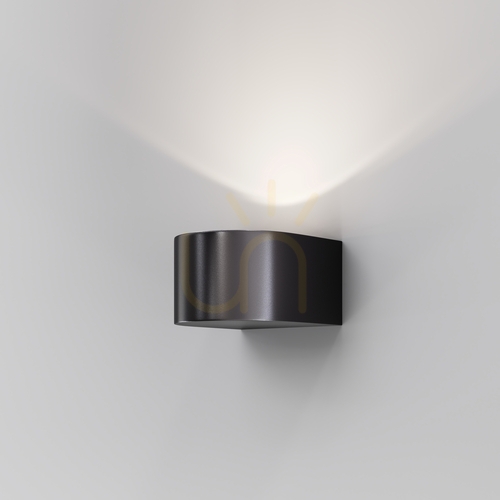
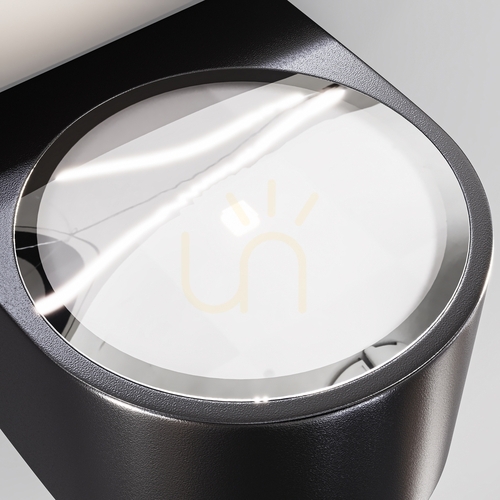
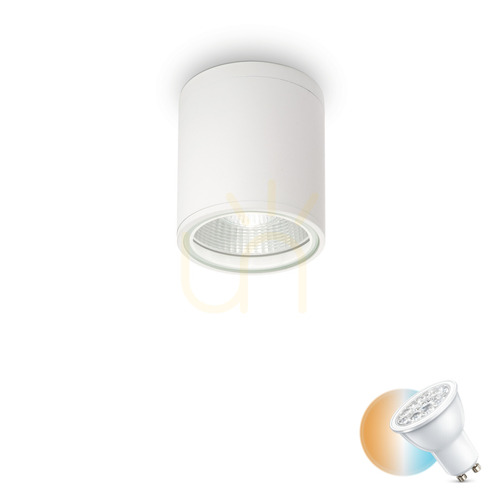
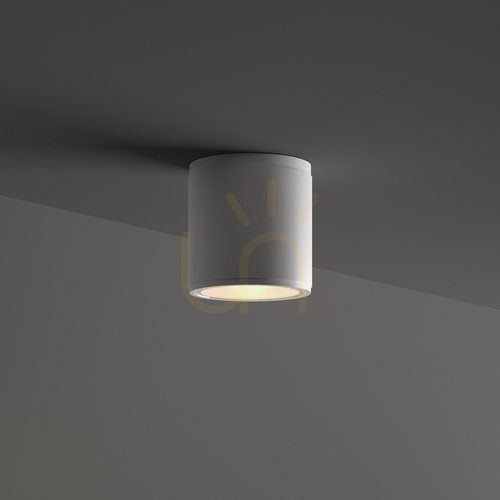
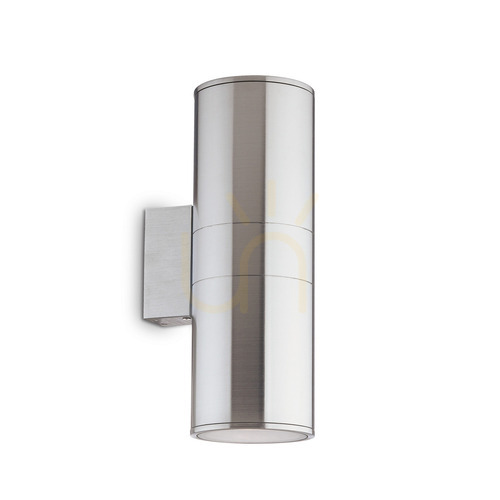
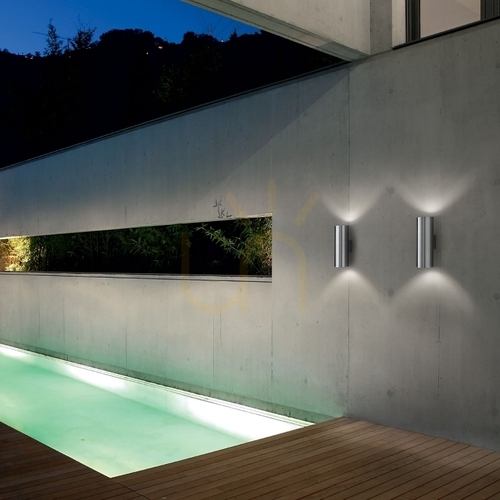
A minimalist outdoor fitting is defined by what has been left out: no scrollwork, no lantern pastiche, no visible fixings. What remains is one geometry in one material — a cylinder, a cube, a flat plate — with the light doing the decorating. This selection leans towards bollard lights, slim wall fittings, recessed step lights and drive-over units for the approach.
What actually makes a fitting minimalist
Not the colour, and not simply being plain. It is reduction: a single material carried across the whole body, one finish, an unbroken silhouette, and a bracket that disappears under the housing once the fitting is up. The aperture is often a slot or a flush diffuser rather than a shade. Judge a candidate by whether you notice the fitting at night or only the light it puts on the wall.
Cylinders, cubes and flat plates
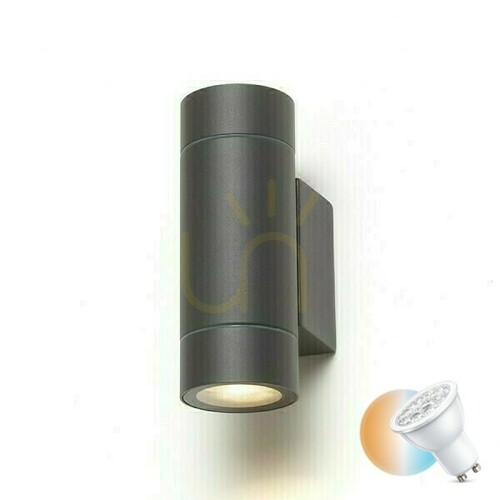
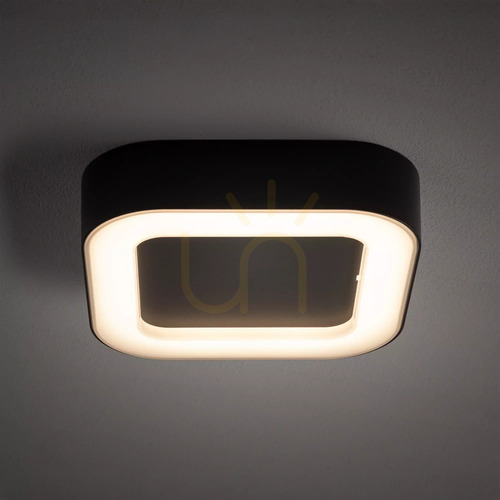
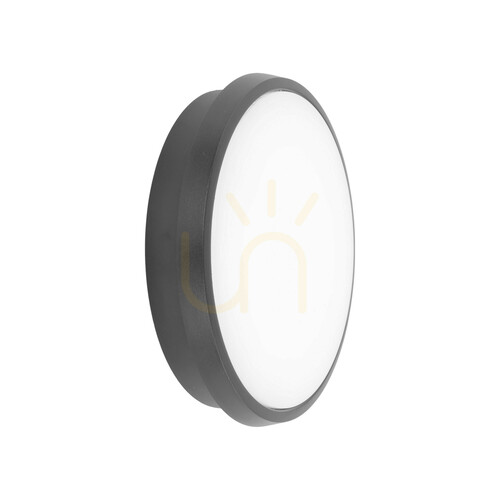
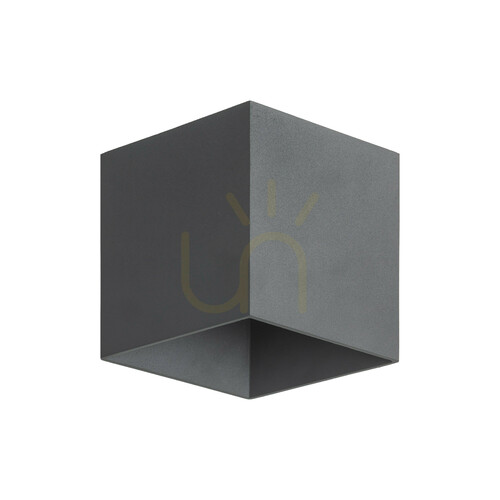
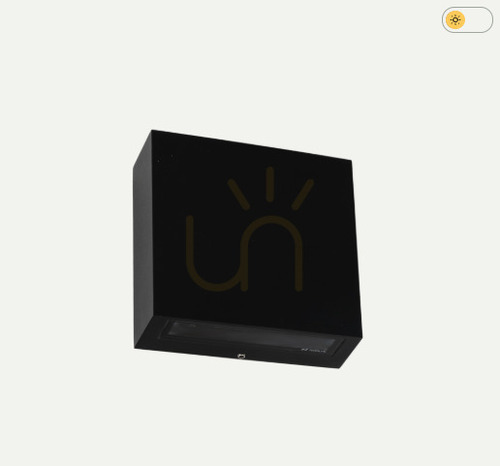
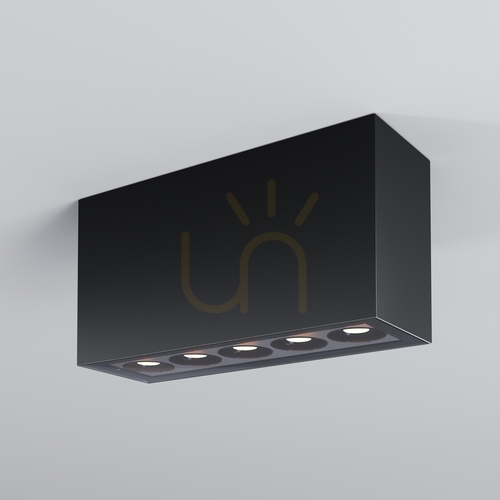
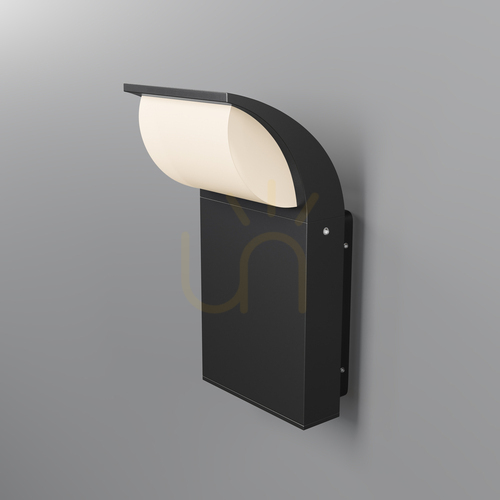
Three shapes keep recurring, and they behave differently. A cylinder throws two crisp cones up and down. A cube draws a hard-edged rectangle on brick or render. A flat plate washes wide and all but disappears in daylight. Dimensions sit in the specification for each product — worth comparing against the pier or gate post you are fixing to, because a reduced shape looks wrong on a face too narrow for it.
Up and down wall lights
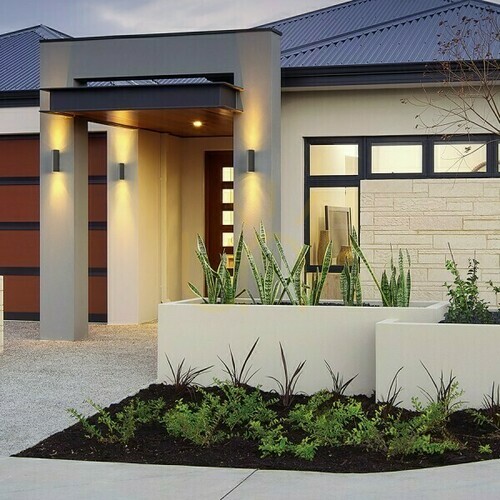
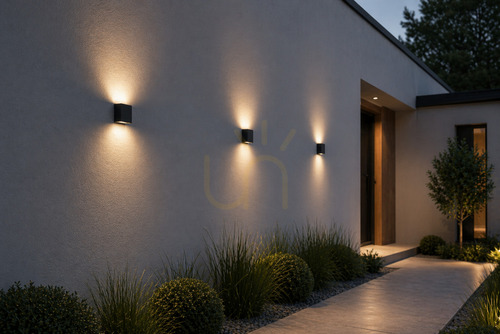
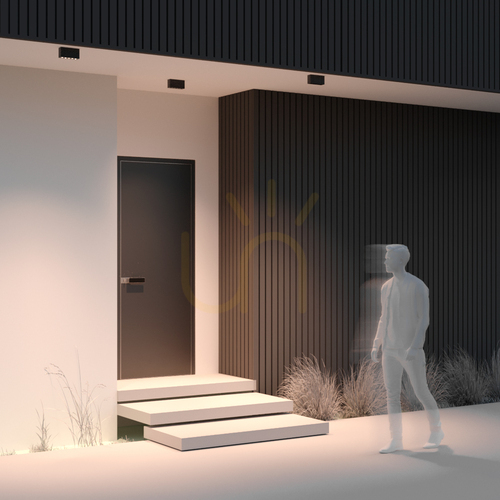
A two-way fitting flatters textured render, brick and board-marked concrete. The catch is height: mount it too low and the upward cone goes straight into a first-floor window. Around 1.9 to 2.2 m above ground works at a front door, a little higher on a driveway wall. A pale elevation needs less output than a dark one to reach the same apparent brightness.
Bollard lights: spacing beats brightness
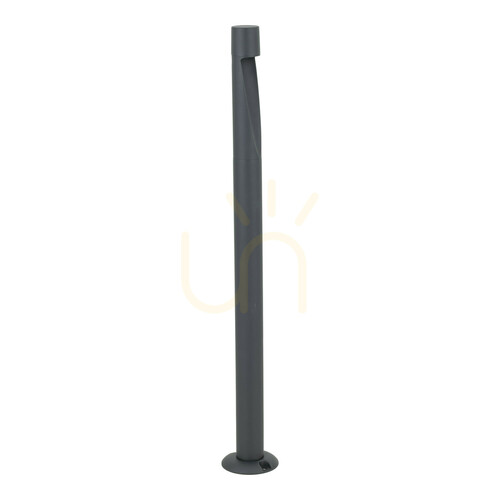
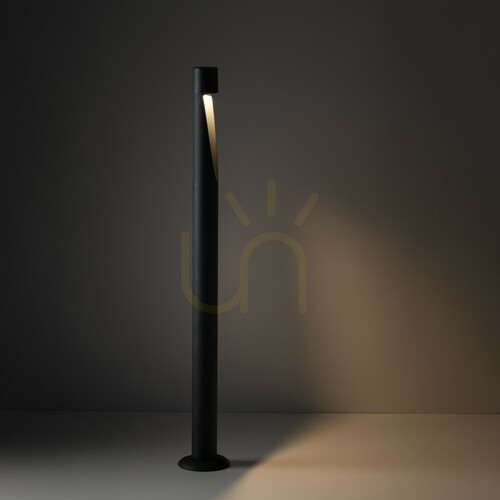
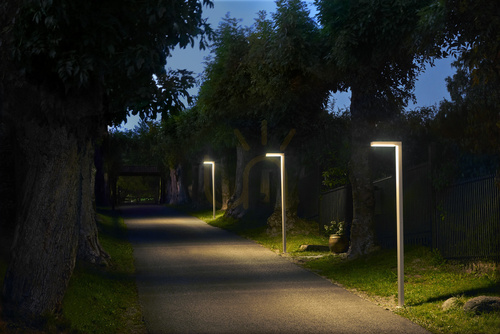
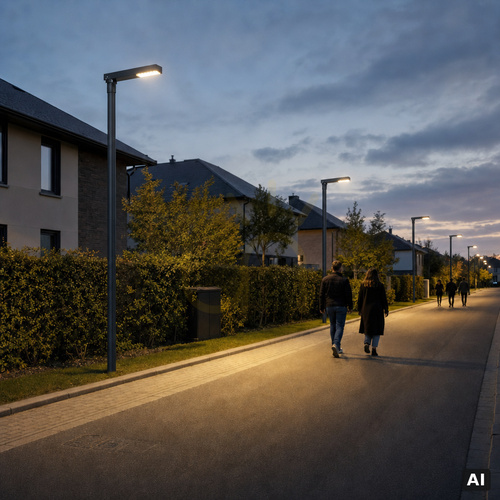
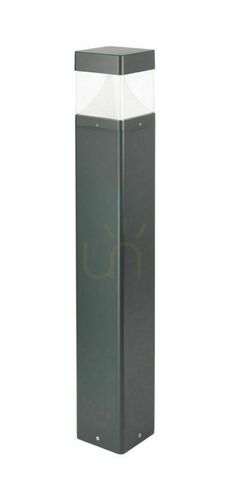
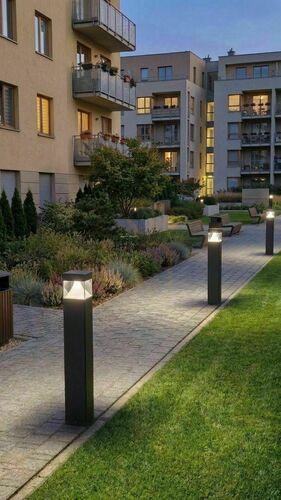
Along a path, continuity matters more than the output of any single unit. With bollards roughly 45 to 90 cm tall, pools of light meet at ground level when the spacing is about two to three times the bollard height. Some models throw a full ring; others are shielded to one side, which is the kinder choice on a boundary because it keeps the light off next door.
Driveway fittings and drive-over loads
A fitting set into a driveway surface works under loads a wall light never sees. Three figures decide it: the stated drive-over rating, the impact class IK — this selection runs from IK03 to IK10 — and how the housing drains. Without a gravel bed beneath it, even an IP67 unit sits in standing water after heavy rain.
Matching IP to the position
Under a deep eave, IP44 is enough. An unsheltered wall, a path or a driveway calls for IP54 or IP65. Anything buried in the ground or driven over starts at IP67. Pools and ponds are governed by their own zones, where the distance from the water surface decides the fitting, not its styling.
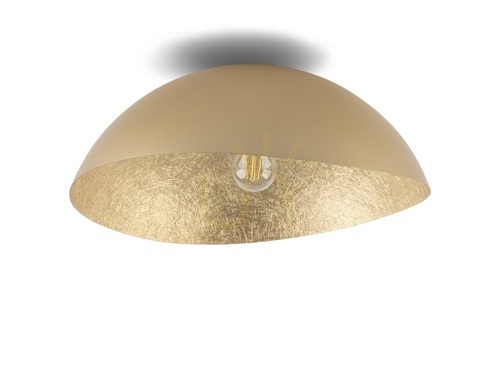
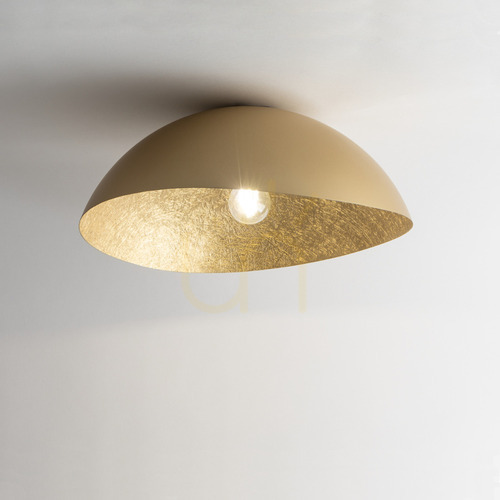
Worth knowing before you browse: the style filter runs across the whole catalogue, so alongside the weather-rated garden fittings you will also see minimalist pendants and ceiling lights rated IP20, which belong indoors. Check the IP mark on the product page before ordering anything for an exposed position.
Glare, dark skies and colour
Outdoors, 2700 to 3000 K reads warm and carries well; 4000 K earns its place at a gate or parking bay but looks clinical against timber and brick. Shielded, downward fittings keep light out of the sky and out of a driver's eyes on the way in. Dimmability varies across the range and is listed in the specification, so check it rather than assume it.
Salt, coast and the small parts
Near the sea, and on drives that get gritted through winter, the finish and the fixings usually fail before the body does. Painted aluminium castings with EPDM glands, powder-coated steel and aluminium with polycarbonate covers are all represented here. The seawater-resistance field is only filled in on part of the range, so treat an exposed coastal position as something to confirm rather than assume.
Questions worth asking first
E27 or integrated LED?
Both appear here. An E27 fitting lets you pick the colour temperature and replace the lamp later; an integrated LED allows a slimmer, better-sealed body but is replaced as a whole unit at end of life.
Who can wire it in?
Most of these run at 230 V and belong on a dedicated RCD-protected outdoor circuit installed by a competent electrician. Low-voltage 12 and 24 V models are easier to retrofit in a finished garden, and a few solar units need no cable at all.
To look more widely than one style, start from the full outdoor lighting range and filter by where the fitting is going.