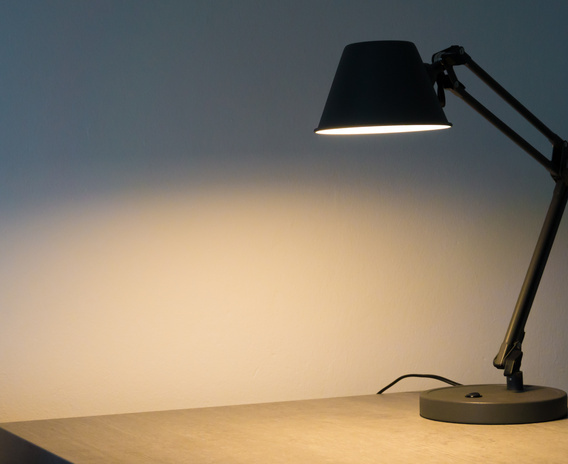
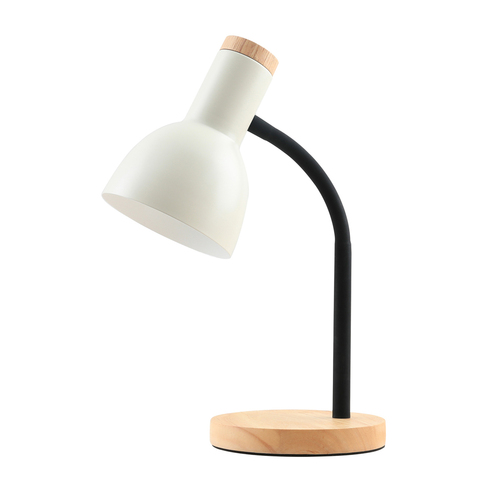
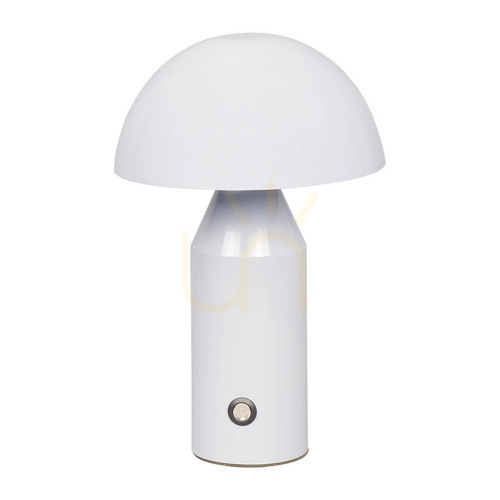
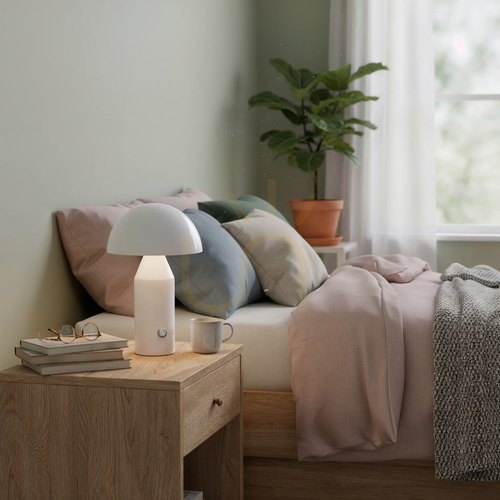
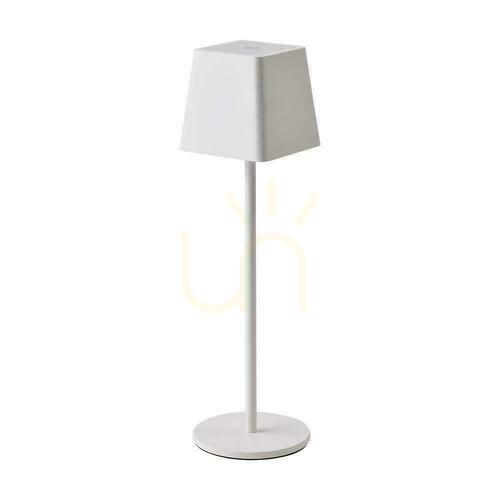
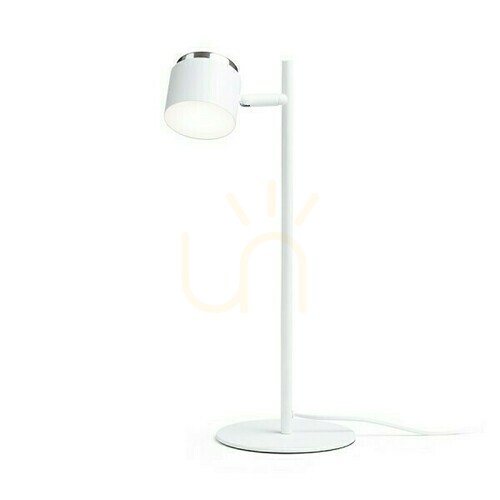
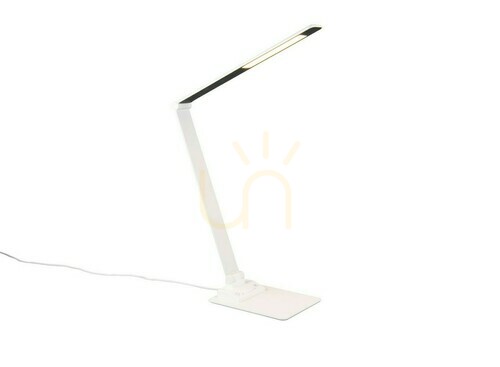
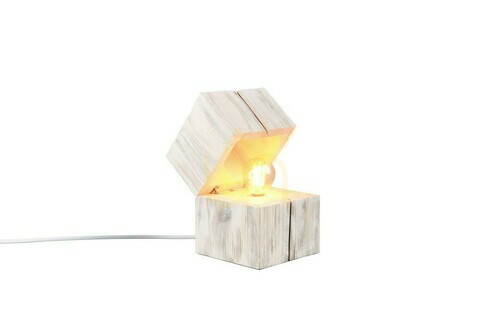
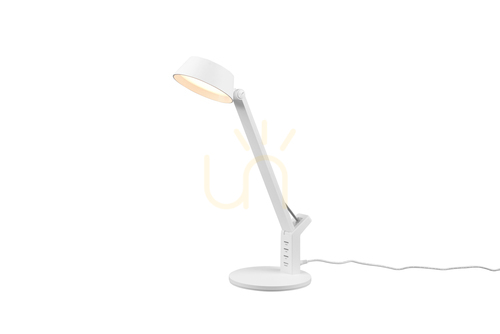
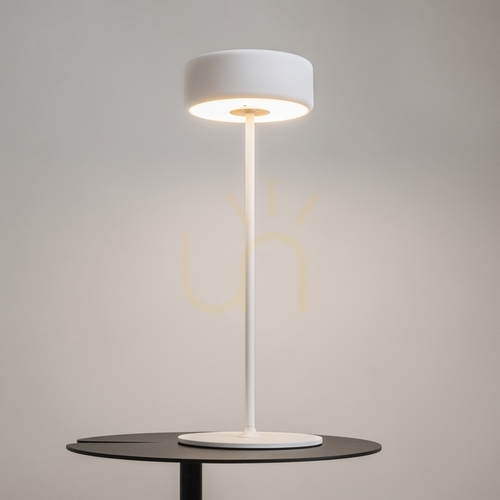
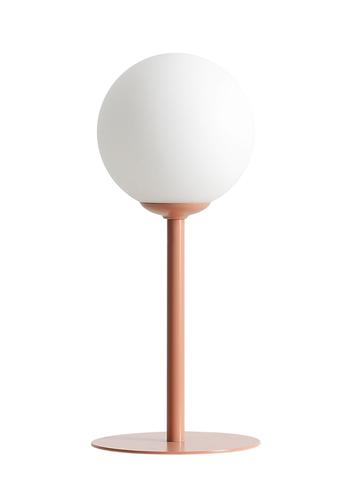
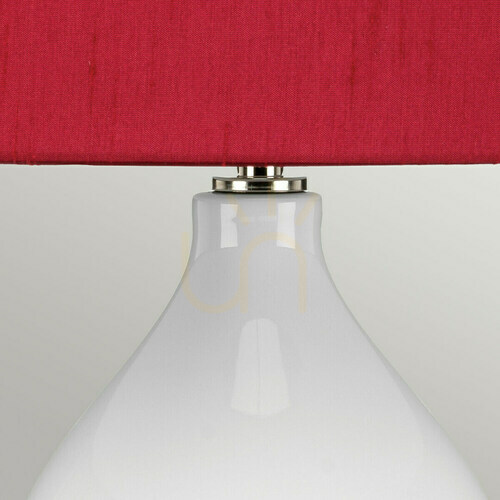
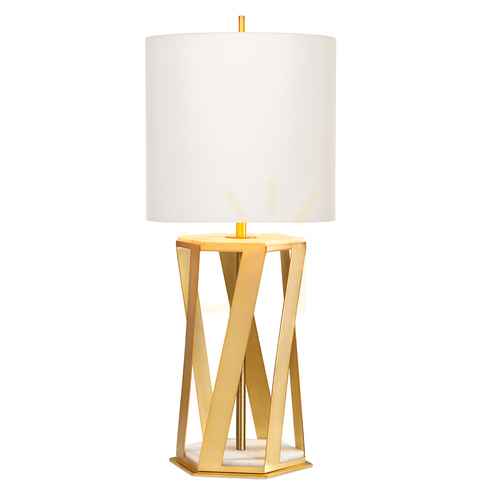
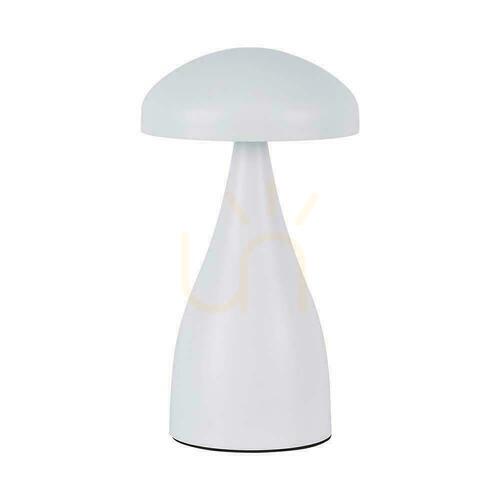
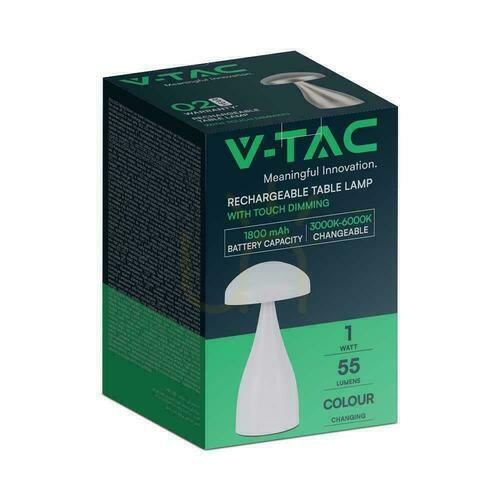
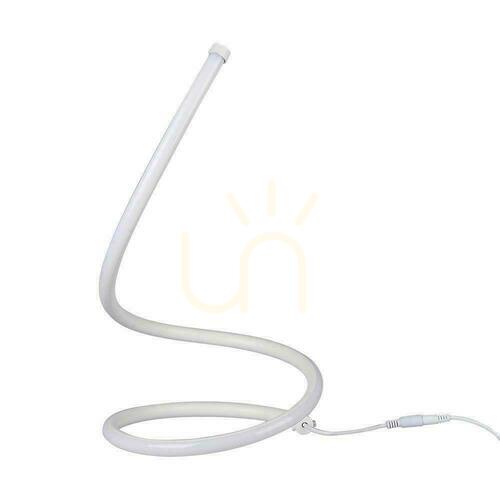
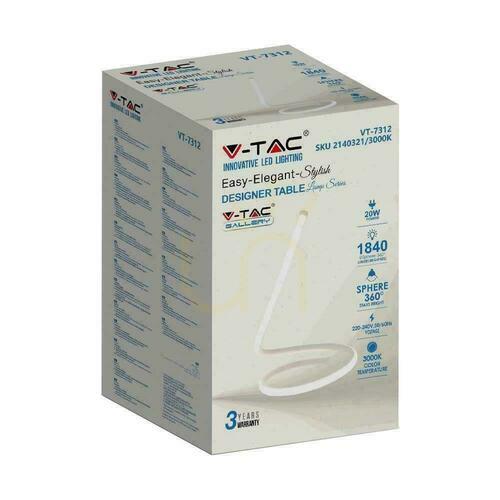
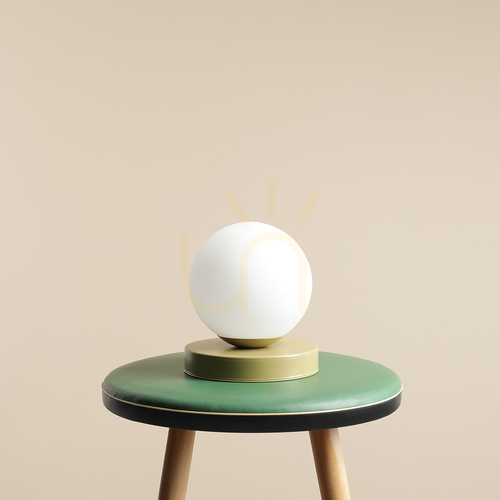
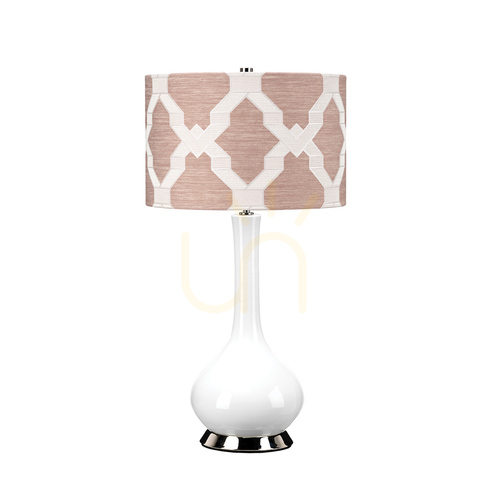
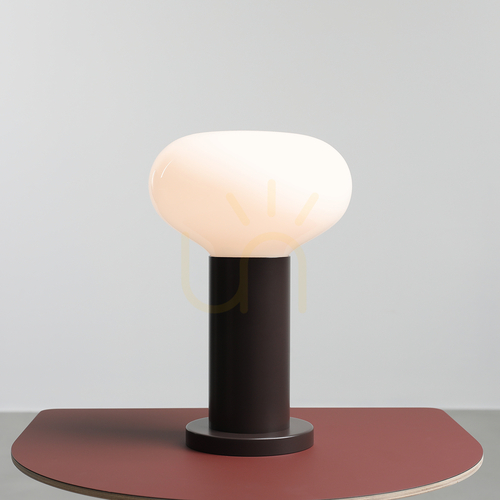
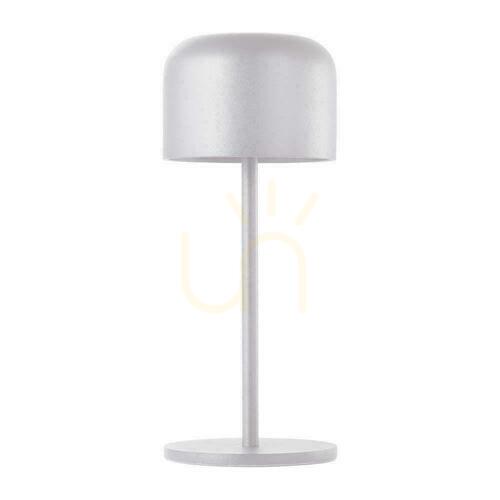
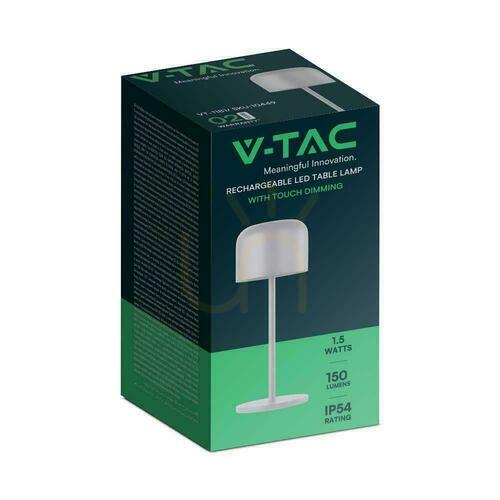
A white desk lamp is a task light whose shade, arm or base is finished in white – powder-coated steel, lacquered aluminium, matt plastic, opal glass, ceramic or fabric. The colour does more than match the furniture: a white inner shade bounces more of the light down onto the desk, and on a pale desk against a pale wall the lamp itself almost disappears.
That is half the appeal in a spare-room office or a teenager's bedroom, where the desk is in full view all day. The other half comes down to how much light the lamp puts on the page, what colour that light is, and whether the head can be angled so it never shines in your eyes.
What type of desk lamp is best?
For long stretches of reading, writing or screen work, a lamp with an opaque shade and an adjustable arm usually beats a decorative one. Here is how the common designs compare:
-
Balanced-arm lamp. Springs or counterweights hold the head wherever you leave it. The classic choice for drawing and paperwork, and it looks lighter in white than in black.
-
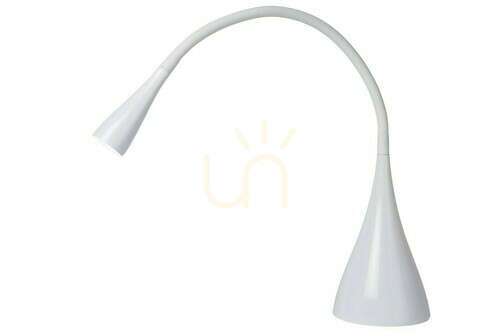
Gooseneck or flexible arm. Compact and easy to aim, good for a small desk or a child's homework spot.
-
Clamp-on lamp. Screws to the desk edge and frees up the whole surface – handy on narrow desks and shelves.
-
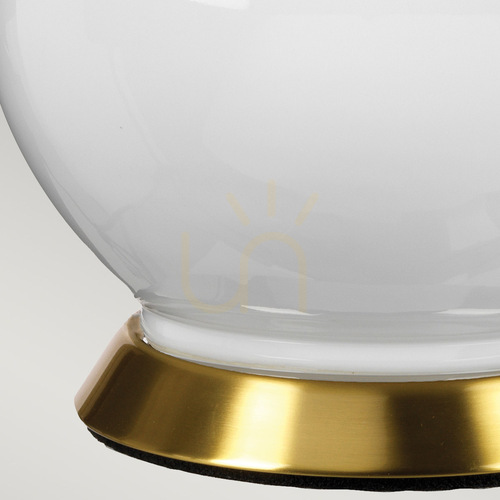
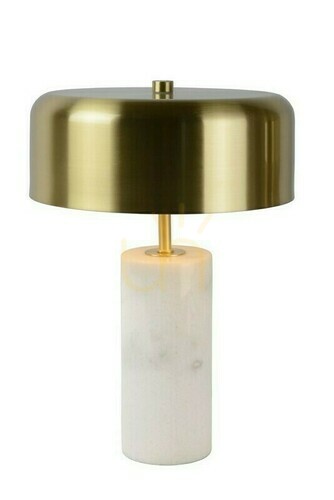
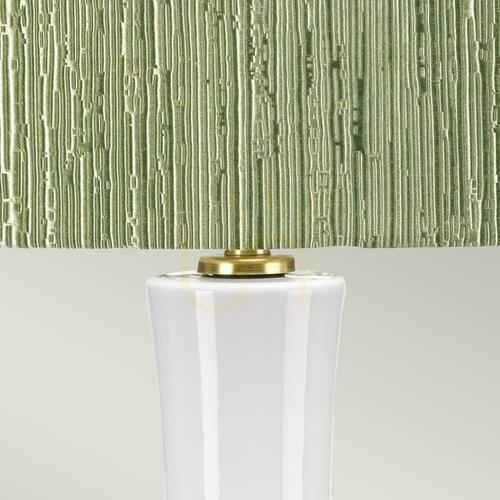
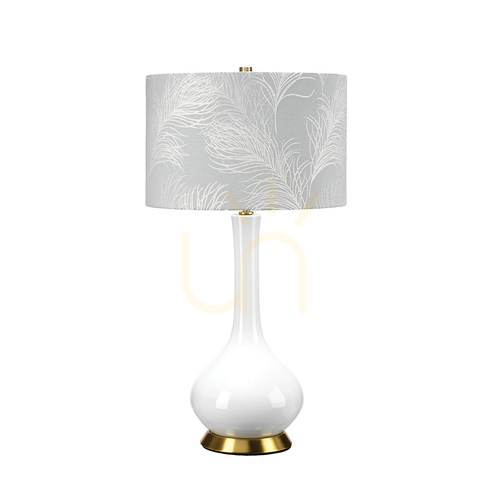
Glass or fabric shade. Opal glass and white linen glow all over, which feels softer in the evening but sends a good share of the light into the room rather than onto the desk.
Choosing the right light
Office lighting guidance (EN 12464-1, adopted in the UK as BS EN 12464-1) puts reading, writing and screen work at around 500 lux on the task area. A desk lamp typically gets there with 400–800 lumens from 35–50 cm above the desk.
| What you do at the desk |
Brightness |
Colour temperature |
Worth having |
| Laptop or monitor work |
400–600 lm |
3500–4000 K |
dimming, head that turns sideways |
| Reading and handwriting |
500–800 lm |
around 4000 K |
shade that hides the bulb |
| Homework |
400–700 lm |
3000–4000 K |
heavy base, easy adjustment |
| Drawing, sewing, model painting |
700–1000 lm |
4000–5000 K |
CRI 90+, long reach |
| Evening reading at the desk |
200–400 lm |
2700–3000 K |
dimmer or warm bulb |
Lamps with built-in LEDs often let you switch between warm, neutral and cool white and dim the output. Lamps with an E27 (ES), E14 (SES) or GU10 holder take the bulb of your choice, and the bulb can simply be swapped years later. Either way, look for a CRI of at least 80 – or 90 and above if colours matter to your work.
Why white, and which white
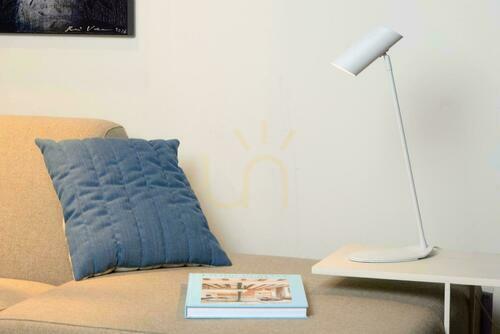
A matt white interior scatters light evenly, so the pool on the page is smoother than under a dark shade. Outside, white reads as calm and modern: it disappears on a white desk, contrasts sharply with walnut or black, and pairs with brass for a mid-century look or with pale wood for a Scandinavian one. Matt white on heavy metal suits an industrial room just as well.
Whites are not all the same, though. Some are cool and almost blue, others warm and creamy. Next to white furniture the mismatch is obvious, so compare the finish with your desk in daylight before you commit.
Where to put it
Right-handers set the lamp on the left, left-handers on the right, so the writing hand never casts a shadow. Keep the light source inside the shade and below eye level, and place the lamp beside the monitor rather than in front of it to stop reflections on the screen. Do not rely on the desk lamp alone in a dark room on a winter afternoon – the jump between a bright desk and a dark room tires the eyes quickly, so keep a ceiling or floor light on as well.
Pitfalls and care
- Cheaper white plastic can yellow over the years with sunlight and heat. Powder-coated metal, glass and ceramic hold their colour better.
- A glossy white desktop under a bright lamp produces glare. A matt desk mat or a lower setting fixes it.
- White hides dust better than black but shows fingerprints, ink and coffee rings more.
- Unplug the lamp and let it cool before cleaning. A dry microfibre cloth does most of the work, a drop of washing-up liquid in water handles marks. Avoid solvents and scouring pads on matt finishes.
- Check that the lamp arrives with a UK three-pin plug to BS 1363 rather than relying on a travel adaptor. Any rewiring is a job for a qualified electrician.
White desk lamp FAQs
What's the point of a desk lamp if the room already has a ceiling light?
A ceiling light lights the room, but your head and shoulders often throw a shadow over the desk. A desk lamp puts focused light exactly where you read or write and can be dimmed or angled without changing the rest of the room.
Can I leave a desk lamp on all night?
An LED lamp runs cool and uses little power, but it is still better switched off when you go to bed. Never cover the shade, and keep fabric or paper away from older halogen or incandescent bulbs, which get hot.
What makes a good modern white desk lamp?
Slim proportions, an adjustable head, built-in LEDs with dimming and a choice of colour temperature, plus a heavy base or clamp so the arm stays put when extended.
Can a white desk lamp work in a living room?
Yes, especially one with a glass or fabric shade on a sideboard or writing desk. For reading in an armchair, choose warm light around 2700 K and an arm long enough to reach over the page.
Does a white lamp give more light than a black one?
With the same bulb, the inside of the shade matters most. A white or silver interior reflects much more light than a matt black one.
How bright should a desk lamp be?
Around 400–800 lumens for most desk work, nearer the top of that range in a dim corner or for small print.
Related reading
More on arm types and mounting: desk lamps. If the white lamp is really for the bedside, warmer, dimmer light suits it better – more on that under white bedside lamps.