Good utility room lighting means a bright, even ceiling light that copes with damp air, plus focused light over the sink and worktop. It is a working room: you sort darks from whites, scrub at collars, read the tiny print on care labels and fold on the counter, so the light has to show colours honestly rather than set a mood.
Most British utility rooms sit off the kitchen or by the back door, often sharing space with the boiler, a Belfast sink, a tumble dryer and a row of coats and boots. That mix of steam, splashes, lint and muddy traffic is what shapes the choice of fitting.
The three layers, and which ones a utility room needs
Lighting designers talk about three layers: ambient light that fills the room, task light aimed at a work surface, and accent light that picks out a feature. A utility room needs the first two and can usually skip the third.
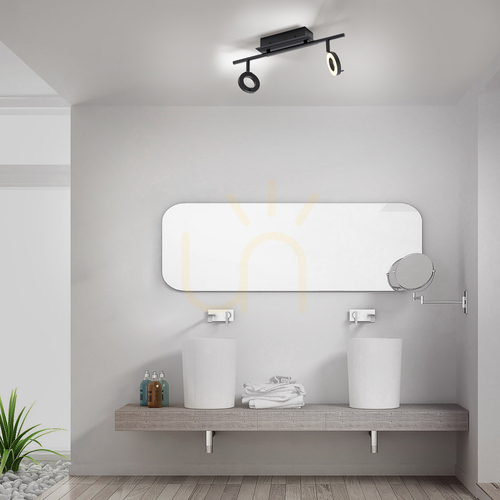
Ambient light comes from the ceiling. Task light goes where your hands are – the sink, the folding worktop, the ironing spot – because a single central fitting puts you in your own shadow the moment you face the wall. If there is a glazed cabinet or open shelving you want to show off, a short LED strip will do, but it is a nice-to-have.
Choosing a ceiling light
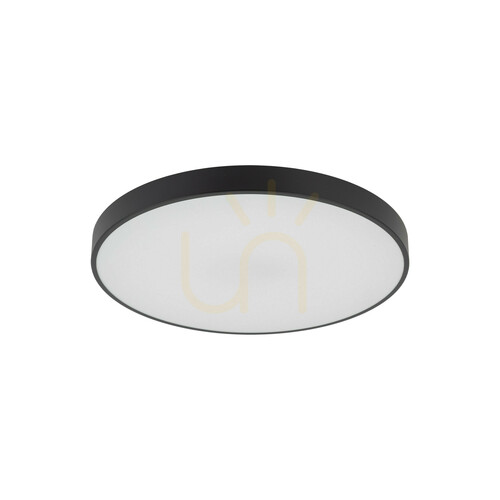
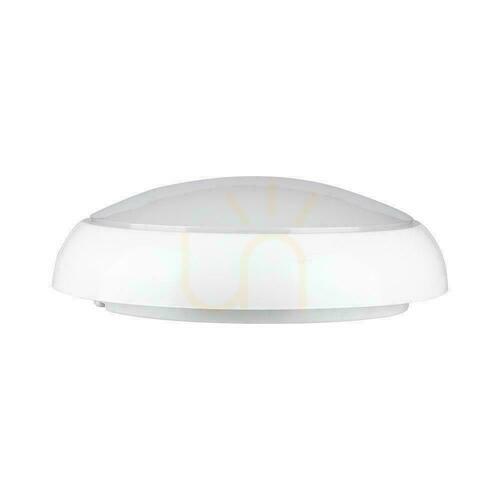
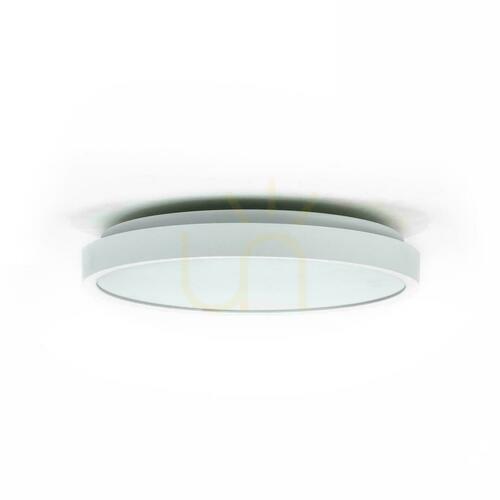
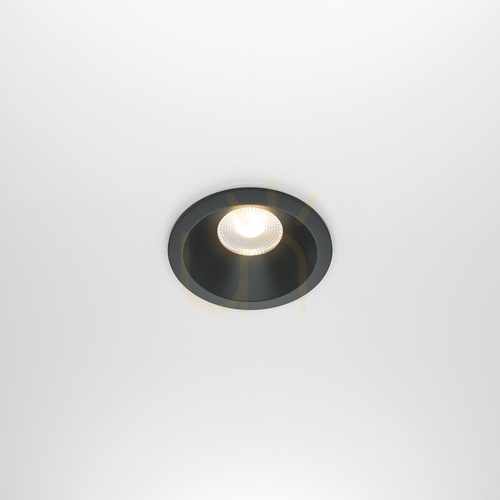
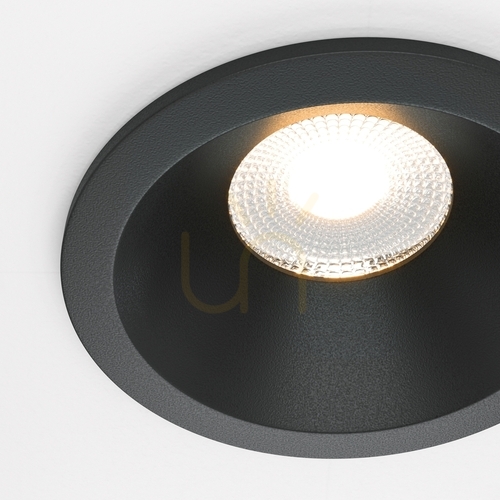
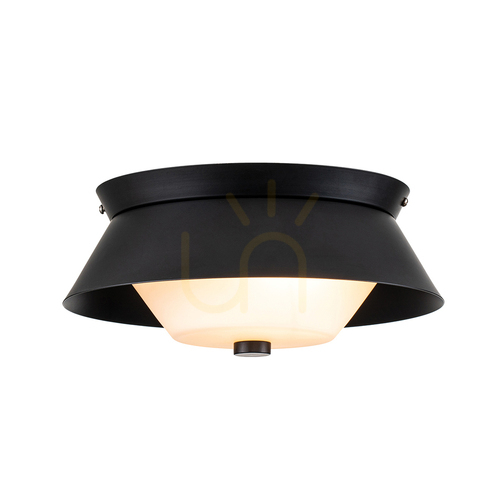
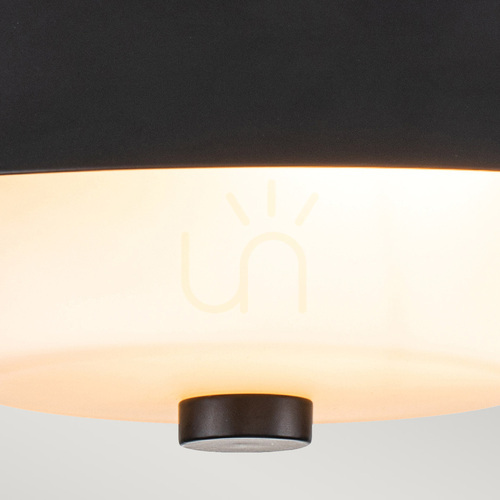
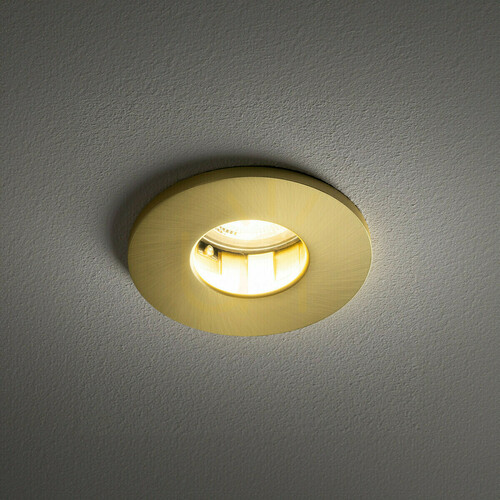
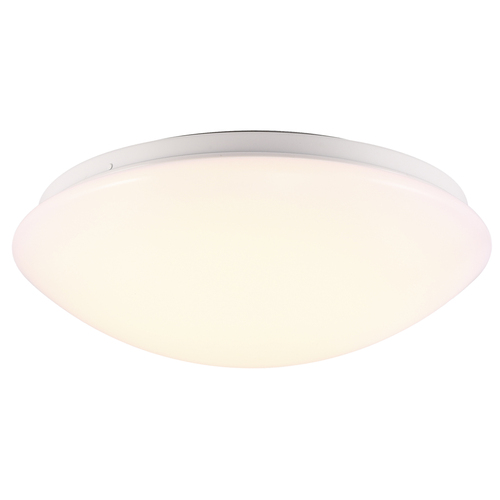
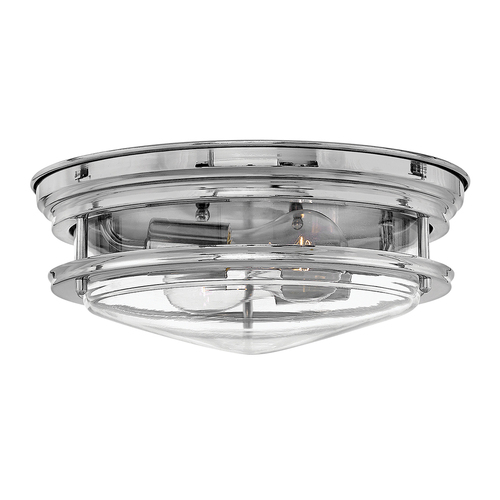
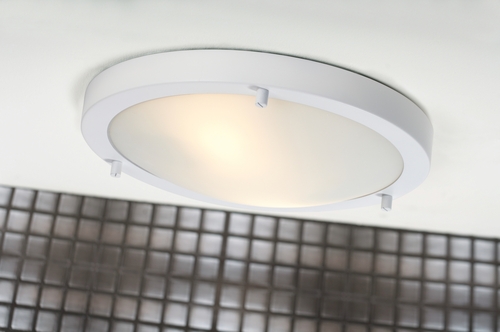
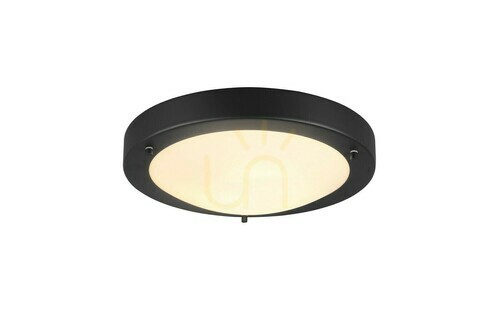
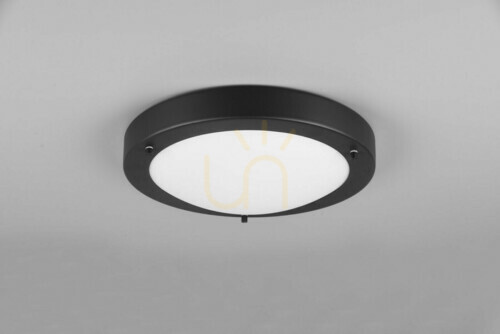
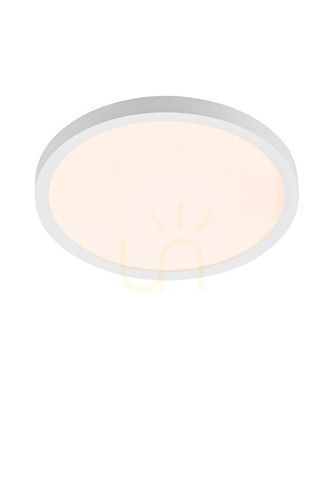
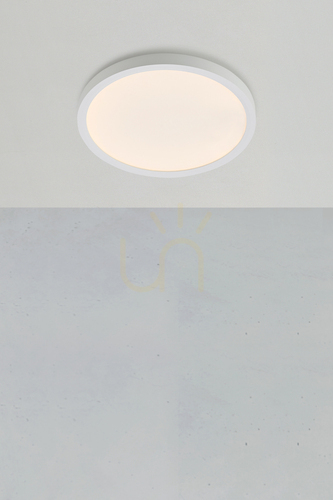
Flush and semi-flush fittings with an enclosed diffuser are the usual answer. They sit tight to the ceiling, stay clear of tall cupboard doors and laundry baskets carried at shoulder height, and their sealed shade keeps out steam and dryer fluff. Recessed downlights are a tidy alternative in a modern kitchen-adjacent utility, as long as they are spaced to clear wall cabinets rather than lighting the tops of them. A slim LED batten works well in a garage or cellar laundry.
Pendants can look lovely in a period-style boot room, but keep them away from walkways and hang them high enough that nobody clips them with a drying rack. Over a folding table, a pendant around 75–80 cm above the surface keeps shadows down.
| Room |
Main light |
Task light |
Typical rating |
Rough output |
| Laundry cupboard, under 3 m² |
one flush light or two downlights |
often not needed |
IP44 if a dryer vents into it |
800–1200 lm |
| Typical utility room, 5–8 m² |
flush fitting or 4–6 downlights |
under-cabinet LED over the worktop |
IP44 near the sink |
2000–3000 lm |
| Boot room with sink and back door |
semi-flush or pendant away from the door swing |
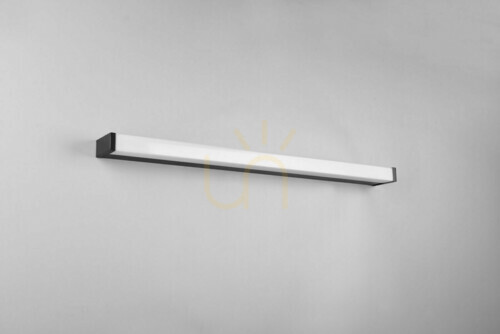
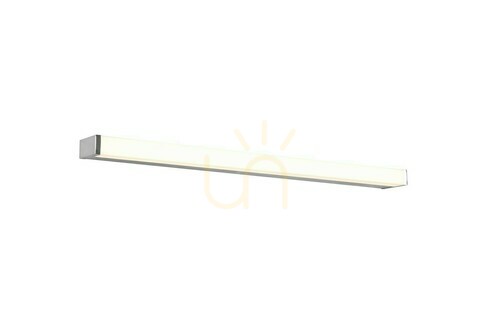
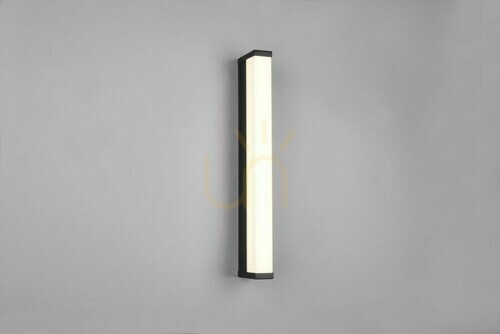
wall light above the sink |
IP44 for the sink light |
2000–3000 lm |
| Garage or cellar laundry |
LED batten, mounted lengthways |
second batten over the bench |
IP65 |
3000–4000 lm |
For colour temperature, 4000 K neutral white suits a utility that is mostly about getting jobs done; 3000 K is softer and blends better if the room opens straight into a warm-lit kitchen. Whichever you pick, look for a CRI of 90 or above: it is the difference between seeing a faint tea stain and missing it.
Small utility rooms
In a narrow utility, a long room or a cupboard behind bifold doors, one light in the middle leaves both ends gloomy. A linear fitting running lengthways spreads light more evenly, and pale, glossy cabinet fronts bounce it around. If the washer and dryer are stacked in a cupboard, a small motion-sensor light inside it means you are not loading the drum in the dark.
Damp, regulations and installation
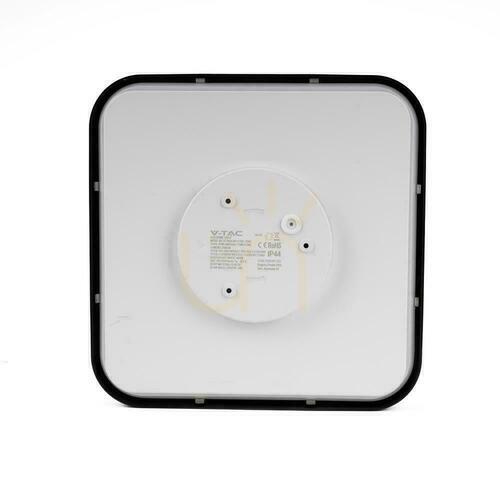
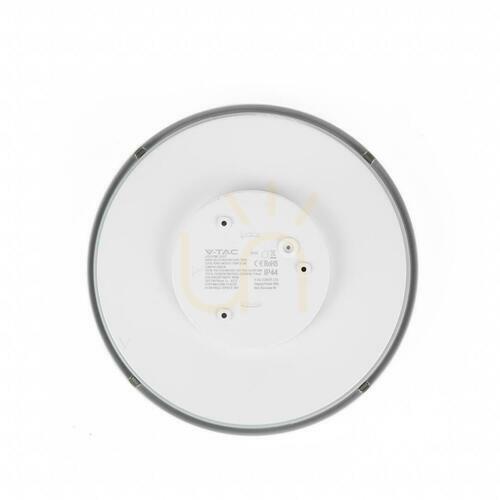
A utility room without a bath or shower is not a "special location" under BS 7671, so the bathroom zones do not apply. Steam and splashes still do, which is why IP44 has become the sensible default for anything near the sink or the dryer. In a cellar or unheated garage, where cold walls collect condensation, IP65 is the safer choice.
Mains lighting is a job for a qualified electrician working to BS 7671. In England, a new circuit is notifiable under Part P of the Building Regulations; swapping a fitting on an existing circuit usually is not, but get it checked if you are unsure. If there is a bedroom above, ask whether fire-rated downlights are needed so the ceiling keeps its fire resistance.
Common mistakes and upkeep
-
Warm 2700 K bulbs left over from the hallway. Whites turn cream and navy reads as black.
-
Open fabric shades. They collect lint and grease and look tired within a year.
-
A fitting right above the dryer vent or a drying rack. Rising moist air fogs the diffuser and shortens its life.
-
Bare steel in a cellar. Polycarbonate, glass or powder-coated housings stand up to damp far better.
Cleaning is simple: switch off at the wall, wipe the diffuser with a damp cloth and skip solvents, which cloud plastic. Water droplets inside a shade usually mean a perished seal or a rating too low for that spot.
Utility room lighting FAQs
What is the best ceiling light for a utility room?
An enclosed flush or semi-flush LED fitting, ideally IP44, neutral white and CRI 90 or above. In a larger room, downlights or two fittings give more even coverage.
How do you light a utility room?
Start with an even ceiling light, then add task lighting over the sink and worktop. Add a motion sensor if you often walk in with your arms full.
What type of lighting is best for a small laundry room?
A slim flush fitting or a linear light running the length of the room, with bright, reflective surfaces around it. Skip pendants: there is rarely the headroom or the space.
What are the regulations for domestic lighting in the UK?
Fixed wiring must meet BS 7671, and in England new circuits and work in bathrooms are notifiable under Part P. A registered electrician can certify the work for you.
Do I need IP65 in a utility room?
Usually not. IP44 covers splashes and steam; IP65 is worth it in an unheated garage, a cellar or a spot where a hose or spray tap could reach the fitting.
Can I use smart bulbs in a utility room?
Yes, provided they go in a fitting rated for the room. Many enclosed fittings take a standard E27 or B22 lamp, but check the maximum wattage and whether the fitting suits LED lamps.
More on lighting the rest of the house: indoor lighting. If damp is your main worry, read more about lights rated IP44 and what that rating covers.