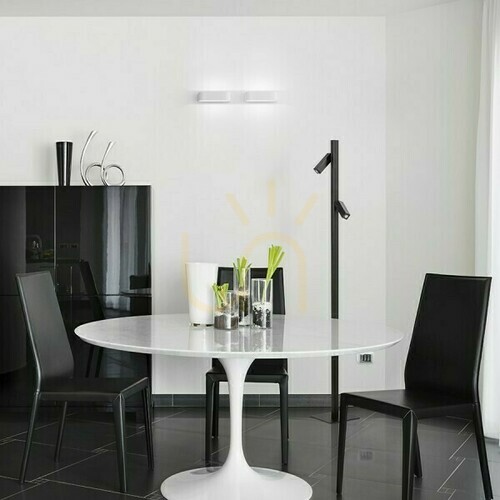
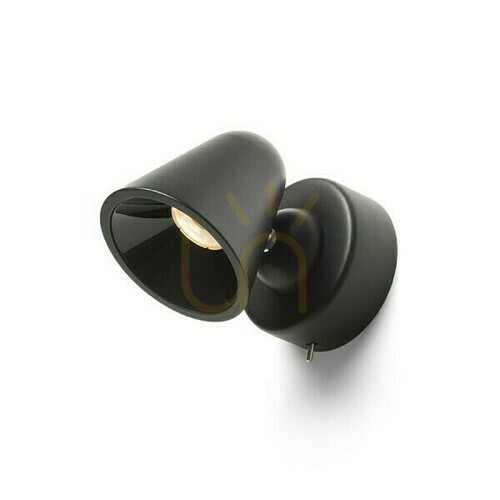
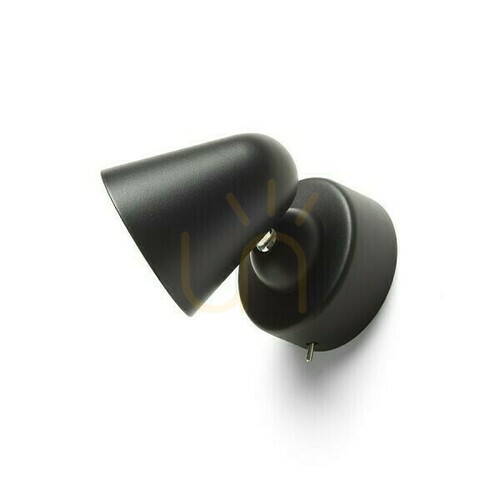
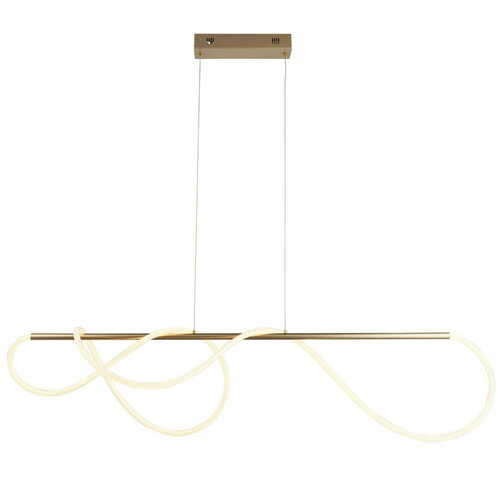
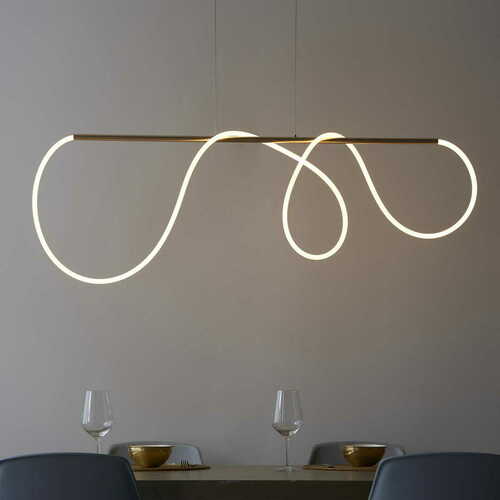
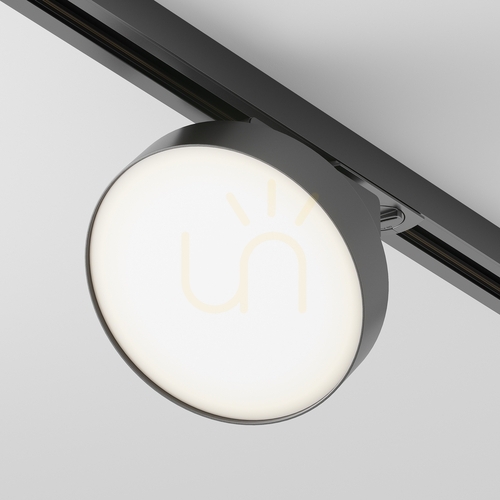
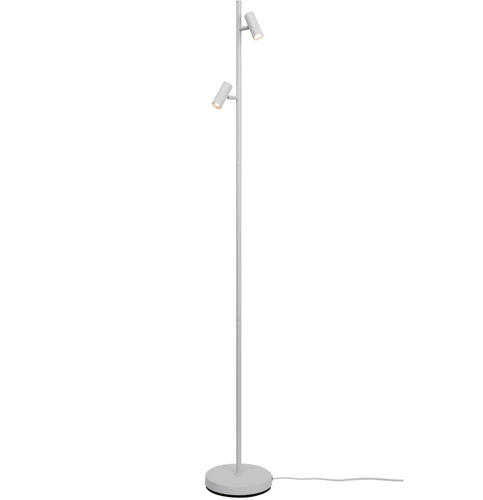
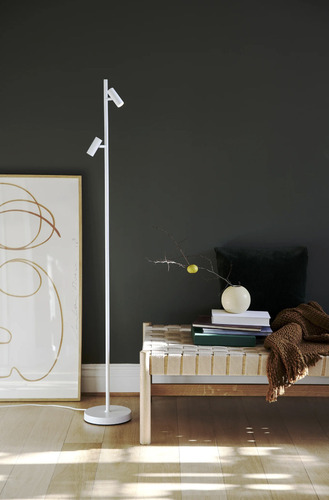
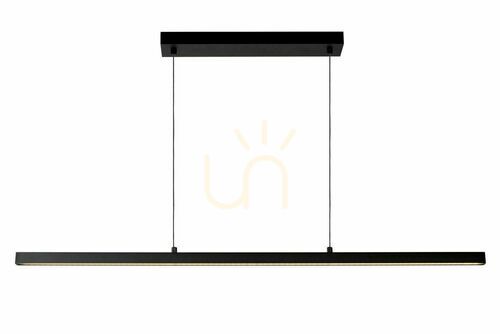
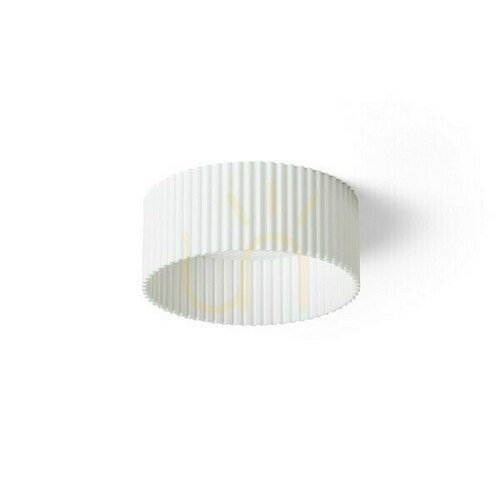
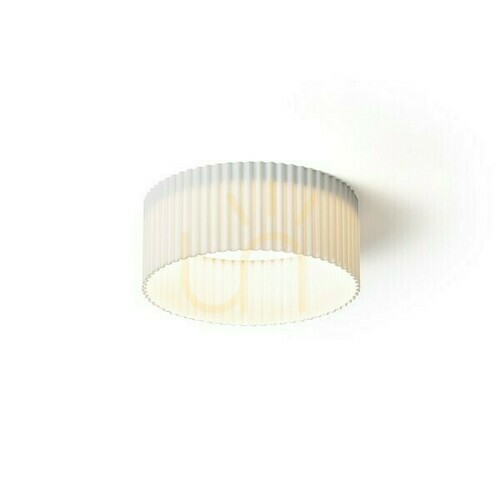
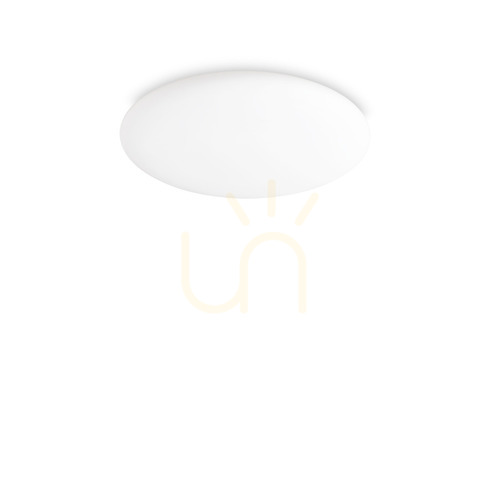
Indoor LED lights are fittings whose light comes from light-emitting diodes, either built into the fitting or screwed in as an LED bulb. They use a fraction of the electricity of old incandescent and halogen lamps, run cool to the touch and typically last tens of thousands of hours. Choosing one well means reading three figures on the box instead of watts: lumens, colour temperature and CRI.
How do LED lights work?
An LED is a semiconductor chip that gives off light when current flows through it. It turns far more of its power into light than a filament does, but much of the rest still becomes heat at the chip, which is why the heatsink matters. An incandescent bulb, by contrast, turns roughly 90% of its power into heat. Because the chip runs on low-voltage direct current, every LED light needs a driver that converts the 230 V mains supply. In an LED bulb the driver sits inside the base; in an integrated fitting it is a separate small box, often replaceable on its own. The driver’s quality largely decides whether the light flickers, buzzes on a dimmer or fails early.
Integrated LED or a fitting that takes bulbs?
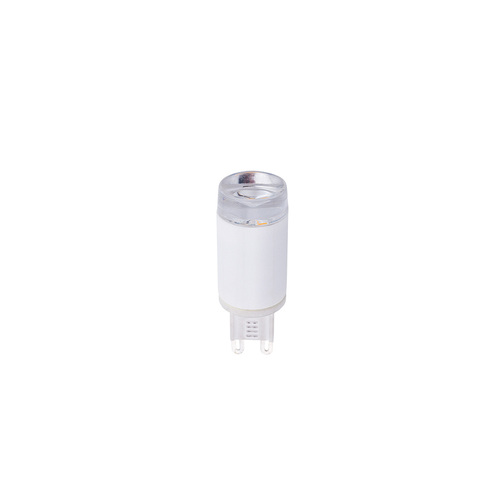
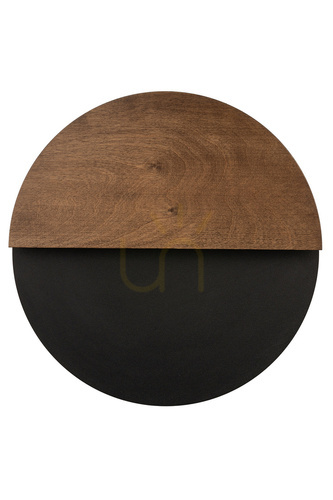
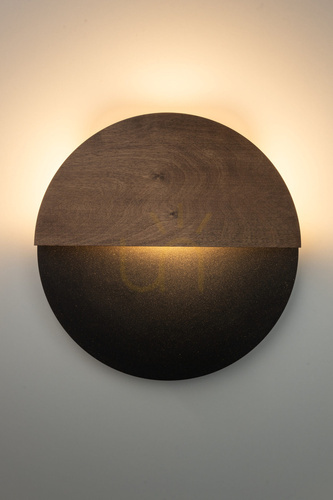
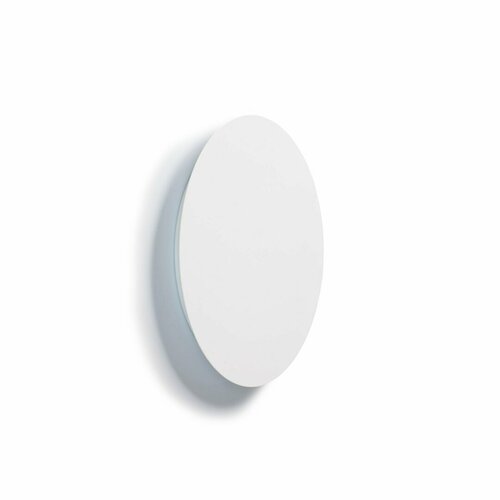
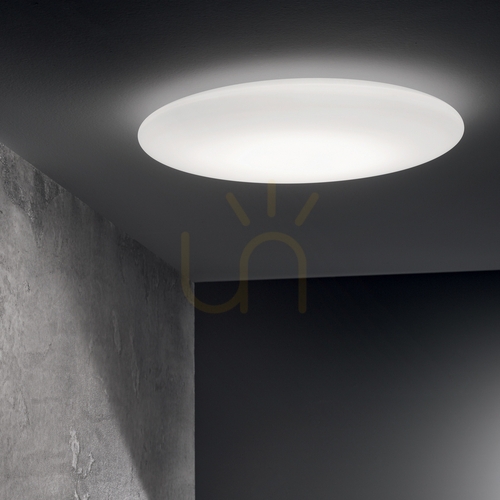
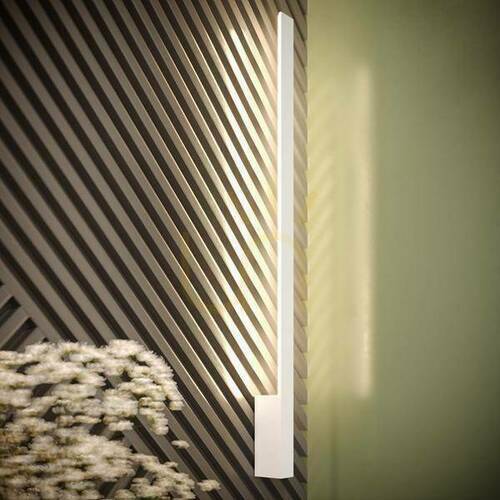
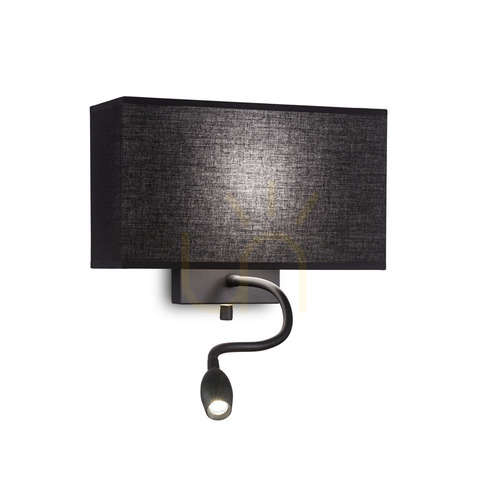
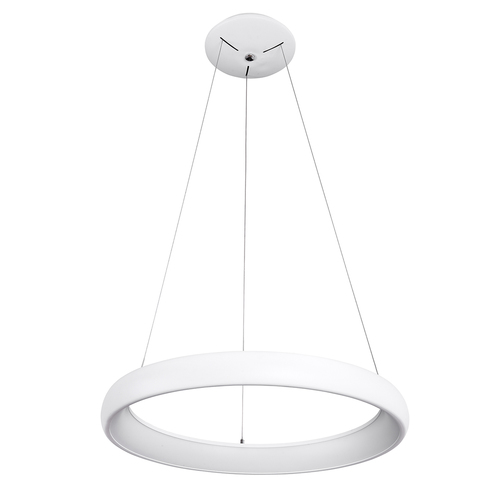
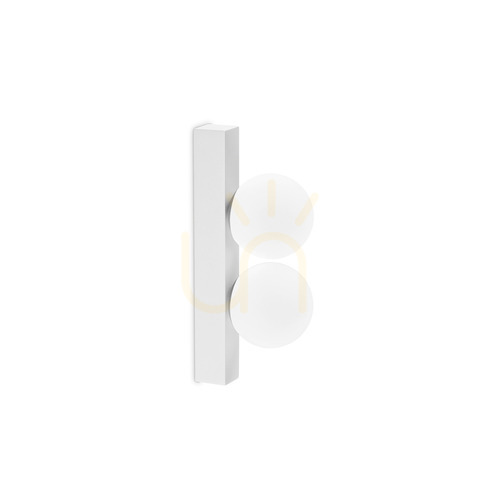
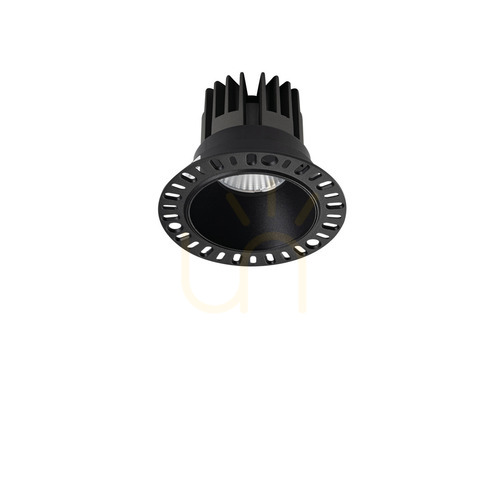
Integrated fittings – flush ceiling lights, panels, slim wall lights, downlights with a built-in module – can be very thin and spread light evenly, and their aluminium bodies carry heat away from the diodes. Fittings with a lamp holder are more flexible: you can change the colour or brightness simply by swapping the bulb, or fit a smart bulb later. In the UK, check the cap before you buy. B22 bayonet is still common in older homes, alongside E27 and E14 screw caps, GU10 for spotlights and G9 for small decorative fittings.
Swapping old bulbs for LED: a quick lumen guide
Brightness is measured in lumens, not watts. This table shows what to look for when replacing a familiar bulb.
| Old bulb |
Equivalent output |
Typical LED wattage |
Good for |
| 25 W incandescent |
about 250 lm |
2–3 W |
bedside lamp, night light |
| 40 W incandescent |
about 470 lm |
4–6 W |
table lamp, wall light |
| 50 W GU10 halogen |
350–500 lm |
4–6 W |
spotlights, kitchen downlights |
| 60 W incandescent |
about 806 lm |
7–9 W |
pendant, reading lamp |
| 100 W incandescent |
about 1521 lm |
12–15 W |
main light in a larger room |
For general lighting, allow roughly 100–150 lm per square metre in a living room, 80–120 lm in a bedroom and 200–300 lm in a kitchen, with extra light over worktops. A 4 × 4 m living room therefore wants around 1600–2400 lm, ideally spread over a ceiling light, a floor lamp and one or two lamps at seating height.
Colour temperature and colour rendering
Warm white at 2700–3000 K gives the soft, slightly amber light most people want in living rooms and bedrooms. Cool or neutral white at around 4000 K suits kitchens, bathrooms and home offices. Daylight at 5000–6500 K is crisp and bluish – useful in a garage or craft room, harsh in a lounge. Colour rendering (CRI or Ra) tells you how true colours look: 80 is standard, 90 or more makes food, skin tones and paint colours look right, so it is worth it above a kitchen worktop or a bathroom mirror. Fittings with adjustable colour temperature, set by remote or app, let one ceiling light do daytime and evening duty.
Dimmers, bathrooms and installation
-
Dimming: use bulbs or fittings marked dimmable on an LED-compatible dimmer, usually trailing-edge. Old leading-edge dimmers often have a minimum load that a few LED bulbs cannot reach, which causes flicker or buzzing.
-
Bathrooms: fittings must suit the bathroom zone under BS 7671. Close to a bath or shower, IP44 is the minimum, and many electricians fit IP65 in zone 1. In England, new circuits and some bathroom work are notifiable under Part P, so leave mains wiring to a qualified electrician.
-
Downlights in ceilings: where a recessed light pierces a ceiling with a room above, fire-rated downlights help keep the ceiling’s fire resistance.
-
Enclosed shades: LED bulbs dislike heat. In a closed glass globe, choose a bulb rated for enclosed fittings.
Lifespan, energy labels and smart control
LED lifespan is usually quoted with an L70 or L80 rating: the number of hours before light output falls to 70 or 80% of its original level. So an LED rarely dies outright – it slowly dims, and a sudden failure is normally the driver. On the A–G energy label even good LED bulbs often sit in classes E or F, because the top classes are kept for exceptionally efficient sources; lumens per watt is the fairer comparison between two lamps. Smart fittings and bulbs add app or voice control and saved scenes, though with any remote-controlled light the wall switch has to stay on.
Indoor LED lights: common questions
Which LED lights are best for a bedroom ceiling?
A warm-white (2700 K) ceiling light with a diffused, opal shade and a dimmer, plus separate bedside lamps. Avoid exposed bright spots directly above the bed, where you look straight into them.
What are good LED living room lighting ideas?
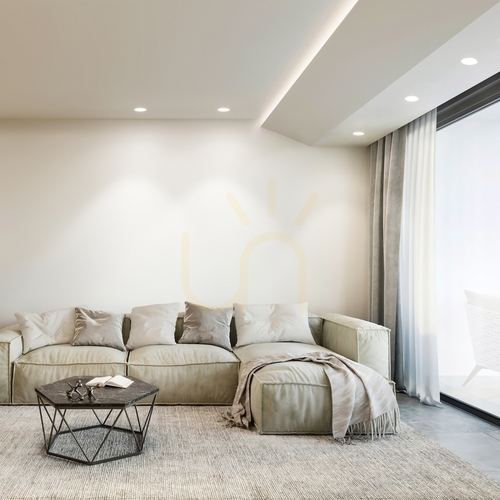
Layer it: a dimmable ceiling light for general light, a floor lamp by the sofa, wall lights or LED strip behind the TV for low background glow. Keep everything at the same colour temperature so the room feels calm.
Are LED strip lights good for ceilings?
As indirect light in a cove or behind a coving, yes. Mount the strip in an aluminium profile with a diffuser so the dots disappear and the diodes stay cool. Low-voltage strips need a driver rated about 20% above the strip’s load.
Why does my LED light flicker?
Usually an incompatible dimmer, a cheap driver or a non-dimmable bulb on a dimmer circuit. Look at the light through your phone camera: dark bands on screen reveal flicker your eye barely notices.
Do LED lights really save energy?
Yes. An 806 lm LED bulb draws around 8 W against 60 W for the incandescent it replaces, and it lasts typically 15,000–25,000 hours compared with about 1000.
Once you know the lumens and colour you want, the remaining choice is the style of fitting. More on choosing an indoor fitting by type: indoor lights; for a slim ceiling option, surface-mounted LED downlights.