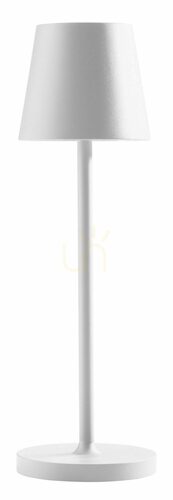
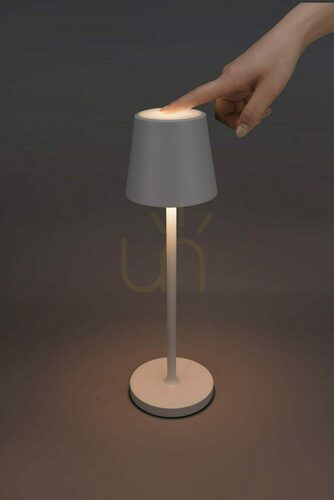
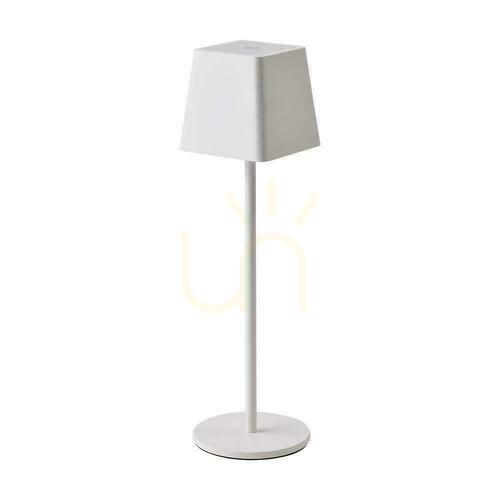
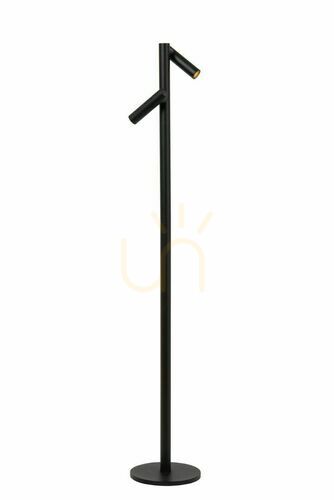
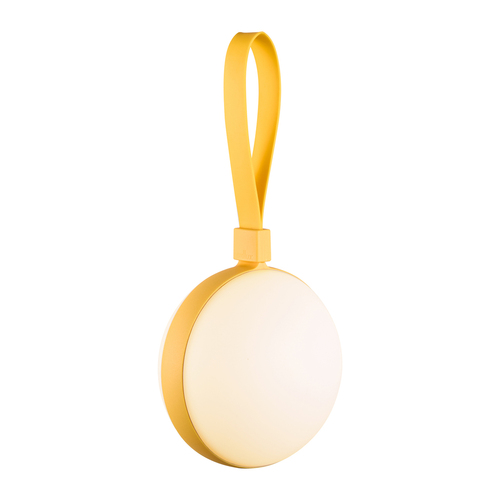
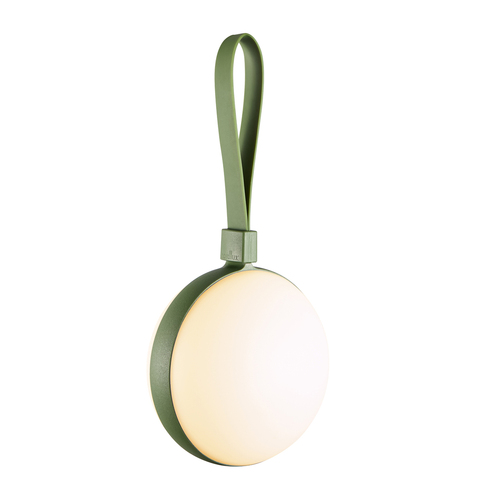
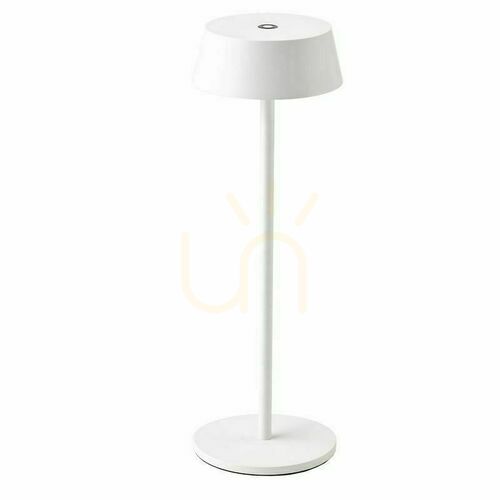
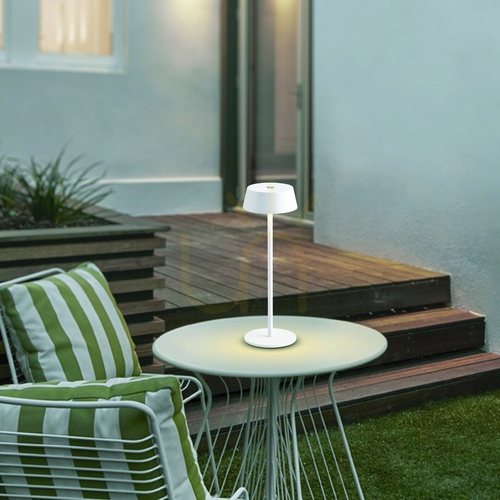
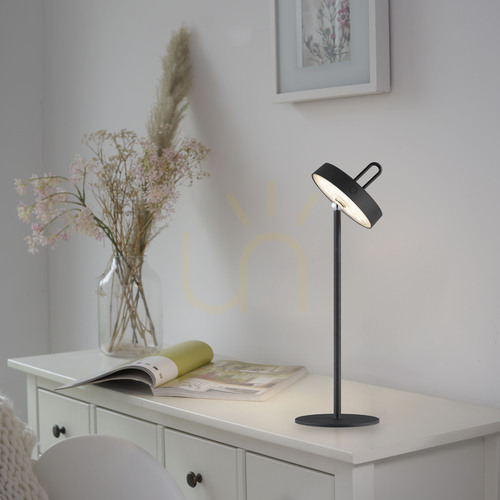
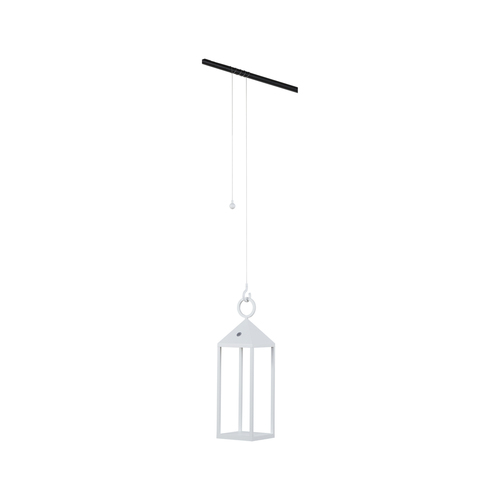
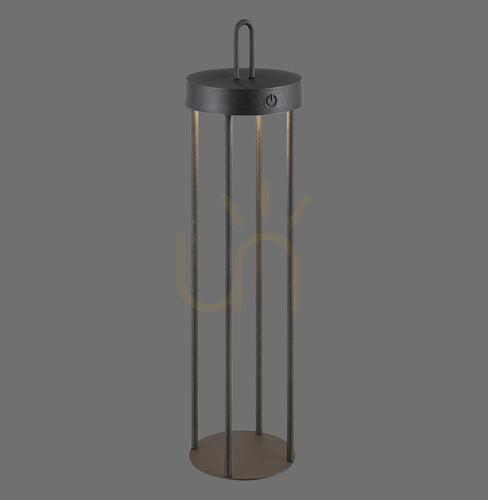
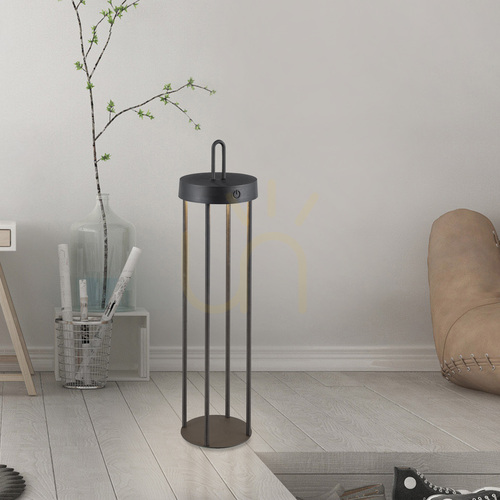
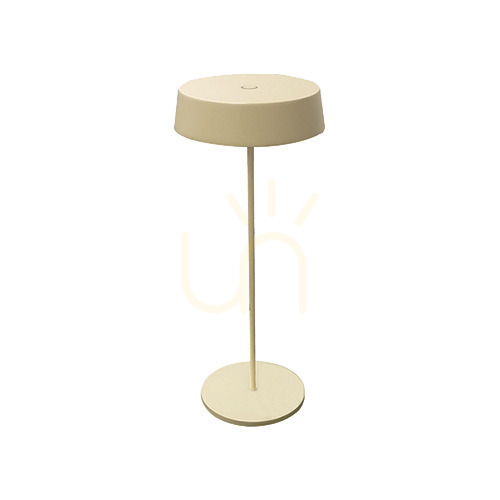
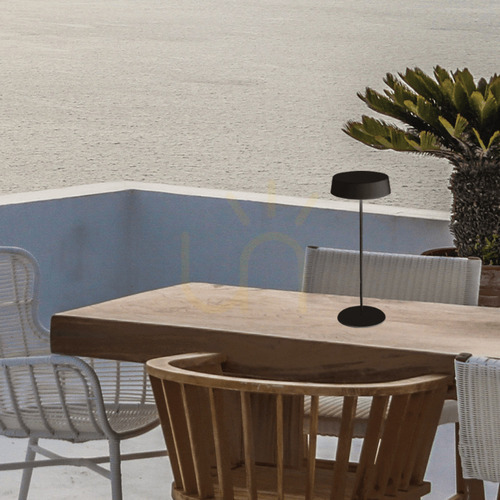
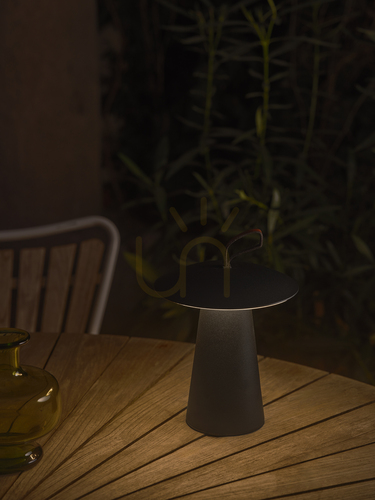
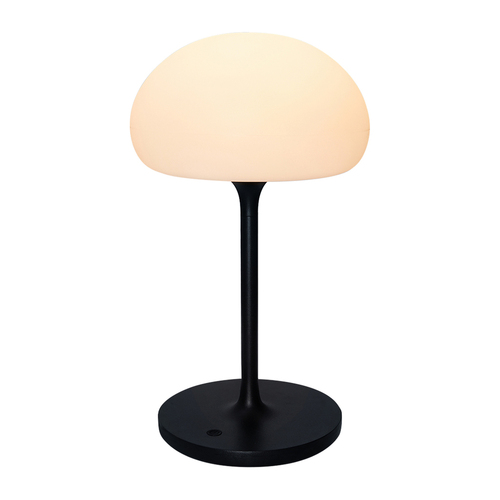
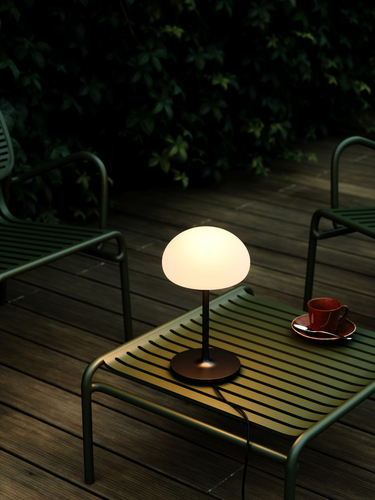
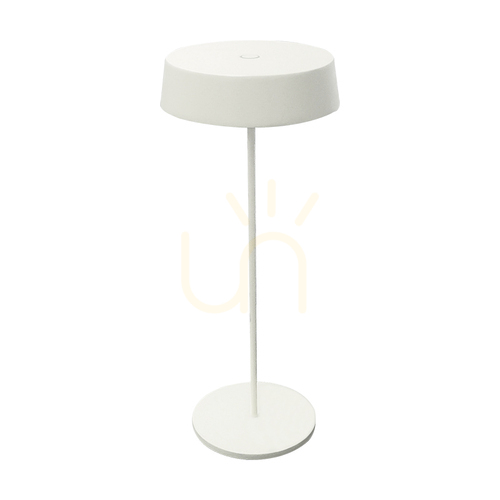
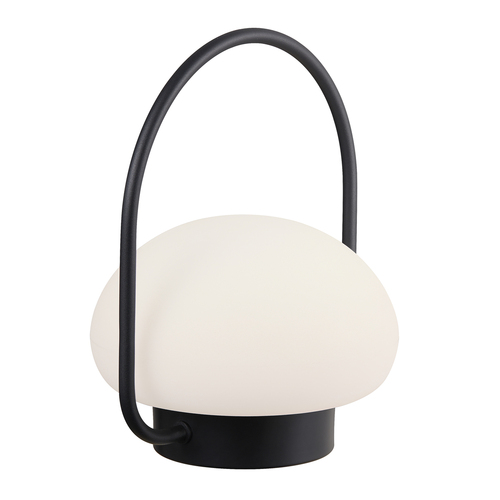
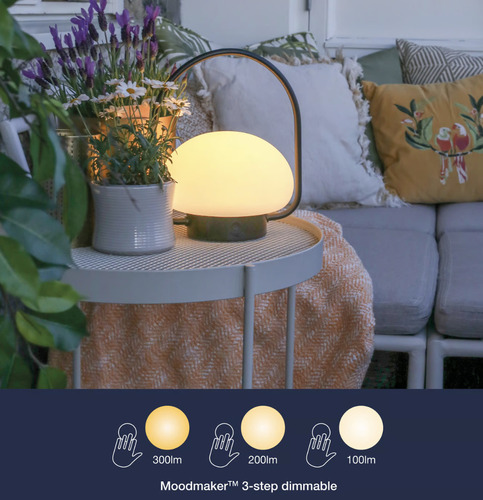
A rechargeable outdoor lamp is a cordless light with a built-in battery that you charge indoors and carry out to the patio, the balcony or the bottom of the garden. Being designed for outside use means its housing is protected against splashing water and damp, so it can sit on a dewy garden table all evening – something an ordinary rechargeable table lamp from the living room cannot be trusted to do.
For British gardens that last point matters more than anything else. Showers arrive unannounced, dew settles on everything by ten o’clock, and a lamp that is only splash-proof on paper will not last long. So before you choose a shape or a finish, look at the IP rating, the charging port and how the battery copes with cold nights.
How cordless outdoor lamps work
Almost all of them run on a lithium-ion battery that powers integrated LEDs. You charge it with a USB-C cable, on a charging base, or in some cases with a small solar panel that tops it up during the day. A full charge usually takes 3–6 hours and gives somewhere between 6 and 24 hours of light, depending on battery size and how bright you run it. The longest figure on the box nearly always refers to the lowest setting.
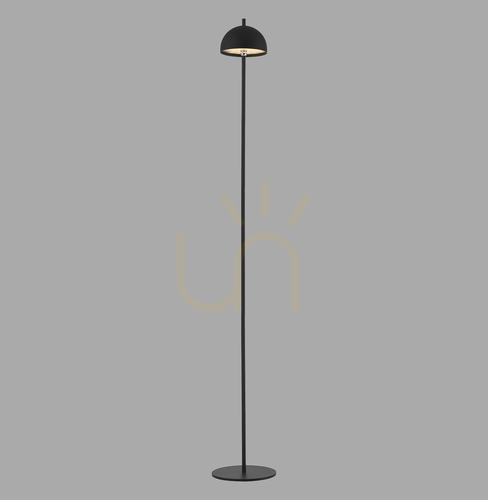
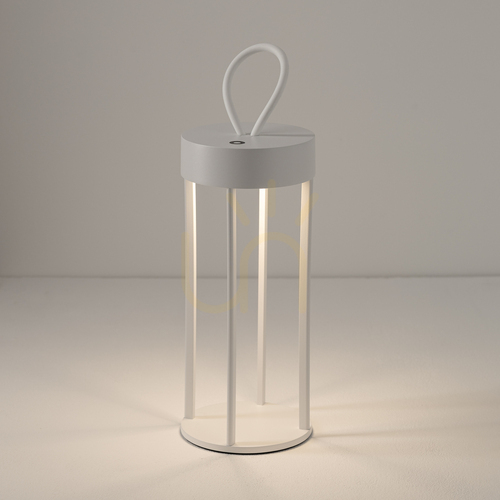
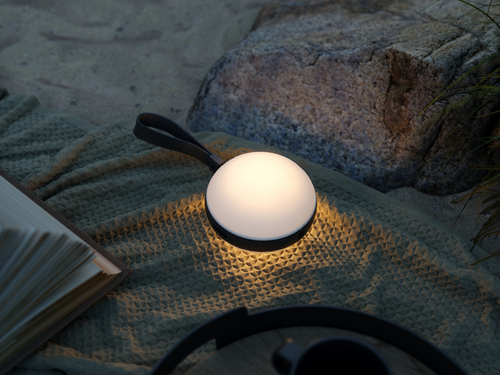
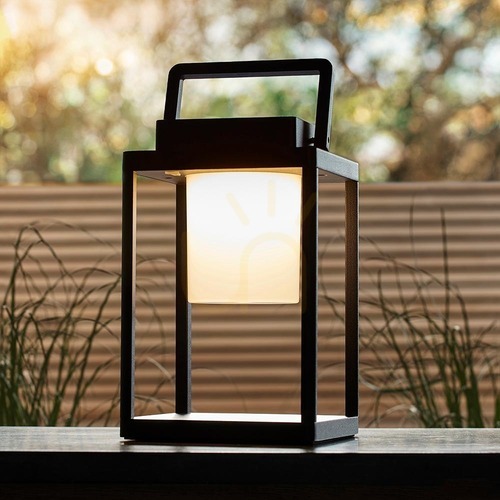
The family is wider than the classic patio table lamp. There are lanterns with carry handles, glowing spheres that sit on the lawn, tall floor lamps for a seating corner, hanging lights for a pergola, wall lights that fix with screws or a magnetic plate, and spike lights for borders and paths.
IP ratings for a British garden
| Rating |
What it withstands |
Where it works |
| IP20 |
no protection against water |
indoors only, even if portable |
| IP44 |
splashes from any direction |
covered patio, balcony under an overhang, a short shower |
| IP54 |
splashes plus dust |
open patio table, decking, dusty or exposed spots; still bring in for prolonged rain |
| IP65 |
low-pressure water jets, dust-tight |
lawn, borders, left out through a downpour |
| IP67 |
brief immersion |
pond edge, poolside, spots where puddles form |
A rating only holds if the seals are closed. A USB-C port behind a rubber flap is fine as long as you push the flap home after charging; lamps that charge on a contact base or magnetic connector have no open socket at all, which is the safer design for a wet climate.
Brightness, colour and controls
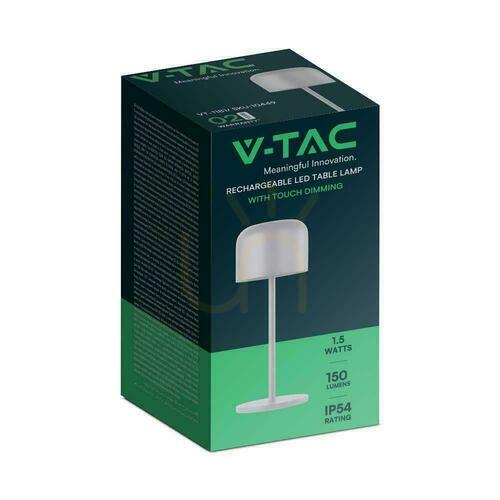
Most rechargeable garden lamps are mood lighting rather than floodlights. Somewhere around 100–300 lumens is plenty for a dining table; more than that starts to dazzle the people sitting at it. Warm white at 2700–3000 K is the usual colour and suits an evening outdoors, while some models switch to cooler white or cycle through colours. Look for a touch dimmer with several steps or stepless control and a battery-level indicator, so the lamp does not die halfway through dinner.
Where they earn their keep
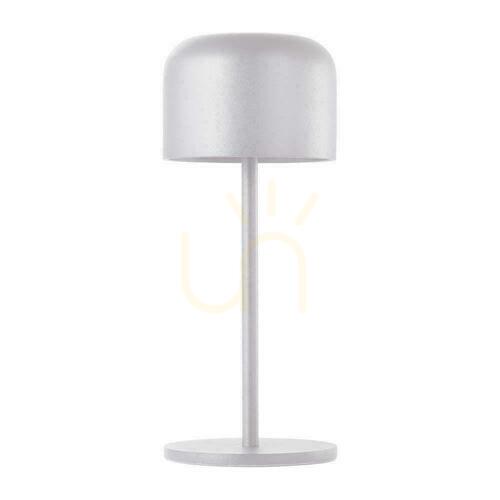
On a patio or decking, a table lamp puts light where the plates are. On a rented flat’s balcony it gives you light without drilling or trailing a lead through the window. At the front door, a battery wall light with a sensor lights the step without anyone chasing cables through brickwork. Spheres and spike lights mark a path or the edge of a pond, and a lantern on a hook turns a tree or an allotment shed into a usable space after dark. Because there is no wiring, none of this needs an electrician.
Looking after the battery
Lithium-ion cells dislike frost. Below 0 °C they deliver noticeably less power, and charging a cold battery shortens its life. After a chilly evening, let the lamp warm up and dry off indoors before plugging it in. Over winter, store it somewhere dry with the battery at roughly half charge and top it up every couple of months; a cell left completely flat for a whole season may not recover. Wipe housings with a damp cloth, never a scourer. When the battery finally gives up, take the lamp to a household recycling centre or a battery collection point rather than the bin.
Frequently asked questions
What is the best battery-operated outdoor light?
It depends on the job. For eating outside, a warm-white table lamp with a dimmer and at least IP44. For a lawn or border, an IP65 sphere or spike light. For the front of the house, a wall light with a motion sensor, which only switches on when needed and so can go many days between charges.
What lights are best to use in the rain?
Anything rated IP65 or higher can stay out in heavy rain. IP44 copes with splashes and passing showers, but bring it under cover when the weather turns properly wet.
Are USB rechargeable outdoor lights worth it?
For portable use, yes. You charge them from a wall plug, a laptop or a power bank, they work whatever the weather, and they avoid buying disposable batteries. Check that the port has a seal.
Are solar outdoor wall lights any good?
In a sunny, open spot during summer they work well. In shade, under eaves or through a grey British winter they often charge too little to last the evening. A USB-rechargeable lamp, or a hybrid with both solar and USB charging, is more dependable.
Can I get a waterproof rechargeable light with a sensor?
Yes. Wall-mounted and path versions often pair a PIR sensor with a weatherproof housing; for anything that stays out in heavy rain, look for IP65 or higher, as IP44–IP54 only handles splashes.
Can a rechargeable outdoor lamp stay outside all year?
The housing might survive, but the battery will not enjoy months of frost. Bring it in for the coldest part of the year and it will hold its capacity for many more seasons.
More about lamps with built-in batteries, for indoors too: rechargeable lamps. For a light that switches itself on at the door, see outdoor motion sensors.