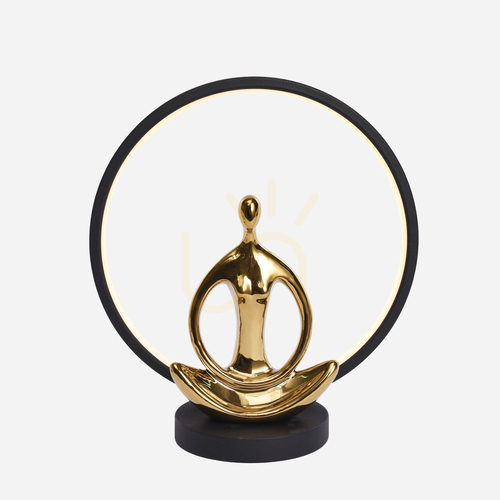
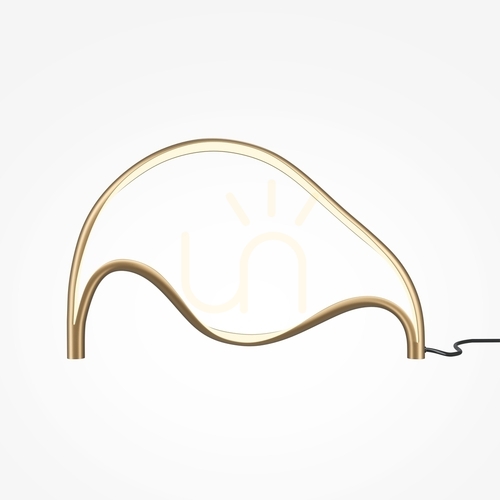
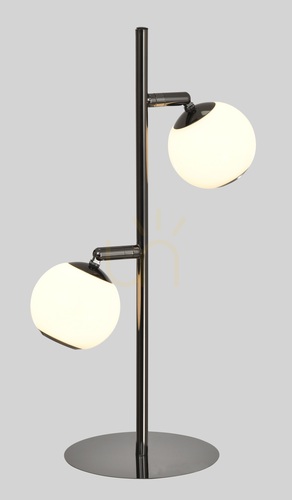
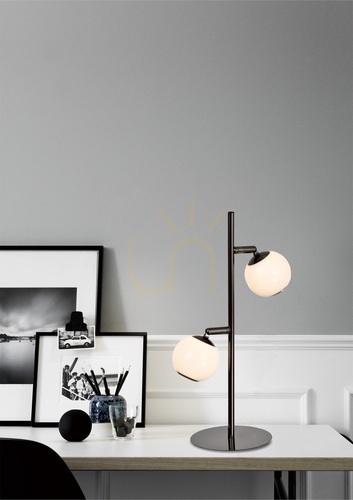
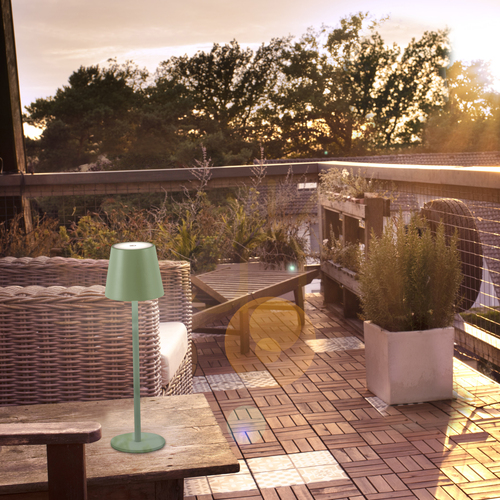
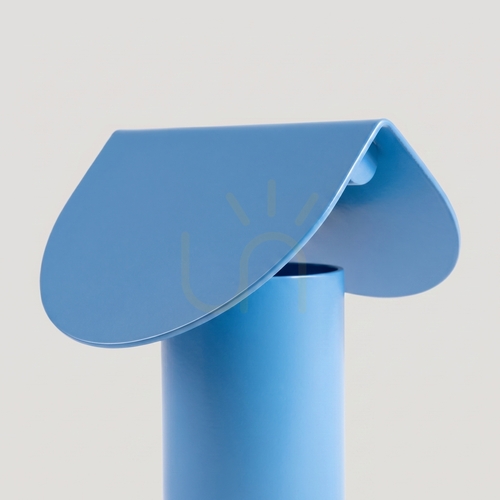
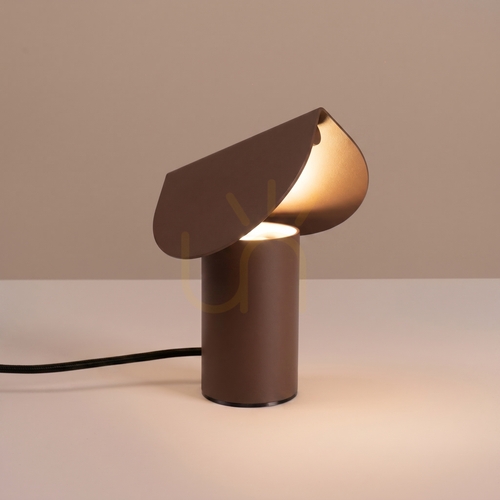
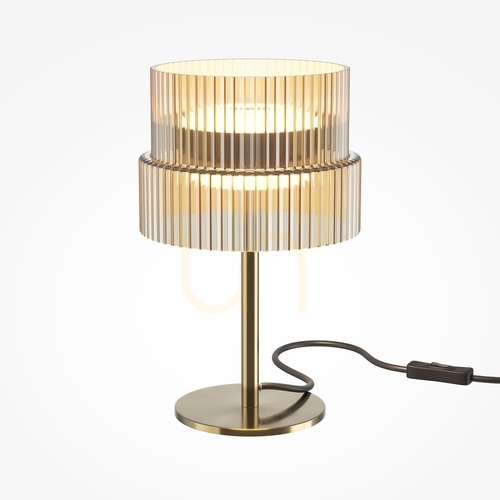
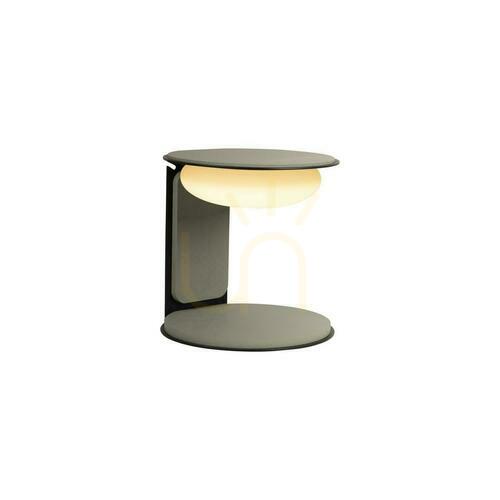
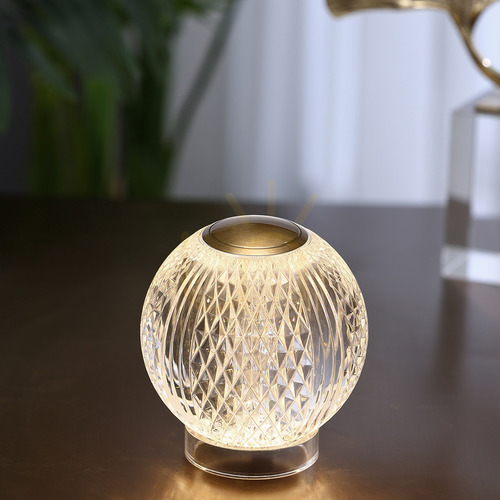
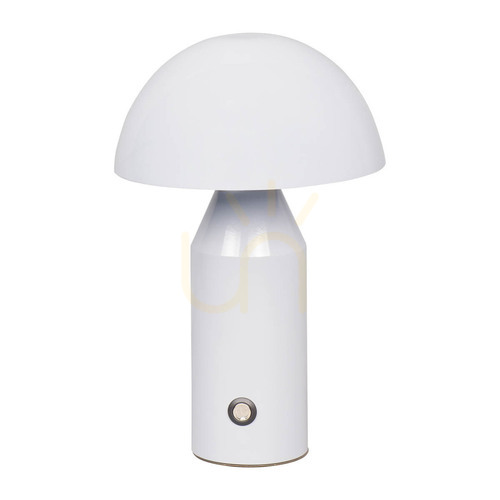
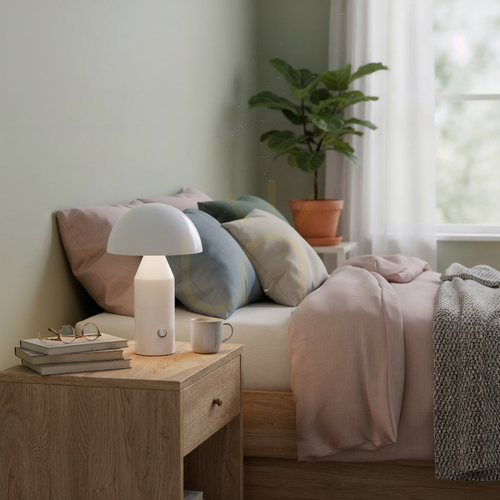
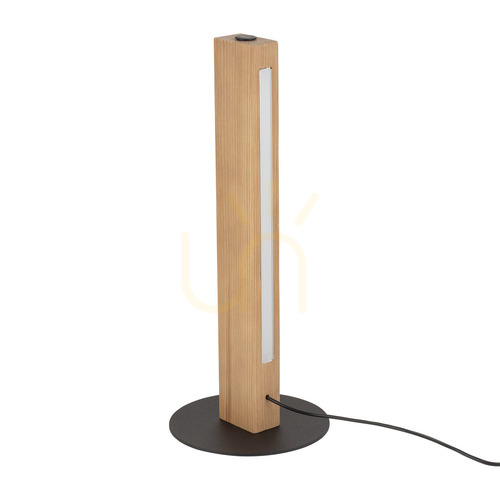
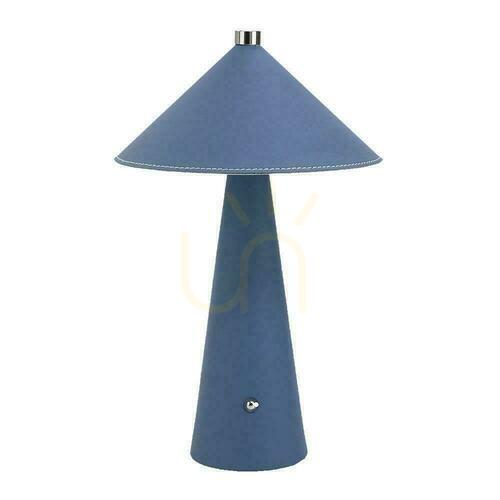
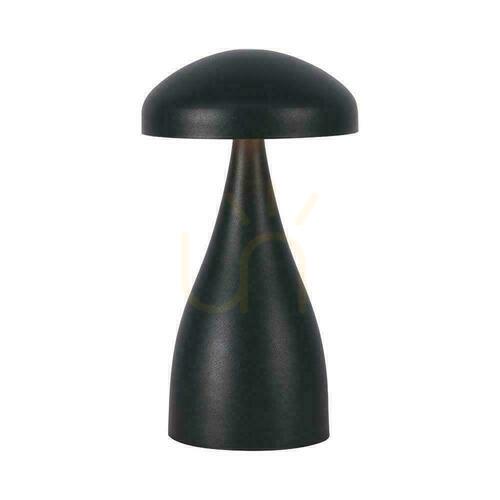
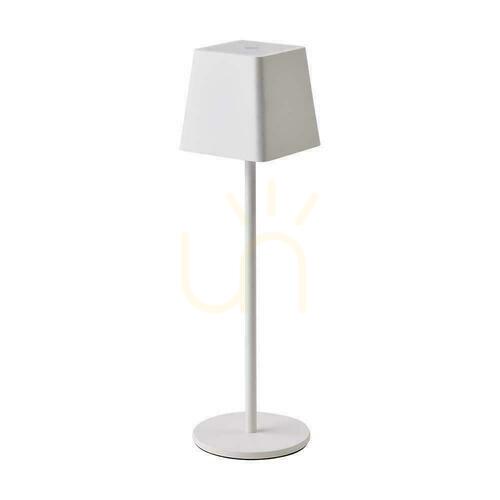
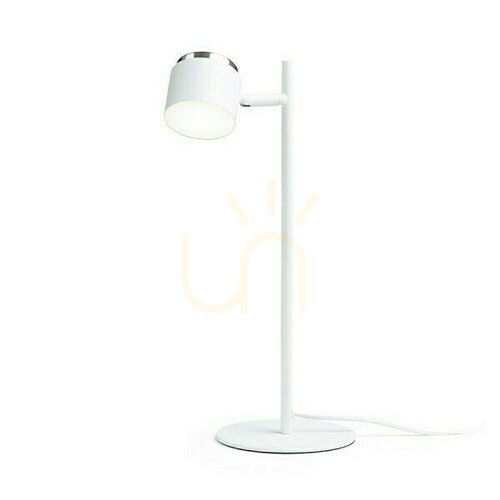
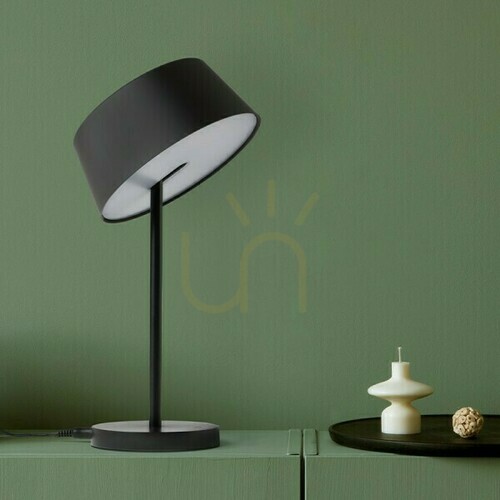
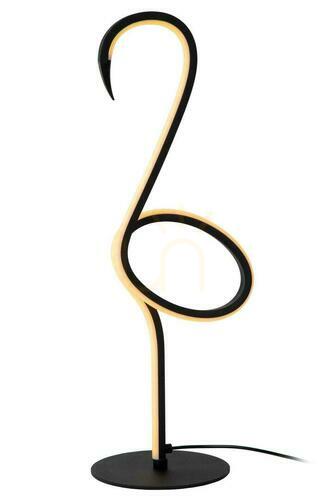
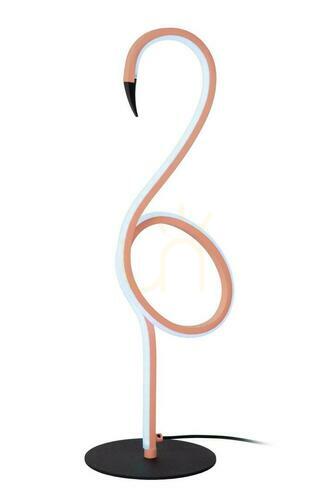
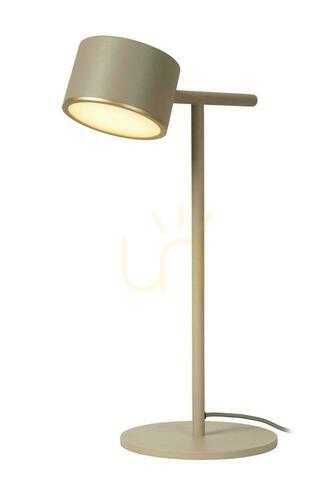
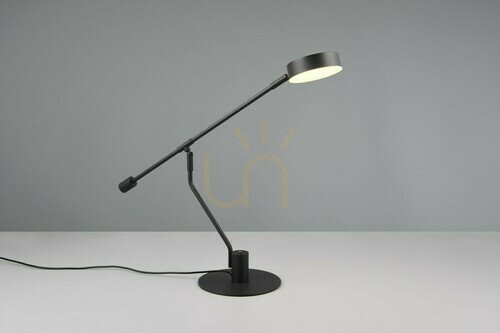
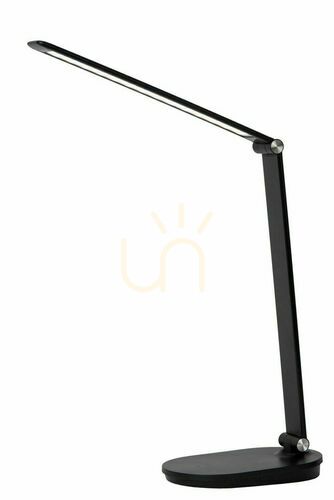
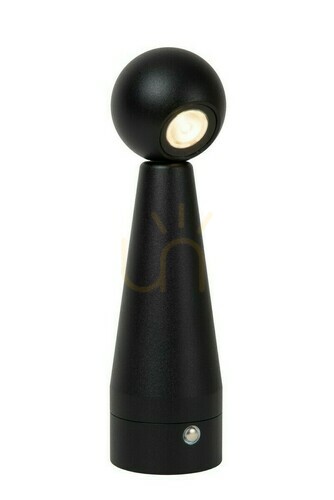
On these table lamps the light source is built into the fixture. There is no E27 or E14 holder waiting for a bulb you buy separately — the LED board and its driver are fitted at the factory, and the lamp arrives finished. That single decision changes what you should check before buying, because everything that a replaceable bulb normally lets you choose later is chosen for you now.
Integrated versus replaceable, in plain terms
With a socketed lamp you pick the brightness, the colour temperature and the dimming behaviour when you buy the bulb, and you can change your mind in two years for the price of a bulb. With an integrated LED lamp those three things are fixed characteristics of the product, printed on its specification and not adjustable afterwards. In exchange you get a lamp that was designed around its light source instead of around a socket, and one that works correctly out of the box with no bulb shopping at all.
Lifetime, and what happens when it eventually fails
Integrated modules are rated in hours to a stated lumen maintenance — L70 or L80, meaning the point at which output has dropped to 70 or 80 per cent of new. Ratings in the 15,000 to 50,000 hour range are typical, which at three hours an evening is years rather than months. LEDs also rarely die suddenly; they dim gradually. When a module does fail, the lamp is a repair or a replacement rather than a re-lamping job, so it is worth reading the warranty terms on an integrated fitting more carefully than you would on a socketed one.
Dimming: check before you assume
This is where integrated LED catches people out. An integrated lamp is dimmable only if the manufacturer says so, and only by the method they specify. Some carry their own touch dimmer on the base or a stepped switch on the cord. Some are designed for a trailing-edge wall dimmer. Some are app or remote controlled. And some are fixed output by design. Putting a fixed-output LED lamp on a dimmer circuit produces flicker, buzz or nothing at all, and can shorten the driver's life. If dimming matters to you, treat it as a filter, not as something to sort out afterwards.
Colour temperature and colour rendering
Because the source is fixed, its colour temperature is a permanent property of the lamp. For a living room or bedside, 2700 K reads warm and restful; 3000 K is slightly crisper and suits a desk or a console in a hallway. Anything at 4000 K and above belongs on a work surface. Some integrated lamps offer switchable or tunable white, which restores that choice. Colour rendering matters just as much: look for Ra 80 as a floor, and Ra 90 or better anywhere you read, apply make-up or care how fabrics and wood tones actually look.
Why integrated allows slimmer shapes
A standard lamp holder is around 40 mm across and needs clearance around it for heat and for the bulb itself, which sets a minimum size for any shade or housing. Remove it and a designer can work in millimetres: a flat bar, a thin ring, a folded plate, a slender arc over a desk. The same freedom is what makes cordless and rechargeable table lamps possible, since a small battery only has to feed an LED board and not a filament. If a table lamp looks impossibly thin, an integrated source is usually the reason.
Common questions about integrated LED
Can I replace the LED myself later?
Not as a user-serviceable part. The module is soldered or fixed inside the fitting, and replacement is a job for the manufacturer's service where it is offered at all.
Does an integrated LED lamp need a special power supply?
No. The driver is inside the lamp or in the moulded block on the cable, and it plugs into an ordinary mains socket.
Why does the light look dimmer after a few years?
That is lumen depreciation, and it is expected and gradual. The L70 or L80 figure in the specification tells you how far it is allowed to go.