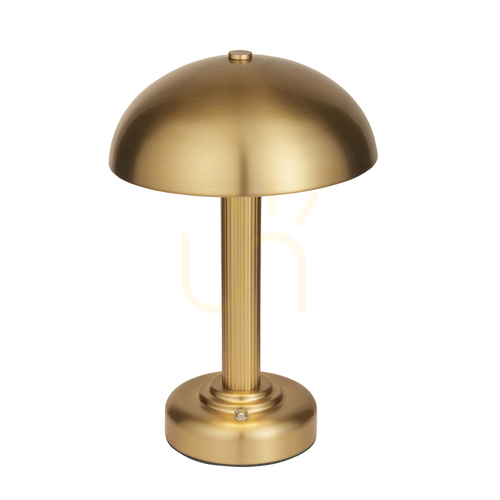
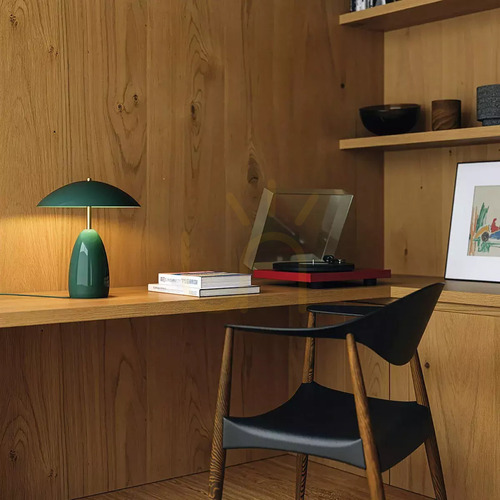
A battery lamp gives you proper light in spots the wiring never reached: the middle of a dining table, a bookshelf, a wardrobe, a window sill or a bedside that sits a metre away from the nearest socket. Indoors it usually runs on a built-in rechargeable battery topped up over USB, or on replaceable AA or AAA cells, and the light source is almost always LED.
For indoor lighting, going cordless mostly changes how a lamp is fitted and looked after. No chasing cables into plaster, no trailing flex across the floor, nothing an electrician has to sign off, which is why cordless lamps are popular in rented flats and in period homes with too few sockets. The trade-off is that you charge it now and then, and that it works best alongside your main lighting rather than instead of it.
Are battery-operated lamps any good?
For mood light, reading and lighting awkward corners, yes. LEDs draw so little power that a palm-sized battery can run a lamp for an evening or several. Where they disappoint is when someone expects one to light a whole room: a mains bulb equivalent to an old 60 W lamp puts out around 800 lm, while most cordless lamps sit somewhere between 50 and 400 lm. Buy one for the job it does well and it will earn its keep.
Rechargeable or replaceable batteries?
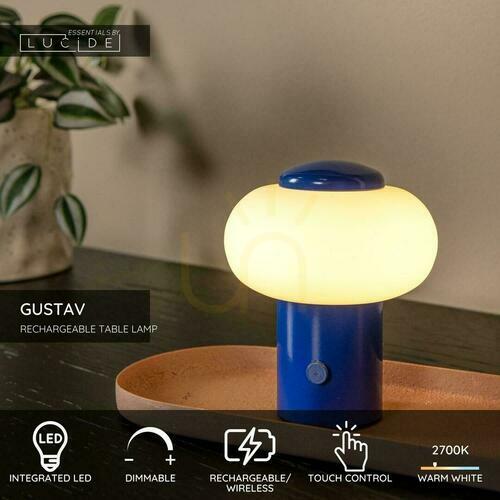
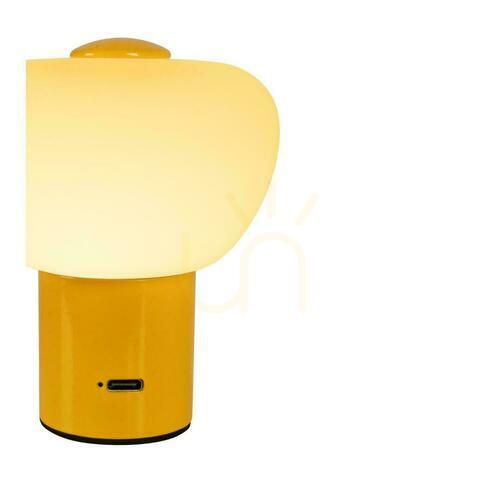
Rechargeable lamps with a lithium-ion pack are the better bet for anything you switch on every day: a table lamp, a reading light, a lamp you carry between the kitchen and the garden table. Charging typically takes 3–6 hours, and USB-C has become the usual connector, so a phone charger will often do.
Lamps that take AA or AAA cells make sense where light is needed briefly and charging would be a nuisance: inside a wardrobe, under a stair, in the airing cupboard. Rechargeable NiMH cells work in most of them, though at 1.2 V rather than 1.5 V some lamps will look slightly dimmer or flag a low battery sooner.
What to look for
The figures below are typical for indoor cordless lamps. The exact values for any one lamp are on its data sheet.
| Feature |
Typical range |
Worth knowing |
| Brightness |
10–100 lm for ambience, 150–400 lm for reading |
around 250–400 lm close to the page is enough to read by |
| Run time |
roughly 5–10 hours on full, tens of hours dimmed |
a quoted ‘up to 40 hours’ is usually the lowest setting |
| Charging |
USB, increasingly USB-C, about 3–6 hours |
a charge indicator saves surprises before guests arrive |
| Colour temperature |
2700–3000 K for living rooms and bedrooms |
4000 K suits wardrobes and work surfaces |
| Controls |
touch dimmer, remote, timer, motion sensor |
dimming stretches each charge noticeably |
| IP rating |
IP20 indoors, IP44 or above for bathrooms and the patio |
check it if the lamp will go outside on summer evenings |
Where cordless lamps make the most sense
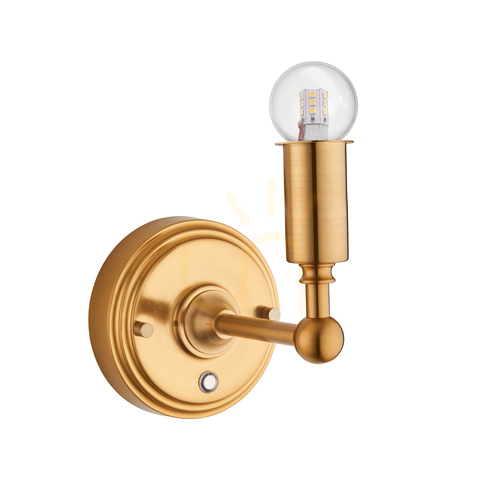
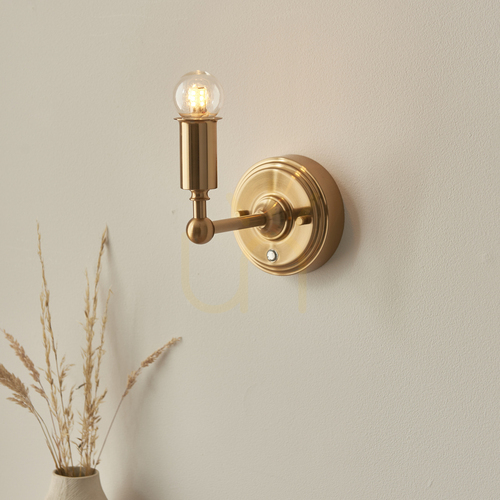
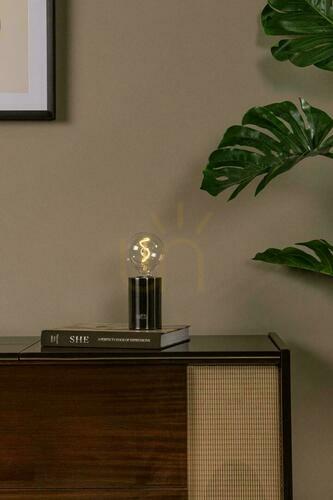
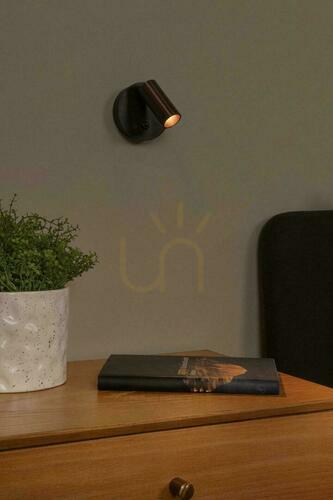
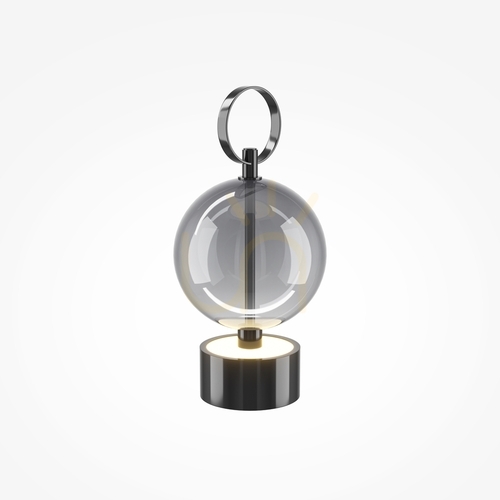
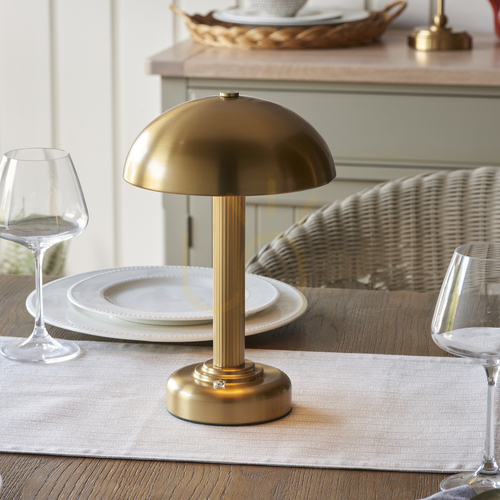
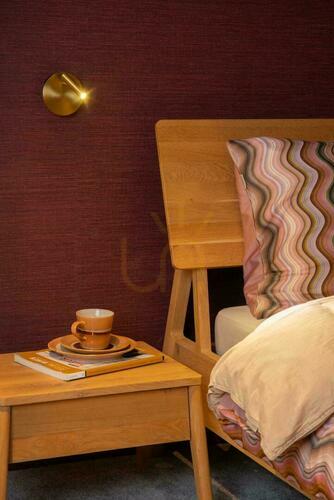
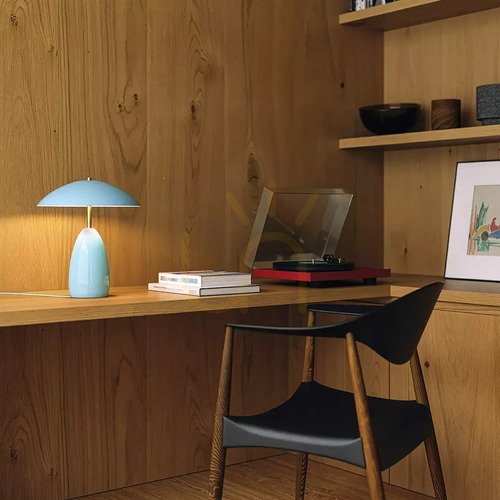
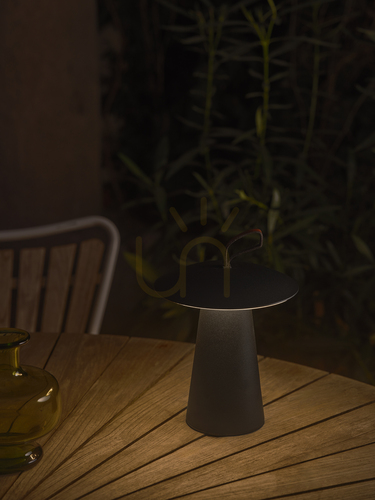
The table lamp on a dining table is the obvious one: warm, low light for dinner, then back onto the sideboard. Cordless bedside lamps let you put the light where it suits you rather than where the socket is. Battery wall lights fix with a magnetic plate, adhesive pads or a couple of screws, so a reading light over an armchair no longer means new wiring. Under-cupboard strips brighten a worktop, and a sensor light in a wardrobe comes on when the door opens.
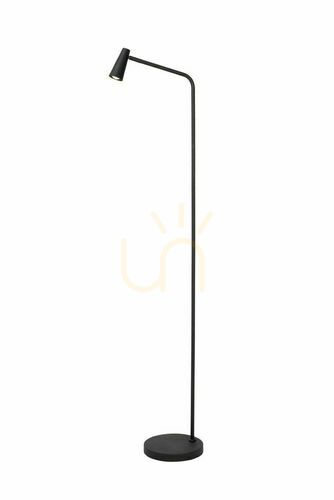
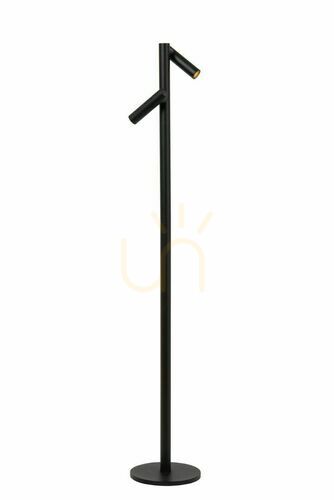
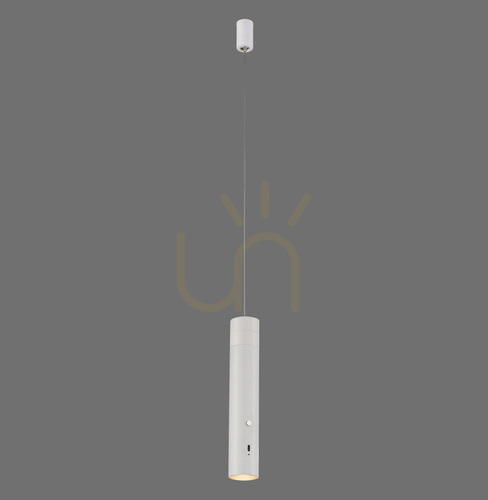
There are cordless pendants for a table with no ceiling point above it, floor lamps for a reading corner, picture lights and LED candles with a built-in timer. And when the power goes off, a charged lamp keeps working.
Looking after the battery
- Charge at room temperature with a 5 V USB supply, and never under a cushion, duvet or throw.
- For a lamp left unused for weeks, store the battery at about half charge. Running it completely flat shortens its life.
- Take alkaline cells out of a lamp you put away, because they can leak and corrode the contacts.
- Stop using a lamp whose battery swells, smells or gets hot while charging.
- Take spent batteries to a recycling point rather than putting them in the bin.
- Magnetic mounts only grip metal, so on wood or plaster you need the supplied steel plate.
Frequently asked questions
What makes a good rechargeable table lamp?
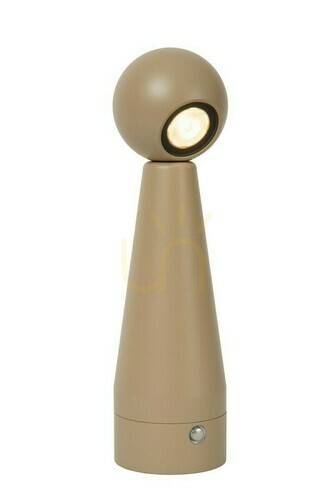
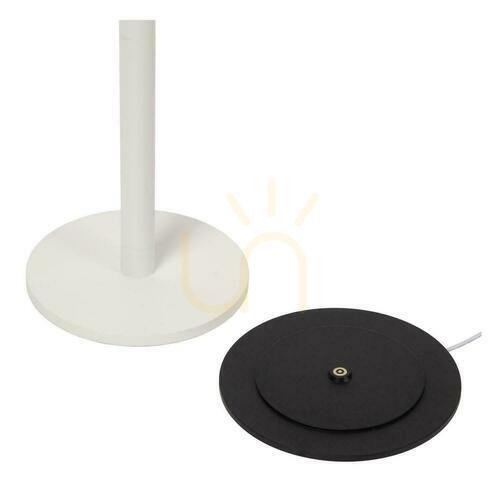
Enough light for its job, a dimmer, USB-C charging and a battery that lasts a full evening at the brightness you actually use. A heavy, stable base matters too, as cordless lamps get picked up and moved far more often than plug-in ones.
Can a bedside lamp charge my phone wirelessly?
Some can. Bedside lamps with a Qi charging pad or a USB output exist, but they are usually mains-powered, because a phone would drain a small lamp battery quickly. A cordless bedside lamp is normally charged rather than used as a charger.
How long does a rechargeable lamp battery last?
Lithium-ion cells generally keep good capacity for around 300–500 full charge cycles. Charging once or twice a week, that is several years of normal use.
Can I leave a battery lamp on overnight?
Yes. LEDs run cool, and many lamps have a timer or a night setting. Just do not leave it charging overnight under bedding.
Is a cordless floor lamp bright enough to read by?
Usually, provided the head sits close to the book and gives around 300–400 lm. For lighting a whole room, a mains-powered floor lamp is the better choice.
A rechargeable lamp is at its best alongside fixed lighting. For lamps on the bedside table specifically, see cordless bedside lamps, and for other kinds of fittings around the home, indoor lighting.